How to Shut Off the Main Water Supply in Naples, FL
Learn how to find and shut off your main water supply valve in Naples, FL. Step-by-step guide for emergency plumbing situations from Incas Plumbing.
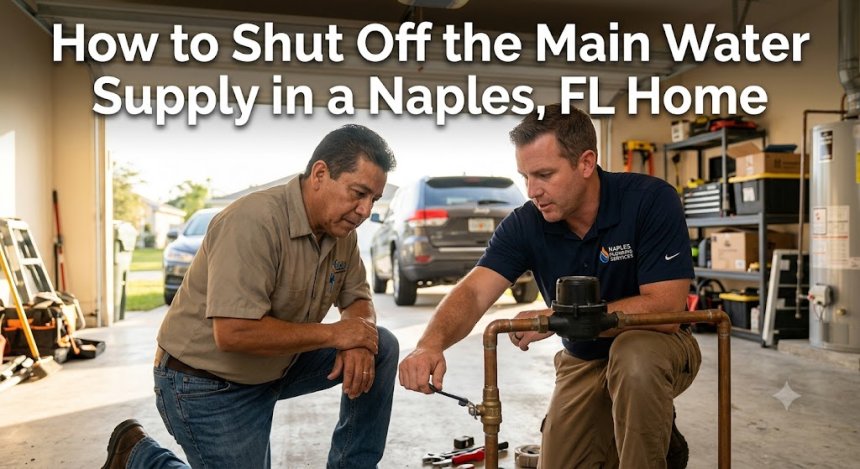
Emergency Guide: How to Shut Off the Main Water Supply in Your Naples, FL Home
Imagine coming home after a relaxing day at Vanderbilt Beach or returning to your Southwest Florida home after a seasonal trip, only to hear the sound of rushing water coming from your laundry room or kitchen. A burst pipe, a broken washing machine hose, or a failing water heater can dump hundreds of gallons of water into your living space within minutes.
When a plumbing disaster hits, every second counts. Knowing how to locate and turn off your home’s main water supply valve is the single most important defense you have against catastrophic water damage.
For homeowners and business owners across Collier County, coastal weather, aging infrastructure, and high municipal water pressure can turn small plumbing issues into sudden emergencies. Knowing the exact location of your shut-off valve and how to operate it safely can save you thousands of dollars in property repairs before a professional plumber even arrives at your door.
What Is a Main Water Supply Shut-Off Valve?
Your main water shut-off valve is the master control switch for your entire property’s plumbing system. When open, it allows fresh water from the City of Naples or Collier County municipal supply (or your private well system) to flow through your pipes to every faucet, toilet, hose bibb, and appliance.
When closed, it completely halts incoming water, isolating your home’s internal pipe network from the municipal main.
Common Valve Types Found in Naples Homes
-
Gate Valves: Commonly found in older homes. They feature a round wheel handle. Turning the wheel clockwise lowers an internal metal gate to stop water flow. Because they are prone to corrosion and sticking over time, they can be difficult to operate during an emergency.
-
Ball Valves: The modern standard found in newer Naples builds and recent plumbing upgrades. These feature a single lever handle. Turning the handle a quarter-turn (perpendicular to the pipe) instantly shuts off the water.
+--------------------------------------------------------------------+
|                         MAIN WATER VALVES                          |
+------------------------------------+-------------------------------+
|             GATE VALVE             |          BALL VALVE           |
|            (Older Homes)           |         (Modern Homes)        |
|                                    |                               |
|            [Wheel Handle]          |       [Single Lever]          |
|                 ||                 |             |                 |
|            +----+----+             |             +---[Handle]      |
|            | Pipe    |             |             | Pipe    |       |
|            +---------+             |             +---------+       |
|                                    |                               |
|   Turn Wheel Clockwise (Multi-turn)|   Quarter-Turn (Perpendicular)|
+------------------------------------+-------------------------------+
Why Do You Need to Shut Off Your Main Water Supply?
Emergency leaks are not the only reason to close your main valve. Understanding when to cut off the water supply helps protect your structure and plumbing fixtures.
-
Sudden Pipe Bursts: High water pressure, corrosion, or ground shifting can cause a pipe wall to rupture suddenly.
-
Severe Appliance Failures: Washing machine supply hoses, dishwasher lines, and refrigerator ice-maker tubing are common failure points that flood rooms quickly.
-
Fixture Overflows: A toilet fill valve failure or stuck sink cartridge can create continuous overflow.
-
Extended Travel (Seasonal/Snowbird Prep): Leaving a Naples property unattended during the summer without turning off the main water valve leaves your home vulnerable to undetected leaks that can cause massive structural damage and mold growth.
-
Major Plumbing Repairs: Whenever major fixture replacements or main line repairs occur, isolating the system protects the property.
Step-by-Step Guide: How to Shut Off Your Main Water Supply in Naples, FL
Locating your valve in Southwest Florida can be slightly different than in northern climates because homes here are built on concrete slab foundations without basements.
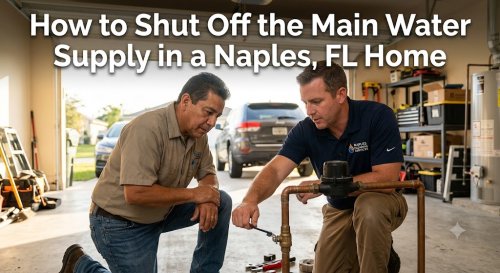
Step 1: Locate Your Main Water Shut-Off Valve Inside or Near the House
In most Naples single-family homes, villas, and townhomes, your primary shut-off valve will be located on an exterior wall or inside a garage. Look for these common locations:
-
Near the Outdoor Hose Bibb (Spigot): Walk around the perimeter of your house, usually on the side facing the street or near your garage. Look for a pipe rising from the ground entering the exterior wall, often right below an outside faucet.
-
Inside the Garage: Inspect the interior walls of your garage, particularly near the water heater, water softener system, or laundry hookups.
-
Near the Water Heater: In some layouts, the main shut-off is plumbed adjacent to the cold water inlet line entering your hot water tank.
Step 2: Operate the Shut-Off Valve
-
If you have a Ball Valve (Lever): Turn the lever 90 degrees so that it runs perpendicular to the pipe direction. When the handle forms a cross or "T" shape with the pipe, the water is completely off.
-
If you have a Gate Valve (Wheel): Turn the wheel clockwise ("Righty-Tighty") continuously until it stops completely. Never force a stuck metal wheel with excessive leverage, as aging stems can snap off and worsen the leak.
       BALL VALVE POSITIONS

       OPEN:   ==========[ HANDLE ]==========  (Parallel to pipe)

       CLOSED:   =====[ H ]=====               (Perpendicular to pipe)
                       [ A ]
                       [ N ]
                       [ D ]
                       [ L ]
                       [ E ]
Step 3: The Secondary Option — The Municipal Meter Box
If your home’s main valve is broken, missing, or rusted stuck, you can shut off the water at the curb inside the meter box.
-
Find the Meter Box: Look near the front boundary of your property near the street or sidewalk. It is typically housed inside a black, grey, or concrete ground box with a lid labeled "WATER METER."
-
Remove the Lid: Carefully pop open the lid using a flathead screwdriver or meter key (watch out for dirt, insects, or frogs).
-
Locate the Curb Stop Valve: Inside, you will see the digital or mechanical water meter and a brass valve located on the street side of the meter.
-
Turn the Meter Valve: This valve typically has a raised knob or a loop with eyelets. Using a specialized Water Meter Key (available at local hardware stores) or a sturdy pair of adjustable pliers, turn the valve clockwise until the holes align or the valve bar sits perpendicular to the pipe.
Important Note: Municipal utility guidelines generally reserve meter box operations for utility workers and licensed plumbers. Operate the curb stop carefully during true emergencies to avoid damaging city-owned infrastructure.
Signs You Should Shut Off Your Water Immediately
Recognizing warning signs early stops minor plumbing problems from becoming catastrophic structural repairs. Turn off your main water valve and call a plumber if you notice:
-
Unexplained Sound of Running Water: Hearing water rushing through walls or beneath your slab when all faucets are completely off.
-
Sudden Drop in Water Pressure: A sharp, unexpected loss of water pressure across multiple fixtures often points to a major concealed line break.
-
Warm Spots on Tile or Slab Floors: Hot spots underfoot indicate a hot water slab leak running beneath your home's foundation.
-
Rapidly Advancing Water Stains: Discoloration on drywalls, ceilings, or baseboards expanding visibly.
-
Spinning Water Meter Indicator: Checking your street meter when no water is actively running in the house; if the small leak indicator dial is spinning continuously, water is escaping your closed system.
Common Naples Plumbing Problems Linked to Main Line Valves
Southwest Florida’s unique environment affects plumbing systems in specific ways:
-
Slab Leaks: Homes built on concrete slabs can experience pipe degradation underneath the home due to soil shifting or chemical reactions between soil moisture and copper pipes.
-
Hard Water Scale Deposits: Mineral-rich water throughout Collier County builds up scale inside metallic gate valves, causing internal seals to seize or fail when you need them most.
-
Corrosion from Coastal Air: Salty coastal air accelerates external corrosion on exposed outdoor copper pipes, shut-off valve stems, and brass fittings.
-
High Municipal Water Pressure: Surges in main municipal lines can stress older indoor connection hoses and strain marginal valve seals.
How Professional Plumbers Fix Main Shut-Off Valve Issues
When your main valve fails to shut off, leaks at the stem, or needs complete replacement, a licensed plumbing contractor will perform a precise replacement process:
Can You Fix or Replace a Main Shut-Off Valve Yourself?
While locating and turning off a functional valve is standard home maintenance, replacing or repairing the main shut-off valve is not a recommended DIY project.
-
What You CAN Do Safely:
-
Locate your valve today so you are prepared.
-
Test the valve once or twice a year by gently turning it to ensure it operates smoothly.
-
Clear away vegetation, dirt, and debris surrounding your outdoor shut-off or municipal meter box.
-
-
When DIY Becomes Dangerous:
-
Never force a valve handle that feels stuck or completely corroded. Forcing it can snap the valve stem, causing an uncontrolled, high-pressure flood.
-
Do not attempt to solder or cut supply lines before the main valve without proper municipal clearance and system draining expertise.
-
What Factors Influence Valve Repair & Plumbing Costs?
Plumbing repair costs vary depending on the severity of the problem, accessibility, materials required, emergency service, property type, and local labor rates.
Key factors that influence costs include:
-
Valve Location & Accessibility: Valves located inside tight crawl spaces, behind drywall, or buried deep underground require more labor to access than exposed surface pipes.
-
Pipe Material: Interfacing with older galvanized iron, copper, or modern CPVC/PEX lines requires specific tools and fittings.
-
Emergency Service Timing: Calls made outside standard business hours, such as late nights, weekends, or holidays, generally carry emergency dispatch fees.
-
Permit and Utility Requirements: Main line work that requires city meter lockouts or municipal permits can influence final costs.
Hidden Truths Homeowners Should Know
Understanding your plumbing system helps you avoid costly mistakes and keeps your home safe.
-
Small Stems Cause Big Floods: A minor leak at a stem packing nut can silently rot subflooring and wall frames over months.
-
Cheap Temporary Clamps Fail Quickly: Rubber wrap kits or emergency putty patches are strictly short-term holding measures—they cannot withstand continuous high system pressures for long.
-
Insurance May Deny Neglect Claims: Many home insurance policies limit or deny water damage claims if the leak resulted from visible, long-term unaddressed plumbing corrosion or unmaintained pipes.
-
Hard Water Reduces Valve Lifespan: Untreated local hard water creates mineral scale inside valve bodies, shortening their functional lifespan.
-
Mold Grows Fast in Florida: In Southwest Florida’s warm, humid climate, structural mold can begin colonizing wet drywall and wood within 24 to 48 hours of a water leak.
15 Common Mistakes Homeowners Make
-
Waiting for an Emergency to Find the Valve: Searching for your main shut-off valve in the dark while water is flooding your home wastes critical minutes.
-
Using Chemical Drain Cleaners on Main Lines: Pouring harsh chemicals down drains causes pipe wall corrosion without solving main supply problems.
-
Forcing a Seized Gate Valve: Applying wrenches or leverage to a stuck gate valve wheel usually snaps the internal stem.
-
Neglecting Seasonal Shut-offs: Leaving supply lines pressurized while away from your Naples home for months.
-
Ignoring Minor Drips: Disregarding slow leaks at outdoor hose spigots or main supply joints.
-
Hiring Unlicensed Handymen: Allowing uncertified individuals to perform main water line alterations without proper insurance or licensing.
-
Over-tightening Fittings: Applying too much torque to brass or plastic supply connections, causing cracked threads.
-
Burying the Meter Box: Covering curb meter boxes with thick mulch, sod, or decorative landscape rocks.
-
Confusing Gas and Water Lines: Always double-check pipe identities before turning valves.
-
Forgetting to Drain Lines After Shutting Off: Not opening a low fixture to release trapped line pressure during repairs.
-
Using Incorrect Replacement Materials: Mixing incompatible metals without dielectric unions, which causes rapid galvanic corrosion.
-
Skipping Annual System Inspections: Neglecting to check indoor and outdoor valve health once a year.
-
Ignoring High Water Bills: Assuming a sudden spike in your monthly utility bill is a billing error rather than a hidden main line leak.
-
Flushing Flushable Wipes: Wipes clog sewer lines, causing back-ups that require immediate main water isolation.
-
Delaying Professional Help: Trying to manage a significant pipe collapse with buckets instead of calling an emergency plumber immediately.
15 Practical Plumbing Maintenance Tips for Naples Property Owners
-
Tag Your Main Valve: Attach a bright, durable plastic tag to your main water shut-off valve so family members can locate it instantly.
-
Exercise Valves Semi-Annually: Turn your main valve off and back on twice a year to prevent mineral scale from locking the mechanism.
-
Upgrade to a Ball Valve: Replace old wheel-style gate valves with reliable, quarter-turn brass ball valves.
-
Inspect Appliance Hoses: Replace rubber washing machine lines with braided stainless steel hoses every 3 to 5 years.
-
Check Water Pressure Regularly: Ensure your home's water pressure stays between 40 and 60 PSI. Pressure above 80 PSI damages valves and pipe joints.
-
Maintain Your Water Heater: Flush sediment from your water heater tank annually to prevent valve blockage and tank corrosion.
-
Install Smart Water Shut-Off Devices: Consider installing an automatic smart shut-off valve that detects micro-leaks and cuts water flow automatically to your smartphone.
-
Clear Area Around Valves: Keep garage corners and outdoor spigot areas free of storage boxes, weeds, and debris.
-
Inspect Outdoor Hose Bibbs: Check for corroded threads or leaking stems on all external spigots.
-
Monitor Water Softeners: Ensure your water treatment systems are working properly to reduce internal mineral buildup on valves.
-
Know Your Irrigation System: Ensure your sprinkler system has a dedicated shut-off valve separate from your indoor household water line.
-
Check Under Sinks Monthly: Inspect vanity and kitchen sink shut-off valves for moisture, green oxidation, or rust.
-
Prepare Before Vacations: Always close the main water supply valve before leaving your home for more than a few days.
-
Replace Old Angle Stops: Replace plastic or corroded under-sink shut-off valves with quarter-turn metal valves.
-
Keep an Emergency Meter Key: Store an inexpensive water meter key in your garage for emergency access to the city curb valve.
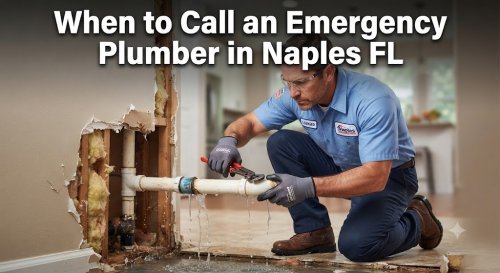
When Should You Call an Emergency Plumber?
Shutting off your water main buys you time, but you still need rapid professional repairs to restore safe water flow to your property. Contact an emergency plumber immediately if you experience:
-
Uncontrollable Main Line Leaks: Water leaking on the street side of your shut-off valve.
-
Burst or Ruptured Pipes: Major structural leaks that cannot be isolated at individual fixtures.
-
Sewage Backups: Waste entering tubs or sinks when water runs anywhere in the building.
-
Complete Loss of Water Pressure: Sudden, unexplained loss of water throughout the building.
-
Slab Leak Indications: Warm floor tiles, unexplained wall dampness, or constant water running sounds.
Frequently Asked Questions
Why is my water pressure suddenly low throughout the entire house?
A sudden, widespread drop in pressure typically indicates a major leak on your main line, a partially closed main shut-off valve, or a failing pressure-reducing valve (PRV).
How do I know if my main shut-off valve is broken?
If you turn the valve handle completely and water continues to flow normally from your faucets, the internal gate or ball seal has failed, and the valve needs replacement.
Which way do I turn the main water valve to turn it off?
Turn gate valves (wheel handles) clockwise until tight ("Righty-Tighty"). Turn ball valves (lever handles) a quarter-turn until the lever is perpendicular (90 degrees) to the pipe.
Can a broken main shut-off valve cause a high water bill?
If the valve is leaking externally or allowing water to bleed through damaged main lines unnoticed, your monthly utility bill can increase significantly.
Is the water meter box owned by the city or the homeowner?
In Naples and Collier County, the water meter box and curb valve generally belong to the municipal utility, while the plumbing line extending from the meter to your house is the property owner's responsibility.
What should I do if my main shut-off valve is stuck?
Do not force it with heavy tools. Apply a penetrating lubricant to visible external threads if safe, wait a few minutes, and try gently moving it. If it remains stuck, call a licensed plumber to isolate the line at the curb and replace the valve.
Should I turn off my main water valve when I go on vacation?
Yes. Turning off your main valve before extended travel prevents catastrophic flooding from unexpected appliance hose failures or pipe breaks while you are away.
What is the difference between a gate valve and a ball valve?
Gate valves use an internal metal disk lowered by a threaded screw wheel, making them prone to corrosion and failure over time. Ball valves use a solid brass sphere with a hole through the middle, providing quick quarter-turn operation and long-term reliability.
Can hard water damage my main shut-off valve?
Yes. Mineral buildup from untreated hard water can crust over internal valve components, preventing full closure or damaging rubber seals over time.
How long does it take a plumber to replace a main shut-off valve?
A standard main valve replacement typically takes 1 to 2 hours, depending on pipe accessibility, pipe material, and coordination with local utility shut-offs.
Why Choose Incas Plumbing?
When you face a plumbing emergency or need to upgrade your home’s main water shut-off valve, working with a reliable, licensed professional is essential.
At Incas Plumbing, we bring years of direct, hands-on experience handling the unique plumbing challenges of Naples, FL, and surrounding Collier County communities.
-
Licensed & Experienced Professionals: Our team understands local codes, soil conditions, and coastal plumbing demands.
-
Fast Emergency Response: We offer prompt service when immediate action is necessary to protect your home.
-
Upfront Estimates: We provide clear, honest evaluations before work begins—no surprise fees.
-
Modern Equipment & Techniques: From precise leak detection tools to heavy-duty pipe press systems, we use top-tier equipment for long-lasting repairs.
-
Customer-First Service: We respect your property, clean up after the job, and ensure your plumbing systems run safely and efficiently.