When to Call an Emergency Plumber in Naples FL
Learn when to call an emergency plumber in Naples, FL. Discover urgent plumbing signs, fast repair services, and local tips from Incas Plumbing.
When Should You Call an Emergency Plumber in Naples, FL?
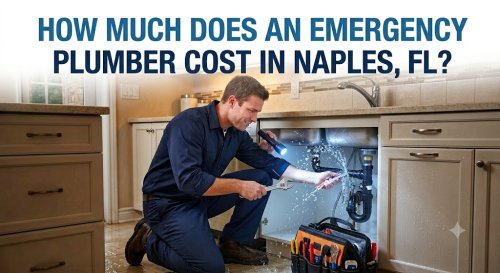
Standing in your kitchen or hallway while water gushes out from a burst pipe, or discovering raw sewage backing up into your bathroom shower, can turn an ordinary day into a stressful crisis. When property owners in Naples, Florida, and across surrounding Collier County neighborhoods experience sudden plumbing catastrophes, they naturally wonder: When should you call an emergency plumber?
Because every plumbing emergency, structural layout, and pipe failure features unique characteristics, reputable plumbing companies avoid guessing scenarios over the phone and instead dispatch experts immediately. At Incas Plumbing, located right on Dale Ave in Naples, we believe in complete transparency regarding urgent pricing factors, safety protocols, and rapid-response service scopes. This comprehensive guide breaks down what constitutes a true plumbing emergency, how professional rapid intervention works, and how keeping your system monitored protects your home from severe water damage.
What Is Emergency Plumbing?
Emergency plumbing is the immediate, round-the-clock professional service required to address catastrophic plumbing failures that threaten property safety, structural integrity, or human health.
Definition and Common Situations
Unlike scheduled maintenance or routine fixture swaps, an emergency service focuses on rapid containment and heavy-duty repair when normal water flow spins out of control. Common situations include major main line breaks, overflowing toilets that will not stop, or sudden water heater tank ruptures.
Symptoms and Examples
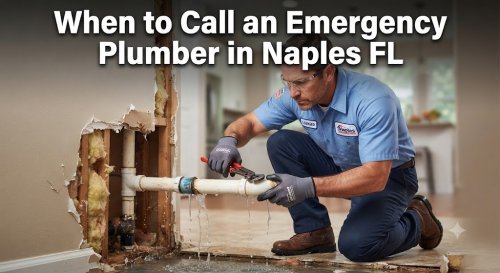
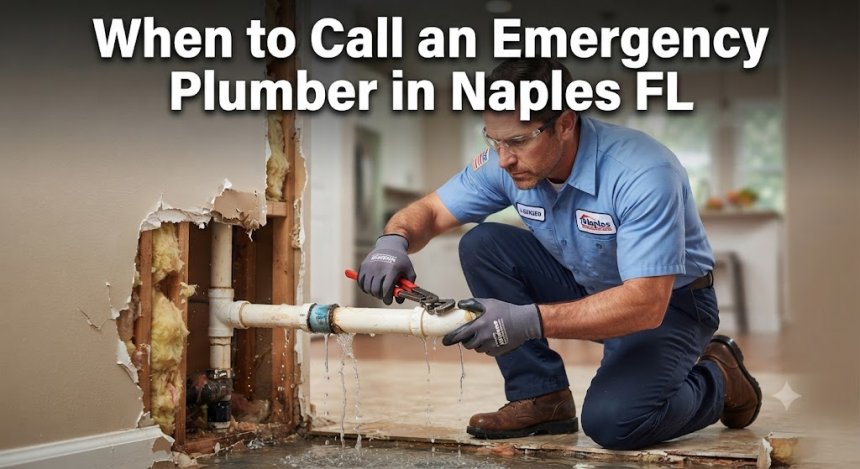
For example, hearing a loud pop behind a drywall partition followed by water soaking through your baseboards, or watching multiple drains bubble up sewage simultaneously, indicates that an emergency plumber is required right away.
Why Does This Plumbing Problem Happen?
Emergency plumbing failures occur due to a combination of extreme weather stress, material degradation, and sudden internal pressure surges.
Common Causes of Emergency Failures
-
Aging and Corroded Pipes: Decades-old metal pipes weaken structurally until wall thickness gives out entirely under standard pressure.
-
Severe Hard Water Scale: Southwest Florida mineral buildup clogs lines, elevating internal hydrostatic pressure until fittings rupture.
-
Intruder Tree Roots: Aggressive roots crack underground sewer lines, causing complete blockages and hazardous sewage backups.
-
Freezing or Extreme Weather Shifts: Sudden temperature drops or heavy tropical storm downpours overwhelm drainage and supply networks.
-
High Municipal Water Pressure: Unregulated city pressure running into homes strains every valve, joint, and connector.
-
Improper Prior Installation: Cross-threaded or unreinforced fittings installed poorly eventually snap under daily fatigue.
Signs You Should Never Ignore
Your plumbing infrastructure will typically provide critical warning signs long before a catastrophic emergency strikes:
-
Water Stains on Ceilings and Walls: Finding mysterious yellow or brown rings that indicate slow, hidden leaks behind drywall.
-
Slow Draining Fixtures Everywhere: Noticing multiple sinks and tubs draining sluggishly at the same time, pointing to a main line clog.
-
Unusually Low Water Pressure: Experiencing a sudden drop in stream volume across the entire property.
-
Unexplained High Water Bills: Seeing utility charges spike without any changes in household water usage.
-
Strange Gurgling Noises: Hearing bubbling sounds in toilet bowls when running the washing machine or bathroom sink.
Common Plumbing Problems Related to This Issue
Unaddressed or poorly managed plumbing emergencies frequently trigger secondary structural and property complications:
-
Extensive Structural Wood Rot: Water soaking into subfloors, joists, and framing members, fostering rapid mold growth.
-
Severe Electrical Hazards: Water infiltrating electrical outlets, breaker panels, or light fixtures near plumbing lines.
-
Total Loss of Sanitation: Homes rendered uninhabitable due to active sewage contamination in living areas.
-
Compromised Foundation Slabs: Water pooling under concrete foundations, causing shifting and structural settling.
Step-by-Step Professional Repair Process
When you contact Incas Plumbing for emergency dispatch in the Naples area, our licensed technicians follow a structured, transparent workflow:
Our Professional Service Workflow
Immediate Phone Guidance: We provide critical safety instructions over the phone, such as locating your main water shut-off valve.
Rapid On-Site Arrival: Our emergency crew arrives promptly with fully stocked service vehicles ready for immediate deployment.
Hazard Assessment and Containment: We isolate the affected zone, shut down compromised lines, and secure electrical hazards.
Diagnostic Evaluation: We pinpoint the exact failure point using advanced acoustic or camera equipment without unnecessary demolition.
Execution of Repairs: We perform heavy-duty pipe patching, valve replacements, or main line clearing to restore safety.
System Testing & Decontamination: We repressurize lines, verify zero leakage, and sanitize affected work areas.
Prevention Recommendations: We provide clear advice on preventing repeat emergencies and outline permanent restoration steps.
Can You Fix It Yourself?
When an unexpected pipe bursts or a drain backs up, homeowners naturally want to grab tools and fix it immediately.
What Homeowners Can Safely Do
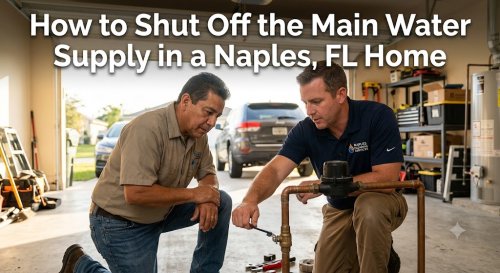
You can safely locate and turn off your home's main water supply valve, trip electrical breakers connected to flooded rooms, and place buckets under active drips.
Why DIY Emergency Fixes Are Dangerous
-
Electrical Shock Risks: Working near water pools with live household electricity creates extreme electrocution hazards.
-
Making Leaks Worse: Applying temporary tape or clamps to high-pressure lines often blows out entirely, worsening the indoor flood.
-
Hidden Structural Damage: Missing internal wall leaks while trying to fix surface symptoms lets mold and rot spread unchecked.
Tools Professionals Use
Professional emergency plumbers carry specialized diagnostic and repair equipment to handle crises rapidly:
-
High-Definition Drain Cameras: Miniature fiber-optic cameras used to inspect deep interior pipe walls and locate breaks instantly.
-
Electronic Leak Detectors: Acoustic listening devices that trace pressurized water escaping behind concrete or walls.
-
Heavy-Duty Hydro Jetters: High-pressure water clearing systems that obliterate stubborn root masses and grease clogs.
-
Pipe Locators: Radio-frequency transmitters that map exact underground pipe coordinates from the surface.
-
Hydraulic Pressure Testing Kits: Gauges used to verify that repaired systems hold secure operating pressure.
How Long Does the Repair Usually Take?
Emergency repair timelines vary depending on the severity of the damage and the complexity of the fix:
-
Main Water Shut-Off and Isolation: Shutting down active flooding takes 15 to 30 minutes.
-
Standard Burst Pipe Patching: Repairing an accessible broken supply pipe takes 1 to 2 hours.
-
Main Sewer Line Clearing: Resolving severe main line blockages with hydro jetting takes 1.5 to 3 hours.
-
Major Emergency Replacements: Complex excavations or extensive main stack repairs take 3 to 6 hours.
Cost Factors
Plumbing service costs vary depending on the severity of the problem, accessibility, materials required, emergency service, property type, and local labor rates. Reputable plumbing companies avoid giving blind phone estimates because every emergency job involves distinct variables.
What Determines Total Pricing?
-
Time of Dispatch: After-hours, weekend, or holiday emergency calls involve priority dispatch and labor adjustments.
-
Severity of Water Damage: Extent of pipe rupture or structural compromise requiring immediate stabilization.
-
Pipe Accessibility: Confined crawlspaces, deep trenches, or concrete slab locations requiring specialized access.
-
Materials and Parts Needed: Heavy-duty commercial replacement valves, specialized couplings, or custom pipe sections.
-
Emergency Cleanup Complexity: Requirement for water extraction equipment or sanitation protocols.
Hidden Truths Homeowners Should Know
Expert Insight: Trying to save money by ignoring a minor nighttime drip often results in a midnight pipe blowout that destroys flooring and custom cabinetry. Early intervention is always cheaper than emergency restoration.
-
Main Valve Seizure: Many homeowners discover their main water shut-off valve is rusted shut only when an emergency happens. Test your valve annually.
-
Insurance Limitations: Homeowner insurance policies frequently deny claims if water damage stems from neglected, long-term plumbing leaks.
-
Mold Speed: Mold colonies begin germinating within 24 to 48 hours of indoor water exposure, making rapid professional drying essential.
15 Common Mistakes Homeowners Make
-
Panicking and Losing Time: Failing to shut off the main water supply immediately while searching for a bucket.
-
Not Knowing Main Valve Location: Wasting precious minutes searching for the main water shut-off during a major flood.
-
Using Chemical Cleaners on Breaks: Pouring corrosive liquid drain cleaners into cracked pipes, risking severe chemical burns.
-
Ignoring Early Warning Signs: Waiting until a slow ceiling stain turns into a collapsed drywall section.
-
Hiring Unlicensed Handymen: Calling uninsured operators at midnight who lack proper emergency repair credentials.
-
Over-Tightening Fittings: Forcing old, brittle pipe threads during amateur midnight repair attempts.
-
Leaving Power On Near Floods: Walking through standing water in rooms with active electrical outlets.
-
Skipping Professional Drying: Leaving wet subfloors to dry naturally, guaranteeing hidden mold growth.
-
Using Duct Tape on High Pressure: Attempting to seal a high-pressure burst pipe with household tape.
-
Delaying Professional Calls: Hoping an active leak will somehow stop on its own overnight.
-
Fewer Shut-Off Checks: Never testing under-sink or main water shut-off valves before an emergency occurs.
-
Pouring Grease Down Drains: Contributing to major main line sewer backups by disposing of cooking oils improperly.
-
Ignoring Gurgling Toilets: Treating backing-up fixtures as a minor annoyance rather than a main line crisis.
-
Forgetting Camera Inspections: Patching a pipe without checking the rest of the line for underlying root damage.
-
Failing to Document Damage: Not taking photos of emergency leaks for insurance and plumbing records.
Maintenance Tips
Protect your home plumbing infrastructure and prevent midnight emergencies by following these practical maintenance habits:
-
Test Main Shut-Off Valves: Turn your main water supply valve off and on annually to prevent it from seizing up.
-
Inspect Exposed Pipes Quarterly: Look at pipes in your garage, laundry room, and under sinks for any moisture.
-
Watch Your Water Meter: Check your meter when all fixtures are off to detect hidden silent leaks.
-
Clear Main Drains Regularly: Schedule professional drain cleanings to prevent unexpected root intrusions.
-
Install Water Leak Alarms: Place battery-powered smart leak detectors near water heaters and washing machines.
-
Regulate Water Pressure: Install a pressure-reducing valve if your home water pressure exceeds 80 psi.
-
Protect Outdoor Spigots: Insulate exterior hose bibs during seasonal temperature drops in Florida.
-
Avoid Chemical Drain Openers: Use mechanical snakes or professional cleaning instead of harsh chemicals.
-
Never Flush Wipes: Keep flushable wipes, paper towels, and hygiene products out of your toilet system.
-
Service Water Heaters Annually: Flush sediment buildup from your water heater tank every year.
-
Keep Cleanouts Accessible: Ensure your main sewer cleanout plugs are never buried under landscaping.
-
Monitor Garbage Disposals: Avoid putting fibrous vegetables, grease, or coffee grounds down kitchen disposals.
-
Check Washing Machine Hoses: Replace rubber washing machine supply hoses with braided stainless steel lines.
-
Educate Family Members: Ensure everyone in the home knows where the main water shut-off is located.
-
Schedule Professional Checkups: Have a licensed Naples plumber evaluate your overall home plumbing biennially.
When Should You Call an Emergency Plumber?
Certain plumbing scenarios demand immediate, round-the-clock emergency intervention:
-
Burst Supply Pipes: When a pipe snaps, spraying water forcefully inside walls or ceilings.
-
Severe Sewage Backups: When raw sewage rises up through floor drains, showers, or multiple toilets.
-
Total Loss of Water: When unexpected supply failures leave your entire property without running water.
-
Overflowing Unstoppable Toilets: When a toilet bowl overflows continuously and manual shut-off fails.
-
Major Water Heater Failures: When a water heater tank ruptures, flooding the garage or utility room.
-
Uncontrolled Slab Leaks: When warm spots or wet flooring indicate a pressurized pipe failure under concrete.
-
Gas Line Odors: If your plumbing service handles gas lines and you smell sulfur or rotten eggs near appliances.
Frequently Asked Questions
Why is my water pressure suddenly low?
Sudden low pressure is typically caused by a failing pressure-reducing valve, a major hidden leak, or mineral scale buildup clogging fixture aerators.
How much does leak detection cost?
Leak detection costs vary based on the diagnostic technology required, property size, and the accessibility of the hidden pipe or leak location.
Can a clogged drain damage pipes?
Yes. Severe clogs create excessive internal hydrostatic pressure, strain pipe joints, and can cause older pipes to crack or separate over time.
Is hydro jetting safe for old pipes?
Hydro jetting is highly effective, but an experienced plumber must first inspect your pipes with a camera to ensure the material is structurally sound enough to withstand high-pressure water streams.
How do I know if my sewer line is broken?
Signs of a broken sewer line include multiple slow drains throughout the house, gurgling toilet bowls, foul sewage odors in the yard, and unexplained lush patches of grass.
How long do water heaters last?
Traditional tank water heaters typically last between 8 to 12 years, while tankless units can last 20 years or more with proper annual maintenance.
Why does my faucet drip?
Faucets usually drip because internal rubber washers, O-rings, or ceramic cartridges have worn out due to normal friction and hard water exposure.
What causes pipes to burst?
Pipes most commonly burst due to freezing temperatures, excessive internal water pressure, severe corrosion, or physical impact.
Can plumbing leaks increase my water bill?
Absolutely. Even a small pinhole leak running continuously can waste thousands of gallons of water per month, driving up your utility bills significantly.
When should I replace plumbing instead of repairing it?
If your home features outdated piping materials, experiences recurring pinhole leaks in multiple locations, or has severely corroded lines, a complete repipe is far more cost-effective than endless spot repairs.
Why Choose Incas Plumbing
When you need dependable plumbing diagnostics and emergency repair services in Naples, Florida, partnering with the right team makes all the difference. At Incas Plumbing, we are committed to excellence:
-
Experienced Licensed Plumbers: Highly trained professionals equipped to handle complex residential and commercial plumbing challenges.
-
Honest Recommendations: We provide straightforward, transparent advice tailored to what your property genuinely needs.
-
Upfront Estimates: No hidden fees, surprise charges, or confusing pricing structures.
-
Fast Response Times: Prompt dispatch to secure your property and maintain smooth plumbing operation.
-
Emergency Availability: Ready to assist when urgent plumbing failures strike your home or business.
-
Quality Workmanship: Precision installations executed using top-tier equipment and industry best practices.
-
Modern Equipment: Utilizing state-of-the-art diagnostic and installation tools.
-
Local Expertise: Deep familiarity with Naples building codes, climate conditions, and regional plumbing infrastructure.
Contact Incas Plumbing Today
Don't let a plumbing emergency jeopardize your property. Reach out to our local team at Incas Plumbing, located on Dale Ave, Naples, FL, or call us anytime at (844) 973-0400 to schedule your professional emergency plumbing service.