Drain Cleaning & Clogged Drain Repair Services for Homes and Businesses
A clogged drain may start as a minor inconvenience, but ignoring it can quickly turn into a serious plumbing problem. A slow kitchen sink, standing water in the shower, or a toilet that keeps backing up can indicate a blockage deep inside your plumbing system.
Drain problems are among the most common reasons homeowners call a professional plumber. While some small clogs can be temporarily cleared with simple methods, recurring or severe blockages often require professional inspection and repair.
Incas Plumbing provides professional drain cleaning and clogged drain repair services to help homeowners and businesses restore proper drainage and prevent future plumbing issues.
This guide explains why drains become clogged, warning signs, repair options, professional cleaning methods, costs, prevention tips, and when it is time to call an experienced plumber.
What Is Drain Cleaning & Clogged Drain Repair?
Drain cleaning is the process of removing buildup, debris, grease, mineral deposits, and other materials that block water flow through plumbing pipes.
A clogged drain occurs when something prevents wastewater from moving freely through the drainage system. The blockage may be located near the fixture or deeper inside the plumbing line.
Common clogged drain problems include:
- Kitchen sink clogs
- Bathroom sink blockages
- Shower and bathtub clogs
- Toilet backups
- Laundry drain problems
- Main sewer line blockages
- Commercial drain issues
For example, a kitchen sink may become clogged due to years of grease buildup, while a bathroom drain may slow down because of hair and soap residue.
Professional drain cleaning helps remove the cause of the blockage instead of only providing a temporary solution.
Why Do Drains Become Clogged?
Drain blockages usually develop gradually because of daily use, poor maintenance, or plumbing system issues.
Grease and Food Waste
Kitchen drains often become clogged because grease, oils, and food particles stick inside pipes. Over time, these materials collect and restrict water flow.
Hair and Soap Buildup
Bathroom drains commonly experience blockages caused by hair, shampoo residue, and soap deposits.
Foreign Objects
Items accidentally flushed or washed down drains can create serious blockages.
Examples include:
- Paper products
- Wipes
- Toys
- Hygiene products
- Excessive debris
Mineral Deposits From Hard Water
Hard water minerals can build up inside pipes, reducing the available space for water flow.
Tree Root Intrusion
Tree roots can enter underground sewer lines through small cracks. As roots grow, they may block wastewater flow and damage pipes.
Aging Plumbing Pipes
Older pipes may develop corrosion, cracks, or internal buildup that increases the chance of clogs.
Poor Drain Installation
Incorrect pipe slope or improper installation can prevent wastewater from draining properly.
Signs You Need Professional Drain Cleaning
Many homeowners ignore early drain problems until they become emergencies. Watch for these warning signs:
Slow Draining Water
If water takes longer than normal to drain, there may be a developing blockage inside the pipe.
Standing Water
Water collecting in sinks, showers, or tubs usually indicates a more serious clog.
Frequent Backups
Recurring drain backups often mean the blockage has not been completely removed.
Bad Odors
Foul smells coming from drains may indicate trapped waste, bacteria buildup, or sewer problems.
Gurgling Sounds
Bubbling or gurgling noises can indicate trapped air caused by drainage restrictions.
Multiple Slow Drains
If several drains are slow at the same time, the problem may involve the main sewer line.
Water Overflow
Overflowing sinks or toilets require quick attention to prevent water damage.
Common Drain Problems Related to Clogged Pipes
Kitchen Drain Clogs
Common causes include:
- Grease
- Coffee grounds
- Food particles
- Cooking oils
Kitchen blockages often require professional cleaning when buildup becomes severe.
Bathroom Drain Clogs
Hair, soap, and personal care products are common causes of bathroom drain problems.
Toilet Clogs
Repeated toilet backups may indicate deeper plumbing issues rather than a simple blockage.
Sewer Line Blockages
Main sewer problems can affect multiple drains throughout the property.
Commercial Drain Problems
Restaurants, offices, and businesses often experience heavier drain usage requiring professional maintenance.
Professional Drain Cleaning Process
A professional plumber follows a careful process to identify and remove blockages.
Step 1: Drain Inspection
The plumber examines symptoms and checks affected fixtures.
Step 2: Locate the Blockage
Professional tools help determine where the clog is located and how severe it is.
Step 3: Choose the Right Cleaning Method
Depending on the situation, the plumber may recommend:
- Drain snaking
- Hydro jetting
- Camera inspection
- Pipe repair
Step 4: Remove the Blockage
The plumber clears the obstruction and restores proper drainage.
Step 5: Test the Plumbing System
Water flow is checked to confirm the drain is working correctly.
Step 6: Provide Prevention Advice
The plumber may recommend maintenance steps to reduce future clogs.
Can You Fix a Clogged Drain Yourself?
Some minor drain issues can be handled safely.
Homeowners can try:
- Using a plunger correctly
- Removing visible debris from drain covers
- Cleaning sink strainers
- Running hot water after removing buildup
However, professional drain cleaning is recommended when:
- The clog keeps returning
- Multiple drains are affected
- Water backs up into sinks or tubs
- There is a sewer smell
- The blockage is deep inside the plumbing system
Avoid repeatedly using harsh chemical drain cleaners. Some chemicals can damage pipes and may not solve the actual cause of the problem.
Professional Drain Cleaning Tools and Equipment
Experienced plumbers use specialized equipment to remove difficult blockages.
Drain Cameras
Small inspection cameras allow plumbers to see inside pipes and identify:
- Blockages
- Cracks
- Root intrusion
- Pipe damage
Drain Snakes
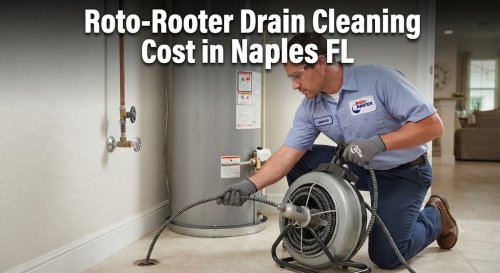
Drain snakes use flexible cables to break through and remove clogs.
Hydro Jetting Equipment
Hydro jetting uses high-pressure water to clean pipe walls and remove stubborn buildup.
Pipe Locators
These tools help locate underground plumbing lines before repairs.
Sewer Inspection Equipment
Professional inspections help determine whether sewer pipes require repair or replacement.
How Long Does Drain Cleaning Take?
The time required depends on the location and severity of the clog.
Simple clogs:
Small fixture blockages may be cleared quickly.
Moderate blockages:
Kitchen or bathroom drain problems may require additional cleaning methods.
Major sewer blockages:
Main line problems may require camera inspection, hydro jetting, or repairs.
Factors affecting repair time include:
- Location of the blockage
- Pipe condition
- Accessibility
- Required equipment
- Severity of buildup
Drain Cleaning Cost Factors
Drain cleaning costs vary depending on:
- Type of blockage
- Location of the clog
- Required equipment
- Labor involved
- Severity of the problem
- Emergency service needs
- Plumbing system condition
A professional plumber should inspect the problem and recommend the most suitable solution.
Hidden Truths Homeowners Should Know About Drain Problems
Many drain problems become expensive because they are ignored.
- A slow drain is often an early warning sign.
- Temporary fixes may not remove the actual blockage.
- Repeated clogs may indicate deeper plumbing issues.
- Chemical cleaners can damage some plumbing systems.
- Tree roots can repeatedly block sewer lines.
- Ignored backups can cause water damage.
- Sewer problems may create health concerns.
- Regular maintenance reduces emergency repairs.
Fixing a drain problem early is usually easier and less expensive than waiting for a major blockage.
15 Common Drain Mistakes Homeowners Make
1. Pouring Grease Down the Drain
Grease hardens inside pipes and creates stubborn blockages.
2. Flushing Non-Flushable Items
Items like wipes and paper products can create serious toilet and sewer problems.
3. Ignoring Slow Drains
A slow drain often becomes a complete blockage later.
4. Using Too Many Chemical Cleaners
Harsh chemicals may damage pipes.
5. Putting Food Scraps Into Sink Drains
Food particles can collect and restrict drainage.
6. Ignoring Bad Drain Odors
Odors may indicate deeper plumbing issues.
7. Skipping Drain Maintenance
Regular cleaning helps prevent major clogs.
8. Using Incorrect Drain Tools
Improper tools can damage fixtures and pipes.
9. Ignoring Multiple Clogged Drains
Several affected drains may indicate sewer problems.
10. Waiting During Sewer Backups
Delays can increase property damage.
11. Overloading Garbage Disposals
Too much waste can cause kitchen drain issues.
12. Pouring Chemicals Without Understanding the Problem
The wrong product may worsen the situation.
13. Covering Plumbing Access Points
Blocked access makes repairs harder.
14. Attempting Complex Sewer Repairs
Main line repairs require professional equipment.
15. Avoiding Professional Inspections
Regular inspections identify hidden problems early.
Drain Maintenance Tips
Follow these tips to keep drains working properly:
- Use drain strainers.
- Avoid pouring grease into sinks.
- Dispose of food waste properly.
- Clean bathroom drains regularly.
- Flush drains with hot water when appropriate.
- Avoid flushing wipes.
- Schedule professional drain cleaning when needed.
- Monitor slow drainage.
- Remove hair buildup frequently.
- Maintain garbage disposal systems.
- Check outdoor drains seasonally.
- Watch for sewer odors.
- Repair leaks quickly.
- Avoid forcing objects into drains.
- Schedule plumbing inspections for older homes.
- Prepare pipes before extreme weather.
- Keep sewer access points clear.
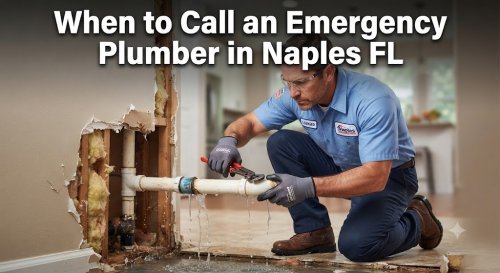
When Should You Call an Emergency Plumber?
Contact an emergency plumber when you experience:
- Sewage backup
- Overflowing toilets
- Multiple clogged drains
- Water damage from backups
- Complete drainage failure
- Strong sewer odors
- Flooding caused by blocked pipes
Emergency drain problems can create property damage and sanitation concerns if not addressed quickly.
Frequently Asked Questions About Drain Cleaning
Why is my drain draining slowly?
Slow drainage usually indicates buildup or a partial blockage inside the pipe.
Can a clogged drain damage pipes?
Yes. Severe blockages can increase pressure and contribute to plumbing damage.
Is hydro jetting safe for old pipes?
A professional plumber should inspect pipe condition before recommending hydro jetting.
How do I know if my sewer line is blocked?
Signs include multiple slow drains, sewage odors, and wastewater backups.
Can I use chemical drain cleaners?
Occasional use may help some situations, but frequent use can damage plumbing systems.
How often should drains be professionally cleaned?
The frequency depends on usage, plumbing condition, and previous problems.
Why does my kitchen sink keep clogging?
Common causes include grease, food particles, and buildup inside the drain line.
Can tree roots cause drain problems?
Yes. Tree roots can enter sewer pipes and create blockages.
Why does my bathroom drain smell bad?
Odors may come from trapped debris, bacteria buildup, or sewer issues.
Should I repair or replace damaged drain pipes?
The best option depends on pipe age, damage level, and repair costs.
Why Choose Incas Plumbing for Drain Cleaning & Clogged Drain Repair?
When dealing with drain problems, professional diagnosis is important. Incas Plumbing helps homeowners and businesses identify the cause of drainage issues and choose practical solutions.
Benefits of professional drain service include:
- Experienced plumbing professionals
- Accurate blockage diagnosis
- Professional cleaning methods
- Modern inspection equipment
- Honest repair recommendations
- Solutions designed for long-term results
Every drain problem is different, so proper inspection helps determine the right approach.