10 Common Plumbing Problems Every Homeowner Should Know
Learn the most common plumbing problems homeowners face, including causes, warning signs, repair options, and when to call Incas Plumbing.
Understanding Common Plumbing Problems Before They Become Emergencies
Your home’s plumbing system works every day to deliver clean water, remove wastewater, and support your daily activities. Because most plumbing components are hidden behind walls, floors, and ceilings, many homeowners do not notice problems until they become serious.
From a dripping faucet to a hidden pipe leak, small plumbing issues can quickly become expensive repairs if ignored. Common plumbing problems often develop because of aging pipes, corrosion, hard water, clogged drains, poor maintenance, extreme weather, or worn-out fixtures.
Understanding the common plumbing problems every homeowner should know allows you to recognize early warning signs, take safe temporary steps, and contact a professional plumber before the damage becomes severe.
Incas Plumbing helps homeowners throughout the USA handle residential plumbing issues with professional inspections, reliable repairs, and practical recommendations. Whether you are dealing with a minor inconvenience or a plumbing emergency, knowing the cause of the problem helps you make better decisions.
What Are Common Plumbing Problems?
Common plumbing problems are issues that affect your home’s water supply, drainage system, plumbing fixtures, and heating equipment.
These problems can range from simple repairs to major emergencies.
Some common examples include:
- Leaking pipes
- Clogged drains
- Running toilets
- Low water pressure
- Water heater problems
- Sewer line issues
- Burst pipes
- Faucet leaks
- Garbage disposal failures
- Slab leaks
Even problems that appear minor may have deeper causes. For example, a slow drain may not only be a blockage but could also indicate damaged pipes or a larger drainage issue.
Why Do Plumbing Problems Happen?
Plumbing problems can develop for several reasons. Understanding these causes helps homeowners prevent damage and maintain their plumbing systems.
Aging Pipes
Older plumbing systems naturally experience wear and deterioration.
Over time, pipes may develop:
- Corrosion
- Cracks
- Weak joints
- Mineral buildup
Aging pipes are more likely to leak or restrict water flow.
Hard Water
Hard water contains minerals that accumulate inside pipes and fixtures.
This buildup can cause:
- Reduced water pressure
- Faucet problems
- Showerhead blockages
- Shorter fixture lifespan
Poor Maintenance
Many plumbing emergencies happen because early warning signs are ignored.
A small leak, slow drain, or unusual noise can become a much larger problem without proper attention.
High Water Pressure
Excessive water pressure puts stress on plumbing components.
Over time, it may damage:
- Pipes
- Valves
- Fixtures
- Appliance connections
Seasonal Weather Conditions
Cold weather can freeze and crack pipes, while extreme weather can affect outdoor plumbing systems.
Tree Root Intrusion
Tree roots naturally grow toward water sources and may enter underground sewer pipes.
This can lead to:
- Drain blockages
- Sewer backups
- Pipe damage
10 Common Plumbing Problems Every Homeowner Should Know
1. Leaking Pipes
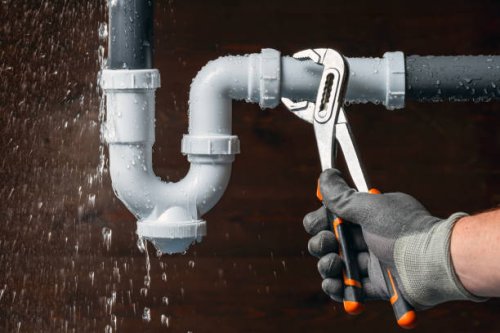
Pipe leaks are among the most common plumbing problems homeowners experience.
Why Pipe Leaks Happen
Common causes include:
- Aging pipes
- Corrosion
- Loose connections
- High water pressure
- Temperature changes
Warning Signs of Pipe Leaks
Look for:
- Water stains on ceilings or walls
- Damp areas
- Mold growth
- Musty smells
- Unexpected increases in water bills
Temporary Solution
If you notice a visible leak, turn off the water supply and use a temporary pipe repair product until professional help arrives.
Professional Repair Process
A plumber may:
- Inspect the plumbing system
- Locate the leak source
- Determine repair options
- Replace damaged sections if necessary
- Test the system
2. Clogged Drains
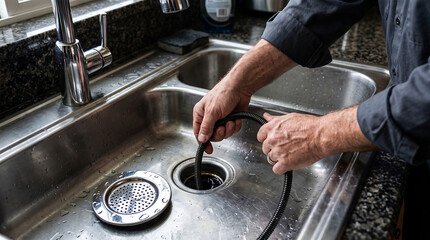
Clogged drains occur when materials build up inside pipes and restrict water flow.
Common Causes
- Hair
- Soap residue
- Grease
- Food particles
- Foreign objects
Warning Signs
- Slow draining sinks
- Standing water
- Gurgling sounds
- Bad odors
Temporary Fixes
Homeowners can try:
- Using a plunger
- Removing visible debris
- Cleaning drain strainers
Avoid excessive chemical drain cleaners because they may damage plumbing materials.
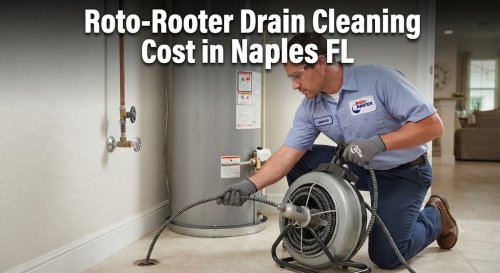
Professional Drain Cleaning
A plumber may use:
- Drain cameras
- Drain snakes
- Hydro jetting equipment
to safely remove stubborn blockages.
3. Low Water Pressure
Low water pressure affects showers, faucets, and daily household activities.
Possible Causes
- Mineral buildup
- Hidden leaks
- Pipe corrosion
- Faulty fixtures
- Water supply issues
Warning Signs
- Weak shower pressure
- Slow faucets
- Pressure changes throughout the home
A professional plumber can test the system and identify whether the problem is isolated or affects the entire property.
4. Running Toilets
A running toilet wastes water and can increase utility costs.
Common Causes
- Damaged flapper valve
- Faulty fill valve
- Incorrect water level
- Worn internal parts
Temporary Check
Inspect the toilet tank to see if parts are stuck or damaged.
Professional Repair
A plumber can replace worn components and restore proper toilet operation.
5. Water Heater Problems
Water heaters provide hot water for bathing, cleaning, and household needs.
Common Water Heater Issues
- No hot water
- Strange noises
- Leaking tank
- Temperature problems
Causes
- Sediment buildup
- Aging equipment
- Faulty components
- Lack of maintenance
Warning Signs
- Rust-colored water
- Water around the tank
- Inconsistent temperatures
Professional inspection helps determine whether repair or replacement is the better option.
6. Sewer Line Problems
Sewer line issues can create serious health and property concerns.
Common Causes
- Tree roots
- Pipe damage
- Blockages
- Aging sewer lines
Warning Signs
- Sewer odors
- Multiple slow drains
- Wastewater backups
- Gurgling toilets
Professionals often use sewer cameras to inspect underground lines accurately.
7. Faucet and Fixture Leaks
A dripping faucet may seem small but can waste significant water over time.
Causes
- Worn seals
- Damaged cartridges
- Loose connections
- Corrosion
Ignoring fixture leaks can lead to:
- Water waste
- Higher bills
- Fixture damage
8. Burst Pipes
Burst pipes are serious plumbing emergencies.
Common Causes
- Frozen pipes
- Corrosion
- High pressure
- Aging materials
Warning Signs
- Sudden flooding
- Loss of water pressure
- Water spraying from pipes
Immediate action is necessary to reduce property damage.
9. Garbage Disposal Problems
Garbage disposals can fail because of improper use or lack of maintenance.
Avoid putting:
- Grease
- Bones
- Hard objects
- Non-food materials
into the disposal.
10. Slab Leaks
Slab leaks occur when pipes underneath a home’s foundation develop leaks.
Warning Signs
- Warm spots on floors
- Damp flooring
- Increased water usage
- Sound of running water
Professional leak detection is often required because these leaks are hidden.
Signs You Should Never Ignore
Certain warning signs indicate that your plumbing system needs attention.
Water Stains
Discoloration on walls or ceilings may indicate hidden leaks.
Mold Growth
Persistent moisture can encourage mold development.
Strange Plumbing Noises
Banging, clicking, or gurgling sounds may indicate system problems.
Bad Odors
Sewer smells may indicate drainage issues.
High Water Bills
Unexpected increases may signal hidden leaks.
Discolored Water
Brown or cloudy water may indicate corrosion or sediment.
Standing Water
Pooling water should always be investigated.
Step-by-Step Professional Plumbing Repair Process
Step 1: Inspection
A plumber examines visible symptoms and system conditions.
Step 2: Diagnosis
Professional tools help locate the exact cause.
Step 3: Estimate
Repair options and recommendations are explained.
Step 4: Repair
The plumber completes necessary repairs or replacements.
Step 5: Testing
The system is checked for proper operation.
Step 6: Cleanup
The work area is cleaned after completion.
Step 7: Maintenance Advice
Homeowners receive tips to prevent future issues.
Can You Fix Plumbing Problems Yourself?
Some minor tasks are safe for homeowners:
- Using a plunger
- Cleaning faucet aerators
- Tightening small loose connections
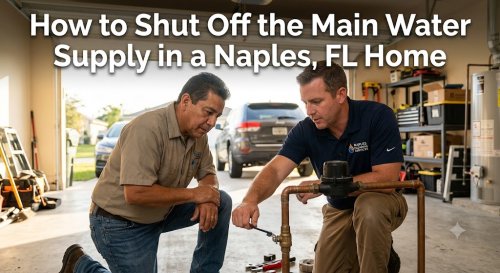
- Turning off the water supply during emergencies
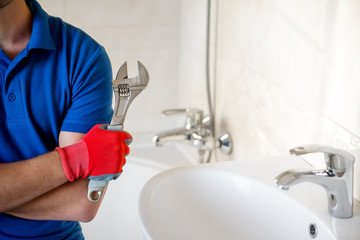
Professional help is recommended for:
- Hidden leaks
- Sewer problems
- Burst pipes
- Water heater repairs
- Major pipe replacement
Incorrect repairs may increase damage and costs.
Tools Professional Plumbers Use
Drain Cameras
Used to inspect inside pipes without unnecessary damage.
Leak Detection Equipment
Helps locate hidden leaks behind walls and underground.
Hydro Jetting
Uses high-pressure water to clean certain drain blockages.
Pipe Inspection Cameras
Identify cracks and pipe damage.
Pressure Testing Equipment
Checks system performance.
Trenchless Equipment
Allows certain underground repairs with less disruption.
How Long Do Plumbing Repairs Take?
Repair time depends on the issue.
Simple Repairs
Examples:
- Faucet repairs
- Minor clogs
Moderate Repairs
Examples:
- Pipe repairs
- Water heater component replacement
Major Repairs
Examples:
- Sewer replacement
- Extensive pipe damage
Emergency repairs may require immediate attention depending on the severity.
Plumbing Repair Cost Factors
Plumbing repair costs vary depending on:
- Severity of the problem
- Accessibility of pipes
- Materials required
- Labor requirements
- Emergency service needs
- Property type
- Local labor rates
A professional inspection provides the most accurate understanding of repair needs.
Hidden Truths Homeowners Should Know
- Small leaks often become expensive repairs.
- Temporary fixes may fail over time.
- Insurance may not cover neglected plumbing damage.
- Tree roots can repeatedly damage sewer lines.
- Hard water shortens fixture lifespan.
- DIY mistakes increase repair costs.
- Delayed repairs can damage structures.
- Hidden leaks increase water bills.
- Mold can develop quickly.
- Annual maintenance saves money.
15 Common Plumbing Mistakes Homeowners Make
- Ignoring small leaks
- Using chemical drain cleaners frequently
- Flushing wipes
- Pouring grease into drains
- Ignoring water pressure problems
- Hiring unqualified plumbers
- Skipping maintenance
- Waiting for emergencies
- Using incorrect pipe materials
- Over-tightening fittings
- Ignoring sewer odors
- Delaying water heater maintenance
- Blocking plumbing access areas
- Attempting major repairs without experience
- Ignoring unusual plumbing noises
Plumbing Maintenance Tips
- Check for leaks regularly.
- Monitor water bills.
- Protect pipes during freezing temperatures.
- Avoid flushing harmful materials.
- Clean drains properly.
- Schedule professional inspections.
- Maintain water heaters.
- Check water pressure.
- Replace worn fixtures.
- Learn your main water shutoff location.
- Address slow drains early.
- Keep plumbing records.
- Inspect exposed pipes.
- Maintain garbage disposals.
- Repair small issues quickly.
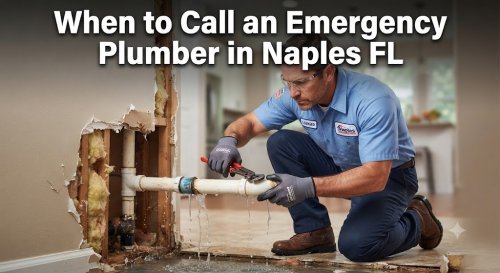
When Should You Call an Emergency Plumber?
Contact an emergency plumber for:
- Burst pipes
- Major leaks
- Sewer backups
- Flooding
- Overflowing toilets
- No running water
- Serious water damage
Quick action can help minimize repair costs and property damage.
Frequently Asked Questions
What are the most common plumbing problems?
The most common issues include leaks, clogged drains, low water pressure, running toilets, and water heater problems.
Why is my water pressure suddenly low?
Low pressure may be caused by leaks, mineral buildup, pipe damage, or supply issues.
Can clogged drains damage pipes?
Severe blockages can increase pressure and contribute to plumbing damage.
How do I know if I have a hidden leak?
Signs include high water bills, damp areas, mold, and unexplained water sounds.
What causes pipes to burst?
Frozen temperatures, corrosion, and excessive pressure are common causes.
How long do water heaters last?
Lifespan depends on maintenance, usage, and equipment condition.
Why does my faucet keep dripping?
Worn seals, cartridges, or internal components often cause dripping.
When should plumbing be replaced instead of repaired?
Replacement may be needed when pipes are severely damaged or require repeated repairs.
How often should plumbing inspections be done?
Regular inspections help identify problems early and depend on system age.
Can DIY plumbing repairs create bigger problems?
Yes. Incorrect repairs may increase damage and repair costs.