What Plumber in Raleigh Offers and Who It Fits
When you need professional intervention, working with a localized provider like Plumber in Raleigh https://plumberinraleigh.com/ makes all the difference. This service is structured to support residential and commercial property owners who value clear communication, technical competence, and repair-ready solutions.
-
Who it is a good fit for: Homeowners in older established neighborhoods dealing with aging supply lines, residents in newer developments handling fixture upgrades, and property managers needing prompt emergency interventions.
-
Who it might not suit: DIY hobbyists looking for generic parts advice or unlicensed handymen willing to cut corners on local building codes.
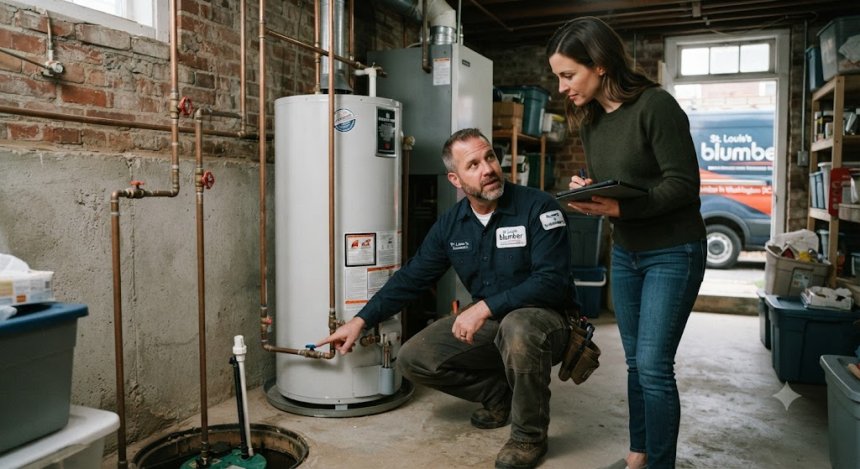
Service-by-Service Breakdown
Understanding what goes into common plumbing interventions helps demystify the repair process. Here is what you can expect from core service categories:
1. Water Heater Repair and Replacement
-
What it involves: Diagnosing electrical heating elements, gas pilot assemblies, thermostat failures, or tank sediment buildup. If the tank has ruptured, a full replacement is required.
-
When you need it: When you experience fluctuating water temperatures, strange rumbling noises from the tank, or rusty water coming out of your hot taps.
-
What a good technician checks: An experienced technician will test the anode rod, measure element resistance, verify pressure relief valve functionality, and check proper venting for gas units.
2. Drain Cleaning and Hydro Jetting
-
What it involves: Clearing localized clogs with mechanical snakes or scouring interior pipe walls entirely clean using high-pressure water streams (hydro jetting).
-
When you need it: Slow-draining tubs, gurgling toilets, or repeated backups affecting multiple fixtures in the house.
-
What a good technician checks: A professional will perform a video camera inspection to identify whether the clog is simple hair and grease buildup or a structural issue like a cracked or root-invaded sewer line.
3. Pipe Repair and Repiping
-
What it involves: Locating leaking, corroded, or burst sections of pipe and cutting them out to install durable new lines (such as PEX or copper).
-
When you need it: Unexplained spikes in your water bill, damp drywall, low water pressure, or visible corrosion on exposed lines.
-
What a good technician checks: They evaluate the overall integrity of the home's water supply grid to see if localized repairs suffice or if systemic repiping is necessary to prevent future failures.
Local Plumbing Context in Raleigh
Plumbing in the capital city comes with unique regional quirks. Raleigh features a mix of historic housing stock—some featuring older galvanized or polybutylene piping materials—alongside rapidly expanding suburban developments.
Furthermore, the area experiences distinct seasonal shifts. Rapid temperature drops during winter cold snaps can stress uninsulated or outdoor pipes, while heavy spring and summer rainfall patterns saturate the soil. This shifting ground places extra stress on underground sewer lines, frequently opening up gaps where invasive tree roots can enter. Municipal water treatment processes can also leave mineral deposits behind, accelerating wear on water heaters and plumbing fixtures over time.
What Affects Repair Cost?
Note: Plumbing repair costs vary widely based on the complexity, materials required, and accessibility of the work area. The figures below are general industry estimates.
-
Diagnostic and Service Fees: Most local providers charge a standard dispatch or diagnostic fee ranging from $75 to $200, which often rolls into the final repair price if you move forward.
-
Minor Repairs (Faucets, Toilets): Simple component replacements typically range from $150 to $350 including labor and parts.
-
Water Heater Services: Component repairs (like a thermostat or thermocouple) average $250 to $600, whereas full tank replacements range from $1,200 to $3,500+ depending on tank capacity and fuel source.
-
Sewer Line and Major Excavation: Complex underground projects can range from $1,500 to $5,000+, heavily influenced by whether trenchless technology can be utilized. Always ask Plumber in Raleigh for a transparent, upfront estimate before work begins.
Emergency Plumbing: Urgent Steps and Red Flags
Not every plumbing glitch requires a midnight service call, but true emergencies demand immediate action to limit structural property damage.
What Counts as an Emergency?
-
A completely burst supply line or active, uncontrollable flooding.
-
Main sewer line backups overflowing raw sewage into living spaces.
-
Total loss of water combined with freezing outdoor temperatures.
-
A gas-powered water heater emitting a sulfur (rotten egg) smell or showing signs of a leaking gas supply line.
Safe Homeowner Steps While Waiting for Help
-
Locate and shut off the main water valve: Every homeowner should know where this is—typically located near the water meter, crawlspace entrance, or main foundation wall.
-
Kill power to electric water heaters: Shut off the breaker to prevent the heating elements from burning out dry if the tank has drained.
-
Open outdoor hose spigots: If you are dealing with a severe supply leak, opening exterior faucets can help drain remaining pressure from the system.
-
Clear access paths: Move storage boxes, furniture, or rugs away from the affected work area so the technician can get to the problem immediately.
Questions to Ask Before Hiring Any Plumber
Before signing off on a service agreement, protect your investment by asking these core questions:
-
Are you fully licensed and insured in the state of North Carolina?
-
Do you provide written, upfront pricing before starting any physical work?
-
What type of warranty or guarantee backs your labor and installed parts?
-
Are your technicians background-checked and directly employed?
-
Do you charge extra overtime fees for after-hours or weekend emergency calls?
5–6 Practical Maintenance Tips
Preventing a plumbing disaster is much cheaper than cleaning up after one. Integrate these habits into your home maintenance routine:
-
Locate your emergency shut-off valves: Test them once a year to ensure they do not seize up from mineral buildup.
-
Flush your water heater annually: Draining sediment from the bottom of the tank extends its operational lifespan and preserves energy efficiency.
-
Watch what goes down the drain: Never pour grease, coffee grounds, or fibrous food waste down kitchen sinks, and avoid flushing non-flushable wipes (even those labeled "flushable").
-
Inspect hoses regularly: Check washing machine supply hoses and refrigerator ice-maker lines every six months for signs of bulging, cracking, or dampness.
-
Protect outdoor spigots: Disconnect garden hoses and install insulated covers before freezing winter temperatures arrive.
-
Install leak detection devices: Consider smart water monitors that alert your smartphone the second continuous or abnormal water flow is detected.
Frequently Asked Questions (FAQ)
How do I know if I have a hidden water leak behind my walls?
Look for warped baseboards, peeling paint, musty odors without an obvious source, warm spots on your floor, or a sudden, unexplained jump in your monthly water bill.
Why is my water heater making a loud popping noise?
That noise is typically caused by water boiling beneath a thick layer of mineral sediment that has settled at the bottom of the tank. Flushing the tank usually resolves the issue.
Should I repair or replace my old water heater?
As a general rule of thumb, if a unit is over 8 to 10 years old and requires a major component repair (like a leaking tank), putting that money toward a modern, efficient replacement is usually more cost-effective.
What causes frequent toilet clogs?
Frequent clogging can stem from low-flow water volume, items improperly flushed down the bowl, or a venting issue in your plumbing stack that slows down drainage.
Can I use chemical drain cleaners to fix a slow drain?
It is best to avoid harsh chemical drain cleaners. They can corrode older metal pipes and degrade rubber seals over time. Mechanical snaking or professional hydro jetting is much safer.
How often should professional drain cleaning be performed?
If your home has mature trees nearby whose roots target sewer lines, an annual or biennial camera inspection and cleaning by Plumber in Raleigh can prevent sudden midnight backups.
What makes a plumbing repair compliant with local codes?
Local codes dictate correct pipe sizing, proper slope on drain lines, backflow prevention, and approved materials. Licensed professionals ensure all work passes these municipal standards.
How fast can an emergency plumber arrive?
Response times vary based on traffic and call volume, but an established local provider likePlumber in Raleigh https://plumberinraleigh.com/ keeps crews on rotation to dispatch help promptly.