How Often Should You Schedule Plumbing Maintenance?
Learn how often professional plumbing maintenance is needed, what inspections include, benefits, warning signs, and tips to prevent costly plumbing repairs.
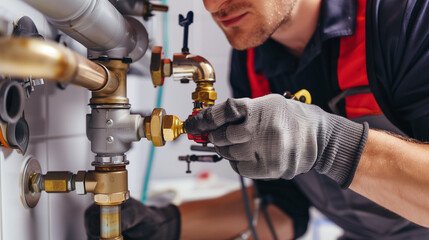
Why Regular Plumbing Maintenance Matters
Your home’s plumbing system works every day, often without receiving much attention. From delivering clean water to removing wastewater, your pipes, fixtures, drains, and appliances play an essential role in keeping your household comfortable.
However, like any other part of your home, plumbing systems require regular care. Small issues such as a slow drain, minor leak, or unusual noise may seem harmless, but they can develop into expensive repairs if ignored.
Many homeowners ask:
“How often should you schedule professional plumbing maintenance?”
For most homes, a professional plumbing inspection at least once a year is a smart preventive step. However, the ideal schedule depends on factors such as:
- Age of your plumbing system
- Water quality
- Number of occupants
- Previous plumbing problems
- Type of fixtures and appliances
At Incas Plumbing, we help homeowners identify potential plumbing issues early through professional inspections, maintenance services, and expert recommendations.
What Is Professional Plumbing Maintenance?
Professional plumbing maintenance is a routine inspection and service process designed to keep your plumbing system working properly.
Unlike emergency repairs that happen after a problem occurs, maintenance focuses on prevention.
A professional plumber checks important components, including:
- Pipes
- Drains
- Water heater
- Toilets
- Faucets
- Water pressure
- Valves
- Fixtures
- Sewer connections
The goal is to identify small problems before they become major plumbing emergencies.
How Often Should You Schedule Plumbing Maintenance?
Annual Plumbing Maintenance
For most homeowners, scheduling a professional plumbing inspection once every year is recommended.
An annual checkup helps identify:
- Small leaks
- Corrosion
- Drain problems
- Water pressure issues
- Aging components
Regular maintenance can extend the life of your plumbing system and reduce unexpected repairs.
Older Homes May Need More Frequent Inspections
Homes with older plumbing systems may require maintenance more often.
Older properties are more likely to experience:
- Pipe corrosion
- Leaks
- Low water pressure
- Outdated plumbing materials
A plumber can recommend an inspection schedule based on your home’s condition.
Homes With Hard Water
Hard water contains minerals that can build up inside pipes and fixtures.
Homes with hard water may need additional maintenance for:
- Water heaters
- Faucets
- Showerheads
- Pipes
Mineral buildup can reduce efficiency and shorten equipment lifespan.
Homes With High Water Usage
Large households or properties with heavy water usage may benefit from more frequent inspections.
Examples include:
- Large families
- Rental properties
- Homes with multiple bathrooms
What Happens During a Professional Plumbing Maintenance Visit?
A professional plumber typically performs a complete system evaluation.
Step 1: Plumbing System Inspection
The plumber checks visible plumbing components for:
- Leaks
- Damage
- Corrosion
- Wear
Step 2: Water Pressure Testing
Incorrect water pressure can damage plumbing systems.
Too much pressure can stress:
- Pipes
- Fixtures
- Appliances
Low pressure may indicate:
- Blockages
- Pipe buildup
- Supply issues
Step 3: Leak Detection
Professionals inspect for signs of hidden leaks.
They may check:
- Walls
- Cabinets
- Floors
- Pipe connections
Step 4: Drain Inspection
A plumber checks drains for:
- Slow drainage
- Blockages
- Odors
- Buildup
Step 5: Water Heater Inspection
The water heater is checked for:
- Leaks
- Sediment buildup
- Temperature issues
- Safety concerns
Step 6: Fixture Evaluation
Plumbers inspect:
- Toilets
- Faucets
- Sinks
- Shower fixtures
Step 7: Maintenance Recommendations
After inspection, homeowners receive advice about:
- Needed repairs
- Future maintenance
- Replacement options
Signs Your Home Needs Plumbing Maintenance
You should schedule professional plumbing service if you notice:
1. Slow Drains
Slow drainage may indicate:
- Partial clogs
- Pipe buildup
- Drain restrictions
2. Unusual Plumbing Noises
Sounds such as:
- Banging
- Whistling
- Gurgling
may indicate plumbing problems.
3. Higher Water Bills
An unexpected increase in water usage may point to:
- Hidden leaks
- Running toilets
- Damaged fixtures
4. Low Water Pressure
Reduced water pressure may be caused by:
- Pipe corrosion
- Mineral buildup
- Plumbing restrictions
5. Water Stains or Damp Areas
Moisture around walls, ceilings, or floors may indicate leaks.
6. Frequent Repairs
Repeated plumbing problems may mean your system needs a complete evaluation.
Benefits of Regular Plumbing Maintenance
Prevents Expensive Repairs
Early detection helps prevent major plumbing failures.
Improves Plumbing Efficiency
A maintained system operates more effectively.
Extends Fixture Lifespan
Regular care helps protect:
- Water heaters
- Toilets
- Faucets
- Pipes
Protects Your Home From Water Damage
Maintenance helps identify leaks before they cause structural problems.
Improves Water Quality
Professional inspections can identify issues affecting water appearance and performance.
Common Plumbing Problems Prevented by Maintenance
Regular inspections can help prevent:
Leaking Pipes
Small leaks can become major water damage problems.
Clogged Drains
Routine drain care reduces buildup.
Water Heater Problems
Maintenance helps improve performance and reliability.
Sewer Line Issues
Inspections can identify early warning signs.
Running Toilets
Replacing worn components prevents water waste.
Can Homeowners Perform Plumbing Maintenance Themselves?
Homeowners can complete basic maintenance tasks, including:
- Checking visible pipes
- Cleaning faucet aerators
- Monitoring water bills
- Looking for leaks
- Avoiding drain misuse
However, professional inspections are recommended because plumbers can identify issues that are not visible.
Professional maintenance is especially important for:
- Hidden leaks
- Sewer problems
- Pipe corrosion
- Water heater concerns
Professional Plumbing Tools Used During Maintenance
Experienced plumbers use specialized equipment, including:
Drain Cameras
Used to inspect drain and sewer lines.
Leak Detection Equipment
Helps locate hidden water leaks.
Pressure Testing Tools
Measures plumbing system pressure.
Thermal Imaging Cameras
Detect unusual temperature patterns caused by moisture.
Water Quality Testing Equipment
Helps evaluate potential water concerns.
How Long Does a Plumbing Maintenance Visit Take?
The time required depends on:
- Home size
- Plumbing complexity
- System age
- Number of issues discovered
A basic inspection may take less time, while older homes or properties with existing issues may require a more detailed evaluation.
Plumbing Maintenance Cost Factors
Professional plumbing maintenance costs vary depending on:
- Property size
- Inspection requirements
- Plumbing system condition
- Additional services needed
- Repairs identified during inspection
Plumbing service costs vary depending on the severity of the issue, accessibility, materials required, property type, emergency service needs, and local labor rates.
A professional plumber can provide accurate recommendations after evaluating your system.
Hidden Truths Homeowners Should Know About Plumbing Maintenance
- Small leaks rarely fix themselves.
- Preventive maintenance is usually less expensive than emergency repairs.
- Older plumbing systems require closer attention.
- Hidden leaks can increase utility bills.
- Ignoring minor problems can lead to structural damage.
- Water heaters often fail without regular maintenance.
- Drain problems usually worsen over time.
- Professional inspections provide peace of mind.
15 Common Plumbing Maintenance Mistakes Homeowners Make
- Ignoring small leaks
- Waiting until emergencies happen
- Using chemical drain cleaners frequently
- Flushing inappropriate items
- Ignoring water pressure problems
- Skipping annual inspections
- Neglecting water heaters
- Pouring grease into drains
- Delaying repairs
- Ignoring unusual plumbing noises
- Overloading garbage disposals
- Not checking exposed pipes
- Ignoring old plumbing systems
- Attempting complex repairs without experience
- Not knowing the location of shutoff valves
Plumbing Maintenance Tips for Homeowners
- Schedule annual plumbing inspections.
- Repair leaks quickly.
- Monitor monthly water bills.
- Avoid flushing harmful materials.
- Clean drains regularly.
- Check under sinks for moisture.
- Maintain water heater settings.
- Protect pipes during freezing weather.
- Monitor water pressure.
- Inspect exposed plumbing.
- Replace worn fixtures.
- Clean faucet aerators.
- Avoid harsh drain chemicals.
- Know your emergency shutoff valve.
- Keep plumbing records.
- Check toilets for leaks.
- Maintain appliances connected to water.
- Address unusual odors.
- Schedule professional drain inspections.
- Prepare plumbing before seasonal changes.
When Should You Call an Emergency Plumber?
Contact an emergency plumber immediately if you experience:
- Burst pipes
- Major water leaks
- Flooding
- Sewer backups
- No running water
- Water heater failure causing damage
Quick action can reduce property damage and repair expenses.