When Should You Replace Your Home’s Plumbing Pipes?
Learn when to replace your home’s plumbing pipes, warning signs of pipe failure, replacement options, costs, and expert plumbing advice.
Understanding When Your Home Needs New Plumbing Pipes
Your home’s plumbing system works every day to deliver clean water and remove wastewater safely. While pipes are designed to last for many years, they do not last forever. Over time, aging materials, corrosion, mineral buildup, high water pressure, and repeated repairs can weaken your plumbing system.
Many homeowners wonder:
“How do I know when it is time to replace my home’s plumbing pipes instead of repairing them?”
Replacing plumbing pipes is a major home improvement decision, but ignoring failing pipes can lead to:
- Water damage
- Mold growth
- Reduced water quality
- Frequent leaks
- Expensive emergency repairs
Understanding the warning signs of aging pipes helps homeowners make informed decisions before a small plumbing issue becomes a major problem.
Incas Plumbing provides professional pipe repair and repiping services to help homeowners evaluate the condition of their plumbing systems and choose the right solution.
What Does Plumbing Pipe Replacement Mean?
Plumbing pipe replacement, also known as whole-home repiping, involves removing old or damaged pipes and installing new plumbing lines throughout a home.
A repiping project may involve replacing:
- Water supply pipes
- Hot and cold water lines
- Corroded plumbing sections
- Aging materials
- Damaged pipe connections
The goal is to restore reliable water flow, improve plumbing performance, and reduce future repair problems.
Why Do Home Plumbing Pipes Need Replacement?
Several factors contribute to plumbing pipe failure.
1. Aging Plumbing Materials
Older homes may contain plumbing materials that naturally deteriorate over time.
Common aging pipe issues include:
- Corrosion
- Cracks
- Weak connections
- Reduced water flow
As pipes age, repairs may become more frequent.
2. Corrosion Inside Pipes
Metal pipes can corrode internally due to:
- Water chemistry
- Mineral exposure
- Age
- Poor water conditions
Internal corrosion reduces the space available for water flow and can eventually cause leaks.
3. Hard Water Mineral Buildup
Hard water contains minerals that can accumulate inside plumbing pipes.
Over time, buildup can cause:
- Lower water pressure
- Restricted flow
- Fixture problems
4. High Water Pressure
Excessive pressure places stress on plumbing systems.
Over time, it can damage:
- Pipe joints
- Connections
- Fixtures
5. Frequent Repairs
If you are constantly calling plumbers for pipe leaks or repairs, your plumbing system may be reaching the end of its useful life.
Repeated repairs may become more expensive than replacing outdated pipes.
Signs You Should Replace Your Home’s Plumbing Pipes
Knowing the warning signs can help you avoid major plumbing emergencies.
1. Frequent Pipe Leaks
One leak may be a simple repair, but repeated leaks often indicate larger problems.
Multiple leaks may suggest:
- Aging pipes
- Corrosion
- Weak plumbing materials
2. Low Water Pressure Throughout Your Home
Low water pressure may be caused by:
- Mineral buildup
- Corrosion inside pipes
- Restricted water flow
If multiple fixtures are affected, the problem may involve the main plumbing system.
3. Discolored Water
Rust-colored, brown, or cloudy water may indicate pipe corrosion.
Discolored water can occur because of:
- Aging metal pipes
- Internal rust
- Sediment buildup
A plumbing inspection can help identify the source.
4. Strange Taste or Odor in Water
Changes in water quality may indicate plumbing issues.
Possible causes include:
- Pipe deterioration
- Contamination concerns
- Aging plumbing materials
5. Visible Corrosion
Check exposed pipes in areas such as:
- Basements
- Utility rooms
- Under sinks
Signs of corrosion include:
- Rust spots
- Green discoloration
- Flaking metal
- Moisture around connections
6. Water Stains on Walls or Ceilings
Hidden pipe leaks may cause:
- Brown stains
- Peeling paint
- Damp drywall
- Mold growth
7. Noisy Pipes
Banging, rattling, or whistling sounds may indicate:
- Loose pipes
- Pressure problems
- Aging plumbing components
8. Your Home Has Very Old Plumbing
The age of your plumbing system is an important factor.
Older homes may have pipes that are more likely to experience:
- Corrosion
- Leaks
- Reduced efficiency
Common Plumbing Pipe Problems That May Require Replacement
Leaking Pipes
Small leaks can become larger failures over time.
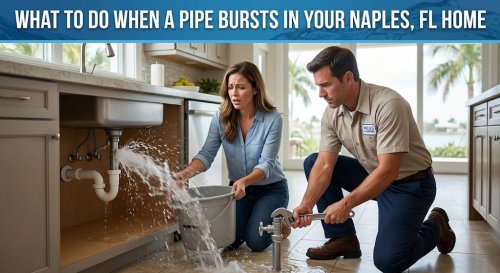
Burst Pipes
Severe pipe damage can cause flooding and property damage.
Corroded Pipes
Advanced corrosion often requires pipe replacement.
Slab Leaks
Leaks under concrete foundations may require specialized repair solutions.
Repeated Water Line Failures
Frequent water line repairs may indicate that replacement is a better long-term option.
Step-by-Step Professional Repiping Process
A professional plumber usually follows these steps:
Step 1: Plumbing Inspection
The plumber evaluates:
- Pipe condition
- Material type
- Leak history
- Water pressure
- Overall system performance
Step 2: Diagnosis and Recommendation
The plumber determines whether:
- Repairs are enough
- Partial replacement is needed
- Whole-home repiping is recommended
Step 3: Planning the Replacement
A professional plan considers:
- Home layout
- Pipe accessibility
- Required materials
- Installation process
Step 4: Removing Old Pipes
Damaged or outdated pipes are carefully removed.
Step 5: Installing New Pipes
New plumbing lines are installed according to current standards and best practices.
Step 6: Testing the System
The plumber checks:
- Water pressure
- Connections
- Leak prevention
- Proper operation
Step 7: Cleanup and Maintenance Advice
Homeowners receive guidance on maintaining the new plumbing system.
Can You Replace Plumbing Pipes Yourself?
Small plumbing repairs may be suitable for experienced homeowners, but whole-home pipe replacement is not typically a DIY project.
Professional help is recommended because repiping involves:
- Proper pipe sizing
- Water pressure management
- Building codes
- Complex connections
- Hidden plumbing areas
Incorrect installation can lead to leaks, damage, and expensive repairs.
Tools Professionals Use for Pipe Replacement
Professional plumbers use specialized equipment, including:
Pipe Inspection Cameras
Used to inspect pipe conditions internally.
Leak Detection Equipment
Helps locate hidden leaks.
Pressure Testing Tools
Checks plumbing system performance.
Pipe Cutting and Installation Tools
Used for safe and accurate replacement.
Trenchless Equipment
May reduce disruption for certain underground pipe replacement projects.
How Long Does Plumbing Pipe Replacement Take?
The timeline depends on:
- Home size
- Number of pipes replaced
- Pipe accessibility
- Installation requirements
Partial Pipe Replacement
Replacing a small section may take less time.
Whole Home Repiping
A complete repiping project requires more planning and labor.
Plumbing Pipe Replacement Cost Factors
The cost of replacing plumbing pipes varies based on:
- Size of the home
- Type of pipe material
- Number of fixtures
- Accessibility of pipes
- Labor requirements
- Required repairs
- Permit requirements
Plumbing repair and replacement costs vary depending on the severity of the problem, accessibility, materials required, property type, project size, and local labor rates.
A professional inspection provides the most accurate estimate.
Hidden Truths Homeowners Should Know About Old Pipes
- Repeated repairs can become more expensive than replacement.
- Small leaks can create major structural damage.
- Old pipes may reduce water pressure.
- Hidden leaks can increase water bills.
- Corrosion often worsens over time.
- Temporary fixes may not solve aging pipe problems.
- Preventive replacement can reduce emergency plumbing situations.
- Regular inspections help extend plumbing system life.
15 Common Mistakes Homeowners Make With Aging Pipes
- Ignoring small leaks
- Delaying plumbing inspections
- Choosing repairs repeatedly without evaluation
- Ignoring low water pressure
- Overlooking water discoloration
- Using harsh chemicals regularly
- Ignoring corrosion signs
- Hiring unqualified contractors
- Skipping maintenance
- Ignoring old plumbing materials
- Waiting until pipes burst
- Failing to monitor water bills
- Not knowing pipe age
- Covering moisture problems
- Avoiding professional recommendations
Plumbing Pipe Maintenance Tips
- Schedule regular plumbing inspections.
- Monitor water pressure.
- Check exposed pipes for corrosion.
- Repair leaks quickly.
- Watch for water stains.
- Avoid flushing harmful materials.
- Protect pipes during freezing temperatures.
- Maintain water heaters.
- Check plumbing connections.
- Monitor changes in water quality.
- Keep records of repairs.
- Know your plumbing system age.
- Avoid excessive chemical cleaners.
- Address unusual noises.
- Consider professional evaluations for older homes.
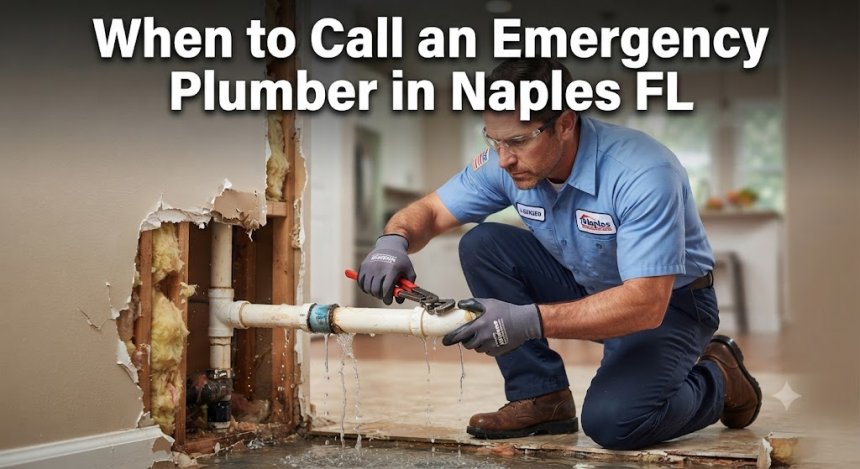
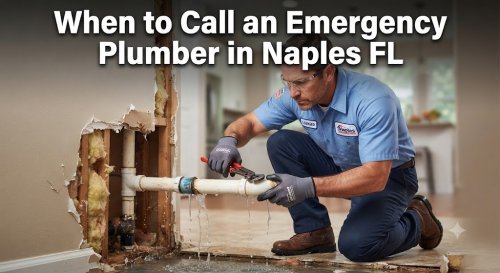
When Should You Call an Emergency Plumber?
Call an emergency plumber if you experience:
- Burst pipes
- Major water leaks
- Flooding
- Sudden loss of water
- Severe pipe damage
- Water damage spreading quickly
Fast action can reduce damage and repair costs.