Leak Detection & Pipe Leak Repair Services for Homes and Businesses
A small water leak may seem like a minor plumbing issue, but even a slow leak can cause significant damage over time. Hidden leaks inside walls, under floors, or beneath foundations can waste thousands of gallons of water, increase utility bills, and create conditions for mold growth and structural damage.
Many homeowners do not notice a leak until they see warning signs such as water stains, damp areas, unusual odors, or a sudden increase in their water bill. Early detection and professional repair can help prevent costly repairs and protect your property.
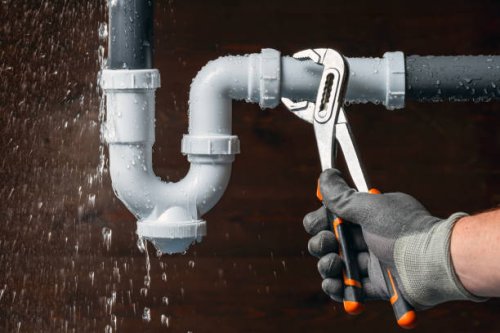
Incas Plumbing provides professional leak detection and pipe leak repair services to identify the source of plumbing leaks and recommend the right solution. Whether you have a visible pipe leak, hidden water loss, or suspected slab leak, experienced plumbing help can prevent the problem from getting worse.
This guide explains common causes of pipe leaks, warning signs, detection methods, repair options, costs, prevention tips, and when you should contact a professional plumber.
What Is Leak Detection & Pipe Leak Repair?
Leak detection is the process of locating the source of water loss within a plumbing system. Some leaks are easy to see, while others remain hidden behind walls, ceilings, floors, or underground.
Pipe leak repair involves fixing damaged plumbing components to restore proper water flow and prevent further damage.
Common types of plumbing leaks include:
- Faucet and fixture leaks
- Supply line leaks
- Drain pipe leaks
- Water heater leaks
- Slab leaks
- Underground pipe leaks
- Wall and ceiling leaks
- Sewer pipe leaks
For example, a small pinhole leak inside a wall may go unnoticed for months while slowly damaging insulation, drywall, and flooring.
Professional leak detection helps locate problems accurately before unnecessary damage occurs.
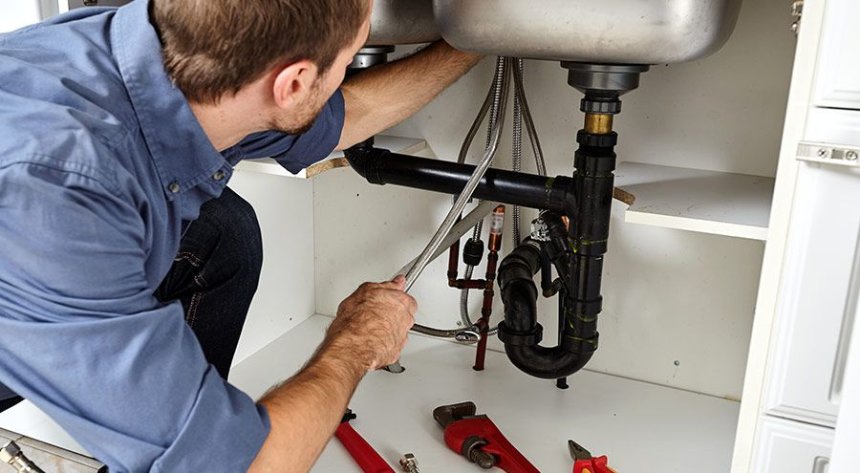
Why Do Pipe Leaks Happen?
Plumbing leaks develop for many different reasons. Understanding the causes can help homeowners prevent future problems.
Aging Pipes
Older plumbing systems naturally weaken over time. Pipes may develop cracks, corrosion, and weak areas that eventually begin leaking.
Corrosion Inside Pipes
Metal pipes can corrode due to water chemistry, minerals, and age. Corrosion reduces pipe strength and may create small leaks.
High Water Pressure
Excessive pressure places stress on plumbing connections, valves, and pipes. Over time, this pressure can cause failures.
Hard Water Mineral Buildup
Minerals from hard water can collect inside plumbing systems and contribute to corrosion and reduced pipe performance.
Poor Installation
Improperly installed pipes, loose fittings, or incorrect connections may lead to leaks.
Temperature Changes
Freezing temperatures can cause water inside pipes to expand, creating cracks or bursts.
Damaged Pipe Connections
Joints and fittings are common areas where leaks develop, especially as plumbing systems age.
Foundation Movement
Changes in soil conditions or foundation movement can place stress on underground plumbing lines.
Signs You May Have a Hidden Water Leak
Many leaks are not immediately visible. Watch for these warning signs:
Unexpected Increase in Water Bills
A sudden increase in water usage may indicate water is escaping somewhere in your plumbing system.
Water Stains on Walls or Ceilings
Brown spots, peeling paint, or discoloration may indicate a hidden leak behind surfaces.
Damp or Wet Areas
Unexplained moisture around floors, cabinets, or walls may signal leaking pipes.
Mold or Mildew Growth
Persistent moisture creates ideal conditions for mold growth.
Low Water Pressure
A leaking pipe may reduce water pressure throughout your home.
Sound of Running Water
Hearing water running when fixtures are turned off may indicate a hidden leak.
Musty Odors
Moisture trapped behind walls or under flooring can create unpleasant smells.
Warm Spots on Floors
Unexpected warm areas may indicate hot water line leaks beneath concrete slabs.
Common Pipe Leak Problems
Faucet and Fixture Leaks
Dripping faucets and leaking fixtures waste water and may indicate worn internal components.
Burst Pipes
Burst pipes can release large amounts of water and require immediate attention.
Slab Leaks
A slab leak occurs when water pipes beneath a concrete foundation develop leaks.
Signs may include:
- Warm flooring
- Cracks near foundation areas
- Increased water bills
- Damp spots
Underground Pipe Leaks
Leaks beneath driveways, yards, or foundations can be difficult to locate without professional equipment.
Water Heater Leaks
Leaks near water heaters may come from connections, valves, or tank damage.
Professional Leak Detection Process
A professional plumber uses a detailed process to identify and repair leaks.
Step 1: Initial Inspection
The plumber evaluates visible signs, water usage changes, and affected areas.
Step 2: Leak Diagnosis
Specialized equipment may be used to locate hidden leaks without unnecessary damage.
Step 3: Identify Repair Options
The plumber explains whether the leak requires repair, pipe replacement, or additional investigation.
Step 4: Complete Repairs
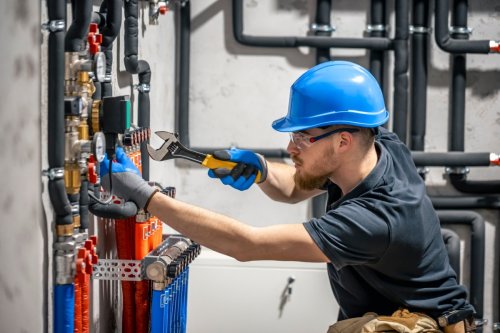
Repairs may involve replacing damaged sections, tightening connections, or repairing plumbing components.
Step 5: Test the System
The plumbing system is tested to confirm the leak has been resolved.
Step 6: Provide Prevention Advice
The plumber may recommend maintenance steps to prevent future leaks.
Can You Fix a Pipe Leak Yourself?
Some small plumbing tasks may be handled temporarily by homeowners.
You can:
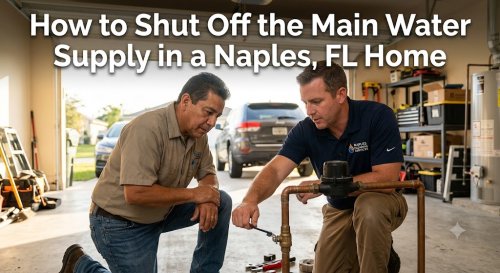
- Turn off the water supply
- Place a container under a visible leak
- Dry the area to monitor moisture
- Check accessible connections
However, professional repair is recommended for:
- Hidden leaks
- Wall leaks
- Underground leaks
- Slab leaks
- Burst pipes
- Main water line problems
Temporary fixes may reduce water loss but do not address the underlying cause.
Professional Leak Detection Tools
Experienced plumbers use specialized equipment to locate leaks accurately.
Electronic Leak Detection Equipment
These tools help identify hidden water leaks without unnecessary damage.
Infrared Technology
Thermal imaging can help identify temperature changes caused by hidden moisture.
Acoustic Detection Tools
Special listening equipment helps locate water movement inside pipes.
Pressure Testing Equipment
Pressure testing helps determine whether plumbing systems are losing water.
Camera Inspection Equipment
Pipe cameras allow professionals to inspect difficult-to-reach plumbing areas.
How Long Does Leak Repair Take?
Repair time depends on the location and severity of the leak.
Simple repairs:
Visible faucet leaks or accessible pipe repairs may be completed quickly.
Moderate repairs:
Leaks behind walls or inside cabinets may require additional work.
Major repairs:
Slab leaks, underground leaks, or extensive pipe damage may require more time.
Factors affecting repair time include:
- Leak location
- Accessibility
- Pipe condition
- Required materials
- Repair method
- Property layout
Leak Detection and Pipe Repair Cost Factors
Plumbing repair costs vary depending on:
- Leak location
- Severity of damage
- Accessibility of pipes
- Required equipment
- Labor involved
- Replacement materials
- Emergency service requirements
- Type of plumbing system
A professional inspection is necessary to determine the exact repair approach.
Hidden Truths Homeowners Should Know About Plumbing Leaks
Many homeowners underestimate the damage caused by leaks.
- Small leaks can create expensive water damage.
- Hidden leaks may increase monthly water bills.
- Mold can develop quickly in damp areas.
- Ignored leaks can damage flooring and walls.
- Temporary repairs may fail if the cause is not fixed.
- Insurance coverage may depend on the cause and maintenance history.
- Old pipes are more likely to experience repeated leaks.
- Early detection usually reduces repair costs.
Addressing leaks quickly can protect your property and plumbing system.
15 Common Mistakes Homeowners Make With Plumbing Leaks
1. Ignoring Small Drips
Small leaks often become larger problems.
2. Delaying Repairs
Waiting allows water damage to spread.
3. Covering Water Stains Without Finding the Cause
Painting over stains does not fix hidden leaks.
4. Using Temporary Fixes Long-Term
Temporary solutions are not permanent repairs.
5. Ignoring High Water Bills
Unexpected increases may indicate hidden leaks.
6. Attempting Complex Repairs
Incorrect repairs can increase damage.
7. Using Wrong Pipe Materials
Improper materials may cause future failures.
8. Ignoring Low Water Pressure
Pressure changes may indicate leaks.
9. Skipping Plumbing Inspections
Regular checks help identify problems early.
10. Ignoring Mold Growth
Mold may indicate ongoing moisture problems.
11. Not Knowing Shutoff Valve Locations
Quick shutoff can reduce damage.
12. Over-Tightening Connections
Excess pressure can damage fittings.
13. Ignoring Outdoor Leaks
Underground leaks can damage landscaping and foundations.
14. Waiting After Frozen Pipes
Frozen pipes can crack after temperatures rise.
15. Choosing Unqualified Repair Services
Poor repairs may create repeated problems.
Leak Prevention and Maintenance Tips
Follow these tips to reduce plumbing leak risks:
- Inspect visible pipes regularly.
- Repair dripping faucets quickly.
- Monitor water bills.
- Know your main water shutoff location.
- Protect pipes during freezing weather.
- Maintain proper water pressure.
- Schedule plumbing inspections.
- Check under sinks for moisture.
- Avoid harsh chemical drain cleaners.
- Replace old plumbing components when needed.
- Inspect water heater connections.
- Address slow drains early.
- Watch for mold or mildew.
- Keep plumbing areas accessible.
- Maintain water treatment systems if needed.
- Check outdoor plumbing seasonally.
- Repair minor issues before emergencies occur.
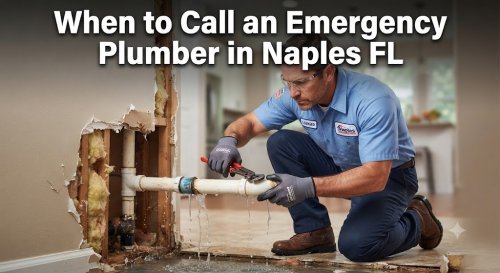
When Should You Call an Emergency Plumber for a Leak?
Call a professional plumber immediately if you experience:
- Burst pipes
- Large water leaks
- Flooding
- Water damage near electrical systems
- Major slab leaks
- No ability to shut off water
- Rapidly increasing water loss
Quick action can help reduce property damage and prevent expensive restoration work.
Frequently Asked Questions About Leak Detection & Pipe Repair
How do plumbers find hidden water leaks?
Professionals use inspection methods and specialized equipment to locate leaks behind walls, floors, and underground.
Can a small pipe leak cause major damage?
Yes. Even small leaks can damage structures and increase water costs over time.
How do I know if I have a slab leak?
Common signs include warm floors, damp areas, water bills increasing, and foundation-related moisture.
Can water leaks increase my utility bills?
Yes. Hidden leaks can waste significant amounts of water.
Should I repair or replace leaking pipes?
The decision depends on pipe age, damage level, and repair costs.
Are hidden leaks dangerous?
Hidden leaks can contribute to mold growth, structural damage, and higher water expenses.
How much does leak detection cost?
Costs vary depending on the complexity of the plumbing system and equipment required.
Can I repair a leaking pipe temporarily?
Temporary solutions may reduce water loss, but professional repair is recommended for lasting results.
Why does my water pressure keep changing?
Pressure changes may be caused by leaks, plumbing restrictions, or supply issues.
How often should plumbing systems be inspected?
Inspection frequency depends on pipe age, property condition, and previous plumbing problems.
Why Choose Incas Plumbing for Leak Detection & Pipe Leak Repair?
Finding and repairing leaks requires accurate diagnosis and professional experience.
Incas Plumbing helps homeowners and businesses identify plumbing leaks and choose practical repair solutions.
Professional leak services provide:
- Experienced plumbing knowledge
- Accurate leak detection
- Modern inspection equipment
- Honest recommendations
- Quality repair solutions
- Preventive maintenance advice
Every plumbing leak is different, so a proper inspection is the best way to determine the right solution.