Water Heater Repair & Installation Services for Reliable Hot Water
Hot water is something most homeowners depend on every day. From morning showers and washing dishes to cleaning and business operations, a properly working water heater plays an important role in daily comfort and convenience.
When a water heater stops working, starts leaking, produces unusual noises, or fails to provide enough hot water, it can quickly become a frustrating problem. Delaying repairs may lead to water damage, higher energy bills, or complete system failure.
Incas Plumbing provides professional water heater repair and installation services to help homeowners and businesses restore reliable hot water. Whether your existing unit needs troubleshooting, maintenance, repair, or complete replacement, professional plumbing assistance can help determine the safest and most cost-effective solution.
This guide explains common water heater problems, warning signs, repair options, installation processes, costs, maintenance tips, and when it is time to call a qualified plumber.
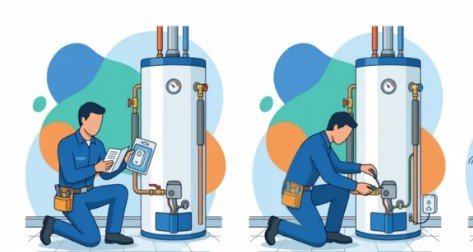
What Are Water Heater Repair & Installation Services?
Water heater repair and installation services include professional inspection, maintenance, repair, replacement, and setup of residential and commercial water heating systems.
A water heater is responsible for heating and storing water or providing instant hot water when needed. Over time, components inside the system can wear out due to age, mineral buildup, corrosion, improper settings, or lack of maintenance.
Professional water heater services may include:
- Traditional tank water heater repair
- Tankless water heater installation
- Water heater replacement
- Leak detection
- Thermostat repair
- Heating element replacement
- Pressure relief valve repair
- Gas water heater troubleshooting
- Electric water heater repair
- Water heater maintenance
A properly installed and maintained water heater can provide better performance, improve efficiency, and reduce unexpected breakdowns.
Why Do Water Heater Problems Happen?
Water heater failures usually develop because of normal wear and tear or problems within the plumbing system.
Aging Water Heater Components
Most water heaters contain parts that eventually wear out, including heating elements, thermostats, valves, and internal tanks.
Older units are more likely to experience leaks, reduced efficiency, and inconsistent water temperatures.
Sediment and Mineral Buildup
Hard water contains minerals that settle at the bottom of water heater tanks. Over time, sediment buildup can reduce heating efficiency and create popping or rumbling noises.
Corrosion Inside the Tank
Traditional water heaters have metal tanks that can corrode over many years. Once corrosion affects the tank, replacement is often necessary.
Faulty Heating Elements
Electric water heaters rely on heating elements to warm water. If these components fail, the system may produce little or no hot water.
Thermostat Problems
A damaged thermostat may cause incorrect water temperatures or inconsistent heating.
High Water Pressure
Excessive water pressure can place stress on water heater components and shorten system lifespan.
Poor Installation
Incorrect installation can lead to performance issues, safety concerns, and premature equipment failure.
Lack of Maintenance
Without regular maintenance, sediment buildup and worn components can reduce efficiency and increase repair needs.
Signs Your Water Heater Needs Repair
Recognizing early warning signs can help prevent major problems.
No Hot Water
A complete lack of hot water may indicate:
- Failed heating elements
- Thermostat problems
- Gas supply issues
- Electrical problems
- Internal component failure
Water Heater Leaking
Leaks should never be ignored. A leaking water heater may cause flooding, structural damage, and mold problems.
Strange Noises
Popping, banging, or rumbling sounds often indicate sediment buildup inside the tank.
Water Takes Too Long to Heat
Slow heating may indicate reduced efficiency or failing components.
Rust-Colored Water
Discolored hot water may suggest corrosion inside the tank or plumbing connections.
Inconsistent Water Temperature
Fluctuating temperatures may point to thermostat or heating problems.
Higher Energy Bills
An inefficient water heater may require more energy to provide the same amount of hot water.
Common Water Heater Problems
Water Heater Leaks
Leaks may occur from:
- Tank corrosion
- Loose connections
- Faulty valves
- Damaged fittings
A professional inspection can determine whether repair or replacement is needed.
Broken Heating Elements
Electric units depend on heating elements. A failed element may require replacement.
Faulty Pressure Relief Valve
This safety component releases excess pressure. A malfunctioning valve should be inspected by a professional.
Pilot Light Problems
Gas water heaters may lose hot water production due to pilot light or gas supply issues.
Sediment Buildup
Regular flushing helps reduce mineral accumulation and improve performance.
Incorrect Water Temperature
A professional plumber can inspect thermostat settings and system components to restore proper operation.
Professional Water Heater Repair Process
A qualified plumber usually follows these steps:
Step 1: Complete Inspection
The technician checks the water heater condition, connections, components, and safety features.
Step 2: Identify the Problem
Professional diagnosis helps determine whether the issue involves electrical components, gas supply, plumbing connections, or internal damage.
Step 3: Explain Repair Options
The plumber explains available solutions and whether repair or replacement makes more sense.
Step 4: Perform Repairs
Repairs may include replacing damaged parts, fixing connections, cleaning components, or adjusting settings.
Step 5: Test the System
After repairs, the water heater is tested to confirm proper operation.
Step 6: Provide Maintenance Advice
A professional may recommend maintenance steps to improve performance and extend equipment life.
Water Heater Installation Process
Installing a new water heater requires proper sizing, connections, and safety checks.
Step 1: Evaluate Hot Water Needs
The plumber considers household size, water usage, energy preferences, and available space.
Step 2: Recommend the Right System
Options may include:
- Traditional tank water heaters
- Tankless water heaters
- Energy-efficient models
Step 3: Remove Old Equipment
Old units are safely disconnected and removed when replacement is needed.
Step 4: Install New Water Heater
The plumber connects water lines, electrical systems, gas connections, and safety components according to requirements.
Step 5: Test Performance
The system is checked for leaks, proper temperature, and safe operation.
Can You Repair a Water Heater Yourself?
Some basic maintenance tasks may be safe for homeowners, such as:
- Checking thermostat settings
- Checking for visible leaks
- Keeping the area around the unit clear
However, water heater repairs often involve electricity, gas connections, high temperatures, and pressure systems.
Professional help is recommended for:
- Gas water heater repairs
- Electrical problems
- Tank leaks
- Pressure valve issues
- Replacement installation
Attempting complex repairs without experience can create safety risks and increase repair costs.
Tools Professionals Use for Water Heater Services
Professional plumbers use specialized equipment to diagnose and repair water heater issues.
Leak Detection Tools
Help locate water leaks and identify damaged connections.
Pressure Testing Equipment
Used to check system pressure and identify problems.
Electrical Testing Equipment
Helps diagnose electric water heater component failures.
Inspection Tools
Allow technicians to examine internal and external system conditions.
Professional Installation Equipment
Ensures proper connections, safe operation, and accurate setup.
How Long Does Water Heater Repair or Installation Take?
The timeline depends on the problem and equipment type.
Simple repairs:
Thermostat adjustments, valve replacements, or minor component repairs may take less time.
Moderate repairs:
Heating element replacement or troubleshooting may require additional inspection.
Water heater replacement:
Installation time depends on accessibility, system type, and required modifications.
Factors affecting repair time include:
- Equipment location
- Required parts
- Plumbing modifications
- Safety requirements
- Type of water heater
Water Heater Repair and Installation Cost Factors
Water heater costs vary depending on several factors, including:
- Type and size of water heater
- Repair complexity
- Replacement requirements
- Labor costs
- Parts needed
- Accessibility
- Installation modifications
- Local service rates
A professional plumber should inspect the system and provide recommendations based on your specific situation.
Hidden Truths Homeowners Should Know About Water Heaters
Many homeowners overlook important water heater facts:
- Small leaks can become major water damage problems.
- Older units often become less efficient over time.
- Regular maintenance can extend equipment lifespan.
- Sediment buildup reduces heating efficiency.
- Ignoring unusual noises may lead to larger failures.
- Improper DIY repairs can create safety risks.
- Replacing an outdated unit may improve energy efficiency.
- A leaking tank usually requires replacement instead of repair.
15 Common Water Heater Mistakes Homeowners Make
- Ignoring small leaks
- Skipping annual maintenance
- Setting water temperature too high
- Allowing sediment buildup
- Blocking access around the unit
- Ignoring unusual noises
- Attempting unsafe DIY repairs
- Choosing the wrong size water heater
- Delaying replacement of old units
- Ignoring pressure valve issues
- Installing without professional guidance
- Neglecting hard water problems
- Failing to inspect connections
- Overlooking energy efficiency
- Not scheduling regular inspections
Water Heater Maintenance Tips
To keep your system working efficiently:
- Flush the tank when recommended.
- Check for leaks regularly.
- Keep the area around the heater clear.
- Inspect connections periodically.
- Monitor unusual noises.
- Maintain proper temperature settings.
- Schedule professional inspections.
- Check pressure relief valves.
- Address small issues early.
- Protect pipes during freezing weather.
- Consider water treatment for hard water.
- Replace aging units before failure.
- Insulate exposed hot water pipes.
- Monitor energy bills.
- Follow manufacturer maintenance guidelines.
When Should You Call a Water Heater Professional?
Contact a professional plumber when you notice:
- No hot water
- Water heater leaks
- Gas smell near the unit
- Electrical issues
- Rust-colored water
- Strange noises
- Frequent breakdowns
- Water damage around the heater
Quick professional attention can help prevent further damage and restore reliable hot water.
Hot water is something most homeowners depend on every day. From morning showers and washing dishes to cleaning and business operations, a properly working water heater plays an important role in daily comfort and convenience.
When a water heater stops working, starts leaking, produces unusual noises, or fails to provide enough hot water, it can quickly become a frustrating problem. Delaying repairs may lead to water damage, higher energy bills, or complete system failure.
Incas Plumbing provides professional water heater repair and installation services to help homeowners and businesses restore reliable hot water. Whether your existing unit needs troubleshooting, maintenance, repair, or complete replacement, professional plumbing assistance can help determine the safest and most cost-effective solution.
This guide explains common water heater problems, warning signs, repair options, installation processes, costs, maintenance tips, and when it is time to call a qualified plumber.
What Are Water Heater Repair & Installation Services?
Water heater repair and installation services include professional inspection, maintenance, repair, replacement, and setup of residential and commercial water heating systems.
A water heater is responsible for heating and storing water or providing instant hot water when needed. Over time, components inside the system can wear out due to age, mineral buildup, corrosion, improper settings, or lack of maintenance.
Professional water heater services may include:
- Traditional tank water heater repair
- Tankless water heater installation
- Water heater replacement
- Leak detection
- Thermostat repair
- Heating element replacement
- Pressure relief valve repair
- Gas water heater troubleshooting
- Electric water heater repair
- Water heater maintenance
A properly installed and maintained water heater can provide better performance, improve efficiency, and reduce unexpected breakdowns.
Why Do Water Heater Problems Happen?
Water heater failures usually develop because of normal wear and tear or problems within the plumbing system.
Aging Water Heater Components
Most water heaters contain parts that eventually wear out, including heating elements, thermostats, valves, and internal tanks.
Older units are more likely to experience leaks, reduced efficiency, and inconsistent water temperatures.
Sediment and Mineral Buildup
Hard water contains minerals that settle at the bottom of water heater tanks. Over time, sediment buildup can reduce heating efficiency and create popping or rumbling noises.
Corrosion Inside the Tank
Traditional water heaters have metal tanks that can corrode over many years. Once corrosion affects the tank, replacement is often necessary.
Faulty Heating Elements
Electric water heaters rely on heating elements to warm water. If these components fail, the system may produce little or no hot water.
Thermostat Problems
A damaged thermostat may cause incorrect water temperatures or inconsistent heating.
High Water Pressure
Excessive water pressure can place stress on water heater components and shorten system lifespan.
Poor Installation
Incorrect installation can lead to performance issues, safety concerns, and premature equipment failure.
Lack of Maintenance
Without regular maintenance, sediment buildup and worn components can reduce efficiency and increase repair needs.
Signs Your Water Heater Needs Repair
Recognizing early warning signs can help prevent major problems.
No Hot Water
A complete lack of hot water may indicate:
- Failed heating elements
- Thermostat problems
- Gas supply issues
- Electrical problems
- Internal component failure
Water Heater Leaking
Leaks should never be ignored. A leaking water heater may cause flooding, structural damage, and mold problems.
Strange Noises
Popping, banging, or rumbling sounds often indicate sediment buildup inside the tank.
Water Takes Too Long to Heat
Slow heating may indicate reduced efficiency or failing components.
Rust-Colored Water
Discolored hot water may suggest corrosion inside the tank or plumbing connections.
Inconsistent Water Temperature
Fluctuating temperatures may point to thermostat or heating problems.
Higher Energy Bills
An inefficient water heater may require more energy to provide the same amount of hot water.
Common Water Heater Problems
Water Heater Leaks
Leaks may occur from:
- Tank corrosion
- Loose connections
- Faulty valves
- Damaged fittings
A professional inspection can determine whether repair or replacement is needed.
Broken Heating Elements
Electric units depend on heating elements. A failed element may require replacement.
Faulty Pressure Relief Valve
This safety component releases excess pressure. A malfunctioning valve should be inspected by a professional.
Pilot Light Problems
Gas water heaters may lose hot water production due to pilot light or gas supply issues.
Sediment Buildup
Regular flushing helps reduce mineral accumulation and improve performance.
Incorrect Water Temperature
A professional plumber can inspect thermostat settings and system components to restore proper operation.
Professional Water Heater Repair Process
A qualified plumber usually follows these steps:
Step 1: Complete Inspection
The technician checks the water heater condition, connections, components, and safety features.
Step 2: Identify the Problem
Professional diagnosis helps determine whether the issue involves electrical components, gas supply, plumbing connections, or internal damage.
Step 3: Explain Repair Options
The plumber explains available solutions and whether repair or replacement makes more sense.
Step 4: Perform Repairs
Repairs may include replacing damaged parts, fixing connections, cleaning components, or adjusting settings.
Step 5: Test the System
After repairs, the water heater is tested to confirm proper operation.
Step 6: Provide Maintenance Advice
A professional may recommend maintenance steps to improve performance and extend equipment life.
Water Heater Installation Process
Installing a new water heater requires proper sizing, connections, and safety checks.
Step 1: Evaluate Hot Water Needs
The plumber considers household size, water usage, energy preferences, and available space.
Step 2: Recommend the Right System
Options may include:
- Traditional tank water heaters
- Tankless water heaters
- Energy-efficient models
Step 3: Remove Old Equipment
Old units are safely disconnected and removed when replacement is needed.
Step 4: Install New Water Heater
The plumber connects water lines, electrical systems, gas connections, and safety components according to requirements.
Step 5: Test Performance
The system is checked for leaks, proper temperature, and safe operation.
Can You Repair a Water Heater Yourself?
Some basic maintenance tasks may be safe for homeowners, such as:
- Checking thermostat settings
- Checking for visible leaks
- Keeping the area around the unit clear
However, water heater repairs often involve electricity, gas connections, high temperatures, and pressure systems.
Professional help is recommended for:
- Gas water heater repairs
- Electrical problems
- Tank leaks
- Pressure valve issues
- Replacement installation
Attempting complex repairs without experience can create safety risks and increase repair costs.
Tools Professionals Use for Water Heater Services
Professional plumbers use specialized equipment to diagnose and repair water heater issues.
Leak Detection Tools
Help locate water leaks and identify damaged connections.
Pressure Testing Equipment
Used to check system pressure and identify problems.
Electrical Testing Equipment
Helps diagnose electric water heater component failures.
Inspection Tools
Allow technicians to examine internal and external system conditions.
Professional Installation Equipment
Ensures proper connections, safe operation, and accurate setup.
How Long Does Water Heater Repair or Installation Take?
The timeline depends on the problem and equipment type.
Simple repairs:
Thermostat adjustments, valve replacements, or minor component repairs may take less time.
Moderate repairs:
Heating element replacement or troubleshooting may require additional inspection.
Water heater replacement:
Installation time depends on accessibility, system type, and required modifications.
Factors affecting repair time include:
- Equipment location
- Required parts
- Plumbing modifications
- Safety requirements
- Type of water heater
Water Heater Repair and Installation Cost Factors
Water heater costs vary depending on several factors, including:
- Type and size of water heater
- Repair complexity
- Replacement requirements
- Labor costs
- Parts needed
- Accessibility
- Installation modifications
- Local service rates
A professional plumber should inspect the system and provide recommendations based on your specific situation.
Hidden Truths Homeowners Should Know About Water Heaters
Many homeowners overlook important water heater facts:
- Small leaks can become major water damage problems.
- Older units often become less efficient over time.
- Regular maintenance can extend equipment lifespan.
- Sediment buildup reduces heating efficiency.
- Ignoring unusual noises may lead to larger failures.
- Improper DIY repairs can create safety risks.
- Replacing an outdated unit may improve energy efficiency.
- A leaking tank usually requires replacement instead of repair.
15 Common Water Heater Mistakes Homeowners Make
- Ignoring small leaks
- Skipping annual maintenance
- Setting water temperature too high
- Allowing sediment buildup
- Blocking access around the unit
- Ignoring unusual noises
- Attempting unsafe DIY repairs
- Choosing the wrong size water heater
- Delaying replacement of old units
- Ignoring pressure valve issues
- Installing without professional guidance
- Neglecting hard water problems
- Failing to inspect connections
- Overlooking energy efficiency
- Not scheduling regular inspections
Water Heater Maintenance Tips
To keep your system working efficiently:
- Flush the tank when recommended.
- Check for leaks regularly.
- Keep the area around the heater clear.
- Inspect connections periodically.
- Monitor unusual noises.
- Maintain proper temperature settings.
- Schedule professional inspections.
- Check pressure relief valves.
- Address small issues early.
- Protect pipes during freezing weather.
- Consider water treatment for hard water.
- Replace aging units before failure.
- Insulate exposed hot water pipes.
- Monitor energy bills.
- Follow manufacturer maintenance guidelines.
When Should You Call a Water Heater Professional?
Contact a professional plumber when you notice:
- No hot water
- Water heater leaks
- Gas smell near the unit
- Electrical issues
- Rust-colored water
- Strange noises
- Frequent breakdowns
- Water damage around the heater
Quick professional attention can help prevent further damage and restore reliable hot water.
Hot water is something most homeowners depend on every day. From morning showers and washing dishes to cleaning and business operations, a properly working water heater plays an important role in daily comfort and convenience.
When a water heater stops working, starts leaking, produces unusual noises, or fails to provide enough hot water, it can quickly become a frustrating problem. Delaying repairs may lead to water damage, higher energy bills, or complete system failure.
Incas Plumbing provides professional water heater repair and installation services to help homeowners and businesses restore reliable hot water. Whether your existing unit needs troubleshooting, maintenance, repair, or complete replacement, professional plumbing assistance can help determine the safest and most cost-effective solution.
This guide explains common water heater problems, warning signs, repair options, installation processes, costs, maintenance tips, and when it is time to call a qualified plumber.
What Are Water Heater Repair & Installation Services?
Water heater repair and installation services include professional inspection, maintenance, repair, replacement, and setup of residential and commercial water heating systems.
A water heater is responsible for heating and storing water or providing instant hot water when needed. Over time, components inside the system can wear out due to age, mineral buildup, corrosion, improper settings, or lack of maintenance.
Professional water heater services may include:
- Traditional tank water heater repair
- Tankless water heater installation
- Water heater replacement
- Leak detection
- Thermostat repair
- Heating element replacement
- Pressure relief valve repair
- Gas water heater troubleshooting
- Electric water heater repair
- Water heater maintenance
A properly installed and maintained water heater can provide better performance, improve efficiency, and reduce unexpected breakdowns.
Why Do Water Heater Problems Happen?
Water heater failures usually develop because of normal wear and tear or problems within the plumbing system.
Aging Water Heater Components
Most water heaters contain parts that eventually wear out, including heating elements, thermostats, valves, and internal tanks.
Older units are more likely to experience leaks, reduced efficiency, and inconsistent water temperatures.
Sediment and Mineral Buildup
Hard water contains minerals that settle at the bottom of water heater tanks. Over time, sediment buildup can reduce heating efficiency and create popping or rumbling noises.
Corrosion Inside the Tank
Traditional water heaters have metal tanks that can corrode over many years. Once corrosion affects the tank, replacement is often necessary.
Faulty Heating Elements
Electric water heaters rely on heating elements to warm water. If these components fail, the system may produce little or no hot water.
Thermostat Problems
A damaged thermostat may cause incorrect water temperatures or inconsistent heating.
High Water Pressure
Excessive water pressure can place stress on water heater components and shorten system lifespan.
Poor Installation
Incorrect installation can lead to performance issues, safety concerns, and premature equipment failure.
Lack of Maintenance
Without regular maintenance, sediment buildup and worn components can reduce efficiency and increase repair needs.
Signs Your Water Heater Needs Repair
Recognizing early warning signs can help prevent major problems.
No Hot Water
A complete lack of hot water may indicate:
- Failed heating elements
- Thermostat problems
- Gas supply issues
- Electrical problems
- Internal component failure
Water Heater Leaking
Leaks should never be ignored. A leaking water heater may cause flooding, structural damage, and mold problems.
Strange Noises
Popping, banging, or rumbling sounds often indicate sediment buildup inside the tank.
Water Takes Too Long to Heat
Slow heating may indicate reduced efficiency or failing components.
Rust-Colored Water
Discolored hot water may suggest corrosion inside the tank or plumbing connections.
Inconsistent Water Temperature
Fluctuating temperatures may point to thermostat or heating problems.
Higher Energy Bills
An inefficient water heater may require more energy to provide the same amount of hot water.
Common Water Heater Problems
Water Heater Leaks
Leaks may occur from:
- Tank corrosion
- Loose connections
- Faulty valves
- Damaged fittings
A professional inspection can determine whether repair or replacement is needed.
Broken Heating Elements
Electric units depend on heating elements. A failed element may require replacement.
Faulty Pressure Relief Valve
This safety component releases excess pressure. A malfunctioning valve should be inspected by a professional.
Pilot Light Problems
Gas water heaters may lose hot water production due to pilot light or gas supply issues.
Sediment Buildup
Regular flushing helps reduce mineral accumulation and improve performance.
Incorrect Water Temperature
A professional plumber can inspect thermostat settings and system components to restore proper operation.
Professional Water Heater Repair Process
A qualified plumber usually follows these steps:
Step 1: Complete Inspection
The technician checks the water heater condition, connections, components, and safety features.
Step 2: Identify the Problem
Professional diagnosis helps determine whether the issue involves electrical components, gas supply, plumbing connections, or internal damage.
Step 3: Explain Repair Options
The plumber explains available solutions and whether repair or replacement makes more sense.
Step 4: Perform Repairs
Repairs may include replacing damaged parts, fixing connections, cleaning components, or adjusting settings.
Step 5: Test the System
After repairs, the water heater is tested to confirm proper operation.
Step 6: Provide Maintenance Advice
A professional may recommend maintenance steps to improve performance and extend equipment life.
Water Heater Installation Process
Installing a new water heater requires proper sizing, connections, and safety checks.
Step 1: Evaluate Hot Water Needs
The plumber considers household size, water usage, energy preferences, and available space.
Step 2: Recommend the Right System
Options may include:
- Traditional tank water heaters
- Tankless water heaters
- Energy-efficient models
Step 3: Remove Old Equipment
Old units are safely disconnected and removed when replacement is needed.
Step 4: Install New Water Heater
The plumber connects water lines, electrical systems, gas connections, and safety components according to requirements.
Step 5: Test Performance
The system is checked for leaks, proper temperature, and safe operation.
Can You Repair a Water Heater Yourself?
Some basic maintenance tasks may be safe for homeowners, such as:
- Checking thermostat settings
- Checking for visible leaks
- Keeping the area around the unit clear
However, water heater repairs often involve electricity, gas connections, high temperatures, and pressure systems.
Professional help is recommended for:
- Gas water heater repairs
- Electrical problems
- Tank leaks
- Pressure valve issues
- Replacement installation
Attempting complex repairs without experience can create safety risks and increase repair costs.
Tools Professionals Use for Water Heater Services
Professional plumbers use specialized equipment to diagnose and repair water heater issues.
Leak Detection Tools
Help locate water leaks and identify damaged connections.
Pressure Testing Equipment
Used to check system pressure and identify problems.
Electrical Testing Equipment
Helps diagnose electric water heater component failures.
Inspection Tools
Allow technicians to examine internal and external system conditions.
Professional Installation Equipment
Ensures proper connections, safe operation, and accurate setup.
How Long Does Water Heater Repair or Installation Take?
The timeline depends on the problem and equipment type.
Simple repairs:
Thermostat adjustments, valve replacements, or minor component repairs may take less time.
Moderate repairs:
Heating element replacement or troubleshooting may require additional inspection.
Water heater replacement:
Installation time depends on accessibility, system type, and required modifications.
Factors affecting repair time include:
- Equipment location
- Required parts
- Plumbing modifications
- Safety requirements
- Type of water heater
Water Heater Repair and Installation Cost Factors
Water heater costs vary depending on several factors, including:
- Type and size of water heater
- Repair complexity
- Replacement requirements
- Labor costs
- Parts needed
- Accessibility
- Installation modifications
- Local service rates
A professional plumber should inspect the system and provide recommendations based on your specific situation.
Hidden Truths Homeowners Should Know About Water Heaters
Many homeowners overlook important water heater facts:
- Small leaks can become major water damage problems.
- Older units often become less efficient over time.
- Regular maintenance can extend equipment lifespan.
- Sediment buildup reduces heating efficiency.
- Ignoring unusual noises may lead to larger failures.
- Improper DIY repairs can create safety risks.
- Replacing an outdated unit may improve energy efficiency.
- A leaking tank usually requires replacement instead of repair.
15 Common Water Heater Mistakes Homeowners Make
- Ignoring small leaks
- Skipping annual maintenance
- Setting water temperature too high
- Allowing sediment buildup
- Blocking access around the unit
- Ignoring unusual noises
- Attempting unsafe DIY repairs
- Choosing the wrong size water heater
- Delaying replacement of old units
- Ignoring pressure valve issues
- Installing without professional guidance
- Neglecting hard water problems
- Failing to inspect connections
- Overlooking energy efficiency
- Not scheduling regular inspections
Water Heater Maintenance Tips
To keep your system working efficiently:
- Flush the tank when recommended.
- Check for leaks regularly.
- Keep the area around the heater clear.
- Inspect connections periodically.
- Monitor unusual noises.
- Maintain proper temperature settings.
- Schedule professional inspections.
- Check pressure relief valves.
- Address small issues early.
- Protect pipes during freezing weather.
- Consider water treatment for hard water.
- Replace aging units before failure.
- Insulate exposed hot water pipes.
- Monitor energy bills.
- Follow manufacturer maintenance guidelines.
When Should You Call a Water Heater Professional?
Contact a professional plumber when you notice:
- No hot water
- Water heater leaks
- Gas smell near the unit
- Electrical issues
- Rust-colored water
- Strange noises
- Frequent breakdowns
- Water damage around the heater
Quick professional attention can help prevent further damage and restore reliable hot water.