Faucet, Sink & Garbage Disposal Repair Services for Homes and Businesses
Faucets, sinks, and garbage disposals are some of the most frequently used plumbing fixtures in any home or business. From preparing meals and washing dishes to everyday cleaning tasks, these fixtures play an important role in maintaining a comfortable and functional space.
Because they are used so often, problems can develop over time. A dripping faucet may waste water, a clogged sink can interrupt daily activities, and a damaged garbage disposal can create unpleasant odors and drainage issues.
Ignoring small plumbing problems can lead to larger repairs, water damage, and higher utility costs. Professional inspection and timely repairs help keep your kitchen and bathroom plumbing operating efficiently.
Incas Plumbing provides professional faucet, sink, and garbage disposal repair services to help homeowners and businesses resolve leaks, drainage issues, fixture damage, and installation problems.
This guide explains common faucet, sink, and garbage disposal problems, their causes, repair options, maintenance tips, costs, and when you should contact a professional plumber.
What Are Faucet, Sink & Garbage Disposal Repair Services?
Faucet, sink, and garbage disposal repair services involve diagnosing, repairing, replacing, and maintaining plumbing fixtures connected to your water supply and drainage systems.
These services may include:
- Leaking faucet repair
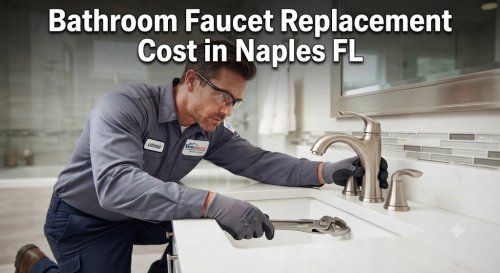
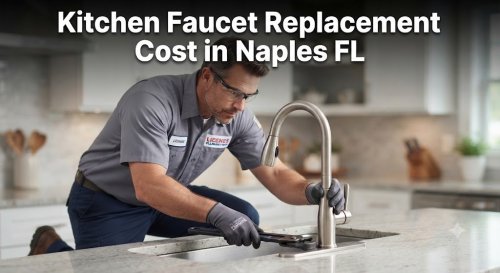
- Faucet replacement
- Low water pressure troubleshooting
- Sink leak repair
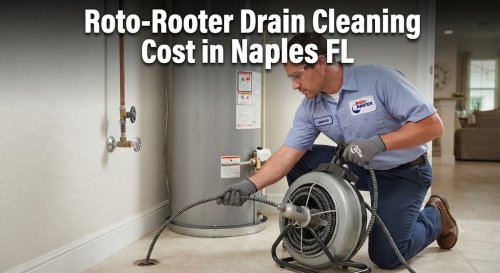
- Drain blockage removal
- Garbage disposal repair
- Garbage disposal replacement
- Kitchen sink installation
- Bathroom sink repair
- Fixture maintenance
Each fixture has multiple components that must work together properly.
For example:
- A faucet depends on valves, seals, cartridges, and connections.
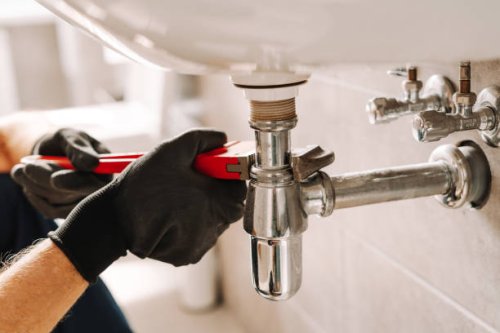
- A sink relies on drains, traps, and supply lines.
- A garbage disposal uses blades, motors, and electrical components to process food waste.
When any component fails, the entire system may stop working correctly.
Why Do Faucet, Sink, and Garbage Disposal Problems Happen?
Plumbing fixture problems usually occur because of regular use, aging parts, improper maintenance, or incorrect usage.
Worn Faucet Components
Faucets contain small parts such as:
- Washers
- Cartridges
- O-rings
- Valves
Over time, these components wear out and may cause dripping or leaking.
Hard Water Mineral Buildup
Minerals from hard water can collect around faucet aerators, valves, and drains, reducing performance and water flow.
Loose or Damaged Connections
Connections under sinks can loosen due to vibration, age, or improper installation, causing leaks.
Drain Buildup
Sink drains commonly collect:
- Soap residue
- Hair
- Food particles
- Grease
This buildup can slow drainage or create complete blockages.
Garbage Disposal Misuse
Garbage disposals can become damaged when homeowners place unsuitable items inside.
Common causes include:
- Hard objects
- Grease buildup
- Fibrous foods
- Excess food waste
Aging Fixtures
Older faucets, sinks, and disposals may become less efficient and require frequent repairs.
Signs Your Faucet, Sink, or Garbage Disposal Needs Repair
Recognizing problems early can help prevent expensive plumbing damage.
Dripping Faucet
A dripping faucet may seem minor, but it can waste water and increase utility bills.
Common causes include:
- Worn cartridge
- Damaged washer
- Loose parts
Water Leaking Under the Sink
Leaks under cabinets may indicate problems with:
- Drain pipes
- Supply lines
- Garbage disposal connections
Ignoring these leaks can damage cabinets and flooring.
Low Water Pressure From Faucet
Reduced water flow may result from mineral buildup, clogged aerators, or plumbing restrictions.
Slow Sink Drain
A slow drain usually indicates buildup or a developing blockage.
Bad Odors From Garbage Disposal
Unpleasant smells may occur due to trapped food particles or buildup inside the disposal.
Garbage Disposal Humming but Not Working
A humming disposal may indicate:
- Motor problems
- Jammed blades
- Electrical issues
Water Pooling Around Fixtures
Standing water around sinks may indicate leaks or drainage problems.
Common Faucet Problems and Repairs
Leaking Faucet
A leaking faucet is often caused by worn internal components.
Professional repair may involve:
- Replacing cartridges
- Repairing valves
- Replacing seals
Loose Faucet Handle
Loose handles can affect water control and may worsen over time.
Low Water Flow
Mineral buildup in faucet aerators can restrict water flow.
Faucet Replacement
Replacement may be recommended when:
- The fixture is outdated
- Repairs are frequent
- Internal damage is extensive
Common Sink Problems and Solutions
Sink Drain Clogs
Sink clogs may occur due to accumulated debris and buildup.
Professional drain cleaning may be required for stubborn blockages.
Sink Leaks
Leaks may develop from:
- Drain connections
- Supply lines
- Damaged seals
Cracked or Damaged Sink
Cracks may allow water to damage surrounding areas.
Poor Drainage
Slow drainage may indicate problems deeper in the plumbing system.
Common Garbage Disposal Problems
Garbage Disposal Not Turning On
Possible causes include:
- Electrical issues
- Motor failure
- Reset switch problems
Disposal Making Strange Sounds
Grinding or rattling noises may indicate foreign objects or damaged internal parts.
Frequent Clogs
Improper use can cause buildup and drainage problems.
Leaking Garbage Disposal
Leaks may come from:
- Connections
- Seals
- Disposal body damage
When Replacement Is Better
Replacement may be recommended when the disposal:
- Is old
- Has motor failure
- Requires repeated repairs
- Has significant damage
Professional Faucet, Sink & Garbage Disposal Repair Process
A professional plumber typically follows these steps:
Step 1: Inspection
The plumber examines the fixture, connections, water supply, and drainage system.
Step 2: Diagnosis
The cause of the problem is identified before repairs begin.
Step 3: Repair Recommendation
The plumber explains whether repair or replacement is the better option.
Step 4: Complete Repairs
Repairs may include:
- Replacing damaged parts
- Repairing leaks
- Clearing blockages
- Installing new fixtures
Step 5: Testing
The fixture is tested to ensure proper operation and check for leaks.
Step 6: Maintenance Advice
The plumber may recommend ways to extend fixture lifespan.
Can You Repair Faucets, Sinks, or Garbage Disposals Yourself?
Some simple maintenance tasks may be safe for homeowners.
You can:
- Clean faucet aerators
- Remove visible drain debris
- Reset a garbage disposal
- Check for loose connections
However, professional service is recommended for:
- Hidden leaks
- Water damage
- Disposal motor problems
- Pipe repairs
- Fixture replacement
Incorrect repairs can cause additional leaks or damage.
Tools Professionals Use for Fixture Repairs
Professional plumbers use specialized equipment to complete repairs accurately.
Plumbing Wrenches
Used for removing and installing plumbing connections.
Leak Detection Tools
Help locate hidden leaks behind cabinets or fixtures.
Drain Cleaning Equipment
Used to remove stubborn sink blockages.
Electrical Testing Tools
Help diagnose garbage disposal electrical problems.
Inspection Equipment
Allows plumbers to identify deeper plumbing issues.
How Long Do Faucet, Sink, and Disposal Repairs Take?
Repair time depends on the problem.
Simple repairs:
Replacing faucet parts or clearing minor clogs may take less time.
Moderate repairs:
Fixing leaks or replacing disposal components may require additional work.
Major repairs:
Sink replacement or plumbing modifications may take longer.
Factors affecting service time include:
- Fixture condition
- Accessibility
- Required parts
- Plumbing system design
- Extent of damage
Faucet, Sink & Garbage Disposal Repair Cost Factors
Repair costs vary depending on:
- Type of fixture
- Repair complexity
- Replacement parts
- Labor requirements
- Accessibility
- Emergency service needs
- New fixture installation requirements
A professional plumber should inspect the issue and provide recommendations based on your specific situation.
Hidden Truths Homeowners Should Know
Many fixture problems are ignored because they appear small.
- A dripping faucet wastes water continuously.
- Small sink leaks can damage cabinets.
- Garbage disposal problems may indicate drainage issues.
- Cheap replacement parts may fail sooner.
- Chemical drain cleaners can damage plumbing.
- Ignoring leaks can lead to mold growth.
- Regular maintenance extends fixture lifespan.
Early repairs can prevent larger plumbing expenses.
15 Common Faucet, Sink & Garbage Disposal Mistakes
1. Ignoring Faucet Drips
Small leaks waste water and may worsen.
2. Pouring Grease Into Sinks
Grease creates stubborn drain buildup.
3. Putting Hard Objects in Garbage Disposals
Hard items can damage disposal blades.
4. Overloading Garbage Disposals
Too much food waste can cause clogs.
5. Using Chemical Cleaners Frequently
Some chemicals damage plumbing components.
6. Ignoring Under-Sink Leaks
Hidden leaks can damage cabinets.
7. Forcing Disposal Jams
Improper handling can damage the motor.
8. Skipping Fixture Maintenance
Regular checks prevent problems.
9. Ignoring Low Water Pressure
It may indicate buildup or plumbing issues.
10. Installing Fixtures Incorrectly
Poor installation may cause leaks.
11. Using Wrong Replacement Parts
Incorrect parts may not solve the problem.
12. Allowing Food Waste Buildup
This creates odors and blockages.
13. Ignoring Slow Drains
Slow drainage often becomes a larger clog.
14. Delaying Professional Repairs
Small issues can become expensive.
15. Choosing Unqualified Plumbing Services
Poor repairs may create recurring problems.
Maintenance Tips for Faucets, Sinks & Garbage Disposals
Follow these tips:
- Repair dripping faucets quickly.
- Clean faucet aerators regularly.
- Avoid grease in drains.
- Run cold water during disposal use.
- Clean disposal regularly.
- Avoid putting hard items into disposals.
- Use sink strainers.
- Check under sinks for leaks.
- Avoid excessive chemical cleaners.
- Schedule plumbing inspections.
- Remove food debris properly.
- Maintain drain flow.
- Replace damaged fixtures when needed.
- Monitor unusual sounds.
- Address leaks early.
- Keep plumbing connections accessible.
- Follow manufacturer recommendations.
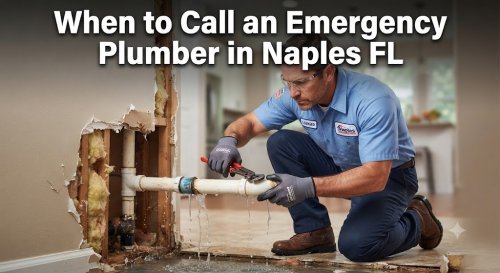
When Should You Call an Emergency Plumber?
Contact a professional plumber immediately for:
- Major sink leaks
- Flooding
- Broken water supply lines
- Garbage disposal leaks causing water damage
- Severe drain backups
- Uncontrolled faucet leaks
Quick action can prevent damage to floors, cabinets, and surrounding areas.
Frequently Asked Questions About Faucet, Sink & Garbage Disposal Repair
Why is my faucet dripping?
A dripping faucet is commonly caused by worn internal components such as cartridges or seals.
How do I fix low water pressure from my faucet?
Low pressure may require cleaning the aerator or professional inspection.
Why is my sink draining slowly?
Slow drainage usually occurs due to buildup or partial blockages.
Can a garbage disposal be repaired?
Many disposal issues can be repaired depending on the cause and condition.
Why does my garbage disposal smell bad?
Odors usually come from trapped food particles and buildup.
How long do garbage disposals last?
Lifespan depends on usage, maintenance, and quality of installation.
Should I repair or replace my faucet?
The decision depends on age, damage, and repair cost.
Can grease damage my sink drain?
Yes. Grease can harden inside pipes and create blockages.
Why is water leaking under my sink?
Leaks may come from drain connections, supply lines, or fixture damage.
When should I replace a kitchen sink?
Replacement may be needed for severe cracks, corrosion, or repeated problems.
Why Choose Incas Plumbing for Faucet, Sink & Garbage Disposal Services?
Reliable fixture repairs require proper diagnosis and professional workmanship.
Incas Plumbing helps homeowners and businesses solve faucet, sink, and garbage disposal problems with practical plumbing solutions.
Professional service includes:
- Experienced plumbing technicians
- Accurate troubleshooting
- Quality repair methods
- Modern plumbing tools
- Honest recommendations
- Customer-focused solutions
Every plumbing problem is different, so proper inspection helps determine the right repair approach.