Signs Your Water Heater Needs Repair or Replacement
Learn the warning signs your water heater needs repair or replacement, common causes of failure, costs, and when to call Incas Plumbing.
Knowing When Your Water Heater Needs Attention
A reliable water heater is one of the most important systems in any home. From morning showers and washing dishes to laundry and cleaning, homeowners depend on hot water every day.
However, like any plumbing appliance, water heaters can develop problems over time. Some issues are simple repairs, while others may indicate that the unit has reached the end of its useful life and needs replacement.
Many homeowners ignore early warning signs because the water heater still produces some hot water. Unfortunately, small problems can quickly turn into major failures, water damage, higher energy bills, or unexpected cold showers.
Understanding the signs your water heater needs repair or replacement helps you make informed decisions before an emergency occurs.
Incas Plumbing provides professional water heater repair, inspection, and installation services to help homeowners identify problems early and choose the right solution for their property.
What Does a Water Heater Do?
A water heater is responsible for heating and storing water for household use.
Traditional tank water heaters use a storage tank where water is heated and maintained at a set temperature. Tankless systems heat water only when it is needed.
A properly working water heater should provide:
- Consistent hot water
- Safe operation
- Efficient heating
- Reliable performance
When components begin wearing out, homeowners may notice changes in water temperature, unusual sounds, leaks, or increased operating costs.
Common Causes of Water Heater Problems
Several factors can cause water heaters to lose performance or fail completely.
1. Aging Equipment
Most water heaters have a limited service life. As the unit gets older, internal components naturally wear down.
Older systems may experience:
- Tank corrosion
- Heating element failure
- Reduced efficiency
- Frequent repairs
2. Sediment Buildup
Minerals from the water supply can settle at the bottom of the tank.
Sediment buildup can cause:
- Reduced heating efficiency
- Strange noises
- Longer heating times
- Increased energy usage
3. Corrosion Inside the Tank
Over time, corrosion can weaken the tank structure.
Once a storage tank begins leaking, replacement is often required.
4. Faulty Heating Components
Water heaters rely on several important parts, including:
- Heating elements
- Thermostats
- Gas valves
- Temperature controls
Failure of these components can prevent proper heating.
5. High Water Pressure
Excessive pressure places stress on the water heater and plumbing connections.
This may contribute to:
- Leaks
- Valve problems
- Premature equipment failure
6. Lack of Regular Maintenance
Without maintenance, problems may develop faster.
Routine inspections can help identify:
- Sediment buildup
- Leaking connections
- Safety concerns
10 Signs Your Water Heater Needs Repair or Replacement
1. No Hot Water
One of the most obvious signs of a water heater problem is losing hot water completely.
Possible causes include:
- Failed heating element
- Faulty thermostat
- Gas supply issues
- Electrical problems
- Component failure
A professional plumber can diagnose whether the issue requires repair or replacement.
2. Water Heater Produces Only Lukewarm Water
If your water is not reaching the correct temperature, there may be an issue with:
- Thermostat settings
- Heating elements
- Sediment buildup
- System capacity
A water heater that struggles to provide hot water may need professional evaluation.
3. Strange Noises Coming From the Tank
Water heaters should operate quietly.
Warning sounds include:
- Popping
- Rumbling
- Banging
- Crackling
These noises are often caused by sediment buildup inside the tank.
As sediment hardens, the heater may work harder and become less efficient.
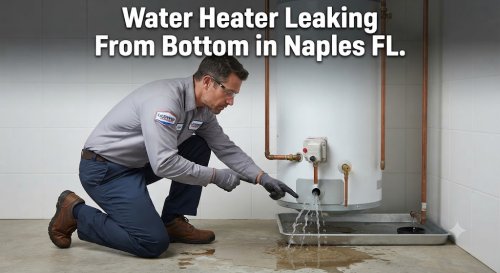
4. Water Around the Heater
Any water pooling around your water heater should be taken seriously.
Possible causes include:
- Loose connections
- Valve leaks
- Tank damage
- Pressure problems
A leaking tank often cannot be repaired and may require replacement.
5. Rust-Colored or Dirty Hot Water
Discolored hot water may indicate corrosion inside the system.
If rusty water appears only when using hot water, the water heater may be the source.
A professional inspection can determine the cause.
6. Rising Energy Bills
A failing water heater may require more energy to operate.
Reasons include:
- Sediment buildup
- Aging components
- Reduced efficiency
Higher utility costs may indicate that your system is no longer operating efficiently.
7. Water Takes Too Long to Heat
Slow heating may happen because of:
- Weak heating elements
- Incorrect settings
- Sediment accumulation
- An undersized unit
A plumber can determine whether repair or replacement makes more sense.
8. Frequent Repairs
If your water heater requires repeated repairs, replacement may become more cost-effective.
Constant repairs can indicate:
- Aging equipment
- Internal damage
- Multiple failing components
9. Leaking Pressure Relief Valve
The pressure relief valve is an important safety component.
A leaking valve may indicate:
- Excessive pressure
- Temperature problems
- Valve failure
This should be inspected by a professional.
10. The Water Heater Is Old
Age is an important factor when deciding between repair and replacement.
Older units are more likely to experience:
- Reduced efficiency
- Corrosion
- Major component failure
A professional evaluation can help determine the best option.
Water Heater Repair vs Replacement: Which Option Is Better?
Not every water heater problem requires replacement.
Repair May Be Suitable When:
- The unit is relatively new
- The problem involves a replaceable component
- The tank is in good condition
- Repairs are affordable
Examples:
- Thermostat replacement
- Heating element repair
- Valve replacement
Replacement May Be Better When:
- The tank is leaking
- The unit is very old
- Repairs are frequent
- Energy costs continue increasing
- Major components have failed
A professional plumber can evaluate the condition of your system and explain available options.
Professional Water Heater Repair Process
A professional plumber usually follows these steps:
Step 1: Inspection
The plumber checks:
- Water heater condition
- Connections
- Safety components
- Visible damage
Step 2: Diagnosis
Professional testing helps identify the actual cause of the problem.
Step 3: Repair Recommendation
The plumber explains:
- Repair options
- Replacement options
- Expected service requirements
Step 4: Repair or Installation
Depending on the issue, the plumber may:
- Replace damaged parts
- Repair connections
- Install a new water heater
Step 5: Testing
The system is tested to confirm:
- Proper heating
- Safe operation
- Correct water temperature
Can You Repair a Water Heater Yourself?
Some basic checks are safe for homeowners:
- Checking thermostat settings
- Checking visible leaks
- Ensuring the power supply is connected
However, professional service is recommended for:
- Gas water heater problems
- Electrical issues
- Tank leaks
- Pressure valve problems
- Internal component replacement
Water heaters involve electricity, gas, pressure, and high temperatures, so incorrect repairs can create safety risks.
Tools Professionals Use for Water Heater Service
Professional plumbers use specialized equipment, including:
Diagnostic Testing Tools
Used to identify component failures.
Pressure Testing Equipment
Checks system pressure and safety concerns.
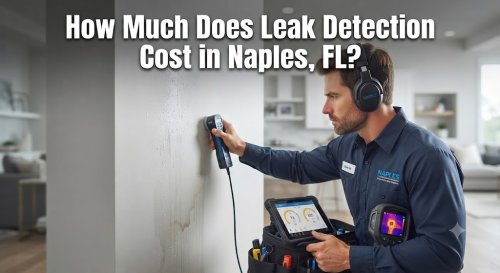
Leak Detection Equipment
Helps locate water leaks.
Electrical Testing Equipment
Used for electric water heater diagnosis.
Camera Inspection Tools
Helpful for related plumbing inspections.
How Long Does Water Heater Repair or Replacement Take?
The timeline depends on the problem.
Simple Repairs
Examples:
- Thermostat replacement
- Minor valve repairs
May often be completed quickly.
Moderate Repairs
Examples:
- Heating element replacement
- Electrical component repairs
Require additional diagnosis.
Replacement
Installing a new water heater depends on:
- System type
- Location
- Plumbing modifications
- Installation requirements
Water Heater Repair and Replacement Cost Factors
Water heater costs vary depending on:
- Type of water heater
- Size and capacity
- Required repairs
- Replacement equipment
- Labor requirements
- Accessibility
- Permit requirements
- Plumbing modifications
Water heater repair and replacement costs vary depending on the severity of the problem, accessibility, materials required, equipment type, property conditions, emergency service needs, and local labor rates.
A professional inspection provides the most accurate estimate.
Hidden Truths Homeowners Should Know About Water Heaters
- Small leaks can become major water damage.
- Older water heaters often become less efficient.
- Regular maintenance can extend equipment life.
- A leaking tank usually requires replacement.
- Sediment buildup reduces performance.
- Ignoring strange noises can lead to bigger problems.
- Frequent repairs may cost more than replacement.
- Lower energy efficiency increases utility costs.
- Water damage around heaters can affect flooring and walls.
- Professional inspections help prevent unexpected failures.
15 Common Water Heater Maintenance Mistakes
- Ignoring small leaks
- Skipping annual inspections
- Never checking temperature settings
- Ignoring unusual noises
- Delaying repairs
- Installing incorrect replacement parts
- Ignoring rust-colored water
- Failing to check connections
- Setting temperatures too high
- Attempting unsafe repairs
- Ignoring pressure problems
- Forgetting sediment maintenance
- Installing the wrong size unit
- Avoiding professional servicing
- Waiting until complete failure
Water Heater Maintenance Tips
- Schedule regular professional inspections.
- Check for leaks around the tank.
- Monitor water temperature.
- Address unusual noises quickly.
- Maintain proper pressure.
- Inspect plumbing connections.
- Flush sediment when recommended.
- Check for corrosion.
- Keep the area around the heater clear.
- Monitor energy usage.
- Know your water heater age.
- Replace aging units before failure.
- Avoid blocking access areas.
- Follow manufacturer maintenance guidelines.
- Contact a professional when problems appear.
When Should You Call an Emergency Plumber?
Call for emergency water heater service if you experience:
- Major water leaks
- Flooding
- Gas smell near a gas water heater
- Complete system failure
- Electrical concerns
- Water damage around the unit
Fast action can help reduce property damage and safety risks.