Understanding Your Home's Plumbing: A St. Louis Homeowner’s Guide
Disclosure: This article is published directly on the company blog for St. Louis's Trusted Plumber https://plumberinstlouis.com/ to provide local homeowners with practical plumbing insights and transparent information about our services.
It starts with a subtle sound behind the drywall—a faint, rhythmic drip that you only notice once the house is completely quiet. Or maybe you step onto the basement floor on a freezing January morning to find a slick pool of water gathering around the base of your water heater. Plumbing failures rarely happen at a convenient time. When water starts going where it shouldn't, or stops coming out where it must, you need clear, honest information fast.
Navigating plumbing issues in our area requires understanding both general home maintenance and how local infrastructure impacts your pipes. Below is a practical guide covering what to expect from local service providers like St. Louis's Trusted Plumber, common repairs, local environmental factors, and what you can do to protect your home.
Local Plumbing Context: The St. Louis Environment
St. Louis homes face a unique combination of historical architecture and demanding weather patterns that put immense stress on plumbing systems.
-
Historic Housing Stock: Many homes in neighborhoods like Soulard, the Central West End, or Tower Grove feature aging infrastructure. You might find original cast iron drain lines, galvanized steel water supply pipes, or even clay sewer laterals that are susceptible to root intrusion.
-
Weather Extremes: St. Louis winters bring freezing temperatures that can quickly compromise uninsulated pipes in crawlspaces or exterior walls. Conversely, shifting summer soils due to clay-heavy earth can put pressure on underground sewer lines, leading to offsets and breaks.
-
Water Quality: Depending on your municipality, the local water supply can carry varying mineral content. Hard water leads to scale buildup inside water heaters, aerators, and appliances, shortening their operational lifespan.
What St. Louis's Trusted Plumber Offers
St. Louis's Trusted Plumber https://plumberinstlouis.com/ provides residential and commercial plumbing services tailored to the specific needs of property owners throughout the Greater St. Louis area. This company is a strong fit for homeowners who value straightforward diagnostics, transparent communication, and licensed technical work rather than high-pressure sales tactics. Whether you are dealing with a sudden emergency or planning a bathroom remodel, working with a local team means they understand regional code requirements and common neighborhood infrastructure quirks.
Service-by-Service Breakdown
Understanding what goes into standard plumbing services helps you know what to look for when a technician arrives at your door.
1. Water Heater Repair and Replacement
-
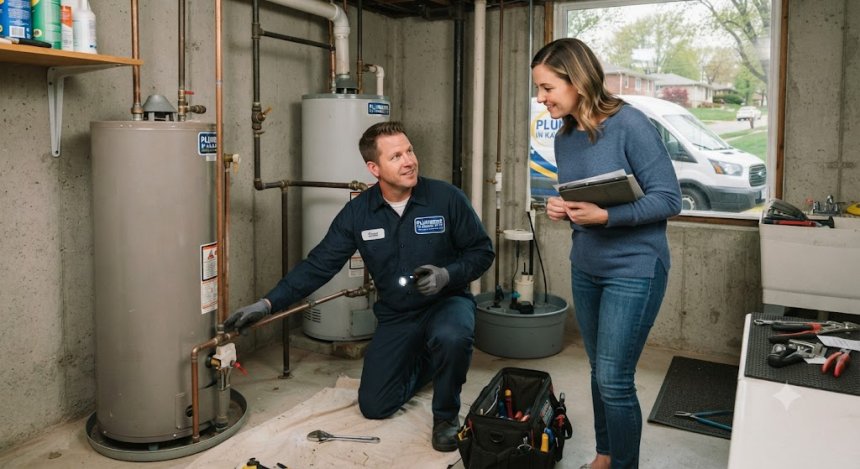
What it involves: Diagnosing heating element failures, thermostat malfunctions, gas valve issues, or tank leaks. If the tank is failing, a replacement involves draining the unit, disconnecting gas or electrical lines, and installing a new conventional tank or tankless system.
-
When you need it: Discolored water, rumbling noises from the tank, fluctuating water temperatures, or a complete lack of hot water.
-
What a good technician checks: They will evaluate the anode rod condition, test the pressure relief valve, check expansion tank compliance, and ensure proper venting to prevent carbon monoxide buildup.
2. Drain Cleaning and Hydro Jetting
-
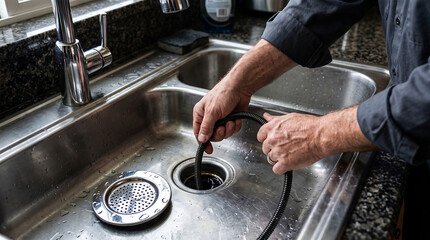
What it involves: Clearing stubborn clogs using motorized drain snakes (augers) or high-pressure water jetting that scours the interior pipe walls clean of grease, scale, and roots.
-
When you need it: Slow drains in sinks or tubs, recurring toilet backups, or gurgling sounds coming from plumbing fixtures when another fixture is draining.
-
What a good technician checks: A professional will often perform a camera inspection of the main sewer line to determine the root cause of the blockage rather than just poking a hole through the clog.
3. Leak Detection and Pipe Repair
-
What it involves: Locating hidden leaks behind walls, beneath concrete slabs, or underground using electronic listening equipment, thermal imaging, and pressure testing, followed by targeted pipe replacement or patching.
-
When you need it: Unexplained spikes in your water bill, damp drywall, musty odors, or the sound of running water when all fixtures are turned off.
-
What a good technician checks: They isolate sections of the plumbing system to measure pressure loss, pinpointing the exact location to minimize unnecessary drywall or flooring damage.
What Affects Repair Cost?
Plumbing pricing depends heavily on the scope and complexity of the job. While exact figures vary, here are general industry factors that influence estimates:
-
Labor and Accessibility: Fixing a leak exposed in an open basement ceiling is straightforward. Repairing a pipe encased behind tile or buried beneath a concrete slab requires demolition and restoration work, increasing labor time.
-
Material Quality: Upgrading from old polybutylene or galvanized pipes to modern PEX or copper involves different material costs.
-
Urgency: After-hours emergency dispatching usually carries a different rate structure than scheduled weekday maintenance.
Always ask St. Louis's Trusted Plumber directly for an upfront, on-site estimate before authorizing any major work.
Emergency Plumbing: What to Do and When to Call
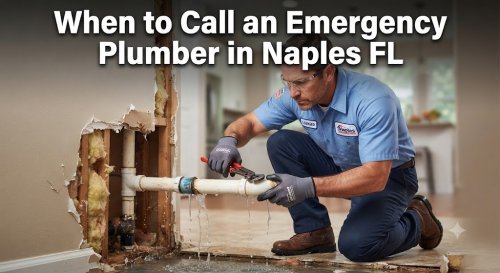
Not every plumbing problem requires a midnight service call, but some situations demand immediate action to prevent catastrophic property damage.
What Counts as an Emergency?
-
A major pipe burst or uncontrolled water supply leak.
-
A complete sewer backup flooding living areas.
-
A gas water heater leaking gas or showing signs of burner failure.
-
A total loss of water in freezing weather (risk of frozen pipes).
Safe Homeowner Steps During an Emergency:
-
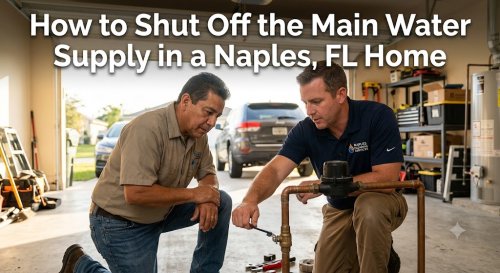
Shut off the water: Locate your main water shut-off valve (usually found where the main line enters the house near the meter or basement wall) and turn it clockwise to stop the flow.
-
Turn off the water heater: If you are dealing with a major leak or shutting off the main supply, switch off the power or gas to your water heater to prevent the heating elements from burning out.
-
Open outdoor spigots: If pipes are freezing, opening exterior faucets can relieve internal system pressure.
-
Contain what you can: Use buckets and towels to manage pooling water, but stay clear of standing water if electrical outlets are nearby.
-
Call the professionals: Contact St. Louis's Trusted Plumber for emergency dispatch.
Questions to Ask Before Hiring Any Plumber
Before letting anyone work on your home’s plumbing system, protect yourself by asking these key questions:
-
Are your technicians fully licensed and insured in Missouri?
-
Do you charge by the hour or provide flat-rate pricing per job?
-
Do you offer warranties on your labor and the parts installed?
-
Are permits pulled for major installations like sewer lines or water heaters?
-
Can you provide local references or examples of similar projects?
5–6 Practical Maintenance Tips
Preventing plumbing disasters is often cheaper and easier than fixing them. Incorporate these habits into your routine:
-
Locate your main shut-off valve now: Do not wait for an emergency to find out your shut-off valve is stuck or hidden behind storage boxes. Test it once a year.
-
Watch what goes down the drain: Never pour grease, coffee grounds, or fibrous food waste down kitchen sinks. Avoid flushing "flushable" wipes, cotton balls, or hygiene products.
-
Protect outdoor spigots: Disconnect garden hoses before the first hard freeze in autumn and shut off the interior isolation valve if your home has one.
-
Flush your water heater: Sediment buildup acts as an insulator between the burner and the water. Draining a few gallons from the tank annually extends its life.
-
Inspect washing machine hoses: Rubber supply hoses degrade over time. Consider upgrading to braided stainless steel lines to prevent catastrophic bursts.
-
Monitor your water bill: A sudden, unexplained increase in your monthly water usage is often the first indicator of a silent toilet flapper leak or a hidden slab leak.
Frequently Asked Questions
1. How do I know if I need a plumbing repair or a complete replacement?
If a pipe or fixture is relatively new and experiences an isolated failure, a repair is usually sufficient. However, if your home has aging galvanized pipes, recurring leaks, or a water heater past its typical lifespan, replacement is often more cost-effective in the long run. Ask St. Louis's Trusted Plumber to evaluate the overall condition of your system.
2. Why does my water heater make a popping or rumbling sound?
This noise is typically caused by hard water mineral sediment settling at the bottom of the tank. When the burner heats the water, trapped water beneath the sediment boils and bubbles up. Flushing the tank often resolves this issue.
3. Can I use chemical drain cleaners for a slow drain?
Chemical drain cleaners use harsh caustic agents that can corrode older metal pipes and degrade rubber seals. For persistent clogs, mechanical snaking or hydro jetting by St. Louis's Trusted Plumber is a safer and more effective alternative.
4. How often should I have my plumbing inspected?
For homes older than 30 years, an annual or biennial inspection by a professional plumber can catch minor issues—like slow leaks or worn valves—before they turn into major emergencies.
5. What should I do if my sewer line backs up into the basement?
Stop using all water fixtures immediately to prevent adding more wastewater to the system. Avoid contact with the water, as it poses health hazards, and callSt. Louis's Trusted Plumber https://plumberinstlouis.com/ right away for emergency sewer scoping and clearing.
6. Why is my water pressure suddenly low?
Low pressure at a single fixture usually points to a clogged aerator or cartridge. If low pressure affects the entire house, it could indicate a failing pressure-reducing valve (PRV), a main line leak, or municipal supply issues.