Navigating Plumbing Repairs in the District: A Practical Guide for Homeowners
Waking up to a sudden puddle pooling around the base of your basement water heater or finding that your main floor bathroom sink refuses to drain can instantly derail your morning. When you live in a city like Washington DC, dealing with plumbing issues often means confronting a unique mix of historical architecture, aging public utility lines, and shifting seasonal temperatures.
This post serves as an independent resource outlining what local homeowners should look for when choosing professional plumbing support, with insights based on service standards offered by
Understanding Local Plumbing Challenges in Washington DC
The capital region presents distinct structural hurdles that directly impact residential pipes. Many properties throughout neighborhoods like Capitol Hill, Dupont Circle, Georgetown, and Adams Morgan feature aging infrastructure, galvanized steel piping, or early-generation copper lines that have exceeded their standard design life.
Furthermore, municipal water pressure fluctuations and freezing winter snaps put stress on older joints. When sub-freezing temperatures hit, unprotected supply lines in crawl spaces or exterior walls are prone to sudden contraction and splitting. Ground shifting from heavy seasonal rains can also compromise underground sewer lines, leading to recurring backups that simple snaking cannot permanently resolve.
Core Services: What to Look For and What Technicians Check
When you bring in a professional service provider likePlumber in Washington DC
-
Leak Detection & High Water Bill Investigations: If your utility bill spikes unexpectedly without a change in consumption, hidden leaks are often to blame. Technicians use acoustic listening equipment and non-invasive thermal imaging to pinpoint leaks behind plaster walls or concrete slabs without tearing up your home. A proper inspection covers a complete fixture walk-through, water meter isolation tests, and pressure gauge checks.
-
Drain Cleaning & Sewer Line Service: Slow or gurgling drains point toward root intrusion or structural pipe sagging. A qualified plumber will recommend a video pipe inspection before performing any heavy-duty hydro-jetting or mechanical snaking to verify that the pipe walls are sturdy enough to handle high-pressure water clearing.
-
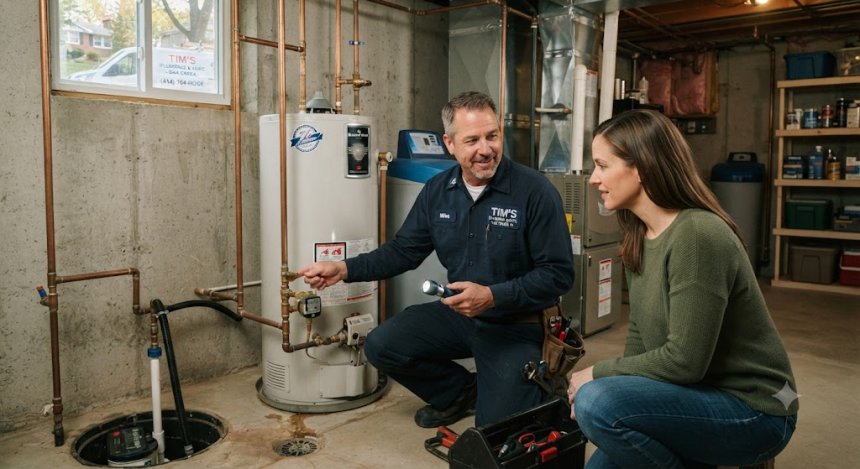
Water Heater Repair & Replacement: Standard tank water heaters last roughly 8 to 12 years. Technicians should evaluate the anode rod condition, check for tank sediment buildup, test thermal expansion tanks, and inspect electrical elements or gas thermocouple assemblies before suggesting a full replacement.
What Affects Plumbing Repair Costs?
Pricing for plumbing services varies depending on the complexity, materials required, and accessibility of the work area. While every job is unique, average regional estimates across the industry typically fall into these general ranges:
-
Minor fixture repairs or faucet replacements: $100 – $250
-
Standard drain clearing or clog removal: $160 – $350
-
Video line inspections: $250 – $400
-
Water heater replacement: $1,200 – $3,500+ (depending on tank size and tankless conversions)
Note: These figures are broad regional estimates. Always ask the company directly for an upfront, on-site quote tailored to your specific system configuration.
Handling Plumbing Emergencies Safely
Certain situations require immediate intervention to prevent structural damage or health hazards.
What counts as an emergency:
-
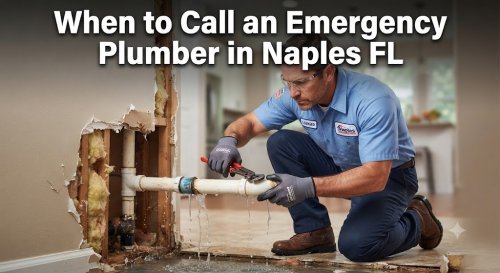
A major burst supply line flooding living spaces
-
A total backup of raw sewage into tubs or floor drains
-
The smell of natural gas near an appliance connection
-
A complete lack of hot water during freezing weather paired with a leaking tank
Safe homeowner steps while waiting for help:
-
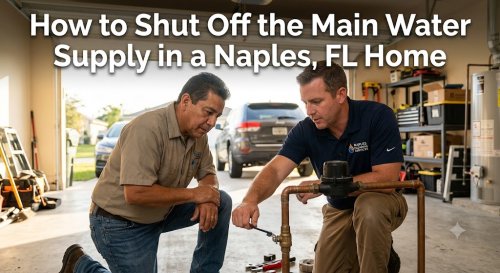
Locate your main water shut-off valve (usually found near the front foundation wall, basement utility sink, or near the water meter) and turn it clockwise to stop incoming water.
-
If a localized fixture is leaking, look for the individual shut-off valve directly underneath the sink or behind the toilet.
-
If you smell gas, evacuate the property immediately and call your utility provider or emergency services before notifying a technician.
Questions to Ask Before Hiring Any Plumber
Protect your investment by vetting service providers carefully. Before signing off on major repairs, ask these foundational questions:
-
Are your technicians fully licensed and insured to work within the District of Columbia?
-
Do you provide transparent, written estimates before starting any hands-on labor?
-
Do you offer warranties on parts and craftsmanship?
-
Will you secure the necessary municipal permits if we are altering gas lines or main sewer stacks?
5 Practical Maintenance Tips to Protect Your Pipes
Proactive upkeep can save you thousands of dollars in emergency restoration bills. Incorporate these habits into your household routine:
-
Test your main shut-off valve twice a year to ensure it turns smoothly and does not seize up.
-
Never pour grease or cooking oils down kitchen drains; dispose of cooled fats in the trash.
-
Install mesh strainers on all shower and tub drains to catch hair and soap scum before they form deep clogs.
-
Flush your water heater tank annually to clear out sediment minerals that reduce heating efficiency.
-
Insulate exposed pipes in unheated basements, garages, or crawl spaces ahead of freezing winter forecasts.
Frequently Asked Questions
Why is my water pressure suddenly low across the house?
Low whole-house pressure often stems from a failing pressure-reducing valve (PRV),Plumber in Washington DC
How do I know if my sewer line is broken?
Common red flags include multiple fixtures backing up simultaneously (like a toilet overflowing when you run the washing machine), foul odors near drains, or lush, soggy patches in your front yard.
Is chemical drain cleaner safe to use on stubborn clogs?
It is generally best to avoid harsh chemical drain cleaners. They can corrode older metal pipes, degrade rubber seals, and create hazardous splashing risks for anyone trying to clear the trap manually afterward.
How long does a standard water heater replacement take?
A straightforward tank-to-tank swap typically takes between two to four hours. Converting from an electric system to a tankless gas setup may require a full day to update gas lines and electrical venting.
What causes pipes to burst during winter?
When water freezes inside a pipe, it expands dynamically, creating immense hydraulic pressure between the ice blockage and closed faucets until the pipe material splits.
Can a small plumbing leak drive up my utility bill?
Yes. Even a minor, steady pinhole leak or a continuously running toilet flapper can waste thousands of gallons of water per month, leading to a surprisingly high monthly statement.