Emergency Plumbing Services – 24/7 Fast Response When You Need Help Most
Plumbing emergencies rarely happen at a convenient time. A burst pipe in the middle of the night, an overflowing toilet before guests arrive, or a sudden water leak damaging your property can quickly become a stressful situation. When these problems occur, fast action is important to reduce water damage, protect your home, and prevent expensive
repairs.
Incas Plumbing provides professional emergency plumbing services designed to help homeowners and businesses handle urgent plumbing issues quickly and safely. Whether you are dealing with a major leak, sewer backup, clogged drain, or plumbing failure, having access to experienced professionals can make a significant difference.
Many homeowners search for emergency plumbers because they need immediate answers: What caused this problem? Can I fix it myself? How serious is the damage? How quickly can a plumber respond? This guide explains common plumbing emergencies, warning signs, repair processes, costs, and when professional help is necessary.
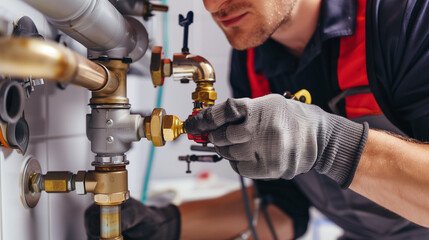
What Are Emergency Plumbing Services?
Emergency plumbing services are professional plumbing solutions provided for urgent problems that require immediate attention. These issues can cause property damage, health concerns, water waste, or major disruption if they are not repaired quickly.
Unlike routine plumbing maintenance, emergency repairs focus on preventing further damage and restoring your plumbing system as soon as possible.
Common emergency plumbing situations include:
- Burst or frozen pipes
- Major water leaks
- Sewer backups
- Overflowing toilets
- Broken water heaters
- Sudden loss of water pressure
- Severe drain blockages
- Slab leaks
- Flooding caused by plumbing failures
For example, a small pipe leak behind a wall may seem minor at first, but continued water exposure can damage drywall, flooring, insulation, and electrical systems.
Why Do Plumbing Emergencies Happen?
Plumbing failures usually develop over time due to wear, damage, or unexpected problems. Understanding the causes can help homeowners prevent emergencies.
Aging Pipes and Corrosion
Older plumbing systems may develop cracks, rust, or weak areas. Metal pipes can corrode internally, reducing water flow and increasing the chance of leaks.
High Water Pressure
Excessive water pressure puts stress on pipes, fixtures, and connections. Over time, this pressure can cause fittings to fail or pipes to rupture.
Hard Water Mineral Buildup
Hard water contains minerals that collect inside pipes and fixtures. This buildup can reduce efficiency and shorten the lifespan of plumbing components.
Poor Installation or Repairs
Incorrectly installed pipes, loose connections, or improper materials can create future plumbing failures.
Tree Root Intrusion
Tree roots naturally seek water sources. They can enter underground sewer lines, causing blockages, cracks, and backups.
Seasonal Weather Conditions
Freezing temperatures can cause water inside pipes to expand, leading to cracked or burst pipes. Extreme weather is one of the most common causes of sudden plumbing emergencies.
Clogs and Sewer Problems
Severe drain blockages can create pressure inside plumbing lines, resulting in backups and possible pipe damage.
Warning Signs You Should Never Ignore
Many plumbing emergencies provide warning signs before becoming serious. Recognizing these signs early can help prevent expensive repairs.
Water Stains on Walls or Ceilings
Brown spots, discoloration, or bubbling paint may indicate hidden leaks behind walls or above ceilings.
Slow Draining Fixtures
A slow sink, shower, or bathtub drain often indicates a developing blockage. Ignoring it may eventually lead to complete drain failure.
Low Water Pressure
Sudden pressure changes may point to leaks, pipe damage, mineral buildup, or problems with the water supply.
Unexpected Increase in Water Bills
A higher water bill without increased usage can indicate hidden leaks wasting water continuously.
Damp Areas or Mold Growth
Moisture from plumbing leaks creates ideal conditions for mold growth and structural damage.
Strange Plumbing Noises
Banging, whistling, or gurgling sounds may indicate pressure issues, trapped air, or damaged pipes.
Bad Odors
Sewer smells often indicate drain problems, damaged sewer lines, or improper ventilation.
Standing Water
Water pooling around fixtures, appliances, or your foundation should always be investigated quickly.
Common Plumbing Problems That Require Emergency Help
Emergency plumbers commonly handle:
Burst Pipes
A burst pipe can release large amounts of water within minutes. Shutting off the main water supply and contacting a professional quickly can limit damage.
Sewer Backups
Sewer problems can create unpleasant odors, contamination risks, and property damage.
Water Heater Failures
A leaking or damaged water heater can cause flooding and may require immediate repair or replacement.
Major Drain Clogs
Severe blockages may require professional equipment to remove safely.
Slab Leaks
Leaks under concrete foundations can damage structures and increase repair costs if ignored.
Fixture Failures
Broken toilets, faucets, and valves can waste significant amounts of water.
Professional Emergency Plumbing Repair Process
A professional plumber typically follows a structured process:
Step 1: Emergency Inspection
The plumber evaluates the situation, identifies safety concerns, and determines the source of the problem.
Step 2: Diagnosis
Modern tools may be used to locate leaks, blockages, or damaged areas without unnecessary property disruption.
Step 3: Repair Estimate
The plumber explains the recommended solution, required materials, and expected repair process.
Step 4: Professional Repair
Repairs may include replacing damaged pipes, clearing blockages, repairing fixtures, or restoring water flow.
Step 5: Testing
After repairs, the system is tested to confirm proper operation and check for remaining issues.
Step 6: Cleanup
A professional plumber should leave the work area clean and explain any follow-up recommendations.
Can You Handle a Plumbing Emergency Yourself?
Some temporary steps are safe for homeowners.
You can:
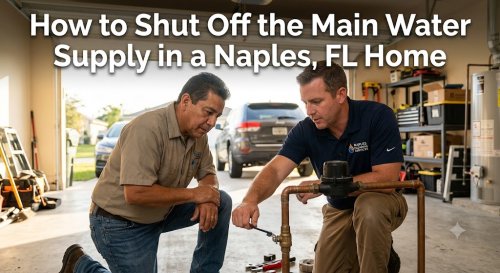
- Shut off the main water valve during major leaks
- Turn off water supply valves near fixtures
- Remove standing water when safe
- Clear visible debris from drains
- Place containers under small leaks temporarily
However, emergency plumbing repairs often require specialized knowledge and equipment.
Avoid attempting complex repairs involving:
- Gas lines
- Main sewer lines
- Hidden leaks
- Burst pipes
- Electrical hazards near water
Improper repairs can increase damage and create safety risks.
Tools Professional Plumbers Use
Experienced plumbers use specialized equipment to diagnose problems accurately.
Drain Cameras
Small cameras inspect inside pipes to locate blockages, cracks, or damage.
Leak Detection Equipment
Advanced detection tools help identify hidden leaks without unnecessary wall or floor damage.
Hydro Jetting
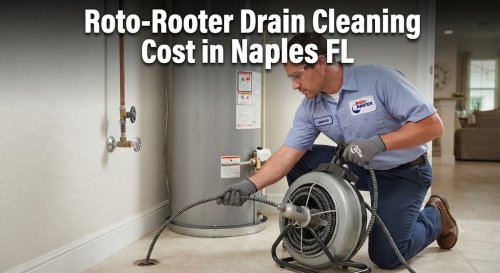
Hydro jetting uses high-pressure water to remove stubborn buildup from drain lines.
Pipe Locators
These tools help locate underground plumbing lines before repairs.
Pressure Testing Equipment
Pressure tests help identify weak areas and leaks in plumbing systems.
Trenchless Technology
Modern trenchless methods may allow certain underground pipe repairs with less digging.
How Long Does Emergency Plumbing Repair Take?
Repair time depends on the type and severity of the problem.
Simple repairs:
Minor leaks, fixture repairs, or small clogs may be completed quickly.
Moderate repairs:
Pipe repairs, water heater issues, or complex drain problems may require more time.
Major repairs:
Sewer line damage, extensive leaks, or underground plumbing problems can take longer due to accessibility and repair requirements.
Emergency response time depends on location, availability, traffic conditions, and the complexity of the issue.
Emergency Plumbing Repair Cost Factors
Plumbing repair costs vary depending on:
- Severity of the problem
- Accessibility of damaged pipes
- Required materials
- Labor involved
- Emergency service timing
- Equipment needed
- Property type
- Local labor rates
- Permit requirements when applicable
A professional plumber should inspect the problem and provide clear recommendations before major work begins.
Hidden Truths Homeowners Should Know
Many plumbing problems become expensive because they are ignored.
- Small leaks can become major water damage issues.
- Temporary fixes often fail when the underlying problem remains.
- Insurance may not cover damage caused by neglected maintenance.
- Tree roots may continue damaging sewer lines without proper repairs.
- Hard water can reduce fixture lifespan.
- DIY mistakes can increase repair costs.
- Hidden leaks increase water bills.
- Moisture problems can lead to mold growth.
- Regular plumbing inspections can prevent emergencies.
Preventive maintenance is often less expensive than emergency repairs.
15 Common Plumbing Mistakes Homeowners Make
- Ignoring small leaks
- Using chemical drain cleaners too often
- Flushing wipes that do not break down
- Pouring grease into drains
- Ignoring low water pressure
- Hiring unqualified contractors
- Skipping routine inspections
- Waiting until a small problem becomes an emergency
- Using incorrect repair materials
- Over-tightening plumbing connections
- Ignoring unusual plumbing noises
- Blocking access to shutoff valves
- Attempting complex repairs without experience
- Neglecting water heater maintenance
- Failing to prepare pipes for winter weather
Emergency Plumbing Maintenance Tips
Follow these tips to reduce plumbing risks:
- Know where your main water shutoff valve is located.
- Inspect exposed pipes regularly.
- Repair dripping faucets quickly.
- Avoid flushing non-flushable items.
- Clean drains regularly.
- Monitor unusual water bills.
- Check water heater condition.
- Protect pipes during freezing weather.
- Avoid chemical drain cleaners when possible.
- Schedule professional plumbing inspections.
- Maintain proper water pressure.
- Remove debris from outdoor drains.
- Check under sinks for moisture.
- Replace worn fixtures.
- Address slow drains early.
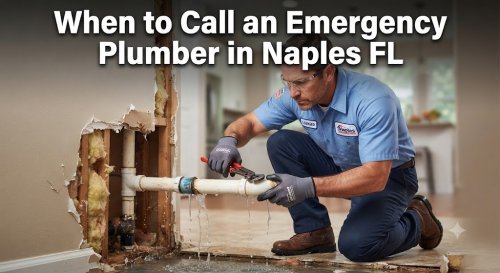
When Should You Call an Emergency Plumber?
Call an emergency plumber when you experience:
- Burst pipes
- Severe flooding
- Sewer backups
- Overflowing toilets
- Large water leaks
- No running water
- Water heater leaks
- Gas-related plumbing concerns from qualified professionals
Fast professional assistance can help reduce property damage and restore normal plumbing operation.