Toilet Repair & Installation Services for Reliable Bathroom Plumbing
A properly working toilet is one of the most important parts of any home or business plumbing system. When a toilet starts leaking, running continuously, clogging frequently, or failing to flush properly, it can quickly become inconvenient and waste a significant amount of water.
Many toilet problems begin as small issues but can develop into larger plumbing concerns when ignored. A constantly running toilet can increase water bills, while leaks around the base can damage flooring and create moisture problems.
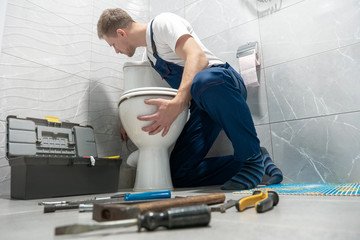
Incas Plumbing provides professional toilet repair and installation services to help homeowners and businesses maintain reliable bathroom plumbing. Whether you need a simple repair, replacement parts, or a complete toilet installation, professional plumbing service can help ensure the job is completed correctly.
This guide explains common toilet problems, causes, warning signs, repair options, installation steps, costs, maintenance tips, and when you should call a professional plumber.
What Are Toilet Repair & Installation Services?
Toilet repair and installation services include diagnosing, fixing, replacing, and installing toilet systems in residential and commercial properties.
A toilet has several components that work together, including:
- Toilet tank
- Fill valve
- Flush valve
- Flapper
- Handle or button mechanism
- Wax ring seal
- Supply line
- Drain connection
When one component fails, the toilet may stop working properly.
Professional toilet services may include:
- Running toilet repair
- Toilet leak repair
- Clogged toilet repair
- Toilet replacement
- New toilet installation
- Broken toilet component replacement
- Water-saving toilet upgrades
- Commercial restroom toilet repairs
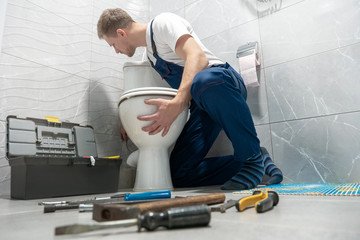
A professional plumber can determine whether repairing the existing toilet or replacing it is the better option.
Why Do Toilet Problems Happen?
Toilet issues can develop due to normal wear, damaged parts, plumbing problems, or improper installation.
Worn Internal Components
Toilet parts such as flappers, seals, and fill valves wear out over time. These small components can cause constant running, leaks, or flushing problems.
Mineral Buildup From Hard Water
Hard water deposits can affect valves, openings, and moving parts inside the toilet tank, reducing performance.
Drain Blockages
Toilet clogs often occur when too much material prevents waste from moving through the drain line.
Common causes include:
- Excess toilet paper
- Non-flushable wipes
- Hygiene products
- Foreign objects
Damaged Wax Ring Seal
The wax ring creates a seal between the toilet and drain pipe. When it fails, water may leak around the toilet base.
Improper Installation
A poorly installed toilet may wobble, leak, or fail to seal correctly.
Aging Toilets
Older toilets may use more water and require frequent repairs due to outdated components.
Signs Your Toilet Needs Repair
Recognizing early warning signs can prevent larger plumbing problems.
Toilet Keeps Running
A toilet that continues running after flushing may have a faulty flapper, fill valve, or float mechanism.
A running toilet wastes water and can increase monthly utility bills.
Water Leaking Around the Base
Water around the toilet base may indicate a damaged wax seal or connection problem.
Weak Flush
A weak flush may be caused by:
- Low water level
- Mineral buildup
- Partial blockage
- Internal component issues
Frequent Toilet Clogs
Occasional clogs are normal, but repeated backups may indicate deeper drainage problems.
Toilet Rocks or Moves
A loose toilet may have installation problems or a damaged seal.
Strange Noises
Whistling, hissing, or unusual sounds may indicate a faulty valve or pressure issue.
Toilet Overflowing
An overflowing toilet requires quick attention to prevent water damage.
Common Toilet Problems and Solutions
Running Toilet Repair
A running toilet is often caused by:
- Worn flapper
- Faulty fill valve
- Incorrect water level
- Damaged flush components
A plumber can inspect the tank components and replace damaged parts.
Clogged Toilet Repair
Minor clogs may be cleared with a plunger, but repeated or severe clogs may require professional tools.
Toilet Leaks
Leaks may occur from:
- Tank connections
- Supply lines
- Wax seals
- Cracked toilet components
Toilet Replacement
Replacement may be recommended when:
- The toilet is old
- Repairs are frequent
- The porcelain is cracked
- Water efficiency is poor
New Toilet Installation
Installing a new toilet requires proper alignment, sealing, and connection to prevent future leaks.
Professional Toilet Repair Process
A professional plumber typically follows these steps:
Step 1: Inspection
The plumber examines the toilet, connections, water supply, and surrounding plumbing.
Step 2: Identify the Problem
The cause of the issue is determined, whether it involves internal parts, drainage, or installation problems.
Step 3: Explain Repair Options
The plumber explains available solutions and recommends repair or replacement based on the condition of the toilet.
Step 4: Complete Repairs
Repairs may include:
- Replacing valves
- Repairing leaks
- Clearing blockages
- Replacing damaged components
Step 5: Test Operation
The toilet is flushed and inspected to confirm proper performance.
Step 6: Provide Maintenance Advice
Homeowners receive recommendations to help prevent future issues.
Toilet Installation Process
Installing a new toilet requires proper preparation and professional setup.
Step 1: Choose the Right Toilet
A plumber can help select a toilet based on:
- Bathroom size
- Water efficiency
- Comfort preferences
- Plumbing compatibility
Step 2: Remove Old Toilet
The existing toilet is safely disconnected and removed.
Step 3: Inspect Connections
The plumber checks the drain opening, flange, and supply line.
Step 4: Install New Toilet
The toilet is positioned, sealed, connected, and secured.
Step 5: Test for Leaks
The system is tested to ensure proper flushing and water flow.
Can You Repair a Toilet Yourself?
Some simple toilet maintenance tasks may be safe for homeowners.
You can:
- Replace a toilet handle
- Adjust the toilet chain
- Check the water supply valve
- Use a plunger for minor clogs
However, professional help is recommended for:
- Persistent clogs
- Toilet leaks
- Broken seals
- Toilet replacement
- Drain line issues
Incorrect repairs can create leaks, water damage, or additional plumbing problems.
Tools Professionals Use for Toilet Services
Professional plumbers use specialized tools to diagnose and repair toilet problems.
Plumbing Augers
Used to remove stubborn toilet blockages.
Leak Detection Equipment
Helps identify hidden water leaks.
Pressure Testing Tools
Used to evaluate plumbing system performance.
Inspection Tools
Help identify issues inside pipes and connections.
Installation Equipment
Ensures toilets are properly aligned and sealed.
How Long Does Toilet Repair or Installation Take?
The timeline depends on the type of service.
Simple repairs:
Replacing a flapper, handle, or valve may take less time.
Moderate repairs:
Fixing leaks or removing difficult clogs may require additional work.
Toilet installation:
Replacing a toilet usually depends on accessibility, plumbing condition, and required adjustments.
Factors affecting service time include:
- Toilet condition
- Plumbing accessibility
- Required replacement parts
- Drain condition
- Installation requirements
Toilet Repair and Installation Cost Factors
Toilet service costs vary depending on:
- Type of repair
- Replacement parts required
- Toilet model
- Labor involved
- Plumbing accessibility
- Installation requirements
- Emergency service needs
A professional plumber should inspect the toilet and provide recommendations based on your specific situation.
Hidden Truths Homeowners Should Know About Toilets
Many toilet problems are ignored because they seem minor.
- A running toilet can waste hundreds of gallons of water.
- Small leaks can damage flooring.
- Frequent clogs may indicate deeper plumbing issues.
- Cheap replacement parts may fail sooner.
- Older toilets may cost more in water usage.
- Improper installation can create leaks.
- Ignoring toilet problems can lead to larger repairs.
Early repairs often prevent unnecessary expenses.
15 Common Toilet Mistakes Homeowners Make
1. Ignoring a Running Toilet
Continuous running wastes water and increases bills.
2. Flushing Non-Flushable Items
Wipes and foreign objects can cause serious clogs.
3. Using Too Much Toilet Paper
Excess paper can overwhelm drainage systems.
4. Ignoring Small Leaks
Small leaks can damage flooring.
5. Using Harsh Chemicals Frequently
Some chemicals can damage plumbing components.
6. Over-Tightening Toilet Connections
Too much pressure can crack parts.
7. Forcing a Toilet Handle
Damaged handles may require replacement.
8. Ignoring Weak Flushes
Weak flushing may indicate underlying issues.
9. Delaying Professional Repairs
Small issues can become expensive.
10. Installing Toilets Incorrectly
Poor installation may cause leaks.
11. Blocking Access to Shutoff Valves
Quick shutoff is important during emergencies.
12. Ignoring Toilet Movement
A loose toilet may indicate sealing problems.
13. Using Incorrect Replacement Parts
Wrong parts may not work properly.
14. Ignoring Water Usage
Older toilets may waste significant water.
15. Skipping Plumbing Inspections
Regular checks help prevent problems.
Toilet Maintenance Tips
Follow these tips to keep your toilet working properly:
- Avoid flushing non-flushable items.
- Check for leaks regularly.
- Repair running toilets quickly.
- Clean mineral buildup periodically.
- Avoid excessive chemical cleaners.
- Use proper toilet paper amounts.
- Inspect supply lines.
- Keep shutoff valves accessible.
- Replace worn parts when needed.
- Schedule professional plumbing inspections.
- Avoid placing heavy items on toilet tanks.
- Check toilet stability.
- Monitor unusual sounds.
- Address slow flushing early.
- Maintain bathroom ventilation.
- Replace outdated toilets when necessary.
When Should You Call an Emergency Plumber?
Contact a professional plumber immediately for:
- Overflowing toilets
- Major toilet leaks
- Sewage backups
- Cracked toilet bowls
- Water damage around bathrooms
- Toilets that cannot be used safely
Quick action can prevent property damage and sanitation problems.
Frequently Asked Questions About Toilet Repair & Installation
Why does my toilet keep running?
A running toilet is commonly caused by a faulty flapper, fill valve, or water level issue.
How much water does a running toilet waste?
A constantly running toilet can waste significant amounts of water depending on the severity of the leak.
Why is my toilet clogged repeatedly?
Repeated clogs may indicate drainage problems or improper flushing habits.
Should I repair or replace my toilet?
The decision depends on the toilet’s age, condition, and repair costs.
How long does a toilet installation take?
Installation time depends on plumbing conditions and whether adjustments are needed.
Why is water leaking around my toilet base?
A damaged wax seal or connection issue may cause leaks around the base.
Can I install a toilet myself?
Basic replacement may seem simple, but professional installation helps prevent leaks and alignment problems.
Why is my toilet flushing weakly?
Possible causes include low water levels, buildup, or partial blockages.
How often should toilets be replaced?
Replacement depends on age, condition, efficiency, and repair frequency.
Are low-flow toilets better?
Modern efficient toilets can reduce water usage while maintaining performance.
Why Choose Incas Plumbing for Toilet Repair & Installation?
A properly functioning toilet requires accurate diagnosis and professional installation.
Incas Plumbing provides reliable toilet repair and installation services focused on solving plumbing problems correctly.
Professional toilet services include:
- Experienced plumbing knowledge
- Accurate troubleshooting
- Quality replacement parts
- Proper installation methods
- Honest recommendations
- Customer-focused solutions
Every toilet issue is different, so professional evaluation helps determine the best repair approach.