Waking Up to a Midnight Leak: The Reality of Cincinnati Plumbing
Water doesn’t care what time it is. You might step out of bed on a freezing January morning only to feel the slick, unwelcome pool of water spreading across your basement floor from a cracked supply line. Or perhaps you turn on the kitchen faucet before work and listen to a gut-sink gurgle as wastewater backs up into your sink basin.
When infrastructure fails, panic sets in fast. Knowing how to react, who to call, and what a professional technician actually looks for separates a minor inconvenience from an expensive structural disaster. For homeowners navigating these headaches across the region, understanding local plumbing quirks makes all the difference.
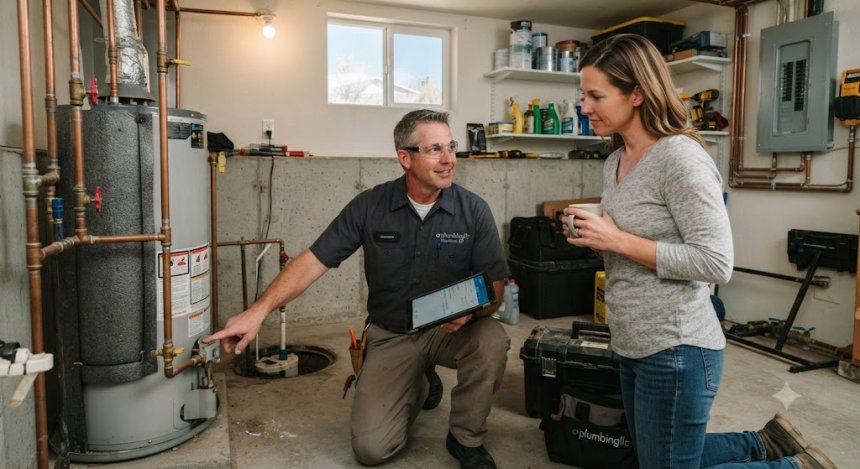
What Plumbers in Cincinnati Ohio Offers and Who It Suits
Plumbers in Cincinnati https://plumbersincincinnatiohio.com/ Ohio operates as a licensed and insured local plumbing provider handling both everyday residential fixes and heavy-duty commercial system needs. Their team covers the entire Greater Cincinnati metropolitan footprint—stretching from historic urban properties in Over-the-Rhine and Clifton down to surrounding neighborhoods and Northern Kentucky.
This company is a strong fit for homeowners living in older or mid-century housing stock who need technicians experienced in dealing with aging galvanized or cast-iron lines. They are also well-suited for property managers and commercial operators requiring 24/7 disaster response for sudden main line backups or commercial water heater failures.
Core Service Breakdown: What to Expect on Site
1. Emergency Plumbing and Pipe Restoration
-
What it involves: Rapid dispatch for acute crises like burst supply pipes, major manifold leaks, or total water supply outages.
-
When you need it: When water is actively pouring into building cavities or you have zero functional water pressure.
-
What a good technician checks: A thorough plumber will isolate the main shut-off, inspect adjacent pipe runs for hidden stress fractures caused by pressure spikes, and test overall home water pressure to ensure it sits safely below 80 PSI.
2. Drain Cleaning and Hydro-Jetting
-
What it involves: Clearing stubborn blockages caused by grease, root intrusion, or scale buildup using motorized snakes or high-pressure water jetting.
-
When you need it: For recurring slow drains, foul sewer odors indoors, or multi-fixture backups (like flushing a toilet causing water to rise in the shower).
-
What a good technician checks: Professionals should run a sewer camera down the line post-cleaning to verify that the pipe interior is clear and check for structural offsets, cracks, or bellies in the line.
3. Water Heater Repair and Installation
-
What it involves: Diagnosing pilot assembly failures, heating element shorts, or tank corrosion for traditional tank setups and tankless units.
-
When you need it: If you notice rusty water, rumbling noises from the tank, or lukewarm water that runs out mid-shower.
-
What a good technician checks: Technicians evaluate the anode rod condition, test the thermal expansion tank, verify proper venting clearance, and check gas supply lines or electrical draws.
The Cincinnati Plumbing Landscape: Weather and Infrastructure
Local geography and climate present distinct hurdles for plumbing systems in this region.
-
Hard Water Realities: Mineral-heavy municipal water supplies coat heating elements and pipe walls with calcium scale, shortening the lifespan of water heaters and clogging faucet aerators.
-
Freeze-Thaw Cycles: Winter cold snaps drop temperatures rapidly, putting poorly insulated basement or exterior-facing wall pipes at severe risk of freezing and splitting.
-
Aging Municipal Infrastructure: Many neighborhoods feature older clay sewer tiles combined with mature trees. Tree roots aggressively seek out moisture through tiny pipe joints, leading to major sewer blockages.
What Affects Repair Costs? (Industry Estimates)
Plumbing pricing depends heavily on the complexity, accessibility, and time required for a job. While exact quotes require an on-site look, general industry ranges in the Midwest include:
-
Standard Service Call / Diagnostic Fee: Typically ranges from $75 to $275, which covers the technician's travel and troubleshooting time.
-
Standard Hourly Labor: Ranges between $100 and $175 per hour for routine appointments. After-hours or holiday emergency dispatches often run 50% to 100% higher.
-
Minor Repairs (Faucets, Toilets, Small Leaks): Usually fall between $150 and $450 including basic parts.
-
Major Interventions (Main line jetting, water heater replacement, trenchless spot repairs): Can range anywhere from $1,000 to upwards of $4,000+ depending on excavation needs and equipment scale.
Note: Always ask Plumbers in Cincinnati https://plumbersincincinnatiohio.com/ directly for an up-front, written estimate before authorizing any invasive repair work.
Emergency Plumbing: What Is Urgent and How to Stay Safe
Knowing what constitutes a true emergency prevents property damage and physical injury.
-
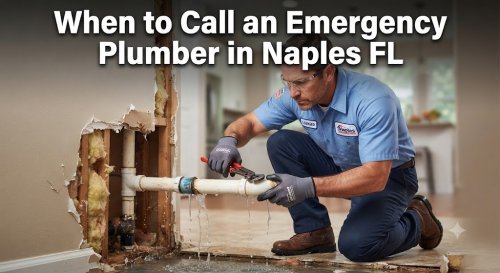
Count it as an urgent emergency: Burst supply pipes, raw sewage pooling in living spaces, active gas line odors, or a total lack of water during freezing weather.
-
Safe homeowner steps:
-
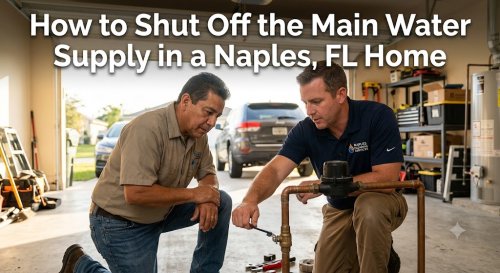
Locate your main water shut-off valve ahead of time and turn it clockwise to stop incoming flow.
-
Kill power at the breaker panel if water is near electrical outlets or pooling around your water heater.
-
Open low-level outdoor spigots to drain remaining pressure from the lines.
-
Call Plumbers in Cincinnati Ohio at (844) 973-0400 for 24/7 dispatch.
-
Essential Questions to Ask Before Hiring Any Plumber
Before letting anyone work on your home's vital systems, get clear answers to these questions:
-
Are your technicians fully licensed and insured for residential and commercial work in Ohio?
-
Do you charge a flat rate by the job or an open-ended hourly rate?
-
Does this repair come with a written parts and labor warranty?
-
Will you pull local municipal permits if this project requires structural plumbing changes?
-
Can you provide local references or point to verified recent project histories?
5 to 6 Practical Maintenance Tips to Prevent Failures
-
Flush your water heater annually: Drain a few gallons from the bottom valve once a year to flush out sediment buildup caused by hard water.
-
Inspect your main shut-off valve: Turn your main water valve off and on twice a year to ensure it doesn't seize up when you need it most.
-
Watch what goes down the drain: Avoid pouring cooking grease, coffee grounds, and starchy food waste down kitchen sinks. Use mesh strainers.
-
Protect exposed pipes against frost: Wrap vulnerable basement and crawlspace water lines with foam insulation sleeves before winter sets in.
-
Test your sump pump: Pour a 5-gallon bucket of water into your sump pit during dry months to confirm the float switch triggers the pump cleanly.
-
Skip chemical drain openers: Harsh chemical liquids can corrode older metal pipe threads and degrade rubber gaskets over time; rely on mechanical snaking instead.
Frequently Asked Questions
Why is my water pressure suddenly dropping?
It could be a clogged faucet aerator, a partially closed main valve, or a hidden underground leak. Check multiple sinks to see if the issue is isolated or whole-house.
How often should I have my main sewer line inspected?
If your home is over 30 years old or surrounded by large mature trees, schedule a camera inspection every 2 to 3 years to catch root intrusion early.
Is a running toilet actually a big deal?
Yes. A continuously running flush valve can waste hundreds of gallons of water a day, driving up your municipal utility bills significantly.
Can I install a tankless water heater where a traditional tank used to be?
Often yes, but it frequently requires upgrading gas supply lines, electrical circuits, or venting pathways to meet higher BTU demands.
What causes that banging sound in my pipes when I turn off a tap?
That is known as "water hammer." It happens when moving water slams against closed valves. Installing water hammer arrestors usually solves it.
How do I know if a leak is hidden behind a wall?
Look for unexplained spikes in your water bill, warm spots on flooring, peeling wallpaper, or musty smells and mold growth.
Are chemical drain cleaners safe for PVC pipes?
Frequent use generates intense heat during chemical reactions, which can warp PVC joints and eat away at older metallic plumbing connections.
Who is responsible if a sewer backup occurs on my property?
Generally, homeowners maintain the private lateral line running from the house to the public main in the street. Contact local municipal resources or your plumber to verify property boundaries.
Honest Closing: Who This Company Suits and What to Confirm
Plumbers in Cincinnati https://plumbersincincinnatiohio.com/ offers a reliable, round-the-clock lifeline for local property owners grappling with unpredictable plumbing failures. They fit homeowners and business operators who value accessibility, transparent scheduling, and technicians equipped to handle regional hurdles like hard water scaling and freeze-prone infrastructure.
Before you book a service call, always confirm their current diagnostic fee structure, check whether their dispatch covers your specific municipality, and ask for a firm estimate before any major wrench turns.