Residential Plumbing Repair & Maintenance Services for a Safe and Reliable Home
A properly functioning plumbing system is one of the most important parts of a comfortable home. Every day, homeowners rely on plumbing for drinking water, cooking, cleaning, bathing, and wastewater removal. When something goes wrong, even a small plumbing issue can quickly disrupt your routine.
A dripping faucet, slow drain, leaking pipe, running toilet, or water heater problem may seem minor at first. However, ignoring these issues can lead to higher water bills, property damage, mold growth, and expensive emergency repairs.
Regular maintenance and timely professional repairs help extend the life of your plumbing system and prevent unexpected breakdowns.
Incas Plumbing provides professional residential plumbing repair and maintenance services designed to help homeowners maintain safe, efficient, and dependable plumbing systems.
Whether you need emergency repairs, routine maintenance, leak detection, fixture repair, or plumbing system inspections, experienced plumbing professionals can help identify problems and provide the right solution.
What Are Residential Plumbing Repair & Maintenance Services?
Residential plumbing repair and maintenance involves inspecting, repairing, replacing, and maintaining the plumbing systems inside and around your home.
A home plumbing system includes:
- Water supply pipes
- Drain lines
- Toilets
- Faucets
- Sinks
- Showers and bathtubs
- Water heaters
- Garbage disposals
- Sewer connections
- Outdoor plumbing fixtures
Residential plumbing services may include:
- Leak detection and repair
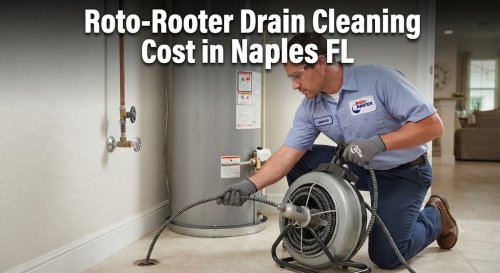
- Drain cleaning
- Toilet repair and installation
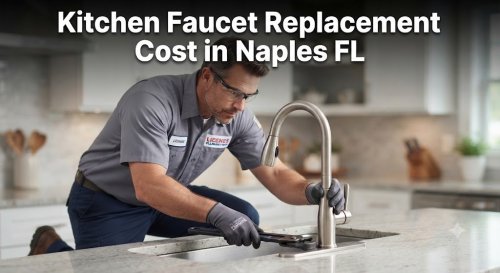
- Faucet and sink repair
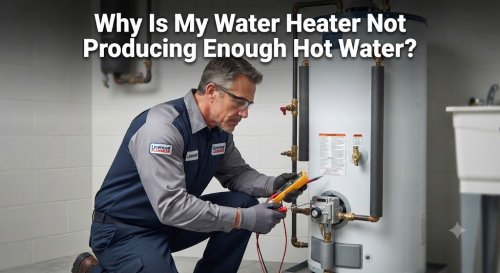
- Water heater services
- Pipe repair
- Sewer line repair
- Garbage disposal repair
- Fixture replacement
- Preventive plumbing inspections
Professional maintenance helps homeowners detect issues before they become major plumbing emergencies.
Why Do Residential Plumbing Problems Occur?
Plumbing problems can happen in any home, regardless of age. Several common factors contribute to plumbing failures.
Aging Plumbing Systems
Over time, pipes, fixtures, and connections naturally wear down. Older homes may experience more frequent leaks, corrosion, and reduced water flow.
Corrosion and Pipe Deterioration
Certain pipe materials can weaken due to age, water chemistry, and mineral buildup.
Corrosion may cause:
- Leaks
- Discolored water
- Reduced pressure
- Pipe failure
Hard Water Mineral Buildup
Hard water contains minerals that can accumulate inside pipes, faucets, showerheads, and appliances.
This buildup may reduce efficiency and shorten fixture lifespan.
High Water Pressure
Excessive pressure can place stress on:
- Pipes
- Valves
- Fixtures
- Appliance connections
Over time, this may increase the risk of leaks.
Poor Maintenance
Many plumbing problems develop because small issues are ignored.
Examples include:
- Dripping faucets
- Slow drains
- Minor leaks
- Running toilets
Drain Blockages
Residential drains commonly become clogged due to:
- Hair
- Soap buildup
- Food waste
- Grease
- Foreign objects
Seasonal Weather Changes
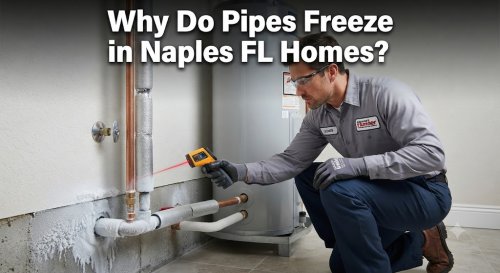
Cold temperatures can freeze pipes, while extreme weather can affect outdoor plumbing systems.
Common Residential Plumbing Problems
Leaking Pipes
Pipe leaks can occur inside walls, ceilings, floors, or underground.
Warning signs include:
- Water stains
- Damp areas
- Mold growth
- Increased water bills
Professional leak repair helps prevent structural damage.
Clogged Drains
Slow or blocked drains are among the most common household plumbing issues.
Common causes include:
- Hair buildup
- Soap residue
- Grease accumulation
- Foreign objects
Professional drain cleaning can remove stubborn blockages safely.
Running Toilets
A toilet that constantly runs wastes water and may increase utility costs.
Common causes include:
- Faulty flapper
- Damaged fill valve
- Incorrect water level
Low Water Pressure
Low water pressure can affect showers, faucets, and appliances.
Possible causes include:
- Pipe corrosion
- Mineral buildup
- Leaks
- Plumbing restrictions
Water Heater Problems
Water heater issues may include:
- No hot water
- Strange noises
- Leaking tanks
- Temperature problems
Regular maintenance helps improve efficiency and reliability.
Faucet and Fixture Issues
Common fixture problems include:
- Dripping faucets
- Loose handles
- Leaking connections
- Poor water flow
Signs Your Home Needs Plumbing Repair
Homeowners should watch for these warning signs:
Unusual Water Bills
A sudden increase in water usage may indicate hidden leaks.
Water Stains
Discoloration on walls or ceilings may signal plumbing leaks.
Bad Plumbing Odors
Sewer smells may indicate drainage or sewer problems.
Slow Drains
Slow drainage often indicates buildup or blockages.
Strange Sounds
Banging, gurgling, or whistling sounds may indicate plumbing issues.
Mold or Mildew
Persistent moisture may create conditions for mold growth.
Water Pooling
Standing water around fixtures or appliances may indicate leaks.
Professional Residential Plumbing Repair Process
A professional plumber follows a systematic approach to solve plumbing problems.
Step 1: Inspection
The plumber evaluates the plumbing issue, affected areas, and system condition.
Step 2: Diagnosis
Professional tools may be used to identify the exact cause.
Step 3: Repair Recommendation
The plumber explains available solutions and recommends the most practical option.
Step 4: Professional Repair
Repairs may include:
- Fixing leaks
- Replacing damaged parts
- Clearing drains
- Repairing fixtures
- Replacing pipes
Step 5: Testing
The plumbing system is tested to confirm proper operation.
Step 6: Maintenance Advice
Homeowners receive recommendations to help prevent future problems.
Importance of Preventive Plumbing Maintenance
Regular plumbing maintenance helps homeowners avoid unexpected emergencies.
Benefits include:
- Lower repair costs
- Improved water efficiency
- Longer fixture lifespan
- Early leak detection
- Better system performance
- Reduced emergency breakdowns
Preventive maintenance is especially valuable for older homes or properties with aging plumbing systems.
Can Homeowners Handle Plumbing Repairs Themselves?
Some minor tasks may be safe for homeowners.
You can:
- Clear small drain blockages
- Replace simple faucet aerators
- Check visible pipes for leaks
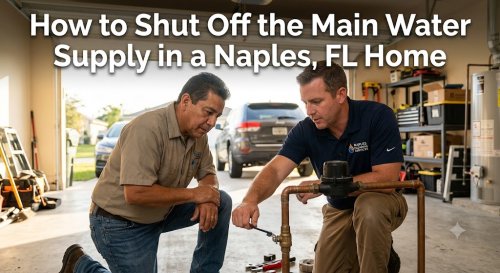
- Turn off water during emergencies
However, professional service is recommended for:
- Hidden leaks
- Pipe repairs
- Sewer issues
- Water heater problems
- Major clogs
- Plumbing replacements
DIY repairs without proper knowledge may cause additional damage.
Professional Tools Used in Residential Plumbing
Modern plumbing professionals use advanced equipment to diagnose and repair problems.
Drain Cameras
Used to inspect drain and sewer lines.
Leak Detection Equipment
Helps locate hidden leaks behind walls and underground.
Hydro Jetting Equipment
Uses high-pressure water to clean certain drain systems.
Pressure Testing Tools
Used to evaluate plumbing system performance.
Pipe Inspection Cameras
Help identify damage inside pipes.
Trenchless Technology
May allow certain underground pipe repairs with minimal excavation.
How Often Should Residential Plumbing Be Maintained?
Maintenance frequency depends on:
- Home age
- Plumbing condition
- Water quality
- Previous repair history
- Household usage
Many homeowners benefit from regular plumbing inspections to identify developing issues early.
Residential Plumbing Repair Cost Factors
Plumbing repair costs vary depending on:
- Type of plumbing problem
- Severity of damage
- Accessibility of pipes
- Materials required
- Labor involved
- Equipment needed
- Emergency service requirements
Plumbing repair costs vary depending on the severity of the problem, accessibility, materials required, emergency service, property type, and local labor rates.
A professional inspection helps determine the correct repair approach.
Hidden Truths Homeowners Should Know About Plumbing
Many expensive plumbing problems begin as small warning signs.
Homeowners should know:
- Small leaks can cause major water damage.
- Ignoring slow drains can lead to bigger blockages.
- Cheap repairs may fail quickly.
- Old pipes may require replacement instead of repeated repairs.
- Hidden leaks increase water bills.
- Mold can develop in damp areas.
- Preventive maintenance saves money over time.
- Professional inspections can identify problems early.
Taking action early protects your home and your plumbing investment.
15 Common Residential Plumbing Mistakes
1. Ignoring Small Leaks
Minor leaks can become expensive repairs.
2. Using Chemical Drain Cleaners Frequently
Some chemicals may damage pipes.
3. Flushing Non-Flushable Items
Items like wipes can create blockages.
4. Pouring Grease Into Drains
Grease can harden and clog pipes.
5. Ignoring Water Pressure Problems
High pressure can damage plumbing systems.
6. Delaying Plumbing Repairs
Small problems often become emergencies.
7. Skipping Maintenance
Regular checks prevent failures.
8. Attempting Complex Repairs
Incorrect repairs may increase damage.
9. Ignoring Water Heater Maintenance
Sediment buildup reduces efficiency.
10. Blocking Plumbing Access Areas
Easy access helps during emergencies.
11. Ignoring Sewer Odors
Bad smells may indicate serious issues.
12. Overloading Garbage Disposals
Excess waste causes clogs.
13. Ignoring Outdoor Plumbing
Outdoor leaks can waste water.
14. Choosing Unqualified Plumbing Services
Poor repairs may create recurring issues.
15. Waiting Until Emergencies Occur
Preventive care reduces risks.
Residential Plumbing Maintenance Tips
Follow these tips to protect your plumbing system:
- Check pipes regularly for leaks.
- Repair dripping faucets.
- Monitor water bills.
- Know your main shutoff valve location.
- Avoid flushing harmful materials.
- Clean drains regularly.
- Protect pipes during freezing weather.
- Maintain water heater settings.
- Inspect under sinks.
- Avoid grease disposal through drains.
- Schedule plumbing inspections.
- Watch for water pressure changes.
- Replace old fixtures when needed.
- Maintain garbage disposal systems.
- Address slow drains early.
- Keep plumbing areas accessible.
- Repair leaks immediately.
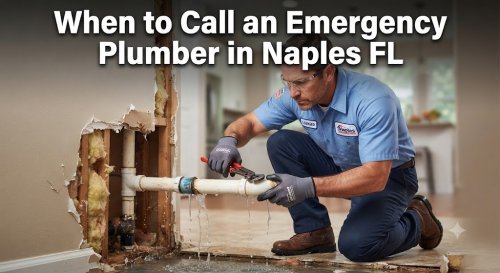
When Should You Call an Emergency Plumber?
Contact a professional plumber immediately for:
- Burst pipes
- Major water leaks
- Sewage backups
- Flooding
- Overflowing toilets
- No running water
- Water heater failures
Quick response can reduce property damage and prevent expensive restoration.
Frequently Asked Questions About Residential Plumbing Services
How often should I schedule plumbing maintenance?
Maintenance frequency depends on your home’s age, plumbing condition, and usage.
Why is my water bill suddenly higher?
Higher bills may indicate hidden leaks or inefficient plumbing fixtures.
How can I prevent clogged drains?
Avoid putting grease, foreign objects, and excessive waste into drains.
What causes low water pressure at home?
Common causes include leaks, mineral buildup, and aging pipes.
How do I know if I have a hidden leak?
Signs include water stains, mold, unusual sounds, and increased water bills.
Should I repair or replace old pipes?
The decision depends on pipe condition, age, and repair history.
How long do residential plumbing systems last?
Lifespan depends on materials, installation quality, water conditions, and maintenance.
Why does my toilet keep running?
A faulty flapper, fill valve, or internal component may be responsible.
Can regular maintenance prevent plumbing emergencies?
Yes. Preventive inspections help identify problems before major failures occur.
When should I call a professional plumber?
Call a plumber for leaks, major clogs, sewer issues, pipe damage, and emergency situations.
Why Choose Incas Plumbing for Residential Plumbing Services?
A reliable home plumbing system requires accurate diagnosis and professional workmanship.
Incas Plumbing provides residential plumbing repair and maintenance services focused on solving problems effectively and protecting your home.
Homeowners can benefit from:
- Professional plumbing experience
- Accurate problem diagnosis
- Quality repair solutions
- Modern plumbing equipment
- Honest recommendations
- Preventive maintenance guidance
Every home plumbing system is different, so professional evaluation helps determine the right solution.