Commercial Plumbing Services for Businesses – Professional Solutions to Keep Your Property Running
A reliable plumbing system is essential for every commercial property. Whether you operate an office building, restaurant, retail store, apartment complex, warehouse, or other business facility, plumbing problems can quickly interrupt daily operations and affect employees, customers, and revenue.
A leaking pipe, clogged restroom, broken water heater, or sewer backup is more than a simple inconvenience in a commercial environment. These issues can create safety concerns, property damage, compliance challenges, and unexpected downtime.
Incas Plumbing provides professional commercial plumbing services for businesses to help property owners, managers, and business operators maintain safe, efficient, and dependable plumbing systems.
From emergency repairs and drain cleaning to plumbing installation and preventative maintenance, experienced commercial plumbers can help identify problems early and provide solutions designed for your property’s specific needs.
This guide explains common commercial plumbing problems, causes, repair processes, maintenance strategies, costs, and when businesses should call a professional plumber.
What Are Commercial Plumbing Services?
Commercial plumbing services involve installing, repairing, maintaining, and managing plumbing systems in business and commercial properties.
Unlike residential plumbing systems, commercial plumbing often involves:
- Larger water supply systems
- Multiple restrooms
- Higher daily usage
- Complex drainage networks
- Commercial-grade equipment
- Local building code requirements
Commercial plumbing services may include:
- Emergency plumbing repairs
- Pipe repair and replacement
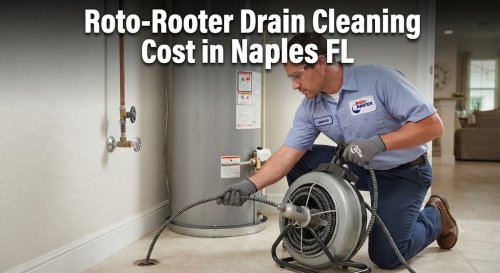
- Drain cleaning
- Sewer line services
- Water heater repair and installation
- Bathroom plumbing services
- Faucet and fixture repairs
- Commercial restroom maintenance
- Leak detection
- Plumbing system inspections
- Preventive maintenance programs
Professional commercial plumbing helps businesses avoid disruptions and maintain a safe environment.
Why Do Commercial Plumbing Problems Occur?
Commercial plumbing systems experience more stress than residential systems because they are used by more people throughout the day.
Heavy Daily Usage
Restaurants, offices, schools, and retail properties experience constant plumbing activity. Frequent use increases wear on pipes, fixtures, and drains.
Aging Plumbing Infrastructure
Older commercial buildings may have outdated plumbing systems that become more vulnerable to leaks, corrosion, and failures.
Pipe Corrosion
Over time, pipes may weaken due to:
- Water chemistry
- Mineral buildup
- Age
- Environmental conditions
Corroded pipes can lead to leaks, reduced water pressure, and water quality concerns.
Drain Blockages
Commercial drains often handle large amounts of waste, grease, and debris.
Common causes include:
- Food waste
- Grease buildup
- Paper products
- Foreign objects
Poor Maintenance
Without regular inspections, small issues can become major plumbing emergencies.
Improper Installation
Incorrect plumbing installation can create long-term problems, including leaks and inefficient system performance.
High Water Pressure
Excessive pressure can damage commercial plumbing components and increase the risk of pipe failure.
Common Commercial Plumbing Problems Businesses Face
1. Commercial Drain Clogs
Blocked drains are among the most common commercial plumbing issues.
Signs include:
- Slow drainage
- Standing water
- Bad odors
- Overflowing sinks
Restaurants and food businesses often experience grease-related drain problems.
2. Commercial Pipe Leaks
Leaks can occur in:
- Supply lines
- Drain pipes
- Underground plumbing
- Bathroom fixtures
Even a small leak can damage walls, floors, inventory, and equipment.
3. Commercial Water Heater Problems
Businesses depend on reliable hot water for:
- Restaurants
- Hotels
- Healthcare facilities
- Cleaning operations
Common water heater issues include:
- No hot water
- Temperature problems
- Leaking tanks
- Sediment buildup
4. Sewer Line Problems
Commercial sewer issues can cause:
- Backups
- Unpleasant odors
- Drain failures
- Health concerns
Professional inspection helps identify whether cleaning, repair, or replacement is required.
5. Low Water Pressure
Low pressure may affect:
- Restrooms
- Kitchens
- Cleaning systems
- Equipment performance
Possible causes include leaks, pipe restrictions, or plumbing damage.
6. Restroom Plumbing Issues
Commercial bathrooms experience heavy use and may require frequent maintenance.
Common problems include:
- Running toilets
- Broken faucets
- Clogged toilets
- Damaged fixtures
- Leaking pipes
Signs Your Business Needs Commercial Plumbing Service
Businesses should not ignore early warning signs.
Increasing Water Bills
Unexpected increases may indicate hidden leaks or inefficient plumbing equipment.
Slow Drains
Multiple slow drains may indicate larger drainage problems.
Water Damage
Wet floors, stains, or moisture around plumbing fixtures may indicate leaks.
Unusual Plumbing Sounds
Banging, gurgling, or whistling sounds may indicate plumbing issues.
Bad Odors
Persistent odors may indicate drain, sewer, or wastewater problems.
Reduced Water Pressure
Low pressure may affect daily operations and customer experience.
Frequent Repairs
Repeated repairs may indicate aging or failing plumbing systems.
Professional Commercial Plumbing Repair Process
A professional commercial plumber typically follows a structured process.
Step 1: Property Inspection
The plumber evaluates the plumbing system, identifies symptoms, and reviews previous issues.
Step 2: Accurate Diagnosis
Modern equipment may be used to locate:
- Leaks
- Blockages
- Pipe damage
- Sewer issues
Step 3: Solution Recommendation
The plumber explains repair options based on:
- Safety
- Cost
- Long-term reliability
Step 4: Professional Repair
Repairs may include:
- Pipe replacement
- Drain cleaning
- Fixture repair
- Water heater service
- Sewer repairs
Step 5: System Testing
The plumbing system is tested to confirm proper operation.
Step 6: Preventive Recommendations
Businesses receive advice to reduce future plumbing problems.
Commercial Plumbing Installation Services
New construction, renovations, and business expansions often require professional plumbing installation.
Commercial installation services may include:
- New water lines
- Bathroom plumbing systems
- Kitchen plumbing
- Water heaters
- Fixtures
- Drainage systems
- Backflow prevention systems
Proper installation helps improve efficiency and reduce future repair needs.
Can Businesses Handle Plumbing Problems Themselves?
Some basic steps can help during minor issues.
Businesses can:
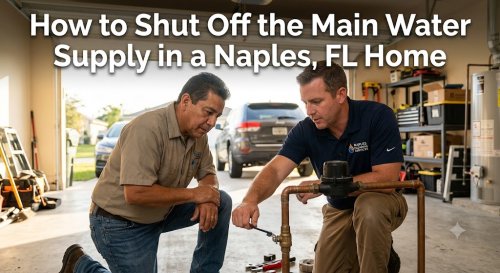
- Shut off water during emergencies
- Remove visible debris from drains
- Monitor unusual plumbing changes
- Contact professional plumbing services quickly
However, commercial plumbing repairs should generally be handled by trained professionals.
DIY repairs may create:
- Additional damage
- Safety issues
- Code violations
- Increased repair costs
Professional Tools Used in Commercial Plumbing
Commercial plumbers use advanced equipment to improve accuracy.
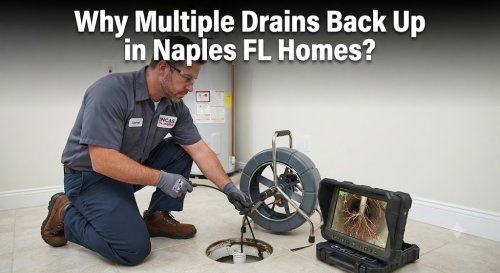
Drain Cameras
Used to inspect pipes and identify blockages or damage.
Hydro Jetting Equipment
High-pressure water cleaning removes buildup from commercial drains.
Leak Detection Technology
Helps locate hidden leaks without unnecessary damage.
Pipe Inspection Cameras
Allow professionals to evaluate internal pipe conditions.
Pressure Testing Equipment
Helps identify plumbing system performance issues.
Trenchless Repair Equipment
May allow certain underground pipe repairs with less excavation.
How Long Do Commercial Plumbing Repairs Take?
Repair timelines depend on the complexity of the issue.
Minor Repairs
Examples:
- Faucet repairs
- Small leaks
- Fixture adjustments
These may often be completed quickly.
Moderate Repairs
Examples:
- Drain cleaning
- Pipe repairs
- Water heater issues
These may require additional time and equipment.
Major Commercial Repairs
Examples:
- Sewer replacement
- Large pipe replacement
- Extensive plumbing upgrades
These projects depend on property size, accessibility, and repair requirements.
Commercial Plumbing Service Cost Factors
Commercial plumbing costs vary based on:
- Type of plumbing problem
- Size of the property
- Labor requirements
- Materials needed
- Equipment required
- Emergency service needs
- Accessibility of plumbing systems
- Permit requirements
Plumbing repair costs vary depending on the severity of the problem, accessibility, materials required, emergency service, property type, and local labor rates.
A professional inspection is the best way to determine accurate repair recommendations.
Hidden Truths Businesses Should Know About Plumbing
Commercial plumbing problems can become expensive when ignored.
- Small leaks can damage expensive equipment and inventory.
- Drain problems can disrupt business operations.
- Preventive maintenance often costs less than emergency repairs.
- Aging pipes may require replacement instead of repeated repairs.
- Sewer issues can create health and safety concerns.
- Water waste increases operating expenses.
- Professional inspections help identify hidden problems early.
A proactive plumbing strategy helps businesses avoid unexpected interruptions.
15 Common Commercial Plumbing Mistakes
1. Ignoring Small Leaks
Small leaks can become major property damage.
2. Delaying Repairs
Waiting increases downtime risks.
3. Skipping Preventive Maintenance
Regular inspections reduce emergency failures.
4. Using Incorrect Drain Cleaning Methods
Improper chemicals may damage plumbing systems.
5. Flushing Improper Materials
Foreign objects can cause commercial blockages.
6. Ignoring Water Pressure Problems
Pressure issues can damage pipes.
7. Hiring Unqualified Contractors
Poor workmanship can create repeated problems.
8. Avoiding Plumbing Inspections
Hidden problems may remain undetected.
9. Overloading Drain Systems
Heavy waste loads can cause backups.
10. Ignoring Sewer Odors
Odors may indicate serious issues.
11. Delaying Water Heater Repairs
Hot water problems can disrupt operations.
12. Failing to Maintain Fixtures
Damaged fixtures waste water.
13. Ignoring Building Code Requirements
Improper plumbing work may create compliance issues.
14. Choosing Short-Term Fixes Only
Temporary repairs may not solve underlying problems.
15. Waiting for Emergencies
Preventive service reduces costly interruptions.
Commercial Plumbing Maintenance Tips
Businesses can protect their plumbing systems by:
- Scheduling regular plumbing inspections.
- Checking for leaks.
- Monitoring water bills.
- Maintaining drains.
- Cleaning grease traps where applicable.
- Repairing dripping fixtures.
- Testing water pressure.
- Inspecting water heaters.
- Maintaining restrooms.
- Training employees on proper disposal habits.
- Keeping plumbing access areas clear.
- Addressing odors quickly.
- Monitoring drainage speed.
- Protecting pipes during cold weather.
- Planning preventive repairs.
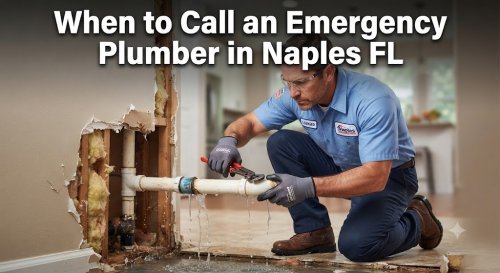
When Should a Business Call an Emergency Commercial Plumber?
Emergency plumbing service may be necessary for:
- Burst pipes
- Major leaks
- Sewer backups
- Flooding
- No running water
- Overflowing toilets
- Commercial water heater failures
- Plumbing problems affecting business operations
Quick response can help minimize damage and reduce downtime.
Frequently Asked Questions About Commercial Plumbing Services
What services does a commercial plumber provide?
Commercial plumbers handle repairs, installations, inspections, maintenance, drains, pipes, water heaters, and sewer systems.
How often should commercial plumbing systems be inspected?
Inspection frequency depends on building type, usage, and plumbing system condition.
Can commercial plumbing problems affect business operations?
Yes. Plumbing failures can interrupt operations and affect customers and employees.
How can businesses prevent plumbing emergencies?
Regular maintenance, inspections, and quick repairs help prevent major issues.
Why do commercial drains clog frequently?
Heavy usage, grease, waste, and improper disposal often cause blockages.
Should businesses repair or replace old plumbing?
The best option depends on pipe condition, age, and repair history.
How can I detect hidden plumbing leaks?
Professional leak detection equipment can locate hidden water loss.
Are commercial plumbing repairs more complex than residential repairs?
Commercial systems are often larger and require specialized knowledge.
How long does commercial plumbing repair take?
Time depends on the type and severity of the plumbing problem.
Why is preventive plumbing maintenance important?
Maintenance helps reduce unexpected failures and costly downtime.
Why Choose Incas Plumbing for Commercial Plumbing Services?
Commercial properties require dependable plumbing solutions that minimize disruption and protect business operations.
Incas Plumbing provides professional commercial plumbing services focused on accurate diagnosis, reliable repairs, and practical recommendations.
Businesses can benefit from:
- Experienced plumbing service
- Professional troubleshooting
- Modern plumbing equipment
- Quality repair solutions
- Preventive maintenance guidance
- Customer-focused service
Every commercial property has unique plumbing requirements, so professional evaluation is the best way to determine the right solution.