Pipe Repair & Whole Home Repiping Services for Long-Lasting Plumbing Performance
Your home’s plumbing system depends on a network of pipes that deliver clean water and safely remove wastewater. Over time, pipes can weaken due to age, corrosion, mineral buildup, high water pressure, and changing environmental conditions.
A small pipe leak may appear manageable, but hidden pipe damage can lead to water waste, property damage, mold growth, and expensive repairs if left untreated. In older homes, frequent leaks and declining water quality may indicate that the entire plumbing system needs attention.
Incas Plumbing provides professional pipe repair and whole home repiping services to help homeowners and businesses restore reliable water flow and protect their properties.
Whether you need a single damaged pipe repaired or a complete plumbing system upgrade, professional evaluation can help determine the most effective solution.
This guide explains why pipes fail, warning signs of plumbing damage, repair options, the repiping process, costs, maintenance tips, and when you should contact a professional plumber.
What Are Pipe Repair & Whole Home Repiping Services?
Pipe Repair Services
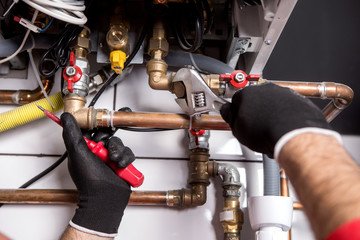
Pipe repair involves fixing damaged sections of a plumbing system without replacing all existing pipes.
Repairs may be needed for:
- Leaking pipes
- Cracked plumbing lines
- Corroded sections
- Damaged fittings
- Frozen pipe damage
- Water supply line issues
A professional plumber evaluates the pipe condition and determines whether repair is a practical long-term solution.
Whole Home Repiping Services
Whole home repiping involves replacing most or all of the existing water supply pipes throughout a property.
Repiping may be recommended when:
- Pipes are outdated
- Leaks happen frequently
- Corrosion is widespread
- Water pressure problems continue
- Plumbing repairs become expensive
A repipe replaces aging plumbing with new piping materials designed to provide better reliability and performance.
Why Do Plumbing Pipes Need Repair or Replacement?
Pipes do not last forever. Several factors contribute to plumbing system failure.
Aging Plumbing Systems
Older homes may contain pipes that have reached the end of their useful lifespan. Over decades, pipes can weaken, corrode, and become more likely to leak.
Corrosion
Metal pipes can deteriorate from chemical reactions between the pipe material and water.
Corrosion may cause:
- Leaks
- Rust-colored water
- Reduced water flow
- Pipe failure
Hard Water Mineral Buildup
Hard water contains minerals that can accumulate inside pipes, reducing the available space for water flow.
High Water Pressure
Excessive water pressure places stress on pipe walls and connections, increasing the chance of leaks.
Temperature Changes
Freezing temperatures can cause water inside pipes to expand, leading to cracks or bursts.
Poor Installation
Incorrect installation, improper connections, or unsuitable materials may cause premature plumbing problems.
Tree Root Damage
Outdoor water lines and underground pipes may be damaged by expanding tree roots.
Signs You May Need Pipe Repair or Repiping
Recognizing early warning signs can help prevent major plumbing damage.
Frequent Pipe Leaks
If you repeatedly repair leaks in different areas of your home, the plumbing system may have widespread issues.
Low Water Pressure
Reduced water pressure may occur because of:
- Corrosion inside pipes
- Mineral buildup
- Pipe restrictions
- Leaks
Discolored Water
Brown, yellow, or rusty water may indicate pipe corrosion or deterioration.
Noisy Pipes
Banging, rattling, or whistling sounds may indicate pressure issues or aging plumbing components.
Water Stains
Marks on walls, ceilings, or floors may indicate hidden pipe leaks.
High Water Bills
Unexpected increases in water usage may suggest hidden leaks.
Slow Water Flow
Restricted pipes can reduce the amount of water reaching fixtures.
Frequent Plumbing Repairs
Repeated repairs may cost more over time than replacing failing pipes.
Common Pipe Problems That Require Professional Attention
Leaking Water Pipes
Leaks may occur inside walls, ceilings, floors, or underground.
Common causes include:
- Corrosion
- Loose connections
- Pipe cracks
- High pressure
Burst Pipes
Burst pipes can release large amounts of water and require immediate attention.
Corroded Pipes
Corroded pipes may affect water quality and system performance.
Pinholes in Pipes
Small holes caused by corrosion can create slow leaks that are difficult to detect.
Damaged Water Supply Lines
Main water lines or interior supply pipes may require repair or replacement.
Polybutylene Pipe Problems
Some older plumbing systems contain materials that are more prone to failure and may require replacement.
Professional Pipe Repair Process
A qualified plumber typically follows a detailed process.
Step 1: Plumbing Inspection
The plumber evaluates:
- Pipe condition
- Leak locations
- Water pressure
- Plumbing history
Step 2: Problem Diagnosis
Specialized tools may be used to determine the exact cause and location of damage.
Step 3: Repair Recommendation
The plumber explains whether repair or repiping is the best option.
Step 4: Pipe Repair
Depending on the issue, repairs may include:
- Replacing damaged sections
- Repairing connections
- Fixing leaks
- Restoring water flow
Step 5: System Testing
The plumbing system is tested to confirm proper operation.
Step 6: Maintenance Guidance
Homeowners receive recommendations to protect their plumbing system.
Whole Home Repiping Process Explained
Repiping is a larger plumbing project that requires careful planning.
Step 1: Plumbing Assessment
The plumber evaluates the existing pipes and determines whether replacement is necessary.
Step 2: Material Selection
Common repiping materials may include:
- Copper piping
- PEX piping
The right material depends on property needs, local requirements, and plumbing conditions.
Step 3: Installation Planning
A professional plan minimizes disruption and ensures proper pipe routing.
Step 4: Pipe Replacement
Old pipes are removed or bypassed, and new plumbing lines are installed.
Step 5: Fixture Connections
New pipes are connected to faucets, toilets, water heaters, and other plumbing fixtures.
Step 6: Testing and Inspection
The system is tested for:
- Proper pressure
- Leak prevention
- Water flow performance
Can You Repair Plumbing Pipes Yourself?
Some minor plumbing maintenance tasks may be safe for homeowners.
You can:
- Turn off water during emergencies
- Check visible pipes for leaks
- Replace simple fixture components
- Monitor water pressure
However, professional service is recommended for:
- Hidden leaks
- Main water line repairs
- Pipe replacement
- Whole home repiping
- Wall or foundation pipe problems
DIY pipe repairs can create larger leaks and expensive water damage if done incorrectly.
Tools Professionals Use for Pipe Repair and Repiping
Professional plumbers use specialized equipment to improve accuracy.
Leak Detection Equipment
Helps locate hidden water leaks without unnecessary damage.
Pressure Testing Tools
Measures plumbing system performance and identifies pressure issues.
Pipe Inspection Cameras
Allow plumbers to inspect difficult-to-access areas.
Pipe Locating Equipment
Helps identify underground pipe locations.
Modern Repiping Tools
Used for precise installation and secure connections.
How Long Does Pipe Repair or Repiping Take?
The timeline depends on the size and complexity of the project.
Small Pipe Repairs
Minor leaks or damaged sections may be repaired relatively quickly.
Moderate Repairs
Repairs involving walls, ceilings, or multiple connections may require additional time.
Whole Home Repiping
Complete repiping depends on:
- Home size
- Number of fixtures
- Pipe accessibility
- Chosen materials
- Installation complexity
A professional inspection provides a better estimate based on your property.
Pipe Repair and Repiping Cost Factors
Plumbing repair costs vary depending on:
- Severity of damage
- Pipe material
- Location of pipes
- Accessibility
- Amount of replacement required
- Labor requirements
- Materials selected
- Property size
Whole home repiping costs are affected by the number of fixtures, pipe layout, and installation requirements.
A professional plumber should inspect the system before recommending repairs or replacement.
Hidden Truths Homeowners Should Know About Plumbing Pipes
Many homeowners overlook aging plumbing systems.
- Small leaks can become expensive water damage.
- Frequent repairs may indicate larger system problems.
- Old pipes can affect water quality.
- Temporary repairs may not solve recurring failures.
- Hidden leaks can increase water bills.
- Corroded pipes may restrict water flow.
- Repiping can improve long-term reliability.
- Preventive inspections help identify problems early.
Understanding your plumbing system can help you make better repair decisions.
15 Common Pipe Maintenance Mistakes Homeowners Make
1. Ignoring Small Leaks
Small leaks often become larger failures.
2. Delaying Repairs
Waiting can increase damage.
3. Ignoring Water Pressure Problems
High pressure damages plumbing systems.
4. Using Incorrect Pipe Materials
Wrong materials may cause future failures.
5. Skipping Plumbing Inspections
Older homes benefit from regular evaluations.
6. Ignoring Rust-Colored Water
Discoloration may indicate corrosion.
7. Attempting Major Pipe Repairs
Complex repairs require professional tools.
8. Not Protecting Pipes During Winter
Freezing temperatures can cause bursts.
9. Ignoring Repeated Leaks
Multiple leaks may indicate aging pipes.
10. Covering Water Damage Without Repairing Leaks
Cosmetic fixes do not solve plumbing issues.
11. Using Excessive Chemical Cleaners
Chemicals may damage plumbing components.
12. Ignoring Unusual Pipe Noises
Sounds may indicate system stress.
13. Avoiding Professional Inspections
Early detection prevents major problems.
14. Choosing Unqualified Contractors
Poor workmanship can create future issues.
15. Waiting Until a Plumbing Emergency
Preventive maintenance reduces risks.
Pipe Maintenance Tips for Homeowners
- Check visible pipes regularly.
- Repair leaks quickly.
- Monitor water bills.
- Maintain proper water pressure.
- Protect pipes from freezing temperatures.
- Insulate exposed pipes.
- Schedule plumbing inspections.
- Watch for water discoloration.
- Avoid harsh chemicals.
- Know your main shutoff valve location.
- Address low water pressure.
- Replace aging fixtures when needed.
- Maintain water heaters.
- Check under sinks for moisture.
- Keep plumbing access areas clear.
- Consider repiping older homes.
- Schedule professional evaluations before major issues occur.
When Should You Call a Professional Plumber?
Contact a plumber if you notice:
- Multiple leaking pipes
- Sudden water pressure changes
- Burst pipes
- Water stains
- Frequent plumbing failures
- Rust-colored water
- Major water damage
- Aging plumbing systems
Early professional evaluation can prevent expensive repairs.
Frequently Asked Questions About Pipe Repair & Repiping
How do I know if my house needs repiping?
Frequent leaks, corrosion, low pressure, and aging pipes may indicate the need for repiping.
Is pipe repair better than replacement?
It depends on the pipe condition and extent of damage.
How long do plumbing pipes last?
Lifespan depends on pipe material, installation quality, water conditions, and maintenance.
Can old pipes affect water quality?
Yes, deteriorating pipes may affect water appearance and performance.
How long does whole home repiping take?
The timeline depends on home size, pipe accessibility, and project complexity.
What are signs of corroded pipes?
Rust-colored water, leaks, reduced flow, and visible deterioration may indicate corrosion.
Can leaking pipes increase water bills?
Yes, hidden leaks can waste water and increase monthly costs.
Should I replace old pipes before they leak?
In some cases, proactive replacement may prevent future emergencies.
What pipe materials are used for repiping?
Common options include copper and PEX, depending on project requirements.
Can repiping improve water pressure?
Replacing restricted or damaged pipes may improve water flow performance.
Why Choose Incas Plumbing for Pipe Repair & Repiping Services?
A reliable plumbing system starts with accurate diagnosis and quality workmanship.
Incas Plumbing provides professional pipe repair and whole home repiping solutions designed to address plumbing problems effectively.
Professional services include:
- Experienced plumbing knowledge
- Detailed inspections
- Modern repair methods
- Honest recommendations
- Quality installation practices
- Long-term plumbing solutions
Every property has unique plumbing needs, so professional evaluation is the best way to determine the right solution.