When a Pipe Gives Way Under the Pacific Sun
It usually happens on a Sunday morning. You step onto the kitchen floor and your socks instantly soak through. Or you turn on the shower, and the water coming out of the head is sputtering, brown, and lukewarm. Plumbing failures rarely schedule themselves around your work week.
Dealing with a plumbing issue in the islands comes with its own unique set of headaches—from the high mineral content in the water supply to older plantation-style homes with aging galvanized lines. When things go sideways, you need a reliable local team. For homeowners looking for professional assistance, Plumbers Honolulu Hawaii https://plumbershonoluluhawaii.com/ provides dedicated residential and commercial plumbing services across the island.
What Plumbers Honolulu Hawaii Offers and Who It Fits
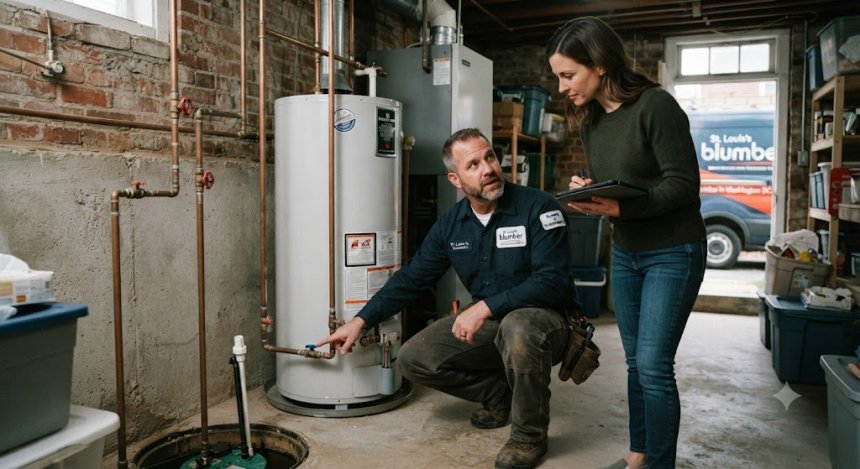
Every plumbing contractor has a sweet spot. Knowing what a company specializes in helps you determine if they are the right fit for your specific project.
-
Who they are a good fit for: Homeowners, property managers, and business owners in the Honolulu area looking for straightforward diagnostics, transparent communication, and experienced local technicians who understand regional building codes.
-
Who they might not be for: DIYers looking for free over-the-phone troubleshooting advice or shoppers strictly hunting for the absolute cheapest bargain basement rates regardless of craftsmanship.
Local Plumbing Context: The Honolulu Environment
Operating a plumbing system in Hawaii is entirely different from the mainland. The island environment introduces specific factors that every local plumber deals with daily:
-
Hard Water and Mineral Buildup: High levels of calcium and magnesium in local water supplies wreak havoc on water heaters, aerators, and ceramic valve cartridges.
-
Corrosive Salt Air: Properties close to the ocean experience accelerated exterior pipe and fixture corrosion, particularly on hose bibs and exposed supply lines.
-
Aging Infrastructure: Many homes in neighborhoods like Kaimuki, Manoa, and Nuuanu feature older framing, tight crawlspaces, or aging cast iron and galvanized steel drain lines that require careful handling.
-
Tree Roots: Aggressive tropical roots, such as those from banyan and palm trees, routinely infiltrate older clay or cast iron sewer laterals, causing stubborn main-line blockages.
Core Service Breakdown
Understanding what goes into standard plumbing services helps you know what to expect when a technician arrives at your property.
1. Leak Detection and Pipe Repair
-
What it involves: Pinpointing hidden leaks behind walls, under concrete slabs, or beneath flooring using electronic acoustic listening devices and thermal imaging.
-
When you need it: Unexplained spikes in your water bill, warm spots on a concrete slab floor, the sound of running water when all fixtures are off, or peeling baseboards.
-
What a good technician checks: They test system static pressure, isolate supply lines to verify where pressure drops, and inspect joints for pinhole corrosion before recommending a patch or a full re-pipe.
2. Water Heater Maintenance and Replacement
-
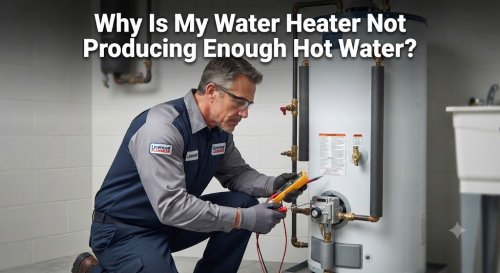
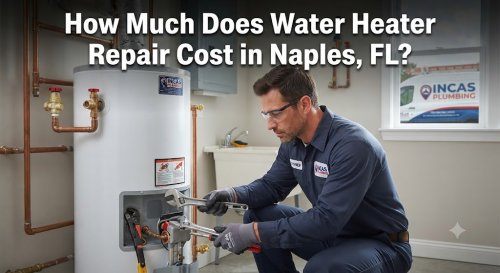
What it involves: Flushing mineral sediment from tank bottoms, testing anode rods, replacing heating elements, or installing new tankless and traditional storage units.
-
When you need it: Running out of hot water too quickly, rumbling or popping noises coming from the tank, or rusty-colored water from the hot taps.
-
What a good technician checks: They verify proper temperature and pressure (T&P) relief valve operation, check gas supply lines or electrical draws, and ensure proper venting compliance.
3. Drain Cleaning and Hydro Jetting
-
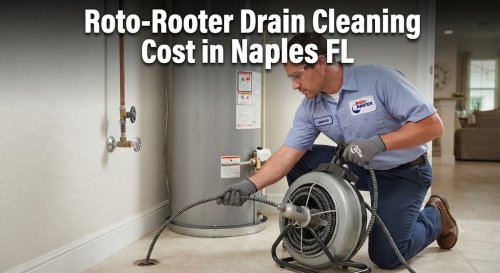
What it involves: Clearing organic buildup, grease, and root intrusions from branch lines and main sewer pipes using motorized augers or high-pressure water jetting.
-
When you need it: Multiple fixtures backing up simultaneously, slow-draining tubs, or foul sewage odors lingering around floor drains.
-
What a good technician checks: A professional will often run a sewer camera down the line after clearing the clog to ensure the pipe structural integrity is intact and no cracks or bellies exist.
Emergency Plumbing: What Counts as Urgent
Not every plumbing issue requires an emergency dispatch call at midnight. Knowing the difference saves you money on after-hours service fees.
-
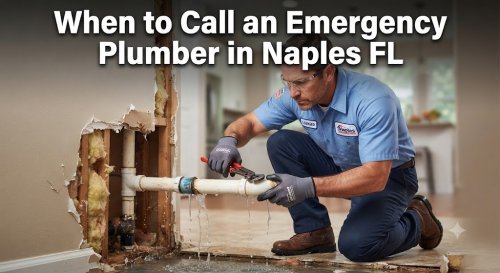
Definite Emergencies: A main water supply line break that cannot be isolated at the shut-off valve, sewage backing up into living areas, a gas leak smell near an appliance, or a completely uncontained active leak flooding living spaces.
-
Can Wait Until Morning: A single dripping faucet, a running toilet that can be temporarily stopped via its dedicated supply valve, or a slow-draining bathroom sink.
Safe Homeowner Steps During an Emergency
-
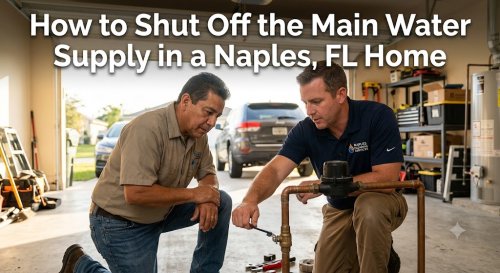
Locate the Main Shut-Off: Know where your main water shut-off valve is located (usually near the water meter or where the main line enters the house) and turn it clockwise to stop incoming water.
-
Kill Power to Water Heaters: If you are shutting off the main water supply, turn off the breaker to your electric water heater or set your gas valve to "pilot" to prevent the elements from burning out dry.
-
Contain the Water: Use towels and buckets to minimize immediate structural damage while you wait for Plumbers Honolulu Hawaii https://plumbershonoluluhawaii.com/ to arrive.
What Affects Repair Costs?
Plumbing pricing depends on several variables. While exact quotes require an on-site inspection, general industry factors influence the final bill:
-
Accessibility: Working in tight crawlspaces, behind tiled walls, or beneath concrete slabs takes significantly more labor time than swapping an accessible fixture.
-
Materials Required: Copper, PEX tubing, specialized commercial-grade valves, and heavy-duty fittings vary in baseline wholesale cost.
-
Urgency: After-hours, weekend, or holiday emergency dispatches carry higher labor rates due to emergency staffing requirements.
-
Note: For exact, up-to-date pricing structures and service call fees, ask the company directly before booking.
Questions to Ask Before Hiring Any Plumber
Before letting anyone work on your home’s critical infrastructure, ask these qualifying questions:
-
Are you fully licensed and insured for residential plumbing work in Hawaii?
-
Do you charge a flat-rate diagnostic fee, or is it hourly?
-
What warranties or guarantees do you provide on your labor and parts?
-
Will the technician pulling permits for major renovations (like a sewer line replacement)?
5–6 Practical Home Maintenance Tips
Preventing a plumbing disaster is much cheaper than fixing one. Incorporate these habits into your routine:
-
Flush your water heater annually: Clear out accumulated mineral sediment to extend the lifespan of your tank.
-
Protect your drains: Never pour cooking oil or grease down the kitchen sink; wipe pans with a paper towel before washing.
-
Inspect washing machine hoses: Check braided stainless steel supply lines every six months for bulging, cracking, or moisture around the couplings.
-
Test your main shut-off valve: Turn your main water valve off and on once a year to prevent it from seizing up in the open position.
-
Skip chemical drain cleaners: Harsh caustic liquids eat away at older metal and PVC pipe glue joints; stick to mechanical snakes or enzymatic cleaners.
Frequently Asked Questions
How fast can an emergency plumber arrive in Honolulu?
Response times vary based on traffic conditions, severe weather events, and current technician dispatch loads across the island. Ask the company directly about current estimated arrival windows when you call.
Do I need a permit to replace a water heater in Hawaii?
Yes, replacing a water heater typically requires a plumbing permit and code inspection in Honolulu to ensure proper seismic strapping, electrical wiring, and T&P discharge line compliance.
Why is my water pressure suddenly low?
Low pressure can be caused by a partially closed main valve, a clogged pressure-reducing valve (PRV), or a hidden leak. If only one faucet is affected, clean the aerator screen.
Are tankless water heaters worth it in Hawaii?
Tankless units excel in Hawaii because incoming groundwater temperatures are already warm, meaning units do not have to work as hard to heat water on demand, saving space and standby energy.
What causes my toilet to run continuously?
A warped flapper valve, a chain that is too tight or too loose, or a float set too high will cause water to continuously leak from the tank into the bowl.
Can tree roots permanently destroy my sewer line?
Yes. Over time, roots expand inside small pipe cracks, widening them until the pipe collapses entirely, requiring trenchless pipe relining or excavation.