Why Does My Home Smell Like Sewer Gas? Naples Guide
Noticing sewer odors in your Naples, FL home? Discover causes, health risks, and permanent solutions from Incas Plumbing. Call (844) 973-0400.
Why Does My Naples, FL Home Smell Like Sewer Gas? Expert Guide
Introduction
Catching a whiff of foul sulfur or rotten eggs inside your home is instantly alarming. When that unpleasant odor resembles raw sewage, it ruins the comfort of your living space and creates legitimate health concerns for your family. In Naples, FL, homeowners across neighborhoods from downtown near Dale Ave to Golden Gate and nearby communities frequently encounter mysterious sewer odors, especially during warm, humid subtropical months.
People search frantically for answers because sewer gas is not just an annoying smell—it can be toxic and explosive in high concentrations. Understanding why this problem happens, how to identify the source, and when to call a professional helps you restore a safe, fresh-smelling home.
What Is Sewer Gas?
Sewer gas is a complex mixture of toxic and non-toxic gases produced by the breakdown of organic waste inside municipal sewers and household plumbing systems.
Common situations involve dry P-traps in guest bathrooms that go unused, cracked vent stacks on the roof, or loose toilet wax rings. Symptoms include a persistent rotten egg smell near sinks, showers, or toilets, occasional gurgling sounds, and sometimes mild headaches or nausea caused by prolonged exposure. For instance, if you walk into a rarely used powder room and notice a distinct sewage stench hovering near the floor drain, you are dealing with a classic sewer gas escape.
Why Does This Plumbing Problem Happen?
Sewer gas odors do not appear without a reason. They typically stem from specific vulnerabilities in your home's complex network of drains, vents, and traps:
-
Aging Pipes and Corrosion: Older cast iron or galvanized pipes develop micro-cracks or pinhole leaks over decades, allowing gas to seep behind walls.
-
Aggressive Tree Roots: In Naples, lush landscaping features aggressive root systems that can crack underground sewer lines, letting gas escape close to the foundation.
-
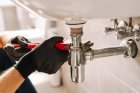
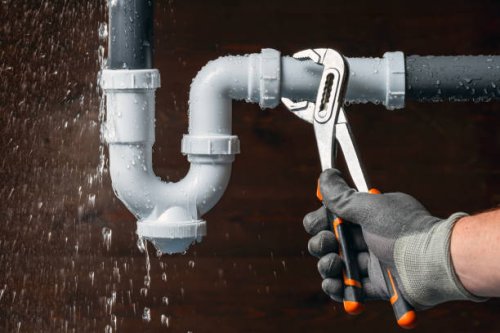
Dried-Out P-Traps: Every plumbing fixture features a U-shaped bend called a P-trap designed to hold standing water that blocks sewer gas. When a sink or floor drain sits unused, the water evaporates, leaving an open pathway for gas.
-
Cracked or Clogged Roof Vent Stacks: Plumbing systems rely on roof vents to expel gases safely outdoors. Leaves, animal nests, or cracks in these stacks trap gases, forcing them back down into indoor living spaces.
-
Worn Plumbing Fixtures and Wax Rings: The wax seal beneath your toilet degrades over time, allowing foul gases to leak out around the base.
Signs You Should Never Ignore
When sewer gas enters your home, it serves as an unmistakable warning sign that your plumbing system's barriers have failed. Watch out for these red flags:
-
Persistent Bad Smells: A recurring sulfur or sewage odor that lingers even after deep cleaning indicates an active plumbing gas leak.
-
Slow Drains: Sluggish water movement points to partial blockages that can trap and force gases past fixture traps.
-
Damp Walls or Ceilings: Moisture near plumbing lines suggests a hidden leak that may also be leaking sewer air.
-
Mold Growth: Unexplained mold colonies near floor joints or baseboards often accompany chronic hidden moisture and vapor leaks.
-
Strange Noises: Bubbling or gurgling sounds when flushing toilets indicate pressure imbalances in your vent system.
Common Plumbing Problems Related to This Issue
Ignoring the root cause of sewer gas odors often leads to more severe plumbing and structural failures:
-
Pipe Leaks and Cracks: The same corrosion or pressure issues allowing gas to escape will eventually cause liquid leaks.
-
Sewer Backups: Vent clogs or main line obstructions can escalate into raw sewage overflows inside your home.
-
Foundation and Slab Damage: Undetected underground breaks can erode soil beneath concrete slabs.
-
Indoor Air Quality Issues: Continuous exposure to low-level sewer gases causes chronic headaches, fatigue, and respiratory irritation.
Step-by-Step Professional Repair Process
When you partner with a licensed plumbing expert from Incas Plumbing to track down and eliminate sewer odors, you can expect a meticulous, multi-step process:
-
Step 1: Inspection: The plumber conducts a thorough walkthrough to sniff out the odor zones and inspect all visible fixtures, cleanouts, and exposed piping.
-
Step 2: Diagnosis: Using advanced smoke testing equipment or electronic sewer cameras, the technician pinpoints the exact breach, dry trap, or vent failure.
-
Step 3: Estimate: You receive a clear, transparent explanation of the repair required and an upfront cost estimate before work starts.
-
Step 4: Repair: The technician fixes the root cause—such as replacing a worn toilet wax ring, sealing a roof vent, or clearing a blocked line.
-
Step 5: Testing: Specialized checks, including smoke or pressure tests, are performed to guarantee zero gas leaks remain.
-
Step 6: Cleanup: The work area is thoroughly tidied, leaving your home spotless.
-
Step 7: Maintenance Advice: The plumber provides customized tips to keep your traps filled and vents clear.
Can You Fix It Yourself?
Homeowners can safely handle basic maintenance, but structural gas leaks require professional tools and licensing.
-
Safe DIY Solutions: Pouring a gallon of water down infrequently used floor drains or guest bathroom sinks instantly refills dry P-traps and stops localized odors.
-
Temporary Fixes: Tightening loose slip-joint nuts under a bathroom sink can temporarily stop minor vapor seepage.
-
When DIY Becomes Dangerous: Attempting to modify roof vent stacks, replace main sewer lines, or repair gas-linked fixtures without proper training risks severe exposure to toxic methane and hydrogen sulfide gases.
-
When Professional Help is Necessary: If refilling traps does not eliminate the smell, professional diagnostic equipment is required to find hidden cracks.
Tools Professionals Use
Professional plumbers rely on sophisticated technology to track down elusive gas leaks with absolute precision:
-
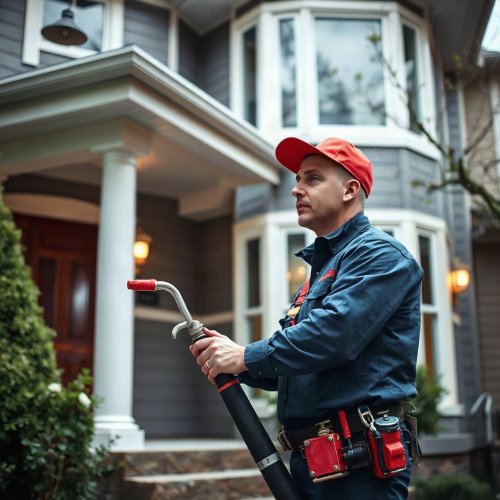
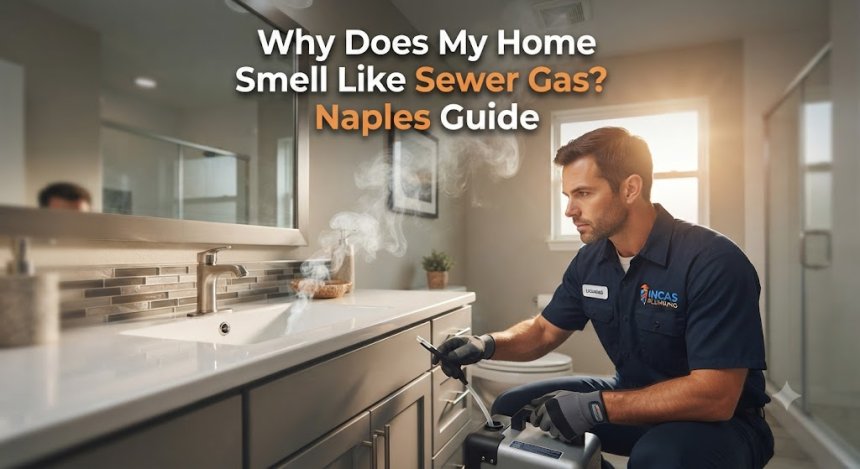
Plumbing Smoke Machines: Non-toxic smoke is pumped into the plumbing system to reveal hidden cracks, unsealed joints, or broken vents by puffing out of the breach.
-
Drain Inspection Cameras: High-resolution waterproof cameras inspect the interior condition of sewer lines.
-
Electronic Leak Detectors: Advanced sensors measure gas concentrations and pinpoint the exact source behind walls or beneath floors.
-
Pressure Testing Gauges: These tools check whether your drain and vent system holds airtight integrity.
How Long Does the Repair Usually Take?
The duration of a sewer gas investigation and repair depends entirely on the complexity of the issue:
-
Simple Fixes: Refilling a dry P-trap or replacing a toilet wax ring takes 30 to 60 minutes.
-
Moderate Repairs: Fixing a loose pipe connection or clearing a blocked roof vent takes 1 to 2 hours.
-
Major Vent or Pipe Replacements: Locating and repairing hidden cracked vent stacks behind walls or underground lines takes 2 to 4 hours or more.
-
Emergency Interventions: Emergency responses follow a similar timeframe once the technician arrives on-site.
Cost Factors for Sewer Odor Repair in Naples, FL
While exact flat-rate pricing varies based on individual circumstances, several key factors influence the total cost of professional service:
-
Source Location: Fixing an accessible bathroom fixture costs less than repairing a broken vent stack hidden inside a wall or ceiling.
-
Type of Repair Required: Simply replacing a wax ring or trap primer is less intensive than replacing cracked cast iron piping.
-
Diagnostic Complexity: Advanced smoke testing or electronic camera inspections require specialized labor time.
-
Accessibility: Pipes buried beneath concrete slabs or difficult-to-reach attic spaces require extra effort to access.
-
Emergency Service Calls: After-hours or holiday dispatches often include standard emergency fees.
-
Property Type: Commercial buildings feature extensive multi-story venting networks that require specialized diagnostic time compared to residential homes.
Note: Plumbing repair costs vary depending on the severity of the problem, accessibility, materials required, emergency service, property type, and local labor rates.
Hidden Truths Homeowners Should Know
Navigating persistent plumbing odors involves understanding several practical realities that protect your home and health:
-
Small Leaks Become Expensive Repairs: Ignoring a faint odor today invites major pipe failure tomorrow.
-
Cheap Temporary Fixes Often Fail: Air fresheners only mask toxic gases without solving the underlying mechanical breach.
-
Insurance Realities: Homeowners insurance rarely covers damage or remediation resulting from long-term neglected plumbing maintenance.
-
Health Risks: Prolonged exposure to sewer gas components like hydrogen sulfide can cause chronic nausea, headaches, and respiratory distress.
-
Hard Water Toll: Minerals continually wear down plumbing fixtures and sealants throughout your home.
-
DIY Escalation: Incorrectly tampering with vent systems can worsen gas leaks.
-
Hidden Utility Impact: Odor issues often coincide with hidden wastewater leaks that inflate your water bills.
-
Rapid Mold Growth: Moisture accompanying gas leaks encourages harmful mold colonies within 24 to 48 hours.
-
Value of Prevention: Annual preventative plumbing inspections save homeowners thousands in unexpected repair costs.
15 Common Mistakes Homeowners Make
-
Masking Smells with Air Fresheners: Covering up odors instead of finding and fixing the root cause.
-
Ignoring Infrequent Drains: Forgetting to run water in guest bathroom sinks or floor drains, letting P-traps dry out.
-
Using Chemical Drain Cleaners: Pouring harsh acids down pipes that can degrade seals and gaskets.
-
Neglecting Roof Vents: Failing to clear leaves and debris from outdoor roof vent pipes.
-
Over-Tightening Fixture Fittings: Cracking porcelain or PVC adapters by applying excessive wrench pressure.
-
Hiring Unlicensed Handymen: Choosing unverified contractors who lack proper training in gas-tight plumbing standards.
-
Skipping Routine Maintenance: Failing to schedule periodic professional plumbing inspections.
-
Waiting Until Emergencies Strike: Calling for help only when odors become overpowering.
-
Using Wrong Pipe Materials: Mismatching PVC and older metal pipes incorrectly during DIY repairs.
-
Ignoring Gurgling Toilets: Overlooking bubbling sounds that signal vent blockages.
-
Flushing Prohibited Items: Disposing of wipes or hygiene products that cause main line pressure surges.
-
Neglecting Outdoor Cleanouts: Letting landscaping overgrow and block access to main sewer cleanout ports.
-
Overloading Garbage Disposals: Forcing fibrous waste down disposal units improperly.
-
Forcing Mismatched Snakes: Pushing rigid drain augers around tight pipe bends incorrectly.
-
Delaying Professional Diagnosis: Waiting weeks to investigate persistent sulfur smells.
15–20 Practical Maintenance Tips
Keep your plumbing system completely airtight and odor-free with these expert-backed maintenance guidelines:
-
Run Water in Unused Drains: Pour a cup of water down guest bathroom sinks and floor drains monthly to keep P-traps full.
-
Inspect Roof Vents Seasonally: Check roof vent stacks after heavy storms or hurricane season to ensure they remain clear of debris.
-
Replace Toilet Wax Rings Promptly: If a toilet wobbles, secure it and replace the wax seal immediately to prevent gas leaks.
-
Clean P-Traps Regularly: Remove and clean hair and sludge buildup from sink traps to prevent trap siphonage.
-
Install Trap Primers: Consider automatic trap primers for floor drains in laundry rooms or garages.
-
Avoid Chemical Cleaners: Opt for mechanical removal or enzymatic cleaners instead of harsh chemical acids.
-
Educate Family Members: Ensure everyone knows what can and cannot be flushed down drains.
-
Schedule Annual Inspections: Have a professional plumber check your entire drainage and venting network every year.
-
Check Water Pressure: Install a pressure-reducing valve if your home water pressure exceeds 80 psi.
-
Inspect Outdoor Cleanouts: Keep sewer cleanout caps securely tightened and free of dirt and debris.
-
Address Drips Immediately: Fix dripping faucets and running toilets before they strain your drainage network.
-
Maintain Landscape Roots: Keep large trees and shrubs planted at a safe distance from underground sewer lines.
-
Use Enzyme Treatments: Apply monthly bio-enzymatic drain cleaners to naturally digest organic buildup.
-
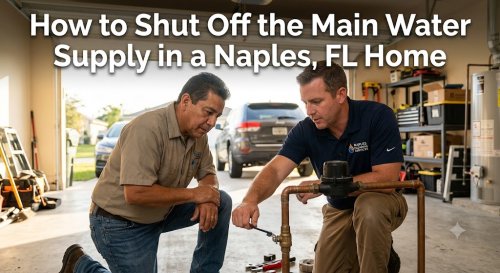
Know Your Shut-Off Valve: Ensure every adult in your home knows how to shut off the main water supply in an emergency.
-
Monitor Air Quality: Pay attention to any sudden indoor odors and investigate them immediately.
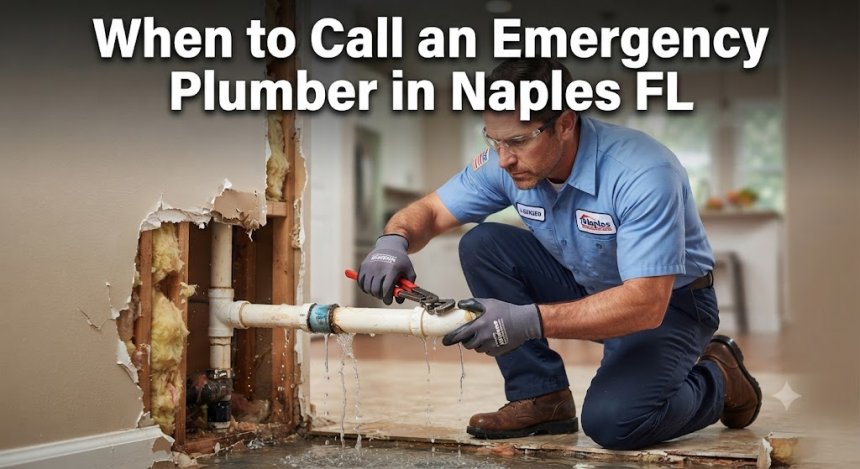
When Should You Call an Emergency Plumber?
Certain plumbing situations demand immediate professional intervention to protect your family's safety and health:
-
Strong, Overpowering Sulfur Odor: A sudden, intense wave of sewage gas throughout the home requires immediate evacuation and professional evaluation.
-
Severe Sewage Backups: Raw sewage bubbling up through floor drains poses immediate biological health risks.
-
Burst or Collapsed Pipes: Uncontrolled water and gas leakage from broken lines requires instant shut-off and repair.
-
Active Gas-Related Symptoms: If family members experience sudden severe headaches, dizziness, or nausea indoors, exit the property and call emergency services.
Frequently Asked Questions
Why is my water pressure suddenly low?
Sudden low water pressure is often caused by a partially closed main shut-off valve, a clogged aerator on a specific faucet, a hidden water leak, or scale buildup in aging pipes.
How much does leak detection cost?
Leak detection costs vary based on whether the leak is visible or hidden behind walls or beneath concrete slabs, requiring specialized electronic acoustic and thermal imaging equipment.
Can a clogged drain damage pipes?
Yes. Severe clogs increase internal hydrostatic pressure and trap corrosive organic waste against pipe walls, leading to cracks, leaks, and joint failures.
Is hydro jetting safe for old pipes?
An experienced professional will perform a camera inspection first. If pipes are structurally sound, hydro jetting is safe and remarkably effective; however, severely damaged or collapsed pipes require repair before jetting.
How do I know if my sewer line is broken?
Frequent backups across multiple fixtures, foul sewage odors in the yard, soggy patches of lawn during dry weather, and sinkholes in your yard strongly indicate a broken sewer line.
How long do water heaters last?
Standard tank water heaters typically last between 8 to 12 years, while tankless water heaters can last 15 to 20 years with proper annual flushing.
Why does my faucet drip?
A dripping faucet is usually caused by a worn-out rubber washer, O-ring, or corroded valve seat inside the fixture handle.
What causes pipes to burst?
Pipes most commonly burst due to freezing temperatures expanding trapped water, extreme internal water pressure, or severe corrosion and material fatigue.
Can plumbing leaks increase my water bill?
Absolutely. Even a small hidden leak running continuously can waste thousands of gallons of water per month, drastically inflating your utility bills.
When should I replace plumbing instead of repairing it?
If your home features outdated polybutylene pipes, chronic corrosion, frequent pinhole leaks, or extensive root damage, replacement is far more cost-effective than endless spot repairs.
Why Choose Incas Plumbing
When mysterious plumbing odors or urgent emergencies disrupt your peace of mind, you need a partner you can trust. At Incas Plumbing, we are proud to serve Naples, FL, and surrounding communities with dedication and expertise.
-
Experienced Licensed Plumbers: Our skilled technicians bring years of hands-on experience to every job.
-
Honest Recommendations: We provide straightforward advice tailored to your home's actual needs without unnecessary upsells.
-
Upfront Estimates: Know the exact cost before work begins with our transparent pricing policy.
-
Fast Response Times: We arrive promptly to resolve your plumbing issues and eliminate foul odors.
-
Emergency Availability: Our team is ready to assist you when urgent plumbing failures occur.
-
Quality Workmanship: We stand behind our repairs, ensuring lasting results and peace of mind.
-
Modern Equipment: We utilize cutting-edge smoke testing and camera diagnostic tools for superior accuracy.
-
Local Expertise: Serving Dale Ave, Naples, and neighboring communities throughout Collier County, we understand local soil, water, and plumbing infrastructure inside and out.
Contact Incas Plumbing today at (844) 973-0400 for reliable, professional plumbing services in Naples, FL!