What to Do When a Frozen Pipe Bursts in Naples FL
Discover emergency steps when a frozen pipe bursts in Naples, FL. Learn causes, repair processes, and expert solutions from Incas Plumbing.
What to Do When a Frozen Pipe Bursts in Naples, FL
Facing a sudden rush of water pouring from a drywall ceiling or pooling across a hallway floor is every property owner's absolute nightmare. While Naples, Florida, is celebrated for its warm tropical weather and sunshine, rare winter cold fronts and sudden overnight freezes can surprise Collier County residents. When sub-freezing temperatures hit, uninsulated or exposed water lines can freeze solid. The real disaster often strikes hours later during the thaw, when high hydrostatic pressure forces open a split in the pipe wall, resulting in an active indoor flood.
Knowing exactly how to respond when a frozen pipe bursts can mean the difference between a minor repair and thousands of dollars in structural property damage. At Incas Plumbing, located right on Dale Ave in Naples, we assist local homeowners and business owners through severe plumbing emergencies with speed and precision. This comprehensive guide outlines immediate emergency actions, common causes, professional repair procedures, and proactive prevention habits.
What Is a Burst Frozen Pipe Issue?
A burst frozen pipe issue occurs when ice expanding inside a water supply line fractures the rigid pipe structure, causing a massive, uncontrolled leak once the ice begins to thaw.
Definition and Common Situations
When water freezes, it increases in volume by roughly nine percent. If this ice expansion is trapped inside a copper, PEX, or PVC line with nowhere to go, the intense pressure splits the pipe material or forces joints apart. Common situations involve lines located in unconditioned garages, exterior wall cavities, crawlspaces, or attics exposed to cold wind drafts.
Symptoms and Examples
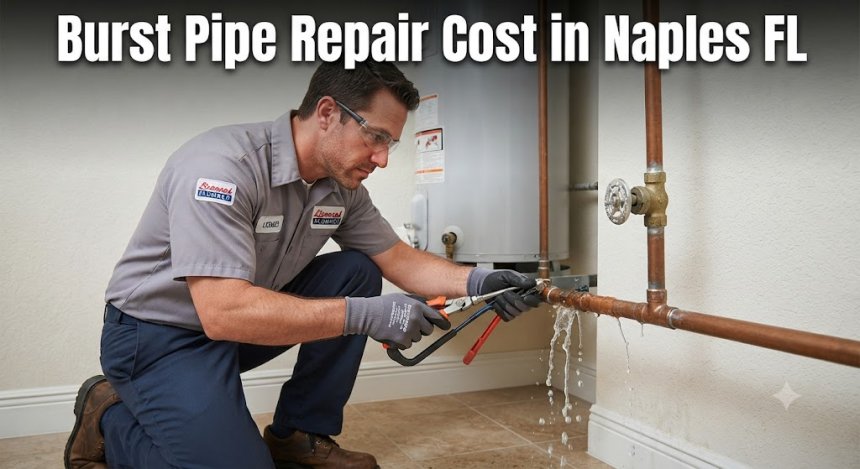
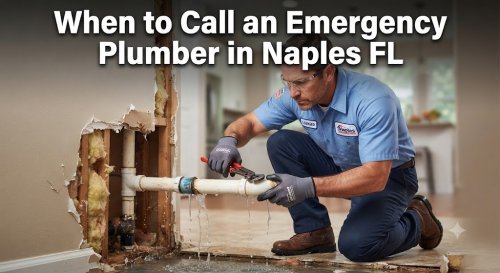
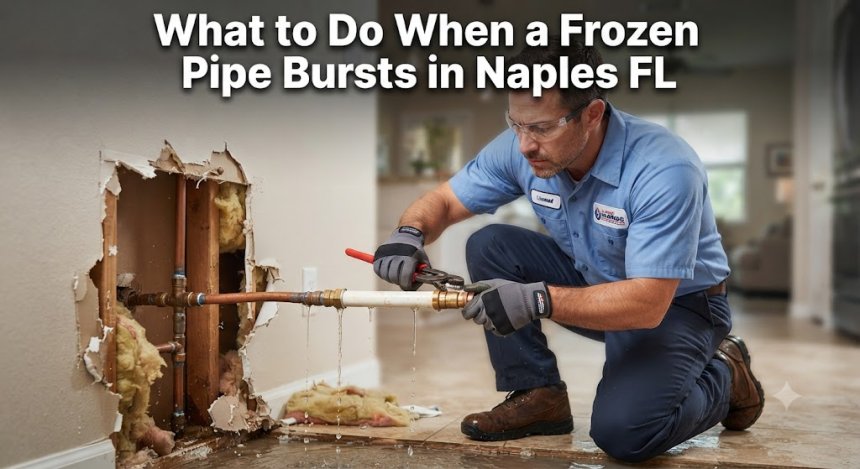
For example, walking into your utility room and hearing a hissing sound of pressurized water spraying behind a wall or discovering a growing puddle underneath a sink cabinet are classic indicators of an active burst. Acting swiftly prevents catastrophic saturation of flooring, baseboards, and structural framing.
Why Does This Plumbing Problem Happen?
While freezing weather is infrequent in Southwest Florida, specific environmental and structural factors create high-risk conditions during rare cold snaps.
Common Causes of Pipe Bursts
-
Unusual Seasonal Weather & Cold Fronts: Sudden sharp drops in temperature combined with brisk winter winds chill exterior walls rapidly.
-
Lack of Pipe Insulation: Many Naples properties feature water lines running near outside walls or through unconditioned spaces without foam sleeves.
-
Drafty Structural Openings: Gaps around dryer vents, crawlspace access doors, or unsealed eaves allow freezing drafts to blow directly onto pipes.
-
High Municipal Water Pressure: Excessive water pressure places continuous physical strain on pipe walls, making them far more susceptible to failure when stressed by freezing.
-
Aging Pipes and Corrosion: Older metal pipes with thinned walls or mineral scaling crack easily under the expansion forces of ice.
-
Poor Maintenance and Closed Vents: Failing to close foundation vents or protect outdoor fixtures during a freeze warning.
Signs You Should Never Ignore
Your plumbing system will typically provide critical warning signals before or immediately as a pipe fails:
-
Sudden Drop in Water Pressure: A drastic reduction in flow across multiple fixtures indicates a partial freeze or an active major leak.
-
Unexplained Wet Spots or Damp Walls: Water stains appearing on drywall, ceilings, or baseboards without an obvious source.
-
Banging or Clanking Sounds: Loud noises echoing through walls as water pressure shifts against partial ice blockages.
-
Foul Odors from Drains: Dried-out P-traps caused by blockages allow sewer gases to enter living spaces.
-
Faint Hissing or Trickling Sounds: The auditory clue of pressurized water escaping behind closed walls.
Common Plumbing Problems Related to This Issue
Burst frozen pipes rarely happen in a vacuum; they frequently trigger complex secondary property complications:
-
Extensive Structural Water Damage: Saturated drywall, ruined insulation, and warped hardwood subfloors requiring professional restoration.
-
Rapid Mold Growth: Warm Florida humidity combined with indoor water leaks fosters aggressive mold colonies within 24 to 48 hours.
-
Electrical Hazards: Water coming into contact with wall outlets, breaker panels, or light fixtures creates severe shock risks.
-
Foundation and Slab Leaks: Subterranean lines affected by frost line anomalies can fracture beneath concrete foundations.
Step-by-Step Professional Repair Process
When an emergency pipe burst strikes your Naples property, contacting Incas Plumbing sets a structured, efficient professional response into motion:
Our Professional Service Workflow
Immediate Emergency Water Shut-Off: We locate and close your main water shut-off valve immediately to stop active flooding.
Comprehensive Damage Inspection: We evaluate the affected area using moisture meters and thermal imaging to trace hidden water paths.
Transparent Upfront Estimate: We present clear, honest repair options before beginning any reconstruction or pipe replacement.
Precision Pipe Replacement: We cut out the ruptured pipe section and install durable, code-compliant replacement materials using advanced press fittings.
Rigorous Pressure Testing: We re-pressurize the plumbing network to ensure absolute structural integrity and zero leaks.
Workspace Cleanup & Drying Guidance: We clear debris, extract standing water where applicable, and advise on drying procedures.
Preventative Recommendations: We provide targeted insulation strategies to protect your plumbing from future weather shifts.
Can You Fix It Yourself?
When water is spraying inside your home, homeowners naturally look for quick do-it-yourself solutions.
What Homeowners Can Safely Do
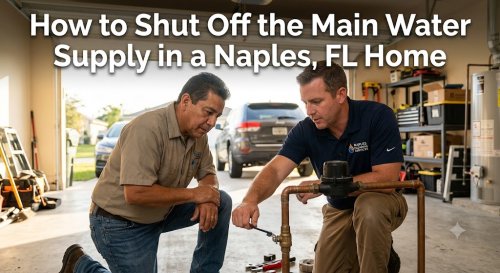
You can safely shut off the main water supply valve immediately, turn off the electricity to affected rooms at the breaker box, open faucets to drain remaining lines, and place buckets or towels to catch pooling water while waiting for professional help.
Why DIY Burst Repair is Dangerous
-
Electrical Shock Risks: Working with tools and standing water near active electrical outlets or wet drywall is extremely hazardous.
-
Incomplete Pipe Sealing: Using temporary tape, rubber patches, or epoxy on a high-pressure burst pipe under household water pressure almost always fails catastrophically.
-
Hidden Structural Rot: Failing to inspect inside wall cavities leaves trapped moisture to rot framing timbers and breed toxic mold undetected.
Tools Professionals Use
Professional plumbers utilize specialized equipment to resolve burst pipe emergencies rapidly and accurately:
-
Main Shut-Off Keys and Wrenches: Heavy-duty tools required to operate stubborn municipal or property shut-off valves.
-
Pro-Press Connection Systems: Advanced flameless pressing tools that secure copper and PEX lines in seconds without fire hazards.
-
Electronic Moisture Meters & Thermal Cameras: Diagnostic tools used to map hidden water saturation inside walls and ceilings.
-
Pipe Inspection Cameras: Miniature cameras used to verify that no secondary cracks or internal blockages exist nearby.
-
Industrial Water Extractors: High-capacity pumps and wet-dry vacuums used to clear standing water quickly.
How Long Does the Repair Usually Take?
Repair timelines vary depending on the location and severity of the plumbing failure:
-
Emergency Shut-Off and Assessment: Immediate containment and evaluation typically take 30 to 45 minutes.
-
Standard Pipe Patching: Replacing an accessible split pipe section in a garage or utility room takes 1 to 2 hours.
-
Complex Wall or Ceiling Repairs: Accessing, cutting out, and replacing hidden pipe bursts behind finished drywall takes 3 to 5 hours.
-
Emergency Dispatch: Response times depend on local dispatch availability during regional weather events.
Cost Factors
Plumbing repair costs vary depending on the severity of the problem, accessibility, materials required, emergency service, property type, and local labor rates. Reputable plumbing companies avoid giving blind phone estimates because every burst pipe incident involves distinct variables.
What Determines Total Pricing?
-
Emergency Dispatch and Service Fees: The priority technician response required for urgent after-hours flood situations.
-
Accessibility of the Ruptured Pipe: Pipes located in open utility rooms are faster to service than lines buried inside finished ceilings or concrete slabs.
-
Extent of Pipe Damage: Repairing a single localized split requires less material and labor than replacing extensive runs.
-
Material Requirements: Copper, specialized PEX fittings, and heavy insulation materials impact total project expenses.
-
Restoration Scope: Additional labor needed to cut away damaged drywall or insulation.
Hidden Truths Homeowners Should Know
Expert Insight: The moment a frozen pipe thaws is when structural failure occurs. As ice melts into water, the immense pressure trapped between closed valves forces open any weakened seam or fracture point.
-
Insurance Policy Limitations: Homeowner insurance policies often deny water damage claims if it is proved that pipe bursts resulted from chronic negligence or failure to maintain minimum heat during cold snaps.
-
Hidden Mold Risks: Moisture trapped inside wall cavities promotes rapid mold growth long before homeowners notice surface stains.
-
Water Bill Spikes: A hidden or slow spray inside a wall void can waste thousands of gallons, driving utility costs through the roof.
15 Common Mistakes Homeowners Make
-
Panicking Without Shutting Water: Searching for towels before shutting off the main water supply valve.
-
Ignoring Winter Weather Advisories: Failing to prepare outdoor and garage plumbing before freezing nights.
-
Using Open Flames to Thaw Pipes: Employing blowtorches or lighters on frozen wall lines, risking devastating structural fires.
-
Leaving Hoses Connected: Leaving garden hoses attached to exterior spigots during freezing weather.
-
Failing to Insulate Exposed Lines: Neglecting foam sleeves on pipes running through unconditioned garages or crawlspaces.
-
Keeping Cabinet Doors Closed: Leaving under-sink cabinet doors shut during deep freezes, blocking warm air circulation.
-
Turning Off Heat Entirely: Shutting down HVAC systems completely while away from home during winter.
-
Hiring Unlicensed Handymen: Allowing uninsured operators to perform emergency pipe replacements.
-
Failing to Locate Main Shut-Off: Not knowing where or how to operate the property's primary water valve.
-
Applying Uneven High Heat: Using industrial heat guns incorrectly on plastic lines, melting the pipe material.
-
Neglecting Outdoor Spigots: Failing to install insulated covers over exterior hose bibs.
-
Ignoring Pressure Drops: Disregarding sudden reductions in water flow until a full burst occurs.
-
Leaving Crawlspace Vents Open: Failing to close foundation vents during rare freezing winter weather.
-
Delaying Professional Service: Waiting days to inspect suspicious plumbing noises after a cold front.
-
Overlooking Attic Runs: Ignoring water supply lines traversing unconditioned attic trusses.
Maintenance Tips
Protect your property against rare winter freezes and everyday plumbing stresses by following these practical maintenance habits:
-
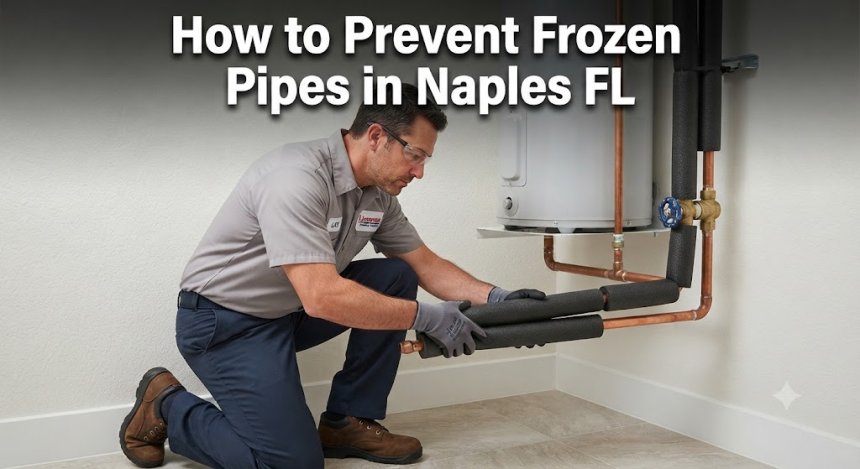
Insulate Exposed Pipes: Wrap foam sleeves around all water lines located in garages, crawlspaces, and exterior walls.
-
Disconnect Garden Hoses: Remove and drain all outdoor hoses before freezing weather arrives.
-
Install Faucet Covers: Place insulated foam covers over all exterior hose bibs and spigots.
-
Seal Exterior Gaps: Caulk and seal gaps around dryer vents, pipes, and utility entries to block cold drafts.
-
Open Cabinet Doors: Allow warm air to circulate under kitchen and bathroom sinks during extreme cold drops.
-
Let Faucets Drip: Keep a tiny stream of water running through vulnerable taps on freezing nights.
-
Maintain Consistent Heat: Keep your home's thermostat set to a steady temperature day and night during cold fronts.
-
Know Your Main Shut-Off: Locate and label your main water shut-off valve so you can act fast in an emergency.
-
Drain Irrigation Systems: Protect lawn sprinkler backflow preventers during severe cold advisories.
-
Inspect Attic Insulation: Ensure attic insulation covers ceiling-level plumbing lines adequately.
-
Monitor Water Pressure: Keep home water pressure below 80 psi to reduce stress on vulnerable joints.
-
Schedule Professional Inspections: Have a licensed Naples plumber evaluate your home's freeze readiness biennially.
-
Seal Crawlspace Vents: Close foundation vents temporarily during hard winter freezes.
-
Keep Emergency Numbers Handy: Save trusted local plumber contacts for rapid response.
-
Protect Pool Equipment: Ensure pool pump lines are insulated or running during freezing snaps.
When Should You Call an Emergency Plumber?
Certain cold-weather plumbing scenarios require immediate emergency intervention:
-
Active Pipe Bursts: When a thawed pipe splits and water floods your living space or drywall.
-
Total Loss of Water Pressure: When multiple fixtures run completely dry during freezing conditions.
-
Severe Ceiling or Wall Leaks: When water begins pouring through light fixtures or ceilings from upper-level frozen runs.
-
Main Shut-Off Failure: When your primary water shut-off valve is stuck or fails to stop incoming flow.
-
Commercial Property Flooding: When commercial facilities experience widespread plumbing failures threatening inventory and safety.
Frequently Asked Questions
Why is my water pressure suddenly low?
Sudden low pressure is typically caused by a failing pressure-reducing valve, partial freezing in a supply line, a major hidden leak, or mineral scale buildup clogging fixture aerators.
How much does leak detection cost?
Leak detection costs vary based on the diagnostic technology required, property size, and the accessibility of the hidden pipe or leak location.
Can a clogged drain damage pipes?
Yes. Severe clogs create excessive internal hydrostatic pressure, strain pipe joints, and can cause older pipes to crack or separate over time.
Is hydro jetting safe for old pipes?
Hydro jetting is highly effective, but an experienced plumber must first inspect your pipes with a camera to ensure the material is structurally sound enough to withstand high-pressure water streams.
How do I know if my sewer line is broken?
Signs of a broken sewer line include multiple slow drains throughout the house, gurgling toilet bowls, foul sewage odors in the yard, and unexplained lush patches of grass.
How long do water heaters last?
Traditional tank water heaters typically last between 8 to 12 years, while tankless units can last 20 years or more with proper annual maintenance.
Why does my faucet drip?
Faucets usually drip because internal rubber washers, O-rings, or ceramic cartridges have worn out due to normal friction and hard water exposure.
What causes pipes to burst?
Pipes most commonly burst due to freezing temperatures, excessive internal water pressure, severe corrosion, or physical impact.
Can plumbing leaks increase my water bill?
Absolutely. Even a small pinhole leak running continuously can waste thousands of gallons of water per month, driving up your utility bills significantly.
When should I replace plumbing instead of repairing it?
If your home features outdated piping materials, experiences recurring pinhole leaks in multiple locations, or has severely corroded lines, a complete repipe is far more cost-effective than endless spot repairs.
Why Choose Incas Plumbing
When you need dependable plumbing diagnostics and emergency repair services in Naples, Florida, partnering with the right team makes all the difference. At Incas Plumbing, we are committed to excellence:
-
Experienced Licensed Plumbers: Highly trained professionals equipped to handle complex residential and commercial plumbing challenges.
-
Honest Recommendations: We provide straightforward, transparent advice tailored to what your property genuinely needs.
-
Upfront Estimates: No hidden fees, surprise charges, or confusing pricing structures.
-
Fast Response Times: Prompt dispatch to secure your property and minimize water damage.
-
Emergency Availability: Ready to assist when urgent plumbing failures strike your home or business.
-
Quality Workmanship: Precision repairs executed using top-tier materials and industry best practices.
-
Modern Equipment: Utilizing state-of-the-art diagnostic, testing, and repair systems.
-
Local Expertise: Deep familiarity with Naples building codes, climate conditions, and regional plumbing infrastructure.
Contact Incas Plumbing Today
Don't let unexpected cold snaps or burst pipe emergencies threaten your property. Reach out to our local team at Incas Plumbing, located on Dale Ave, Naples, FL, or call us anytime at (844) 973-0400 to schedule your professional plumbing inspection and repair service.