Water Heater Leaking From Bottom in Naples FL
Discover why your water heater is leaking from the bottom in Naples, FL. Learn causes, emergency steps, and expert repair options from Incas Plumbing.
Why Is My Water Heater Leaking From the Bottom in Naples, FL?
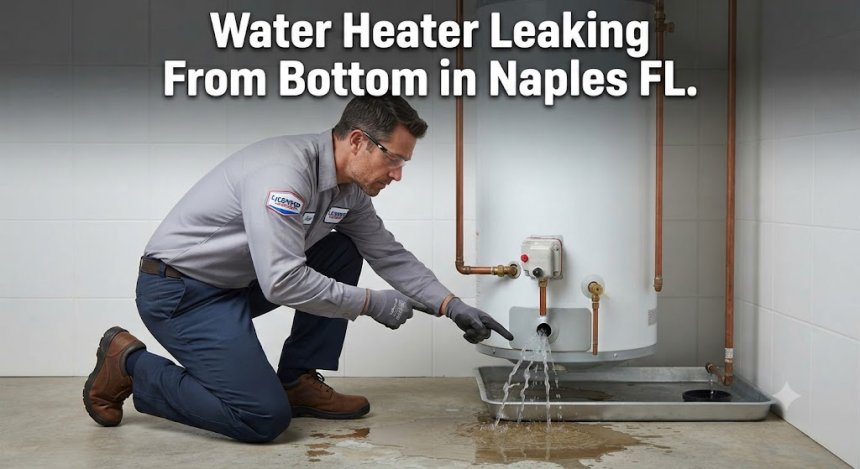
Walking into your garage, utility room, or commercial mechanical closet on a quiet morning in Naples, Florida, only to find a spreading puddle of water underneath your hot water storage tank is an experience guaranteed to induce immediate panic. For homeowners and business owners across Collier County, a leaking water heater represents more than just a minor inconvenience; it signals a potential structural failure that threatens flooring, drywall, and personal belongings.
When moisture appears at the base of your system, homeowners naturally search for urgent answers: Is it a simple condensation issue, a loose pipe connection, or a catastrophic tank failure requiring full replacement? At Incas Plumbing, stationed right on Dale Ave in Naples, we encounter this exact plumbing emergency on a regular basis. Because Southwest Florida features uniquely aggressive hard water and high humidity environments, water heater systems face distinct operational stressors. This comprehensive guide details why water heaters leak from the bottom, how to distinguish between minor fixes and major failures, and why prompt professional intervention safeguards your property.
What Is a Water Heater Bottom Leak?
A water heater bottom leak refers to any situation where water pools or accumulates around the base of a vertical storage tank system.
Definition and Common Situations
Unlike a dripping faucet that is easily spotted at eye level, bottom leaks occur out of sight near the floor plane. Common situations involve a traditional gas or electric tank water heater where moisture forms a steady drip, damp rings, or large puddles around the lower jacket and pedestal base.
Symptoms and Examples
For example, you might notice that the flooring immediately surrounding your utility closet feels damp to the touch, or you might spot rust stains streaking down the lower metal casing of the tank. Another classic symptom is hearing a faint hissing sound as leaking water hits a hot burner assembly underneath a gas-powered tank. Recognizing these clues early helps property owners prevent extensive water damage.
Why Does This Plumbing Problem Happen?
Water heaters are under constant hydrostatic pressure while managing thermal expansion and chemical reactions. Several primary factors cause water to breach the bottom of the unit.
Common Causes of Bottom Leaks
-
Internal Tank Corrosion (Glass-Lining Failure): Over years of service, the protective glass lining inside steel storage tanks breaks down. Once the steel is exposed to water, irreversible rust eats through the bottom wall of the tank, creating pinhole leaks that cannot be repaired.
-
Hard Water Sediment Accumulation: Naples municipal and well water supplies carry heavy mineral loads of calcium and magnesium. These minerals settle at the bottom of the tank, creating a dense layer that overheats the lower steel plate, causing metal fatigue and eventual cracking.
-
Condensation (Sweating Tanks): Particularly during seasonal weather shifts or in humid Florida utility rooms, cold incoming water fills a new tank, causing ambient moisture to condense on the cold steel jacket and run down to the floor. This mimics a leak but is typically harmless humidity buildup.
-
Leaking Temperature and Pressure (T&P) Relief Valve or Discharge Pipe: Although the T&P valve is located near the top or side of the tank, gravity causes discharging water or weeping leaks to run down the exterior metal shroud and pool directly at the bottom.
-
Loose Lower Heating Element Gaskets: On electric water heaters, the rubber O-rings sealing the lower screw-in or flanged heating elements can degrade, allowing water to weep outward and trickle down to the floor.
-
High Municipal Water Pressure: Excessive water pressure entering Naples properties places intense physical stress on internal tank welds and plumbing nipples.
Signs You Should Never Ignore
When it comes to water heaters, minor warning signs escalate rapidly into major household emergencies if disregarded.
-
Rust Streaks and Discolored Base Panels: Red or brown staining around the lower seams indicates that internal components are actively oxidizing.
-
Unexplained Increases in Water Bills: A hidden continuous leak from a compromised tank fitting or valve wastes hundreds of gallons, inflating utility expenses.
-
Musty Odors or Early Mold Growth: Standing water trapped beneath utility platforms or drywall creates an ideal breeding ground for household mold within 24 to 48 hours.
-
Fluctuating Water Temperatures: A leaking system often struggles to maintain steady heating cycles, resulting in lukewarm showers.
-
Strange Rumbling or Pop-Corn Noises: Heavy sediment layers boiling water at the bottom of the tank create structural vibrations that stress metal seams.
Common Plumbing Problems Related to This Issue
Water heater bottom leaks are frequently connected to broader plumbing and environmental complications within residential and commercial properties:
-
Thermal Expansion Stress: Closed-loop plumbing systems lacking functional expansion tanks experience extreme pressure spikes that strain every joint in the system.
-
Corroded Supply and Drain Lines: Rigid copper or galvanized pipes connected to the water heater often suffer from galvanic corrosion, developing pinhole leaks near the shut-off valves.
-
Drain Pan and Subfloor Rot: Persistent slow leaks saturate wooden subfloors, particle board platforms, and drywall backing, causing structural rot and termite attraction.
Step-by-Step Professional Repair Process
When you contact Incas Plumbing for a leaking water heater in the Naples area, our licensed technicians follow a structured, transparent diagnostic and repair workflow:
Our Professional Service Workflow
Emergency Safety Shutdown: We immediately shut off the electrical power breaker or gas supply valve and close the cold water inlet to stop active flooding.
Comprehensive Source Inspection: We trace moisture paths upward to determine whether the leak originates from the tank wall itself, fittings, valves, or external condensation.
Component Diagnosis: We test pressure relief valves, element gaskets, and check for structural tank integrity using specialized tools.
Upfront Transparent Estimate: We present clear options detailing whether a component repair or a full system replacement is required.
Execution of Repair or Replacement: If repairable (such as a loose element gasket or faulty T&P valve), we perform precision fixes. If the tank is rusted through, we facilitate code-compliant replacement.
Rigorous System Testing: We re-pressurize the system, check all fittings for absolute dryness, and verify proper thermostat operation.
Workspace Cleanup & Advice: We leave your utility area spotless and provide actionable maintenance guidance to protect your property.
Can You Fix It Yourself?
Homeowners eager to solve plumbing issues quickly often wonder if a bottom leak is a suitable DIY weekend project.
What Homeowners Can Safely Do
You can safely shut off the power or gas supply, close the cold water inlet valve to minimize water loss, place towels or wet-dry vacuums around the puddle, and clear the area for your professional plumber.
Why DIY Bottom Leak Repair is Dangerous
-
Tank Rupture Realities: If a water heater is leaking from the bottom due to tank shell corrosion, it cannot be patched. Attempting to weld or use epoxy sealants on a pressurized water heater tank under household pressure is extremely dangerous and ineffective.
-
Electrical Shock Hazards: Working around 240-volt electric water heaters with pooled water on the floor creates severe electrocution risks.
-
Gas Line Risks: Inexperienced handling of natural gas control valves or pilot assemblies risks dangerous gas leaks or carbon monoxide exposure.
Tools Professionals Use
Professional plumbers utilize advanced diagnostic equipment to evaluate water heater failures accurately:
-
Digital Multimeters: Used to test electrical continuity and element resistance on electric storage models.
-
Pressure Test Gauges: Attached to hose spigots to measure static home water pressure and identify dangerous pressure spikes.
-
Thermal Imaging Cameras: Scans exterior tank jackets to detect internal insulation gaps and hidden thermal leaks.
-
Pipe Wrenches and Tubing Cutters: Professional-grade tools required to safely disconnect rigid supply lines and unions.
-
Wet-Dry Extraction Equipment: Industrial vacuums used to clear utility room flooding quickly and protect subfloors.
How Long Does the Repair Usually Take?
Repair and service timelines depend entirely on the root cause of the leak:
-
Diagnostic Evaluation: Identifying the exact source of a bottom leak typically takes 30 to 45 minutes.
-
Minor Component Fixes: Replacing a faulty T&P valve, drain valve, or tightening a loose fitting takes 1 to 2 hours.
-
Full Tank Replacement: Removing a failed leaking tank and installing a brand-new code-compliant traditional or tankless unit takes 3 to 5 hours.
Cost Factors
Plumbing repair costs vary depending on the severity of the problem, accessibility, materials required, emergency service, property type, and local labor rates. Reputable plumbing companies avoid giving blind estimates over the phone because every installation features unique variables.
What Determines Total Pricing?
-
Diagnostic and Service Call Fees: The specialized technician time required to inspect and diagnose complex equipment failures.
-
Repair vs. Replacement Scope: Swapping a minor valve is vastly different from replacing an entire 50-gallon tank system.
-
Type and Capacity of Water Heater: Standard electric and gas tanks involve different labor and equipment costs compared to hybrid heat pump or high-efficiency tankless units.
-
Code Compliance Upgrades: Modern Florida building codes require installing thermal expansion tanks, drain pans, and proper safety venting during replacements.
-
Accessibility Challenges: Units located in tight attic spaces, second-floor closets, or cramped crawlspaces require additional labor overhead.
Hidden Truths Homeowners Should Know
Expert Insight: A bottom leak caused by internal tank rust cannot be fixed with a band-aid solution or sealant. Once the steel shell of a water heater breaches, the unit has reached the end of its structural life and must be replaced immediately to prevent catastrophic flooding.
-
Hard Water Acceleration: In Southwest Florida, untreated hard water aggressively scales and corrodes interior tank components, cutting standard equipment lifespans nearly in half.
-
Insurance Claim Limitations: Homeowner insurance policies frequently deny coverage for water damage resulting from neglected, long-term appliance leaks if lack of maintenance is established.
-
Utility Bill Spikes: A failing tank struggling with sediment and minor internal leaks consumes excess energy, silently driving up monthly utility expenses.
15 Common Mistakes Homeowners Make
-
Ignoring Minor Puddles: Assuming a small puddle is just a spilled bucket or humidity rather than investigating the tank base.
-
Attempting to Patch Rusted Tanks: Trying to use epoxy, sealants, or tape on a corroded steel tank wall under pressure.
-
Skipping Annual Maintenance: Failing to flush mineral sediment or inspect sacrificial anode rods yearly.
-
Hiring Unlicensed Handymen: Allowing uninsured operators to perform complex plumbing and gas line modifications.
-
Failing to Pull Permits: Skipping mandatory local permit requirements for water heater replacements.
-
Neglecting Thermal Expansion Tanks: Omitting expansion tanks on closed-loop systems, which invites premature tank failure.
-
Ignoring High Water Pressure: Failing to install or maintain a pressure-reducing valve (PRV).
-
Setting Thermostats Too High: Boosting temperatures past 140°F, which accelerates mineral scaling and tank stress.
-
Working Without Shutting Off Power: Attempting electrical repairs without turning off dedicated circuit breakers.
-
Leaving Gas Valves Open: Failing to shut off natural gas supplies during maintenance or inspections.
-
Improper Unit Sizing: Replacing an old unit with an undersized model unable to handle household demand.
-
Blocking Ventilation Clearances: Storing items around gas water heater draft hoods and air intakes.
-
Forgetting to Test T&P Valves: Allowing pressure relief valves to seize up through total neglect.
-
Delaying Professional Service: Waiting days or weeks while a minor leak grows steadily worse.
-
Failing to Insulate Pipes: Leaving supply lines unexposed to temperature fluctuations in unconditioned garages.
Maintenance Tips
Protect your water heater and prevent unexpected bottom leaks by adopting these proactive maintenance practices:
-
Flush Your Tank Annually: Remove mineral sediment and hard water scale from traditional storage tanks every year.
-
Inspect the Anode Rod: Check your sacrificial anode rod every 2 to 3 years and replace it before it dissolves completely.
-
Test the Relief Valve: Periodically lift the lever on the T&P valve to ensure it opens and snaps back shut cleanly.
-
Monitor Water Pressure: Check your home's water pressure periodically to ensure it stays below 80 psi.
-
Keep the Area Clean: Maintain a clear perimeter around the base of the unit to spot moisture early.
-
Insulate Hot Water Pipes: Slide foam insulation over supply pipes to retain thermal efficiency.
-
Check for Condensation: Distinguish between true tank leaks and seasonal humidity sweating.
-
Install a Water Softener: Combat aggressive Naples hard water at the point of entry.
-
Listen for Odd Noises: Pay attention to rumbling or popping sounds during heating cycles.
-
Verify Gas Connectors: Inspect flexible gas lines for kinking or stress.
-
Test Electrical Breakers: Ensure dedicated breakers are secure and functional.
-
Schedule Professional Tune-Ups: Have a licensed Naples plumber evaluate your system biennially.
-
Replace Aging Units Proactively: Consider upgrading your water heater once it exceeds 10 years of service.
-
Inspect Drain Pans: Ensure secondary drain pans are unblocked and connected to proper discharge lines.
-
Keep User Manuals Handy: Reference manufacturer guidelines for specific troubleshooting specs.
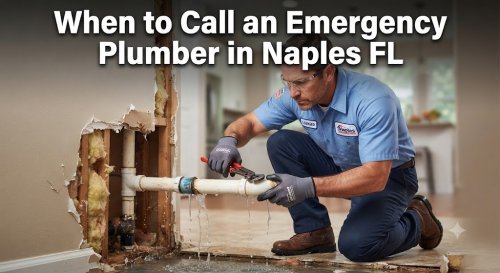
When Should You Call an Emergency Plumber?
Certain water heater leaks require immediate, round-the-clock emergency intervention:
-
Catastrophic Tank Splits: When the tank wall tears or splits wide open, discharging gallons of water across your floors.
-
Natural Gas Odors: If you smell gas or sulfur near the appliance control valve.
-
Electrical Smoke or Sparks: When wiring harnesses or breaker panels emit burning odors or smoke.
-
Runaway T&P Discharge: When a pressure relief valve fails and sprays boiling water uncontrollably.
-
Flooding in Finished Living Areas: When water threatens structural drywall, hardwood flooring, or electrical outlets.
Frequently Asked Questions
Why is my water pressure suddenly low?
Sudden low pressure is usually caused by a failing pressure-reducing valve, a major hidden leak, or mineral scale buildup clogging fixture aerators.
How much does leak detection cost?
Leak detection costs vary based on the diagnostic technology required, property size, and the accessibility of the hidden pipe or leak location.
Can a clogged drain damage pipes?
Yes. Severe clogs create excessive internal hydrostatic pressure, strain pipe joints, and can cause older pipes to crack or separate over time.
Is hydro jetting safe for old pipes?
Hydro jetting is highly effective, but an experienced plumber must first inspect your pipes with a camera to ensure the material is structurally sound enough to withstand high-pressure water streams.
How do I know if my sewer line is broken?
Signs of a broken sewer line include multiple slow drains throughout the house, gurgling toilet bowls, foul sewage odors in the yard, and unexplained lush patches of grass.
How long do water heaters last?
Traditional tank water heaters typically last between 8 to 12 years, while tankless units can last 20 years or more with proper annual maintenance.
Why does my faucet drip?
Faucets usually drip because internal rubber washers, O-rings, or ceramic cartridges have worn out due to normal friction and hard water exposure.
What causes pipes to burst?
Pipes most commonly burst due to excessive internal water pressure, severe corrosion, physical impact, or freezing temperatures in colder climates.
Can plumbing leaks increase my water bill?
Absolutely. Even a small pinhole leak running continuously can waste thousands of gallons of water per month, driving up your utility bills significantly.
When should I replace plumbing instead of repairing it?
If your home features outdated piping materials, experiences recurring pinhole leaks in multiple locations, or has severely corroded lines, a complete repipe is far more cost-effective than endless spot repairs.
Why Choose Incas Plumbing
When you need reliable water heater diagnostics and plumbing services in Naples, Florida, partnering with the right team makes all the difference. At Incas Plumbing, we are committed to excellence:
-
Experienced Licensed Plumbers: Highly trained professionals equipped to handle complex residential and commercial plumbing challenges.
-
Honest Recommendations: We provide straightforward, transparent advice tailored to what your property genuinely needs.
-
Upfront Estimates: No hidden fees, surprise charges, or confusing pricing structures.
-
Fast Response Times: Prompt dispatch to secure your property and minimize water damage.
-
Emergency Availability: Ready to assist when urgent plumbing failures strike your home or business.
-
Quality Workmanship: Precision repairs executed using top-tier materials and industry best practices.
-
Modern Equipment: Utilizing state-of-the-art diagnostic, testing, and flushing systems.
-
Local Expertise: Deep familiarity with Naples building codes, soil conditions, and regional plumbing infrastructure.
Contact Incas Plumbing Today
Don't let a leaking water heater threaten your property or disrupt your daily routine. Reach out to our local team at Incas Plumbing, located on Dale Ave, Naples, FL, or call us anytime at (844) 973-0400 to schedule your professional plumbing evaluation and repair service.