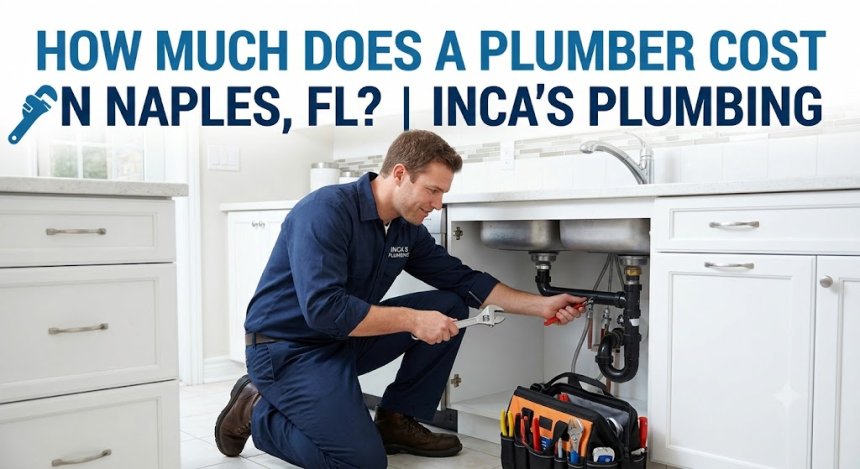
How Much Does a Plumber Cost in Naples, FL? | Inca's Plumbing
Need a plumber in Naples, FL? Discover the cost factors, professional repair processes, maintenance tips, and more. Call Inca's Plumbing at (844) 973-0400
Understanding the Plumber Cost in Naples, FL: A Homeowner’s Essential Guide
Plumbing problems are an inevitable part of home and business ownership. Whether it’s a stubborn clog in the master bathroom, an unexplainable puddle near your water heater in your North Naples office, or a complete lack of hot water before your morning shower in Lely Resort, these issues are disruptive and frequently stressful.
The very first question on nearly every homeowner’s mind when a plumbing crisis strikes is: “How much does a plumber cost in Naples, FL?”
The answer is rarely a simple, one-size-fits-all number. Homeowners actively search for this topic because they are worried about unexpected expenses, want to budget appropriately, and are fearful of being overcharged. We often fear that immediate attention might be important for a critical issue, but we also worry about the potential financial impact. By understanding the factors that professional plumbers use to calculate their costs, you can make informed decisions before you are forced to hire the first company you find during an emergency. This guide aims to demystify plumbing costs in our local area, moving beyond generic information to explain the real realities of maintaining your home's water systems.
What Determines a Plumber's Cost in Naples, FL?
When you ask about the plumber cost in Naples, FL, you are asking about a complex calculation that considers a wide range of factors. Naples, Florida, with its unique blend of upscale residences, older homes, and robust commercial sector, presents plumbing challenges unlike other parts of the state. These localized factors significantly influence the final invoice you receive from a plumbing service.
It is helpful to think of the overall cost not as a arbitrary number, but rather as the total of several quantifiable components. Here are the most critical cost factors that will ultimately determine your bill:
Diagnostic Fees (or Trip Charges)
Most professional plumbers, especially for emergency calls, will charge a diagnostic fee just to arrive at your property. This covers the technician’s travel time, fuel, and the expertise needed to initially assess the problem. In some cases, this fee may be waived if you approve the suggested repair, but always confirm this policy beforehand.
Cost Factors: The Core Components
-
Labor Rates: Plumbing involves highly skilled, licensed professionals. The time a technician spends diagnosing, repairing, and testing your plumbing system makes up a major portion of the cost. Local labor rates reflect the high cost of living in the Naples area.
-
Parts and Materials: This includes everything from a simple washer for a faucet to the high-end fixtures or specialized pipe needed for a main sewer line replacement. The quality and type of material requested (e.g., standard PVC vs. high-grade PEX tubing) significantly impact this cost.
-
Emergency Service Charges: Issues never occur during convenient business hours. A burst pipe at midnight on a Sunday in Port Royal will carry different after-hours or emergency service charges than a routine faucet replacement on a Tuesday afternoon.
-
Equipment Needed: Simple repairs may only require basic hand tools. However, complex problems like deep-seated sewer main clogs often necessitate expensive, specialized equipment like professional drain cameras, hydro jetting rigs, or electronic leak detection gear.
Hidden Truths Homeowners Should Know About Plumbing Costs
When dealing with plumbing, what you don't know can hurt your wallet. Beyond the invoice details, there are several "hidden truths" and practical realities that dramatically affect your long-term costs.
Hidden Realities
-
Small Leaks Become Expensive Repairs: A minor drip behind the drywall or under a concrete slab might only release a few gallons a day, but that continuous moisture promotes structural wood rot, foundation instability, and mold growth within 24 to 48 hours. Ignoring a small leak is like ignoring a ticking time bomb.
-
Cheap Temporary Fixes Often Fail: That DIY quick patch you found on the internet might stop the puddle for a week, but temporary fixes rarely address the root issue. They frequently fail under pressure, leading to more substantial secondary damage and requiring an even more expensive, complex repair down the road.
-
Insurance May Not Cover Neglected Plumbing: Many homeowners assume their insurance covers all water damage. However, insurance companies are savvy. If they determine that a failure was the direct result of long-term neglect—such as ignoring a recurring clog or skipping necessary water heater maintenance—your claim may be denied, leaving you fully responsible for the entire repair and restoration costs.
-
Tree Roots Can Repeatedly Damage Sewer Lines: In Naples, our lush landscaping means that vigorous tree roots are a constant threat. Simply clearing a main line once is not always enough; the roots will grow back unless the line is permanently repaired or replaced.
The True Cost of Delay
Delaying necessary plumbing repairs causes extensive structural damage, leading to massive property damage restoration bills that dwarf the initial plumbing cost. Mold growth develops quickly in Florida’s humidity, posing serious health risks and requiring professional remediation. Hidden supply line leaks can significantly increase your water bill each month, essentially costing you money while you wait. Most importantly, annual maintenance saves money by identifying minor problems before they escalate into high-cost emergencies.
Why Do These Plumbing Problems Happen in Naples?
Understanding why plumbing problems occur is the first step in preventing them (and minimizing future plumber cost Naples, FL). In our unique Naples, FL environment, several specific factors contribute heavily to system failures:
Hard Water and High Water Pressure
The water supply in Collier County is often high in mineral content (i.e., hard water). These minerals, specifically calcium and magnesium, build up inside your pipes (scaling), restricting flow and accelerating internal corrosion, especially in older galvanized steel or copper lines. Furthermore, many parts of Naples experience high water pressure, which, while convenient for showers, puts continuous stress on pipe joints, valves, and appliance connections.
Corrosion, Age, and Improper Installation
Older homes in neighborhoods near downtown or the bay may still have original plumbing that is reaching the end of its lifespan. Legacy pipe materials eventually suffer from corrosion or joint failure. Unfortunately, improper installation—such as incorrectly joined pipe, poor supporting structures, or wrong pipe sizes—can also create recurring issues in both new construction and remodels.
Maintenance and Natural Factors
A leading cause of major failures is simply poor maintenance. Skipping annual water heater flushes, ignoring slow drains, or not checking for invisible leaks under sinks or near appliances allows minor issues to fester. Tree roots are drawn to the moisture and nutrients in sewer mains, infiltrating and completely blocking pipes. Finally, while we don't worry about frozen pipes in Southwest Florida, clogs from grease, feminine products, or other inappropriate items flushed down the toilet are constant sources of main sewer backups.
15 Common Mistakes Homeowners Make That Increase Plumbing Costs
Avoiding these mistakes is crucial for keeping your overall plumbing costs manageable and preventing massive failures.
+-----------------------------------------------------------+
|               15 Common Homeowner Mistakes                |
+-----------------------------------------------------------+
| 1. Ignoring Subtle Leaks and Drips                        |
| 2. Pouring Grease and Fats Down the Drain                 |
| 3. Flushing Wipes and Non-Flushable Items                |
| 4. Systematically Overloading Garbage Disposals            |
| 5. Using Chemical Drain Cleaners (on Any Pipes)           |
| 6. Ignoring Recurring Slow Drains                          |
| 7. Skipping Sump Pump and Water Heater Maintenance        |
| 8. Leaving Exterior Hoses Connected in Hard Frosts        |
| 9. Ignoring High Water Pressure or Flow Irregularities    |
| 10. Attempting Unskilled DIY Soldering/Complex Repairs      |
| 11. Hiring Unlicensed or Uninsured Technicians              |
| 12. Delaying Necessary Inspections and Diagnostics        |
| 13. Storing Heavy Objects Directly Against Plumbing       |
| 14. Over-Tightening Fixture Connections                  |
| 15. Failing to Know the Location of the Main Valve        |
+-----------------------------------------------------------+
Each of these mistakes leads directly to either sudden failures, accelerated system wear, or the danger of secondary damage.
Signs You Should Never Ignore: Warning Signs matter
Ignoring subtle warnings from your plumbing is one of the most effective ways to guarantee an expensive emergency call later. When you notice these warning signs, it matters because each one is a signal of a developing crisis:
-
Water Stains and Damp Walls: These are classic indicators of a hidden supply line leak behind the drywall or inside a ceiling cavity. The water is actively causing rot and supporting mold growth, even if the leak itself is just a slow drip.
-
Strange Noises (Gurgling, Banging): Gurgling sounds from your toilet when you run the kitchen sink mean there is air trapped in the system by a developing main sewer line blockage. Banging noises mean your pipes are experiencing high water pressure issues, putting extreme stress on every connection.
-
Unpleasant Odors: Sewer gas or rotten egg smells escaping from multiple drains mean that sewage is not being properly vented out of the building, potentially indicating a main line vent break or severe backup.
-
Low Water Pressure and High Water Bills: A sudden drop in overall pressure combined with a spike in your utility bill almost always means there is a massive hidden water leak, often under your concrete foundation (slab leaks).
-
Visible Mold: In Florida’s humidity, visible mold growth confirms that moisture has been trapped for at least 24 to 48 hours, often from an unaddressed plumbing failure.
Common related issues you must also be on the alert for include fixture damage, drain clogs, water heater failures, and dangerous burst pipes.
Professional Steps professionals Use for Major Plumbing Repairs
While many minor issues can seem straightforward, resolving major plumbing system failures requires sophisticated techniques and professional expertise. Here is the process our licensed, experienced plumbers usually execute:
Step 1: Inspection and Non-Invasive Diagnostics
The first step is always to safely identify the source of the problem. Depending on the symptoms, technicians may use high-resolution drain cameras (waterproof video inspection of sewer mains), non-invasive acoustic or thermal leak detection equipment, or other advanced equipment needed like electronic pipe locators.
Step 2: Clear, Honesty, and Estimate
Once the problem is identified, the plumber provides a clear diagnosis and upfront estimate of both the cost and the required estimated timelines for the permanent repair.
Step 3: Repair, Replacement, or Restoration
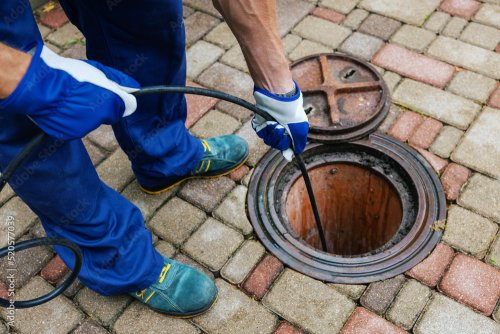
This is the core work, executing the specific solution approved. This could involve traditional pipe replacement, surgical fixture repairs, hydro jetting (using high-pressure water to clear heavy sediment and roots), or even advanced trenchless equipment for main sewer line restoration without destructive trenching.
Step 4: Testing, Cleanup, and Certification
After the repair, we perform thorough pressure and flow testing, sanitize the affected area, and ensure full customer satisfaction.
When Is Emergency Plumbing Necessary?
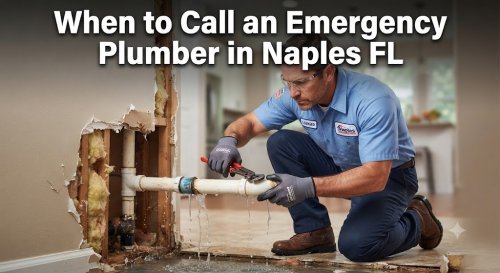
It is helpful to know what constitutes a true plumbing emergency so you can act quickly and authorize the corresponding emergency service charges. You should call a professional 24/7 plumber immediately for:
-
Burst Pipes: Water actively flooding your home or business.
-
Raw Sewer Backups: Sewage is emerging from multiple lowest drains.
-
Complete Water Loss (Across Multiple Rooms): Zero flow from all taps in the house.
-
Visible Flooding Near Electrical Panels: Water in finished basements or near utilities.
-
Strong Sewer Gas or Gas Line Odors (If applicable): High-priority life-safety concerns.
Explain why immediate action is important in these cases: Immediate action prevents catastrophic, system-wide property damage, stops dangerous bacterial and pathogen spread, and addresses immediate electrical or gas fire risks, potentially saving you thousands in long-term restoration.
How Long Does the Repair Usually Take?
Timelines for plumbing repairs can vary as much as the costs. During the initial diagnostic, your plumber should be able to provide a realistic estimate of the necessary time.
| Problem Severity | Examples | Typical Estimated Timelines | Factors Affecting Time |
| Simple Repairs | Basic clog, faucet drip, valve replacement | 1 to 3 hours | Ease of access to the fixture, availability of specific parts |
| Moderate Repairs | Complex clog clearance, isolated pipe patch | 3 to 6 hours | Degree of pipe corrosion, structural complexity around access points |
| Major Repairs | Water heater replacement, partial sewer line | 1 to 2 days | Permits needed, soil depth, concrete removal, material availability |
| Emergency Repairs | Single burst pipe, isolated sewer backups | 2 to 6 hours (often after diagnostics) | Severity of immediate flooding, complexity of system shutdown |
factors affecting repair time include the complexity of diagnosis, ease of access to the faulty components, material availability, necessary permit approvals, and the overall degree of structural or environmental damage already sustained.
Preventative Maintenance Tips to Keep Plumbing Costs Low
Preventative maintenance is the absolute best way to ensure your plumber cost Naples, FL remains manageable and minimal. provide 15–20 practical maintenance tips, starting with these basics:
-
Flush with Care: Only flush toilet paper and human waste. Keep wipes (even "flushable"), paper towels, hygiene products, and garbage disposal overload out of the main lines.
-
Dispose of Grease Properly: Never pour fats or cooking oils down the drain; collect them in a separate container and discard them in the trash.
-
Test Sump Pumps and Water Heaters Annually: For homes with these systems, verify they are operational. Flush sediment from your water heater each year to maintain its lifespan.
-
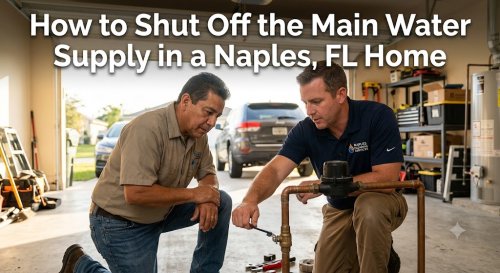
Know Your Main Valve: Ensure everyone in the house knows the exact location of the main water shutoff valve. This is the single most important tool during a major failure.
Seasonal Advice for Naples, FL
During hurricane season, verify all exterior drains and gutters are clear of debris to prevent foundation saturation. If you leave your property vacant for extended periods in the summer, consider shutting off the water at the main valve and draining the lines to prevent invisible failures while you are away. Maintenance tips are helpful and educational, and annual maintenance saves money by identifying problems while they are still low-cost, professional repairs.
Can You Fix It Yourself? (Safe vs. Dangerous DIY)
In today's digital world, it’s easy to find a "DIY plumbing guide" for nearly any problem. However, attempting complex plumbing repairs without professional training, proper diagnostic tools, and licensing can be costly, dangerous, and often exacerbates the underlying issue.
When DIY becomes dangerous
Any project involving natural gas lines, main sewer laterals (requiring drain cameras), advanced slab leaks, complex pipe-material soldering (like lead or copper on vintage lines), or anything that impacts multiple fixtures demands a licensed professional plumber. Unlicensed DIY repairs frequently lead to secondary joint failures, significant water stains, and potential structural damage or electrical hazards from invisible failures. Professional repair processes include full system testing, which temporary fixes do not provide.
Why Choose Inca's Plumbing for Your Naples Plumbing Needs
When a plumbing problem strikes, you need an experienced, trustworthy company that values your property and provides honest answers. Inca's Plumbing offers:
-
Experienced, Licensed Plumbers: Our technicians are fully licensed, ensuring high quality and code compliance.
-
Upfront Estimates and Transparent Pricing: We present clear diagnoses and upfront cost factors before work begins, building trust over quick upsells.
-
Honest Recommendations (No Upselling): Our priority is resolving your current problem safely and permanently, not creating new ones.
-
Emergency Service and Emergency Service Availability: We respond quickly to true emergencies, offering 24/7 support.
-
Customer Satisfaction Commitment: We stand by our high-quality workmanship and quality workmanship guarantees.
-
Naples, FL Local Expertise: We understand the hard water, high pressure, aging Cast Iron sewer lines, and structural challenges unique to properties in Lely, Lely Resort, downtown Naples, and throughout Collier County.
Inca's Plumbing provides professional, high-quality, and trustworthy professional plumber services. Choosing a licensed plumber is essential for code compliance, safety, insurance coverage protection, and guaranteed workmanship. Call Inca's Plumbing today at (844) 973-0400 for transparent answers on all your Naples plumbing costs. We provide educational and trustworthy advice so you can make informed decisions.
Frequently Asked Questions
Why is my water pressure suddenly low?
Sudden house-wide low pressure almost always points to a massive invisible leak, often a burst pipe under your concrete foundation (slab leaks), or a massive hidden main line failure near your street entry. This symptom means cost Naples FL plumbing needs an immediate professional diagnostic.
How much does leak detection cost?
For standard, hidden supply line leaks, acoustic or thermal electronic leak detection equipment usage usually carries a specialized fee ranging from $200–$400 for the professional service. This diagnostic cost factor covers the specialized equipment needed and technician expertise.
Can a clogged drain damage pipes?
Yes, but the greater danger is from improper temporary fixes. Using chemical drain cleaners systematically will corrode metal pipes, and forceful DIY cabling can easily fracture weak, old pipes (like aging cast iron sewer lines).
Is hydro jetting safe for old pipes?
Generally, yes, but only when performed by a professional using the appropriate pressure settings suitable for the age and material of the pipe (verified by a camera inspection). Hydro jetting is safer than forceful mechanical cabling for very old lines.
How do I know if my sewer line is broken?
Hearing gurgling from your toilet when you run the sink, smelling raw sewage, experiencing system-wide slow drains, and finding standing water or gurgling in your lowest lowest drains (like floor drains) are classic signs of a main sewer backups.
How long do water heaters last?
Standard tank water heaters generally last 8 to 12 years; tankless models often operate efficiently for 15 to 20 years with annual maintenance.
Why does my faucet drip?
Drips are typically caused by worn internal rubber O-rings, deteriorated washer seals, or mineral buildup (from hard water) preventing internal valves from closing completely.
What causes pipes to burst?
In our region, pipes rarely burst from freezing, but rather from extreme high water pressure surges, heavy internal corrosion, invisible material defects, or structural grounding settlement.
Can plumbing leaks increase my water bill?
Absolutely. A slow invisible leak under your foundation or in a wall can waste hundreds of gallons per day, increase your water bill significantly, and cause massive structural damage before being discovered.
When should I replace plumbing instead of repairing it?
Pipes should be replaced when they show signs of widespread, advanced corrosion, experience repeated failures (like multiple slab leaks in the same line), or when the pipe material has reached its engineering lifespan.