Multiple Drains Clogging at Once? Causes & Solutions
When multiple drains clog at the same time, the problem is usually deeper than a simple drain blockage. Learn why several drains clog together, signs of sewer line problems, professional diagnosis methods, repair solutions, prevention tips, and when emergency plumbing service is needed.
What Does It Mean When Multiple Drains Clog at the Same Time?
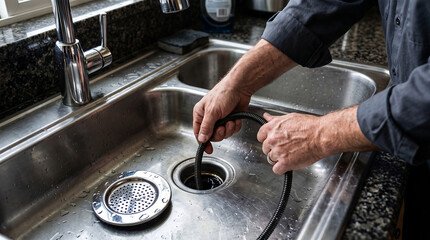
Multiple clogged drains usually mean the blockage is located deeper in your plumbing system rather than inside one individual fixture.
Your home has a network of drain pipes that connect different fixtures to the main sewer line. When the main drainage pathway becomes restricted, several fixtures may begin showing problems.
Common affected areas include:
- Kitchen sinks
- Bathroom sinks
- Showers
- Bathtubs
- Toilets
- Laundry drains
- Basement floor drains
A problem affecting several drains should be inspected carefully because it may involve the main plumbing system.
Why Are Multiple Drains Clogging at Once?
Several issues can cause multiple drains to become blocked simultaneously.
Main Sewer Line Blockage
One of the most common causes of multiple clogged drains is a blockage in the main sewer line.
The main sewer line carries wastewater from your home to the municipal sewer system or septic tank.
When this line becomes blocked:
- Wastewater cannot leave your home properly
- Water may back up through lower fixtures
- Multiple drains may slow down
Common causes include:
- Grease buildup
- Debris accumulation
- Foreign objects
- Pipe damage
Tree Root Intrusion
Tree roots can cause serious sewer line problems.
Roots naturally grow toward moisture sources and may enter underground pipes through small cracks or loose joints.
Inside the pipe, roots can:
- Block wastewater flow
- Trap debris
- Create repeated clogs
- Damage the pipe structure
Properties with mature trees may have a higher risk of sewer line problems.
Grease and Organic Buildup
Grease is one of the biggest causes of drainage problems.
When poured down the kitchen sink, grease can:
- Stick to pipe walls
- Harden over time
- Collect food particles
- Reduce pipe capacity
Eventually, the buildup may affect the entire drainage system.
Aging or Damaged Pipes
Older plumbing systems may develop problems that restrict drainage.
Common pipe issues include:
- Corrosion
- Cracks
- Pipe collapse
- Joint separation
- Mineral buildup
Damaged pipes can prevent wastewater from flowing correctly.
Heavy Rain and Sewer Overload
During periods of heavy rainfall, sewer systems may become overwhelmed.
This can cause:
- Slow drainage
- Water backups
- Sewer overflow problems
Homes with drainage issues may experience more frequent problems during storms.
Improper Items Flushed Down Toilets
Toilets should only receive human waste and toilet paper.
Items that may create blockages include:
- Baby wipes
- Paper towels
- Cleaning wipes
- Feminine products
- Trash
These materials may accumulate in sewer lines and restrict flow.
Signs You Should Never Ignore
Multiple clogged drains often come with additional warning signs.
Water Backing Up Into Other Fixtures
If flushing the toilet causes water to rise in the bathtub or shower, there may be a main drain blockage.
Gurgling Sounds
Gurgling noises occur when trapped air moves through restricted pipes.
This may indicate:
- Drain blockage
- Sewer line issue
- Poor drainage flow
Sewer Odors
A strong sewage smell may indicate wastewater is not moving properly.
Slow Drainage Throughout the Home
When several fixtures drain slowly, the problem is likely deeper than a single clogged pipe.
Frequent Plumbing Backups
Repeated backups suggest the underlying issue has not been properly repaired.
Common Plumbing Problems Related to Multiple Drain Clogs
Multiple clogged drains can lead to other serious plumbing issues.
Sewer Backups
A blocked main sewer line can force wastewater back into your home.
Pipe Damage
Excess pressure from blockages can damage plumbing pipes.
Water Damage
Overflowing drains can damage:
- Floors
- Walls
- Cabinets
- Personal belongings
Mold Growth
Water intrusion creates moisture conditions that encourage mold development.
Health Concerns
Sewage backups may contain harmful bacteria and contaminants.
Step-by-Step Professional Diagnosis and Repair Process
A professional plumber follows a detailed process to identify the cause.
Step 1: Inspect the Plumbing System
The plumber evaluates:
- Which drains are affected
- Backup locations
- Drain behavior
- Previous plumbing issues
Step 2: Locate the Blockage
Professional tools help determine where the restriction exists.
The plumber checks whether the issue is:
- A single drain clog
- A branch pipe blockage
- A main sewer line problem
Step 3: Perform Sewer Camera Inspection
A sewer camera allows plumbers to inspect inside underground pipes.
It can identify:
- Blockages
- Root intrusion
- Cracks
- Pipe damage
Step 4: Recommend the Correct Solution
Depending on the problem, solutions may include:
- Drain snaking
- Hydro jetting
- Sewer cleaning
- Pipe repair
- Sewer replacement
Step 5: Complete the Repair
The plumber removes the blockage or repairs damaged plumbing components.
Step 6: Test Drain Performance
After repairs, the system is tested to confirm proper water flow.
Step 7: Provide Maintenance Recommendations
The plumber may recommend steps to prevent future blockages.
Can You Fix Multiple Clogged Drains Yourself?
Basic maintenance may help with minor issues, but multiple clogged drains usually require professional evaluation.
Safe Homeowner Actions
You can:
- Stop using excessive water
- Remove visible drain debris
- Avoid flushing unnecessary items
- Check for obvious backups
When DIY Becomes Dangerous
Avoid DIY repairs if:
- Multiple drains are affected
- Sewage is backing up
- The main sewer line may be blocked
- Water damage is occurring
Using chemical drain cleaners may temporarily improve symptoms but often does not fix deeper sewer problems.
Tools Professionals Use for Multiple Drain Problems
Sewer Camera Inspection
Allows plumbers to see inside sewer pipes.
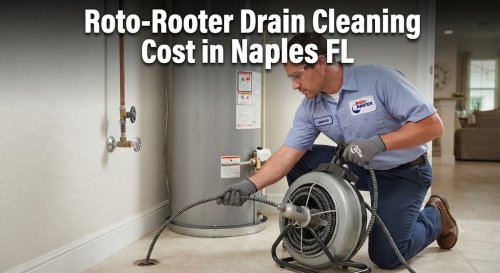
Drain Snakes
Used to remove certain blockages.
Hydro Jetting Equipment
Uses high-pressure water to clean buildup from pipe walls.
Pipe Locating Equipment
Helps identify underground pipe locations.
Pressure Testing Equipment
Checks plumbing system performance.
How Long Does Multiple Drain Repair Take?
Repair time depends on the cause and severity.
Simple Blockage Removal
Minor blockages may be resolved quickly.
Moderate Drain Cleaning
Deeper clogs may require additional inspection and cleaning.
Major Sewer Repairs
Damaged sewer lines or root problems require more extensive work.
Factors affecting repair time include:
- Location of blockage
- Pipe condition
- Required equipment
- Accessibility
Cost Factors for Multiple Drain Clog Repair
Plumbing repair costs vary depending on several factors.
Important cost considerations include:
Location of Blockage
A small drain clog costs differently than a main sewer blockage.
Type of Repair
Drain cleaning, hydro jetting, and pipe repairs have different requirements.
Inspection Requirements
Camera inspections may be necessary for accurate diagnosis.
Pipe Accessibility
Hard-to-reach plumbing areas may increase labor requirements.
Emergency Service
Urgent plumbing situations may affect service costs.
Plumbing repair costs vary depending on the severity of the problem, accessibility, materials required, emergency service, property type, and local labor rates.
A professional plumber can provide an accurate estimate after inspection.
Hidden Truths Homeowners Should Know About Multiple Clogged Drains
- Multiple clogged drains are rarely just a coincidence.
- A main sewer problem can affect the entire home.
- Temporary fixes may hide serious issues.
- Chemical cleaners often do not remove deep blockages.
- Tree roots can repeatedly damage sewer pipes.
- Ignoring backups can cause expensive water damage.
- Older pipes require more frequent inspections.
- Slow drains are early warning signs.
- Professional diagnosis saves unnecessary repairs.
- Preventive maintenance reduces emergencies.
15 Common Mistakes Homeowners Make With Drain Problems
1. Ignoring Multiple Slow Drains
This may indicate a major blockage.
2. Pouring Grease Into Drains
Grease causes serious buildup.
3. Flushing Non-Flushable Items
These create sewer restrictions.
4. Using Chemical Cleaners Frequently
Chemicals can damage plumbing.
5. Waiting Until a Backup Happens
Early repairs prevent emergencies.
6. Ignoring Sewer Odors
Odors may indicate drainage issues.
7. Attempting Major DIY Repairs
Incorrect repairs increase damage.
8. Skipping Drain Maintenance
Regular care prevents problems.
9. Ignoring Older Sewer Lines
Aging pipes need inspections.
10. Planting Trees Near Sewer Lines
Roots can damage underground pipes.
11. Not Knowing Sewer Line Location
This complicates repairs.
12. Ignoring Gurgling Sounds
Noise may indicate blockage.
13. Using Incorrect Drain Tools
Improper tools may damage pipes.
14. Hiring Unqualified Repair Services
Experience matters for sewer work.
15. Delaying Professional Inspection
Small issues can become emergencies.
Maintenance Tips to Prevent Multiple Drain Clogs
- Avoid flushing unnecessary items
- Never pour grease down drains
- Use drain strainers
- Clean drains regularly
- Schedule sewer inspections
- Monitor slow drainage
- Repair leaks quickly
- Maintain trees near sewer lines
- Avoid excessive chemical cleaners
- Clean garbage disposals properly
- Schedule professional drain cleaning
- Watch for sewer odors
- Address gurgling sounds early
- Maintain older plumbing systems
- Know emergency shutoff locations
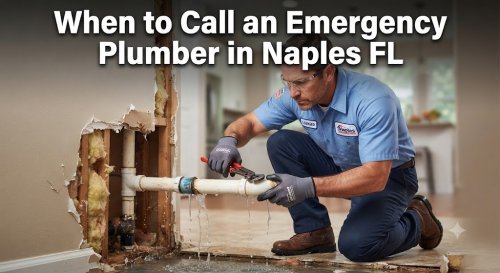
When Should You Call an Emergency Plumber?
Call an emergency plumber if you experience:
- Sewage backup
- Multiple overflowing drains
- Wastewater entering your home
- Major flooding
- Strong sewer odors
- Suspected sewer line collapse
Immediate action helps protect your property and health.
People Also Ask
Why are multiple drains clogged at the same time?
Multiple clogged drains usually indicate a main sewer line blockage or major plumbing restriction.
Can a sewer line clog affect all drains?
Yes. The main sewer line connects many fixtures, so a blockage can affect the entire home.
How do plumbers fix multiple clogged drains?
Plumbers may use drain cleaning, sewer cameras, hydro jetting, or pipe repairs.
Are multiple clogged drains an emergency?
They can become an emergency if sewage is backing up or flooding occurs.
Why does my toilet clog when I use another drain?
This may indicate a problem with the main drainage line.
Can tree roots cause multiple drain clogs?
Yes. Tree roots can block underground sewer pipes.
Should I use chemical drain cleaners?
Chemical cleaners may not solve deeper blockages and can damage pipes.
How can I prevent sewer backups?
Proper disposal habits, inspections, and maintenance reduce risks.
How often should sewer lines be inspected?
Inspection frequency depends on pipe age and condition.
When should I call a plumber?
Call a professional when multiple drains are affected or backups occur.
Why Choose Incas Plumbing?
Multiple clogged drains require proper diagnosis because the problem may involve your main plumbing system.
Incas Plumbing provides:
- Professional drain inspections
- Sewer line diagnosis
- Reliable plumbing solutions
- Modern equipment
- Honest recommendations
- Quality workmanship
Whether you have slow drains, recurring backups, or possible sewer problems, professional plumbing service can help protect your home.
Contact Incas Plumbing Today
Do not ignore multiple clogged drains. The problem may become a serious plumbing emergency.
Contact Incas Plumbing for professional drain cleaning and sewer solutions.
Call 844-833-2093 today to schedule an inspection or request an estimate.