Broken Underground Water Pipe: Signs & Solutions
A broken underground water pipe can waste water, damage your yard and foundation, and increase your water bill. Learn the warning signs, causes, detection methods, repair options, and when to call a professional plumber.
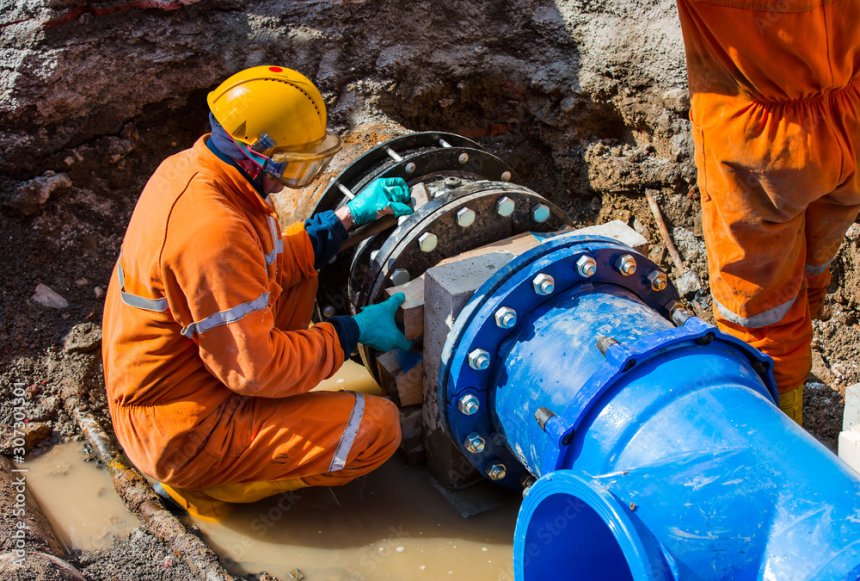
How Do You Know If You Have a Broken Water Pipe Underground?
A broken underground water pipe can be difficult to identify because the damaged pipe is hidden beneath soil, concrete, landscaping, or a driveway. Unlike a leaking faucet or exposed pipe, you may not see water coming directly from the damaged line.
Instead, your home may give you indirect warning signs.
A suddenly high water bill, unexplained wet spot in the yard, low water pressure, water pooling near the foundation, or the sound of running water when everything is turned off can indicate a problem with an underground water line.
Finding the problem early matters. A small underground leak can continue wasting water and eventually cause soil erosion, landscaping damage, foundation concerns, or a major water line failure.
What Is an Underground Water Pipe?
An underground water pipe carries water from the main supply into your home or another building.
Depending on the property, underground water lines may connect:
- Municipal water supplies
- Private wells
- Main water meters
- Outdoor plumbing
- Residential plumbing systems
Because these pipes are buried, problems can remain hidden until the leak becomes significant.
What Causes Pipe Breaks?
Several conditions can cause an underground water pipe to crack, leak, or completely break.
Aging Pipes
Older pipes can weaken over time. Corrosion, repeated pressure changes, and general deterioration can eventually create leaks.
Corrosion
Metal pipes may corrode internally or externally depending on water chemistry, soil conditions, and pipe age.
High Pressure
Excessive water pressure puts additional stress on pipes, fittings, and connections.
Freezing Weather
When water freezes inside a pipe, it expands. This expansion can crack or split the pipe.
Ground Movement
Soil shifting, erosion, construction, or settlement can place stress on underground plumbing.
Poor Installation
Incorrect pipe depth, poor connections, or unsuitable materials can contribute to premature pipe failure.
Tree Roots
Tree roots are especially problematic around underground plumbing. They can disturb surrounding soil and interfere with damaged or aging lines.
What Are the Warning Signs?
Several signs may indicate a broken underground water pipe.
High Water Bills
An unexplained increase in your water bill is one of the most common warning signs.
If your household water usage has not changed but consumption suddenly increases, investigate the possibility of a leak.
Wet Yard Spots
A wet or unusually green area in the yard may indicate water escaping underground.
Pay particular attention when:
- There has been little rainfall
- One section stays wet
- Grass grows unusually fast
- Soil remains soft or muddy
Low Water Pressure
A damaged water supply line can reduce water pressure throughout the property.
You may notice:
- Weak showers
- Slow faucets
- Toilets filling slowly
- Reduced flow from multiple fixtures
Running Water Sounds
Listen for water when every faucet, toilet, appliance, and irrigation system is turned off.
A continuous hissing, rushing, or flowing sound can indicate a hidden leak.
Water Pooling
Unexpected water around the:
- Foundation
- Driveway
- Sidewalk
- Yard
may indicate an underground plumbing problem.
Foundation Moisture
Water escaping near the foundation can create persistent moisture.
Do not assume unexplained foundation moisture is harmless.
Cracks or Soil Changes
Large underground leaks can wash away soil and potentially contribute to:
- Erosion
- Depressions
- Sinkholes
- Cracks around hard surfaces
These signs require professional evaluation.
How Can You Check for a Leak?
Homeowners can perform a few basic checks before calling a plumber.
Check the Water Meter
Turn off all water inside and outside your property.
Check the water meter and wait.
If the meter continues registering water use when everything is shut off, a leak may be present.
Inspect the Yard
Walk around your property and look for:
- Wet soil
- Unusual vegetation
- Standing water
- Muddy areas
- Soil depressions
Check Water Pressure
Notice whether water pressure has changed suddenly or gradually.
A major change may warrant professional inspection.
Listen Carefully
At quiet times, listen near plumbing areas and the main water line for unusual water sounds.
These checks can provide useful clues, but they cannot confirm the exact location or cause of an underground leak.
Why Is Early Detection Important?
An underground leak does more than waste water.
Water Waste
A damaged water line can continue leaking around the clock.
Property Damage
Escaping water may affect:
- Landscaping
- Driveways
- Walkways
- Foundations
- Soil stability
Higher Bills
Continuous water loss can significantly increase your utility costs.
Larger Pipe Failure
A small crack can worsen and eventually become a major break.
Mold and Moisture
Persistent moisture around structures can contribute to mold and other moisture-related problems.
How Do Plumbers Find the Leak?
Underground leak detection requires more than simply looking for wet soil.
Visual Inspection
A plumber first reviews visible symptoms and plumbing components.
Meter Testing
Water usage may be checked to determine whether water is escaping continuously.
Pressure Testing
Pressure testing can help determine whether the water system is maintaining pressure properly.
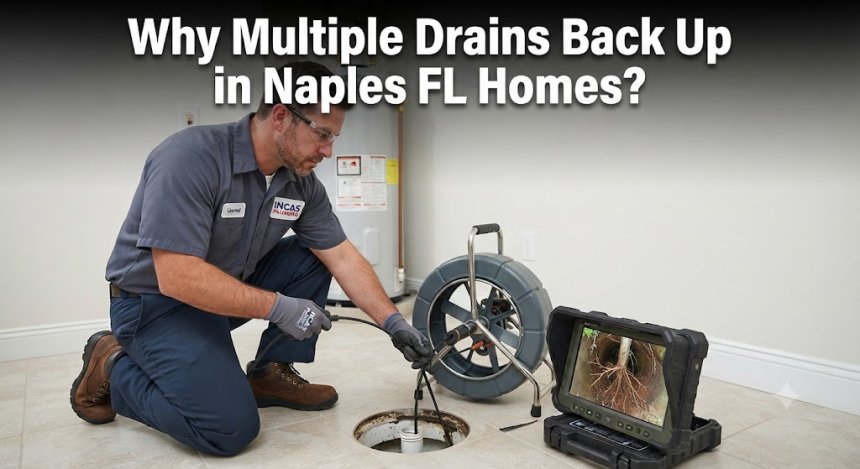
Electronic Detection
Specialized equipment can help locate escaping water below the surface.
Pipe Locating
Professional equipment can identify the approximate location and path of underground plumbing.
Targeted Excavation
Once the problem area is identified, excavation may be limited to the necessary section rather than digging up the entire property.
Can You Repair It Yourself?
Homeowners can identify warning signs, but underground water line repairs are generally not a good DIY project.
Safe Checks
You can safely:
- Monitor your water meter
- Inspect your yard
- Check visible plumbing
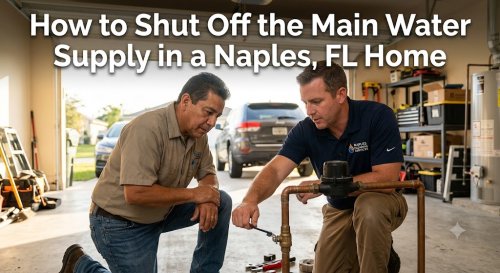
- Shut off the main water supply if necessary
- Document changes in water pressure
Avoid Digging Blindly
Before digging, remember that underground areas may contain:
- Electrical lines
- Gas lines
- Communication cables
- Other utilities
Professional locating and appropriate utility procedures should be followed before excavation.
When to Call a Plumber
Call a professional if you suspect:
- A broken main water line
- An underground leak
- Major water loss
- Sudden pressure loss
- Water pooling near your foundation
What Repairs Are Available?
The appropriate repair depends on the pipe condition and location.
Spot Repair
If the damage is isolated, a plumber may replace only the affected section.
Pipe Replacement
Severely damaged or deteriorated lines may need replacement.
Trenchless Methods
Some underground water line projects may qualify for trenchless techniques, depending on pipe condition, location, soil, access, and local requirements.
Full Water Line Replacement
If an old line has repeated failures, replacing the entire affected line may be more practical than continuing with individual repairs.
How Long Does Repair Take?
Repair time varies considerably.
Minor Repairs
An accessible, isolated pipe problem may be resolved relatively quickly.
Moderate Repairs
More complicated excavation or pipe replacement can take longer.
Major Repairs
Extensive damage, difficult access, landscaping restoration, or full water line replacement may require additional time.
Factors include:
- Pipe depth
- Damage location
- Pipe material
- Access
- Soil conditions
- Required equipment
- Permits, when applicable
- Surface restoration
A plumber should provide a more accurate timeline after inspecting the property.
What Does Repair Cost?
There is no reliable one-size-fits-all price for underground water pipe repair.
Costs can depend on:
- Leak location
- Pipe material
- Pipe depth
- Damage severity
- Excavation requirements
- Labor
- Equipment
- Repair method
- Landscaping restoration
- Permits, when applicable
- Emergency service
Plumbing repair costs vary depending on the severity of the problem, accessibility, materials required, emergency service, property type, and local labor rates.
A professional inspection and estimate are the best ways to understand the actual cost.
Repair or Replace?
The right decision depends on the condition of the entire line.
Repair May Make Sense
Repair may be reasonable when:
- Damage is isolated
- The pipe is relatively sound
- The line has no history of repeated failures
Replacement May Be Better
Replacement may be considered when:
- The pipe is severely corroded
- Multiple leaks have occurred
- The line is very old
- Repairs are becoming frequent
- The remaining pipe is in poor condition
The cheapest immediate option is not always the least expensive long-term option.
Hidden Problems to Know
Underground water line problems have several realities homeowners should understand.
Small Leaks Can Grow
A small leak may become a major break.
Wet Soil Is Not Always the First Sign
A leak can travel through soil before reaching the surface.
High Bills Matter
A utility bill may reveal a hidden leak before visible damage does.
DIY Digging Can Make Things Worse
Unplanned excavation can damage other underground utilities or property.
Repeated Repairs Add Up
If the same line keeps failing, replacement may deserve consideration.
Old Pipes Need Attention
Age alone does not automatically mean replacement, but older systems deserve closer evaluation.
15 Common Homeowner Mistakes
1. Ignoring High Bills
Unexpected water use can indicate a leak.
2. Waiting for Flooding
Visible flooding means the problem may already be serious.
3. Ignoring Low Pressure
A pressure change can indicate water line problems.
4. Digging Without Locating Utilities
Underground utilities can create serious safety hazards.
5. Assuming Wet Soil Is Rainwater
Persistent wet areas should be investigated.
6. Delaying Repairs
Leaks generally do not repair themselves.
7. Using Temporary Fixes
Temporary solutions may not address underground damage.
8. Ignoring Old Pipes
Aging lines may require professional evaluation.
9. Replacing Only One Section Repeatedly
Repeated failures may indicate a broader problem.
10. Ignoring Foundation Moisture
Persistent moisture near the foundation should be evaluated.
11. Choosing a Plumber Based Only on Price
Experience and proper licensing matter for significant plumbing work.
12. Skipping Professional Leak Detection
Accurate detection can reduce unnecessary excavation.
13. Ignoring Water Pressure Changes
Sudden changes deserve attention.
14. Waiting Until the Pipe Bursts
Emergency failures can cause extensive damage.
15. Failing to Maintain the Plumbing System
Routine inspections can identify problems earlier.
How to Prevent Underground Pipe Problems
No maintenance plan can prevent every pipe failure, but homeowners can reduce risk.
Monitor Water Bills
Watch for unexplained increases.
Check the Meter
Perform occasional leak checks when the property is not using water.
Maintain Water Pressure
Excessive pressure can stress plumbing.
Protect Against Freezing
Insulate vulnerable plumbing where appropriate.
Inspect Older Plumbing
Have aging systems evaluated by a qualified professional.
Watch Landscaping
Be aware of major trees and construction near underground plumbing.
Repair Small Problems Early
Early intervention can prevent larger failures.
Know Your Shutoff
Every homeowner should know where the main water shutoff is located.
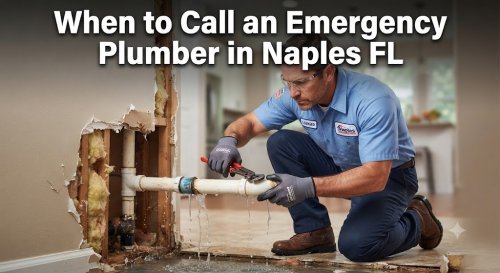
When Is It an Emergency?
Contact a plumber promptly if you experience:
- A major water line break
- Rapid flooding
- Sudden loss of water
- Water entering the home
- Severe pressure loss
- Water pooling around the foundation
- Significant unexplained water flow
If safe to do so, shut off the main water supply while waiting for professional assistance.
People Also Ask
How do I know if my underground water pipe is broken?
Common signs include unexplained high water bills, wet yard areas, low water pressure, water sounds, pooling water, and foundation moisture.
Can a broken underground pipe increase my water bill?
Yes. A continuous leak can waste substantial amounts of water and increase your utility bill.
Can an underground water leak be repaired?
Yes. Depending on the location and condition of the pipe, a plumber may perform a spot repair, replacement, or another suitable repair method.
How do plumbers find underground water leaks?
Professional plumbers may use water meter checks, pressure testing, electronic leak detection, pipe locating equipment, and targeted excavation.
Why is one part of my yard always wet?
Persistent wet soil may be caused by irrigation, drainage, groundwater, or an underground plumbing leak. Professional inspection can determine the cause.
Can low water pressure mean I have a broken pipe?
Yes. A damaged water supply line can reduce pressure, although other plumbing problems can cause low pressure as well.
How long do underground water pipes last?
Lifespan depends on the pipe material, installation quality, soil conditions, water chemistry, pressure, and maintenance.
Should I repair or replace an underground water line?
An isolated problem may be repairable, while repeated leaks, severe corrosion, or extensive deterioration may make replacement more practical.
Can tree roots break water pipes?
Tree roots can interfere with underground plumbing and surrounding soil. They are particularly associated with sewer line problems, but damaged water lines can also be affected.
Is an underground water pipe leak an emergency?
A major leak causing flooding, significant water loss, or property damage should be addressed promptly and may require emergency plumbing service.
Why Choose Incas Plumbing?
Underground water pipe problems require accurate diagnosis before repair work begins.
Incas Plumbing can help homeowners evaluate suspected water line problems and determine an appropriate repair approach.
Professional service can help with:
- Underground leak detection
- Water line inspections
- Pipe repairs
- Water line replacement
- Plumbing diagnostics
- Emergency plumbing situations
The goal should always be to identify the actual source of the problem and recommend a practical solution rather than replacing plumbing unnecessarily.
Contact Incas Plumbing
If you suspect a broken water pipe underground, do not wait for the problem to become a major water emergency.
Contact Incas Plumbing for professional plumbing inspection, leak detection, and water line repair assistance.
Call 844-833-2093 to schedule an inspection or request an estimate.