What to Do During a Sewer Backup in Naples, FL
Learn immediate steps for handling a sewer backup in Naples, FL. Discover causes, emergency fixes, repair processes, costs, and prevention tips
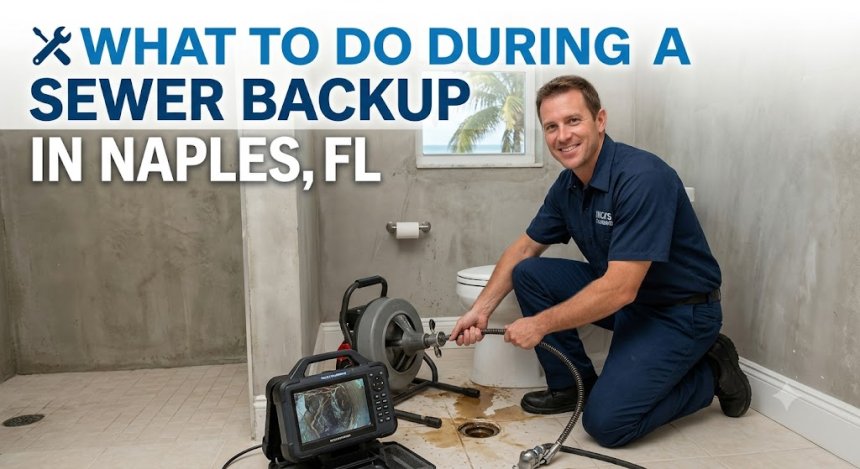
What to Do During a Sewer Backup in Naples, FL
Few home emergencies create immediate panic quite like dark, foul-smelling water bubbling up through your shower drain, bathtub, or ground-floor toilet. A sewer backup isn't just a messy inconvenience—it is a critical property emergency and a serious biohazard that demands immediate, structured action.
This crisis impacts property owners across Collier County, whether you live in a coastal home in Old Naples, a golf community in East Naples, or a quiet residential neighborhood in North Naples and nearby Bonita Springs. Southwest Florida presents unique underground conditions: sandy soil that shifts during heavy rains, aggressive tropical tree roots searching for water, high groundwater tables, and heavy seasonal rains during storm season that strain municipal sewer infrastructures.
When raw sewage backs up into your home, knowing what to do in the first fifteen minutes can mean the difference between a simple cleanout clearance and tens of thousands of dollars in water damage, biohazard cleanup, and structural repairs.
This comprehensive guide walks you step-by-step through handling a sewer backup safely, understanding why main line failures occur in Naples, exploring how professional plumbers fix the underlying cause, and learning how to protect your property long before an emergency strikes.
What Is a Sewer Backup?
A sewer backup occurs when wastewater from your toilets, sinks, showers, and appliances cannot flow out through your home's main lateral line to the municipal sewer system or septic tank. Because the waste has nowhere to go, it reverses direction and overflows through the lowest open drains in your property.
+-------------------------------------------------------------------------+
|                    NORMAL VS. BACKED-UP SEWER FLOW                      |
+-------------------------------------------------------------------------+
| Normal: Home Fixtures ---> Main Lateral Line ---> Municipal Sewer       |
| Backup: Home Fixtures --X Main Lateral Line <--- Raw Sewage Pushes Back |
+-------------------------------------------------------------------------+
Common Situations and Symptoms
-
Multi-Fixture Backups: Flushing a hall toilet causes dirty water and air bubbles to surge up into the master bathtub or shower pan.
-
Washing Machine Overflow: Running a laundry cycle forces wastewater to back up through floor drains or nearby utility sinks.
-
Gurgling Fixtures: Hearing persistent glug-glug sounds from unused drains while running water elsewhere in the house.
-
Foul Sewage Odors: Strong, unpleasant sulfur or sewage smells coming from drains or standing near your exterior cleanout pipe.
Why Does a Sewer Backup Happen in Naples, FL?
Sewer backups stem from physical blockages, structural pipe collapses, or environmental stresses impacting your main lateral sewer pipe.
+-------------------------------------------------------------------------+
|                     PRIMARY CAUSES OF SEWER BACKUPS                     |
+-------------------------------------------------------------------------+
| 1. Tree Root Intrusion --> Roots penetrate & clog main sewer laterals   |
| 2. Grease & FOG Accumulation --> Hardened fats catch wipes & debris    |
| 3. Heavy Rain & Flooding --> High groundwater overburdens drain lines   |
| 4. Pipe Aging & Corrosion --> Old cast iron scales, flakes, or sags     |
| 5. Soil Shifting & Settling --> Sandy coastal soil causes pipe bellies  |
+-------------------------------------------------------------------------+
Aggressive Tree Root Intrusion
In coastal Southwest Florida, trees like ficus, banyan, live oaks, and mature palms develop expansive root systems. Roots naturally seek underground moisture and nutrients. They enter microscopic stress cracks or joints in your main sewer lateral, expanding inside the pipe until they form a dense, net-like root mass that traps solid waste and toilet paper.
Grease, Oils, and "Flushable" Wipes
Kitchen fats, oils, and grease (FOG) poured down sink drains cool and solidify inside main drain lines. When homeowners flush wet wipes, paper towels, or feminine hygiene products, these materials stick to the grease layer, creating impenetrable masses known as fatbergs.
Aging Cast Iron and Clay Pipes
Many Naples homes built prior to the 1980s feature cast iron or vitrified clay lateral sewer lines. Over decades, cast iron corrodes internally, creating rough surfaces (tubercles) that catch solid waste. Eventually, aging metal lines thin out, crack, or collapse under structural ground weight.
Sandy Soil Shifting and Pipe "Bellies"
Naples sits on sandy, shifting soil with high groundwater tables. During heavy summer downpours or tropical storms, soil movement can cause sections of sewer pipe to sag. This creates a low spot—known as a pipe belly—where solids collect rather than draining naturally via gravity.
Municipal Sewer Main Surcharge
During severe storm events in Collier County, excessive stormwater can overflow municipal main lines. If the public city main fills to capacity, wastewater can push backward through private lateral lines into low-lying residential drains.
Signs You Should Never Ignore
Your main sewer system rarely fails without warning. Catching these early red flags prevents full-scale raw sewage overflows inside your living area.
-
Multiple Drains Running Slow Simultaneously: If one sink drains slowly, it is a localized clog; if every sink, tub, and toilet drains slowly, your main sewer line is obstructed.
-
Water Rising in Tubs When Flushing: Flushing a toilet should never force water up into nearby shower pans or tubs.
-
Gurgling or Bubbling Drains: Air trapped behind a main sewer restriction pushes backward through trap seals, creating loud gurgling sounds.
-
Sewer Gas Odors Indoors or Outdoors: Smelling sewer gas near bathroom drains, laundry rooms, or your front yard indicates a crack or breach in your drain venting or lateral line.
-
Unusually Green or Soggy Lawn Patches: A broken underground sewer line leaks nutrient-rich wastewater, causing localized patches of grass above the pipe to look excessively green, tall, or soft.
-
Water Stains or Dampness Near Floor Drains: Moisture pooling around garage or basement floor drains indicates low-level backup activity.
Common Plumbing Problems Related to Sewer Backups
A main sewer line backup often impacts or triggers additional domestic plumbing failures:
                  +-----------------------------------+
                  |      RELATED PLUMBING ISSUES      |
                  +-----------------------------------+
                                    |
       +----------------------------+----------------------------+
       |                            |                            |
+--------------+             +--------------+             +--------------+
| Main Drainage|             | Water Quality|             | Structural   |
+--------------+             +--------------+             +--------------+
| • Main Clogs |             | • Bacterial  |             | • Foundation |
| • Pipe Collapse|           |   Contamination|           |   Slab Leaks |
| • Fixture    |             | • Sewer Gas  |             | • Subfloor   |
|   Overflows  |             |   Leaks      |             |   Rot        |
+--------------+             +--------------+             +--------------+
What to Do Immediately During a Sewer Backup (Step-by-Step Emergency Protocol)
When sewage begins entering your home, acting quickly protects your family's health and minimizes structural damage.
+-------------------------------------------------------------------------+
|                  IMMEDIATE ACTION STEPS FOR SEWER BACKUPS               |
+-------------------------------------------------------------------------+
| Step 1: Stop using all water fixtures immediately                       |
| Step 2: Shut off the main water supply valve                            |
| Step 3: Evacuate children and pets from contaminated zones              |
| Step 4: Open exterior cleanout cap outside (if accessible)              |
| Step 5: Document raw sewage damage with photos for insurance            |
| Step 6: Call a licensed emergency plumber                               |
+-------------------------------------------------------------------------+
-
Stop Using All Water Immediately: Do not flush toilets, run faucets, use dishwashers, or run washing machines. Every drop of water put down any drain will compound the overflow.
-
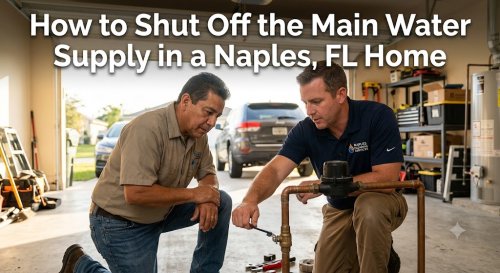
Shut Off the Main Water Valve: Turn off your house's main water shutoff to ensure no accidental water use occurs while the line is blocked.
-
Evacuate Contaminated Areas: Keep children, elderly family members, and pets far away from affected rooms. Raw sewage contains dangerous pathogens, bacteria, and viruses.
-
Relieve Pressure at the Outdoor Cleanout (If Safe): If you have an exterior sewer cleanout (a PVC or cast iron pipe stub with a threaded cap in your yard), carefully unscrewing the cap allows backing-up sewage to spill safely onto your lawn rather than inside your bathrooms.
-
Avoid Direct Contact: Never touch raw sewage without protective gloves, boots, and eye protection.
-
Document the Spill: Take clear photo and video evidence of the backup and damaged items for your homeowners insurance claim before cleanup begins.
-
Contact an Emergency Plumber: Call a licensed plumbing specialist equipped with drain camera technology and hydro-jetting capabilities.
Professional Step-by-Step Repair Process
When an emergency plumber arrives at your Naples residence, they follow a standardized process to clear the line and resolve structural issues safely:
Step 1: Initial Containment and Safety Check
The plumber verifies water isolation, checks for electrical hazards in wet areas, and sets up a clean work perimeter.
Step 2: High-Definition Sewer Camera Inspection
A specialized, waterproof pipe camera is fed through your sewer cleanout. This provides real-time video of the pipe's interior, identifying the exact obstruction—whether it's tree roots, collapsed cast iron, or a fatberg.
Step 3: Diagnostics and Solution Estimate
The technician evaluates structural pipe conditions and provides options: mechanical snaking, high-pressure hydro-jetting, localized excavation, or trenchless pipe lining.
Step 4: Line Clearing or Pipe Restoration
-
Hydro Jetting: Using high-pressure water streams (up to 4,000 PSI) to scour pipe walls clean, cutting through heavy tree roots and grease accumulation.
-
CCT / Trenchless Repair: Installing an epoxy-saturated sleeve inside broken pipes to create a seamless new liner without digging up lawns or driveways.
-
Traditional Excavation: Digging up and replacing sectionally collapsed or severely broken underground piping.
Step 5: Post-Repair Video Re-Inspection
The camera is passed through the line a second time to confirm the obstruction is 100% removed and verify structural pipe integrity.
Step 6: Operational Testing and Site Cleanup
Fixtures are flushed under full pressure to verify smooth drainage, work areas are sanitized, and equipment is stowed cleanly.
Step 7: Preventative Advice
The plumber reviews the camera footage with you, explaining maintenance steps to prevent future backups.
Can You Fix a Sewer Backup Yourself? (DIY vs. Professional Needs)
A main sewer line backup is not a minor DIY project. Understanding what you can handle versus what requires a licensed professional prevents health hazards and costly property damage.
+------------------------------------+------------------------------------+
| SAFE DIY MITIGATION ACTIONS        | DANGEROUS DIY RISKS                |
+------------------------------------+------------------------------------+
| • Shutting off the main water line | • Using chemical drain openers     |
| • Opening outdoor cleanout cap     | • Renting oversized drain snakes   |
| • Mopping small spills with bleach | • Entering sewage-filled basements |
| • Setting up air circulation fans  | • Attempting DIY pipe excavation   |
+------------------------------------+------------------------------------+
Safe DIY Mitigation
You can safely stop water usage, open outdoor cleanout plugs to relieve indoor pressure, and contact professional remediation teams. Small surface drips around cleanouts can be disinfected with dilution mixtures of bleach and water while wearing protective gear.
When DIY Becomes Dangerous
Never pour chemical drain openers down a backed-up line; caustic chemicals sit on top of heavy main line clogs, creating dangerous chemical splash hazards for plumbers. Renting heavy cable drain machines without proper training can result in kinked cables snapping inside pipes or causing severe wrist injuries. Always call a licensed plumber for main line sewer backups.
Tools Professionals Use for Sewer Repairs
Modern plumbing contractors use advanced equipment to locate and resolve main sewer line emergencies efficiently:
-
Self-Leveling Sewer Cameras: HD video scopes equipped with radio transmitters that record internal pipe conditions and pinpoint exact underground depth and location.
-
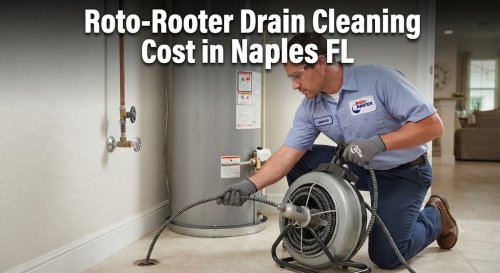
Hydro Jetting Machines: Commercial-grade units that pump controlled, high-pressure water through specialized nozzles to cut roots and scour grease.
-
Digital Pipe Locators: Handheld receivers that detect signals sent by camera heads, allowing plumbers to locate sub-surface pipe damage down to the inch.
-
Trenchless Epoxy Lining Systems: Epoxy-resin lining equipment that rehabilitates cracked underground pipes without tearing up surrounding landscaping or concrete slabs.
How Long Does a Sewer Backup Repair Take?
Repair timelines vary based on structural depth, obstruction type, and repair methodology.
| Repair Complexity | Real-World Examples | Average Timeline | Key Impact Factors |
| Simple Clearing | Main line soft clog, minor root intrusion clearance | 1 to 3 hours | Easy cleanout access, standard cable snaking |
| Moderate Clearing | Heavy root removal, dense grease scoured via hydro jetting | 3 to 5 hours | Machine setup, hydro-jetting, full camera check |
| Trenchless Lining | Cured-in-place pipe lining (CIPP) for cracked lateral | 1 to 2 days | Pipe prep, resin curing time, zero excavation |
| Major Excavation | Replacing collapsed cast iron line under driveway | 2 to 4 days | Permits, heavy equipment digging, pipe bed setting |
Cost Factors for Sewer Line Repairs
Plumbing repair costs vary depending on the severity of the problem, accessibility, materials required, emergency service, property type, and local labor rates.
Key variables influencing your final repair investment include:
Diagnostic Camera Inspections
Running high-definition video lines down your main lateral to pinpoint break locations requires specialized equipment and technical analysis.
Emergency Dispatch Fees
After-hours, weekend, or holiday service calls involve higher labor rates to maintain 24/7 rapid dispatch teams.
Line Clearing vs. Structural Pipe Replacement
Clearing a soft clog with a hydro jetter costs significantly less than excavating and replacing 40 feet of collapsed cast iron lateral pipe.
Pipe Location and Access Depth
Sewer lines buried deep under concrete driveways, palm trees, or home foundation slabs require specialized digging, slab cutting, or trenchless lining equipment.
Municipal Permits and Inspections
Major sewer line replacements in Naples or Collier County require municipal permits and city inspector sign-offs to ensure work meets Florida Plumbing Code standards.
Hidden Truths Homeowners Should Know
Knowing these practical industry facts protects your home investment and keeps maintenance costs manageable:
-
Standard Homeowners Insurance Excludes Sewer Backups: Most standard home insurance policies do not cover sewer backups unless you explicitly purchase an inexpensive "Sewer and Drain Backup Endorsement."
-
Chemical Drain Cleaners Destroy Aging Pipes: Pouring store-bought acid or lye cleaners into slow drains corrodes old cast iron pipes, leading to structural pipe bottom collapse.
-
Tree Roots Return Unless Pipes Are Sealed: Cable snaking cuts tree roots back temporarily, but roots will grow back into the pipe within months unless the pipe is lined or replaced.
-
Small Backups Lead to Mold Outbreaks: Sewage water carries moisture and organic bacteria into subfloors; mold colonies can develop inside drywall cavities within 24 to 48 hours.
-
"Flushable" Wipes Do Not Dissolve: Unlike toilet paper, synthetic wipes do not break down in water. They are a leading cause of residential main sewer blockages.
15 Common Mistakes Homeowners Make
-
Flushing "Flushable" Wet Wipes: Creating dense pipe blockages in underground main laterals.
-
Pouring Cooking Oil and Grease Down Sinks: Allowing fats to harden on pipe walls over time.
-
Ignoring Early Drain Gurgling: Neglecting clear warnings of a building main sewer restriction.
-
Using Caustic Chemical Drain Cleaners: Accelerating pipe wall corrosion and creating chemical safety hazards.
-
Running Water After a Backup Starts: Forcing additional sewage out of low-lying home drains.
-
Hiring Unlicensed Handymen for Main Line Work: Risking improper slope, non-code materials, and lack of insurance.
-
Skipping Annual Sewer Camera Inspections: Failing to spot root intrusion before lines clog completely.
-
Planting Trees Over Sewer Lines: Placing invasive roots directly above underground lateral pipes.
-
Waiting for Normal Business Hours During a Backup: Allowing hazardous sewage to soak deeper into subfloors.
-
Removing Cleanout Caps Without Care: Causing rapid sewage spills inside garages or home perimeters.
-
Assuming Insurance Covers All Water Cleanup: Operating without verifying sewer backup endorsement coverage.
-
Flushing Paper Towels or Feminine Hygiene Products: Introducing fibrous materials that catch on pipe interior walls.
-
Ignoring Slow Drains in Guest Bathrooms: Missing early main line restrictions in low-use areas.
-
Over-Tightening Cleanout Plugs: Stripping plastic threads or cracking old cast iron cleanout fittings.
-
Choosing Plumbers Solely on the Lowest Bid: Selecting low quotes that skip video inspection or long-term warranties.
15 Practical Maintenance Tips to Prevent Sewer Backups
-
Never flush wipes, paper towels, facial tissues, or wipes labeled "flushable."
-
Collect cooking fats, oils, and grease in sealed containers and throw them in the trash.
-
Install drain strainers over shower and tub drains to capture hair and soap scum.
-
Schedule a professional sewer camera inspection every 2 to 3 years.
-
Map your main sewer lateral path before planting deep-rooting trees or landscaping.
-
Have an exterior sewer cleanout installed if your home currently lacks one.
-
Consider installing a Backwater Valve to prevent municipal main surcharges from backing into your home.
-
Flush your main drains monthly with large volumes of warm water to clear minor debris accumulation.
-
Avoid using chemical drain cleaners; clear minor sink clogs with mechanical plungers or drain snakes.
-
Keep large palms, ficus trees, and banyan trees planted at least 10–15 feet away from sewer laterals.
-
Inspect your yard periodically for unexplained wet spots, sunken turf, or bright green grass patches.
-
If buying an older Naples home (built before 1990), always order a pre-purchase sewer camera inspection.
-
Ensure outdoor cleanout caps remain securely screwed tight to prevent yard dirt and debris entry.
-
Add a sewer backup coverage rider to your homeowners insurance policy.
-
Contact a licensed plumber at the very first sign of widespread drain gurgling or multi-fixture slowdowns.
When Should You Call an Emergency Plumber?
Contact an emergency plumbing team immediately if you encounter any of the following scenarios:
+-------------------------------------------------------------------------+
|                    EMERGENCY CALL OUT CHECKLIST                         |
+-------------------------------------------------------------------------+
| [ ] Sewage bubbling up into showers, bathtubs, or floor drains          |
| [ ] Multiple plumbing fixtures backed up simultaneously                 |
| [ ] Strong sewer gas smells indoors accompanied by slow drainage       |
| [ ] Wastewater spilling out from your exterior cleanout pipe           |
| [ ] Water backing up into living areas while running laundry appliances |
+-------------------------------------------------------------------------+
Taking immediate action stops contamination, limits damage to flooring and walls, and restores safe plumbing functionality to your home.
Frequently Asked Questions
Why is my water pressure suddenly low?
Sudden low water pressure usually points to a main supply line leak or a failing pressure-reducing valve, whereas slow or backing-up drains indicate a main sewer line blockage.
How much does leak detection cost in Naples, FL?
Professional leak detection using camera equipment and acoustic locators typically ranges between $200 and $450 depending on structural access and line layout.
Can a clogged drain damage pipes?
Yes. Heavy main line blockages cause elevated static water pressure inside drain joints, which can accelerate pipe cracks or break weak fittings over time.
Is hydro jetting safe for old pipes?
Hydro jetting is safe when conducted by a professional plumber who performs a preliminary video camera inspection to confirm line wall strength before cleaning.
How do I know if my sewer line is broken underground?
Common signs include recurring multi-drain backups, unexplained soil settling or soggy lawn spots, strong outdoor sewer smells, and structural gurgling noises in toilets.
How long do water heaters last in Southwest Florida?
Standard tank water heaters last 8 to 11 years due to local hard water, while tankless models last 15 to 20 years with proper routine maintenance.
Why does my faucet drip continuously?
Continuous faucet drips stem from worn internal O-rings, degraded rubber seals, or mineral buildup within the valve cartridge.
What causes pipes to burst?
Pipes rupture primarily due to high municipal water pressure, severe corrosion, internal hard water scale buildup, physical tree root pressure, or material age.
Can plumbing leaks increase my water bill?
Yes. Even small pinhole leaks or running toilets waste hundreds of gallons of water weekly, causing noticeable spikes in your utility bills.
When should I replace my sewer line instead of clearing it?
Replace or reline your sewer line if video inspections reveal collapsed pipe sections, severe channel erosion on cast iron bottoms, or recurring root invasions despite frequent clearing.
Why Choose Incas Plumbing?
When faced with a sewer backup in Naples, you need a prompt, qualified plumbing team equipped to resolve biohazard emergencies safely. Incas Plumbing provides property owners in Naples, Marco Island, Bonita Springs, and Collier County with reliable, expert drain and sewer services.
-
Licensed & Experienced Plumbers: Skilled technicians trained in main line diagnostics, camera inspections, and biohazard containment.
-
Upfront Pricing & Clear Recommendations: Detailed explanations and clear estimates before work begins.
-
24/7 Emergency Availability: Fast dispatch teams ready to protect your property during off-hours plumbing emergencies.
-
Modern Diagnostic & Jetting Tools: HD pipe cameras, digital line locators, and commercial hydro-jetting units.
-
Local Southwest Florida Expertise: In-depth knowledge of local soil conditions, root challenges, and municipal plumbing codes.
Don't let a sewer backup jeopardize your home's health and safety. Call Incas Plumbing today at (844) 973-0400 or visit us at Dale Ave, Naples for immediate assistance!