How to Prevent Clogged Drains Without Harsh Chemicals
Learn how to prevent clogged drains naturally with simple maintenance tips, safe cleaning methods, and professional advice from Incas Plumbing.
Preventing Drain Clogs the Safe and Natural Way
Clogged drains are one of the most common plumbing problems homeowners experience. A slow kitchen sink, standing shower water, or a bathroom drain that smells unpleasant may seem like minor inconveniences, but ignoring these warning signs can lead to larger plumbing issues.
Many homeowners reach for chemical drain cleaners because they seem like a quick solution. However, frequent use of harsh chemicals can damage certain types of pipes, weaken plumbing connections, and only temporarily remove the symptoms instead of addressing the actual cause of the blockage.
The good news is that most drain clogs can be prevented with simple habits, regular maintenance, and safer cleaning methods.
At Incas Plumbing, we help homeowners understand how their plumbing systems work and provide professional drain cleaning solutions when a blockage requires expert attention.
This guide explains how to prevent clogged drains without using harsh chemicals, why clogs happen, warning signs to watch for, safe maintenance methods, and when it is time to call a professional plumber.
What Causes Clogged Drains?
A clogged drain occurs when materials build up inside a pipe and restrict normal water flow. Over time, even small amounts of debris can collect and create a blockage.
Common causes of drain clogs include:
Hair Buildup
Hair is one of the leading causes of bathroom drain problems.
Hair combines with:
- Soap residue
- Shampoo buildup
- Dirt
to create thick blockages inside pipes.
Grease and Cooking Oils
Kitchen drains often become clogged because homeowners pour grease, oil, or fats down the sink.
Although grease may be liquid when warm, it cools and sticks to pipe walls, creating buildup over time.
Food Particles
Small food scraps can collect inside kitchen pipes, especially when drains are not properly protected.
Common problem items include:
- Coffee grounds
- Rice
- Pasta
- Vegetable peels
- Eggshell pieces
Soap Scum and Mineral Deposits
Bathroom drains may become restricted because soap residue and minerals from hard water accumulate inside pipes.
Foreign Objects
Items accidentally entering drains can create immediate blockages.
Examples include:
- Paper products
- Small toys
- Jewelry
- Excess toilet paper
Why Avoid Harsh Chemical Drain Cleaners?
Chemical drain cleaners may appear convenient, but they are not always the best solution.
They Can Damage Pipes
Strong chemicals generate heat and may weaken certain plumbing materials over time.
Older pipes can be especially vulnerable.
They Often Treat Symptoms, Not Causes
A chemical cleaner may open a small pathway through a clog but leave the main blockage behind.
The problem can return quickly.
They Create Safety Risks
Chemical drain cleaners can cause:
- Skin irritation
- Harmful fumes
- Eye injuries if improperly handled
They May Harm the Environment
Many chemical cleaners eventually enter wastewater systems and may impact the environment.
10 Ways to Prevent Clogged Drains Without Harsh Chemicals
1. Use Drain Screens and Strainers
One of the easiest ways to prevent clogs is installing drain covers.
Drain strainers catch:
- Hair
- Food particles
- Debris
before they enter your pipes.
Clean them regularly to maintain proper water flow.
2. Never Pour Grease Down the Drain
Grease is one of the biggest causes of kitchen drain blockages.
Instead:
- Allow grease to cool.
- Pour it into a container.
- Dispose of it in the trash.
This simple habit can prevent major kitchen plumbing problems.
3. Dispose of Food Waste Properly
Even with a garbage disposal, not everything belongs in your sink.
Avoid putting:
- Coffee grounds
- Bones
- Fibrous vegetables
- Cooking oil
down the drain.
Scrape plates into the trash before washing dishes.
4. Flush Drains Regularly With Hot Water
Hot water can help remove light buildup from pipes.
A simple maintenance routine:
- Run hot water after using sinks.
- Flush kitchen drains regularly.
- Remove visible debris.
Note: Avoid extremely hot water if your plumbing system has materials that may be sensitive to heat.
5. Clean Bathroom Drains Regularly
Bathroom drains collect hair, soap, and personal care product residue.
Regular cleaning helps prevent buildup.
Remove:
- Hair from drain covers
- Soap residue
- Visible debris
before it reaches deeper into the plumbing system.
6. Use Baking Soda and Vinegar Carefully
A mixture of baking soda and vinegar is a common household cleaning method.
It may help loosen minor buildup.
Basic approach:
- Pour baking soda into the drain.
- Add vinegar.
- Allow it to sit briefly.
- Rinse with water.
This method may help with maintenance but may not remove serious blockages.
7. Be Careful With Toilet Usage
Toilet clogs often happen because people flush items that should go into the trash.
Avoid flushing:
- Baby wipes
- Paper towels
- Cleaning wipes
- Feminine hygiene products
Even products labeled "flushable" may contribute to plumbing problems in some systems.
8. Maintain Your Garbage Disposal
A garbage disposal works best when properly maintained.
Helpful practices:
- Run cold water while operating it.
- Avoid hard materials.
- Clean it regularly.
- Do not overload it.
9. Schedule Routine Drain Maintenance
Preventive plumbing maintenance can identify problems before they become emergencies.
A professional plumber can check for:
- Slow drainage
- Pipe buildup
- Potential blockages
10. Pay Attention to Early Warning Signs
A small drainage issue can become a major clog.
Watch for:
- Slow drains
- Gurgling sounds
- Bad smells
- Water backups
- Multiple clogged fixtures
Early action often prevents expensive repairs.
Signs Your Drain Needs Professional Attention
Some drain problems cannot be solved with basic maintenance.
Call a professional plumber if you notice:
Multiple Slow Drains
If several drains are slow at the same time, the issue may be deeper in your plumbing system.
Frequent Recurring Clogs
Repeated blockages may indicate:
- Pipe damage
- Sewer problems
- Heavy buildup
Sewage Odors
Bad smells may indicate drainage or sewer line issues.
Water Backups
Standing wastewater requires professional attention.
Gurgling Pipes
Unusual sounds may indicate trapped air or drainage restrictions.
Professional Drain Cleaning Process
When a professional plumber handles a clogged drain, the process usually includes:
Step 1: Inspection
The plumber evaluates the symptoms and identifies affected drains.
Step 2: Diagnosis
Professional tools may be used to determine the location and cause of the blockage.
Step 3: Drain Cleaning Method Selection
Depending on the problem, a plumber may use:
- Drain snakes
- Hydro jetting
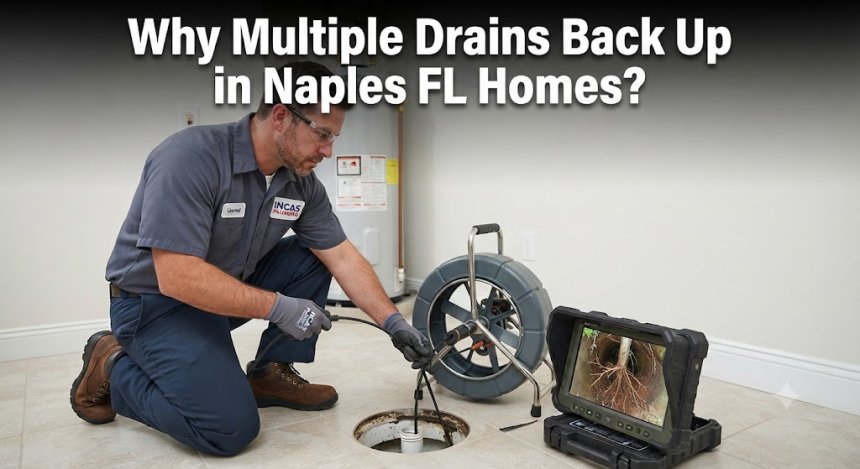
- Drain cameras
Step 4: Clearing the Blockage
The blockage is removed using appropriate equipment.
Step 5: Testing
The drain is tested to confirm proper water flow.
Step 6: Maintenance Recommendations
The plumber may recommend ways to prevent future clogs.
Can You Prevent Drain Clogs Yourself?
Yes, many drain clogs can be prevented with good habits.
Homeowners can safely:
- Use drain strainers
- Remove visible debris
- Avoid pouring grease into sinks
- Maintain garbage disposals
- Monitor drainage speed
However, avoid attempting complex repairs if:
- Water is backing up
- Sewage is involved
- Multiple drains are affected
- The blockage keeps returning
Tools Professional Plumbers Use for Drain Problems
Professional plumbers use specialized equipment to diagnose and repair drain issues.
Drain Cameras
Allow plumbers to see inside pipes and identify:
- Blockages
- Cracks
- Root intrusion
Drain Snakes
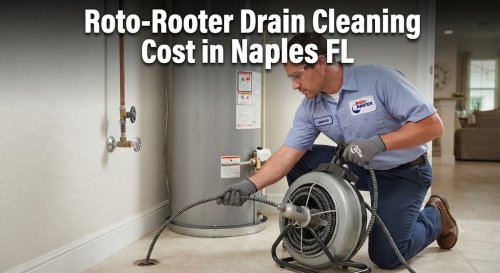
Help remove stubborn clogs mechanically.
Hydro Jetting Equipment
Uses high-pressure water to clean certain pipe buildup.
Leak Detection Equipment
Helps identify hidden plumbing problems.
How Long Does Drain Cleaning Take?
The time depends on:
- Location of the clog
- Severity of blockage
- Pipe condition
- Cleaning method required
Simple clogs may be resolved quickly, while deeper sewer or pipe problems may require additional inspection.
Drain Cleaning Cost Factors
Drain cleaning costs vary depending on:
- Severity of blockage
- Location of clog
- Required equipment
- Labor involved
- Emergency service needs
- Property type
Professional plumbing costs vary depending on the accessibility of pipes, materials required, problem severity, equipment needed, and local labor rates.
Hidden Truths Homeowners Should Know About Drain Clogs
- Small clogs often become larger blockages.
- Chemical cleaners may create temporary results.
- Repeated clogs may indicate deeper plumbing problems.
- Sewer issues cannot always be fixed with drain cleaners.
- Preventive maintenance costs less than emergency repairs.
- Ignoring slow drains can lead to water damage.
- Professional inspections help identify hidden issues.
15 Common Drain Maintenance Mistakes
- Pouring grease down sinks
- Flushing wipes
- Ignoring slow drains
- Using chemical cleaners repeatedly
- Putting food scraps into sinks
- Not using drain strainers
- Ignoring bad odors
- Overloading garbage disposals
- Flushing excessive toilet paper
- Ignoring recurring clogs
- Allowing hair buildup
- Skipping plumbing maintenance
- Using incorrect drain cleaning tools
- Ignoring sewer warning signs
- Waiting until a complete blockage occurs
Drain Maintenance Tips for Every Season
- Clean drain strainers weekly.
- Avoid grease disposal through sinks.
- Check bathroom drains regularly.
- Clean garbage disposals monthly.
- Flush drains with water regularly.
- Inspect outdoor drains.
- Remove leaves from exterior drains.
- Protect pipes during freezing temperatures.
- Schedule professional inspections for older plumbing systems.
- Address slow drainage immediately.
When Should You Call an Emergency Plumber?
Contact an emergency plumber if you experience:
- Sewage backups
- Major drain overflow
- Flooding
- Multiple blocked drains
- Water damage
- Complete loss of drainage
Quick professional help can reduce property damage and restore normal plumbing operation.