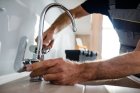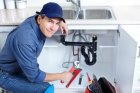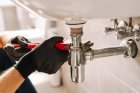
Complete Plumbing Maintenance Checklist for Homeowners
A complete plumbing maintenance checklist helps homeowners prevent common plumbing problems, extend the life of pipes and fixtures, reduce water waste, and avoid expensive emergency repairs.
Complete Plumbing Maintenance Checklist for Homeowners
Your home's plumbing system works every day to deliver clean water, remove wastewater, heat water, and support daily activities. Because plumbing is mostly hidden behind walls, floors, and ceilings, many homeowners do not think about it until something goes wrong.
A small leak, slow drain, or unusual plumbing sound may seem minor, but ignoring early warning signs can lead to expensive repairs, water damage, mold growth, and emergency plumbing situations.
A regular plumbing maintenance checklist for homeowners helps identify problems early, improve system performance, and extend the life of your plumbing fixtures and pipes.
Incas Plumbing recommends routine plumbing care to help homeowners protect their property and avoid unexpected plumbing failures.
Why Plumbing Maintenance Matters
Regular plumbing maintenance helps homeowners:
- Prevent costly repairs
- Reduce water waste
- Improve plumbing efficiency
- Protect floors and walls from damage
- Extend fixture lifespan
- Maintain healthy water quality
- Avoid emergency plumbing problems
Many major plumbing issues begin as small problems that could have been detected earlier.
Monthly Plumbing Checklist
Check for Leaks
Inspect visible plumbing areas for signs of leaks.
Check:
- Under sinks
- Around toilets
- Near water heaters
- Around washing machines
- Under appliances
Look for:
- Water droplets
- Moisture
- Rust
- Stains
- Mold growth
Even a small leak can waste water and cause hidden damage.
Test Faucets
Turn on all faucets and check:
- Water flow
- Strange noises
- Dripping
- Pressure changes
A dripping faucet may indicate a worn washer, cartridge, or internal component.
Inspect Toilets
Check toilets for:
- Running water
- Slow flushing
- Leaks around the base
- Weak flush performance
A running toilet can significantly increase your water bill over time.
Check Drain Performance
Monitor sinks, showers, and tubs.
Warning signs include:
- Slow drainage
- Gurgling sounds
- Bad odors
- Standing water
Early drain maintenance can prevent serious blockages.
Quarterly Plumbing Checklist
Clean Faucet Aerators
Minerals and sediment can build up inside faucet aerators.
Cleaning them helps maintain:
- Better water flow
- Cleaner water stream
- Improved fixture performance
Inspect Showerheads
Check showerheads for:
- Mineral buildup
- Reduced pressure
- Uneven spray patterns
Hard water deposits can restrict water flow.
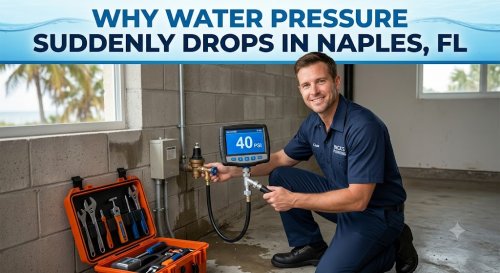
Test Water Pressure
High or low water pressure may indicate plumbing problems.
Possible causes include:
- Pipe restrictions
- Leaks
- Pressure regulator issues
- Mineral buildup
A professional pressure check can identify hidden problems.
Check Under-Sink Areas
Look inside cabinets for:
- Moisture
- Leaks
- Damaged pipes
- Mold
Many leaks go unnoticed because they occur inside cabinets.
Seasonal Plumbing Maintenance Checklist
Spring Plumbing Maintenance
After winter, inspect your plumbing system for possible damage.
Check:
- Outdoor faucets
- Pipes exposed to cold weather
- Water leaks
- Drainage systems
Spring is a good time to schedule plumbing inspections.
Summer Plumbing Maintenance
Summer plumbing concerns often include:
- Outdoor water usage
- Irrigation leaks
- Sewer problems
- Increased drain usage
Inspect outdoor plumbing connections regularly.
Fall Plumbing Maintenance
Prepare your plumbing system before colder weather.
Important tasks:
- Disconnect garden hoses
- Protect outdoor pipes
- Check water heater performance
- Inspect exposed pipes
Winter Plumbing Maintenance
Cold temperatures can damage plumbing systems.
Prevent frozen pipes by:
- Insulating exposed pipes
- Keeping indoor temperatures stable
- Allowing water movement during extreme cold
- Protecting outdoor plumbing fixtures
Frozen pipes can crack and cause major water damage.
Water Heater Maintenance Checklist
Your water heater requires regular attention to operate efficiently.
Check for Leaks
Inspect around:
- Tank connections
- Pipes
- Valves
- Base of the unit
Flush the Tank
Sediment can collect inside traditional water heaters.
Flushing helps:
- Improve efficiency
- Reduce noise
- Extend equipment life
Check Temperature Settings
Most homeowners should maintain safe temperature settings recommended by manufacturers.
Excessively high temperatures can increase energy use and create safety concerns.
Inspect the Pressure Relief Valve
The pressure relief valve is an important safety component.
A professional plumber can verify proper operation.
Drain Maintenance Checklist
Use Drain Strainers
Drain strainers help prevent:
- Hair buildup
- Food particles
- Debris
from entering pipes.
Avoid Pouring Grease Down Drains
Grease can solidify inside pipes and create stubborn blockages.
Dispose of cooking grease properly.
Avoid Flushing Wrong Items
Only flush toilet paper and human waste.
Avoid flushing:
- Wipes
- Paper towels
- Cotton products
- Hygiene products
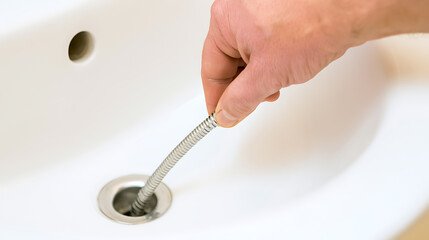
Clean Drains Regularly
Routine cleaning helps prevent buildup and unpleasant odors.
Avoid frequent use of harsh chemical drain cleaners because they may damage plumbing components.
Pipe Maintenance Checklist
Inspect Exposed Pipes
Check visible pipes for:
- Corrosion
- Leaks
- Rust
- Damage
Watch for Pipe Noises
Pay attention to:
- Banging
- Knocking
- Whistling
- Hissing
Unusual sounds may indicate pressure or pipe problems.
Monitor Water Quality
Changes in water appearance may indicate:
- Pipe corrosion
- Sediment
- Water heater issues
Protect Pipes During Freezing Weather
Frozen pipes can burst and cause extensive damage.
Take preventive steps before temperatures drop.
Sewer Line Maintenance Checklist
Watch for Slow Drains
Multiple slow drains may indicate sewer line problems.
Pay Attention to Sewer Odors
Bad smells may indicate:
- Drain problems
- Sewer backups
- Vent issues
Monitor Yard Conditions
Look for:
- Wet areas
- Unusual grass growth
- Sinkholes
These may indicate underground plumbing problems.
Schedule Sewer Inspections When Needed
Older homes or homes with repeated sewer issues may benefit from professional inspection.
Common Plumbing Problems Maintenance Can Prevent
Regular maintenance can help reduce the risk of:
Leaking Pipes
Early detection prevents water damage.
Clogged Drains
Routine care reduces buildup.
Water Heater Failure
Maintenance improves performance and lifespan.
Low Water Pressure
Early diagnosis prevents worsening problems.
Sewer Backups
Proper drain and sewer care reduces risks.
Burst Pipes
Winter preparation helps prevent freezing damage.
Professional Plumbing Inspection Process
A plumber typically checks:
Step 1: Visual Inspection
The plumber reviews visible plumbing components.
Step 2: Leak Detection
Professional tools may be used to locate hidden leaks.
Step 3: Pressure Testing
Water pressure is evaluated for possible issues.
Step 4: Fixture Inspection
Faucets, toilets, drains, and appliances are checked.
Step 5: Repair Recommendations
The plumber explains necessary repairs and maintenance options.
Step 6: Final Testing
The system is tested after service.
Can Homeowners Handle Plumbing Maintenance?
Many basic maintenance tasks are safe for homeowners.
You can:
- Check for leaks
- Clean faucet aerators
- Use drain strainers
- Monitor water bills
- Inspect exposed pipes
- Protect outdoor plumbing
However, professional help is recommended for:
- Hidden leaks
- Sewer issues
- Water heater repairs
- Gas plumbing
- Major pipe problems
- Underground leaks
Plumbing Tools Professionals Use
Professional plumbers may use:
Leak Detection Equipment
Helps locate hidden leaks without unnecessary damage.
Pipe Cameras
Allows inspection inside pipes and sewer lines.
Pressure Testing Tools
Measures plumbing system performance.
Drain Cleaning Equipment
Removes difficult blockages.
Thermal Detection Tools
Helps identify moisture problems.
Plumbing Maintenance Cost Factors
Maintenance costs vary depending on:
- Size of the plumbing system
- Age of the home
- Number of fixtures
- Required repairs
- Inspection needs
- Accessibility of plumbing components
Routine maintenance is generally less expensive than emergency repairs caused by neglected problems.
Plumbing repair costs vary depending on the severity of the problem, accessibility, materials required, emergency service, property type, and local labor rates.
Hidden Truths About Plumbing Maintenance
- Small leaks often become expensive repairs.
- Preventive maintenance saves money over time.
- Hidden leaks can increase water bills.
- Hard water affects plumbing performance.
- Older pipes need more frequent inspections.
- Emergency repairs are often caused by ignored warning signs.
- Chemical drain cleaners are not a long-term solution.
- Water heaters need regular care.
- Plumbing problems rarely fix themselves.
- Professional inspections help identify hidden risks.
15 Common Plumbing Maintenance Mistakes
1. Ignoring Small Leaks
Small leaks can create major damage.
2. Skipping Inspections
Problems may remain hidden.
3. Using Chemical Drain Cleaners Often
They may damage plumbing materials.
4. Flushing Improper Items
This causes unnecessary clogs.
5. Ignoring Water Pressure Problems
Pressure issues can damage pipes.
6. Neglecting Water Heater Maintenance
Sediment buildup reduces efficiency.
7. Pouring Grease Into Drains
Grease creates blockages.
8. Ignoring Strange Plumbing Sounds
Noise can indicate developing issues.
9. Delaying Repairs
Small problems become larger.
10. Overloading Garbage Disposals
Too much waste can damage the unit.
11. Not Protecting Pipes in Winter
Frozen pipes can burst.
12. Ignoring High Water Bills
They may indicate leaks.
13. Hiring Unqualified Repairs
Poor work creates future problems.
14. Avoiding Professional Advice
Some issues require specialized equipment.
15. Waiting Until Emergencies
Preventive care reduces risk.
When Should You Call a Plumber?
Contact a professional plumber when you notice:
- Persistent leaks
- Sewer odors
- Low water pressure
- Burst pipes
- Water heater problems
- Multiple clogged drains
- Sudden water bill increases
- No water supply
- Hidden moisture problems
Early professional help can prevent expensive damage.
People Also Ask
How often should homeowners check their plumbing?
Homeowners should perform basic checks monthly and consider professional inspections based on system age and condition.
What is the most important plumbing maintenance task?
Preventing leaks and addressing warning signs early are among the most important maintenance steps.
How can I prevent clogged drains?
Use drain strainers, avoid grease disposal, and clean drains regularly.
How often should a water heater be maintained?
Water heater maintenance depends on the unit type, usage, and water conditions.
How do I know if my plumbing has a leak?
Signs include water stains, damp areas, high bills, and unusual sounds.
Can plumbing maintenance reduce water bills?
Yes. Fixing leaks and improving efficiency can reduce water waste.
Should older homes have plumbing inspections?
Yes. Older plumbing systems often benefit from professional evaluation.
How do I protect pipes in winter?
Insulate exposed pipes and protect outdoor plumbing fixtures.
Why does my plumbing smell bad?
Odors may come from drains, sewer issues, or plumbing vent problems.
When should I replace old pipes?
Replacement depends on pipe condition, age, material, and repair history.
Why Choose Incas Plumbing?
Regular plumbing maintenance helps protect your home and reduce unexpected repairs.
Incas Plumbing provides professional plumbing services focused on:
- Accurate inspections
- Reliable repairs
- Preventive maintenance
- Honest recommendations
- Quality workmanship
A professional plumbing check can help identify problems before they become emergencies.
Contact Incas Plumbing Today
Do not wait until a small plumbing issue becomes a costly repair.
Contact Incas Plumbing for professional plumbing maintenance, inspections, and repair services.
Call 844-833-2093 today to schedule your plumbing service.