Why Water Pressure Suddenly Drops in Naples, FL
Discover why water pressure drops in Naples, FL homes. Learn top causes, quick DIY fixes, professional repair steps, and prevention tips.

Why Does My Water Pressure Suddenly Drop in Naples, FL?
Taking a shower only to have the strong spray turn into a weak trickle is a frustrating experience every homeowner dreads. A sudden drop in water pressure isn't just an annoyance during your morning routine—it is often the first visible warning sign of a serious underlying plumbing issue.
This problem affects single-family homeowners, condo residents, and commercial business operators throughout Naples, FL. Whether you own a property near the coast in Park Shore, live in a golf course community in East Naples, or manage a rental unit in North Naples and nearby Bonita Springs, sudden pressure drops demand prompt attention.
In Southwest Florida, water pressure issues frequently stem from unique local factors: aggressive hard water mineral scaling, failing pressure-reducing valves (PRVs) exposed to humid coastal air, high municipal supply demands, or hidden pipe ruptures under concrete foundation slabs.
When your water flow weakens overnight, knowing how to diagnose the issue quickly can help you prevent extensive water damage, structural rot, and sky-high utility bills. This guide breaks down why water pressure drops in Naples homes, what warning signs to watch for, how licensed plumbers fix the root cause, and how to maintain healthy water flow year-round.
What Is a Sudden Water Pressure Drop?
A sudden water pressure drop occurs when the velocity and volume of water flowing through your home's supply pipes decreases unexpectedly across one fixture, a single zone, or the entire property.
+-------------------------------------------------------------------------+
|                  SINGLE FIXTURE VS. WHOLE-HOUSE DROPS                   |
+-------------------------------------------------------------------------+
| Single Fixture: Clogged Aerator / Worn Cartridge / Localized Valve     |
| Whole House: PRV Failure / Underground Slab Leak / Main Shutoff Closed   |
+-------------------------------------------------------------------------+
Common Situations and Symptoms
-
Whole-House Low Flow: Every faucet, showerhead, and appliance in the home loses flow rate at the exact same time.
-
Single-Fixture Drop: Only the master bathroom shower loses force, while kitchen and outdoor spigots work normally.
-
Fluctuating Pressure: Water starts strong for ten seconds, then rapidly tapers off to a dribble whenever multiple fixtures operate.
-
Discolored Low Flow: Low water pressure accompanied by brown, yellow, or murky water coming out of taps.
Why Does This Plumbing Problem Happen in Naples, FL?
Water pressure loss generally falls into two categories: municipal supply fluctuations or internal home plumbing failures.
+-------------------------------------------------------------------------+
|                   PRIMARY CAUSES OF WATER PRESSURE DROPS                |
+-------------------------------------------------------------------------+
| 1. Failing Pressure Regulator (PRV) --> Internal spring breaks/sticks   |
| 2. Hard Water Scale Accumulation    --> Calcium chokes pipe interiors  |
| 3. Hidden Slab Leaks & Pipe Breaches--> Water escapes under foundation  |
| 4. Partially Closed Main Valves     --> Gate/ball valve bumped shut    |
| 5. Municipal Utility Maintenance    --> City pressure drops or flushing |
+-------------------------------------------------------------------------+
Failing Pressure Reducing Valve (PRV)
Most Naples homes connected to city water have a Pressure Reducing Valve installed near the main shutoff valve (often in the garage or outside along an exterior wall). The PRV caps high municipal pressure (which can exceed 90 PSI) down to a safe indoor level between 50 and 60 PSI. When the internal diaphragm or spring inside the PRV wears out due to age or hard water scale, the valve can fail closed, choking off water flow to the whole house.
Severe Hard Water Mineral Scaling
Collier County's water contains elevated levels of dissolved minerals like calcium and magnesium. Over time, these minerals deposit heavy crust inside supply pipes, shutoff valves, showerheads, and sink aerators. In older homes built with galvanized iron pipes, mineral scaling combined with internal rust chokes the effective diameter of the line down to the size of a drinking straw.
Hidden Slab Leaks or Bursts
If a supply line running beneath your concrete foundation slab ruptures or splits, thousands of gallons of pressurized water escape straight into the soil under your home. Because water takes the path of least resistance, indoor fixtures lose volume and pressure almost instantly.
Partially Closed Main Shutoff Valve
If recent maintenance, landscaping, or renovations occurred on your property, your main house shutoff valve or city meter valve may have been turned off and only partially reopened. Even a slightly turned valve handle introduces a severe flow restriction.
Municipal Utility Issues
Occasionally, pressure drops aren't caused by home plumbing. Water main breaks, routine hydrant flushing by Collier County Utilities, or peak usage hours in dense neighborhoods can temporarily reduce street water pressure.
Signs You Should Never Ignore
A pressure drop rarely happens in total isolation. Pay attention to these accompanying warning signals across your home:
-
Warm Spots on Concrete Floors: Feeling warm areas under tile or vinyl subflooring indicates a hot water line slab leak underground.
-
Continuous Water Meter Movement: If the low-flow indicator dial on your exterior water meter spins while all house faucets are off, water is actively leaking.
-
Unexplained Increase in Utility Bills: A sudden rise in your monthly water bill alongside falling indoor pressure confirms an active leak.
-
Hissing or Running Water Sounds: Hearing water running behind drywall when no toilets or taps are running.
-
Damp Baseboards or Wall Stains: Water wicking up drywall or warping lower trim boards points to hidden supply line leaks.
-
Discolored or Metallic-Tasting Water: Flaking internal rust or sediment stirring up inside supply lines during a sudden flow shift.
Common Plumbing Problems Related to Low Water Pressure
Addressing low water pressure promptly prevents domino-effect damage across other home systems:
                  +-----------------------------------+
                  |      RELATED PLUMBING ISSUES      |
                  +-----------------------------------+
                                    |
       +----------------------------+----------------------------+
       |                            |                            |
+--------------+             +--------------+             +--------------+
| Supply Side  |             |  Equipment   |             |  Structural  |
+--------------+             +--------------+             +--------------+
| • Slab Leaks |             | • Water      |             | • Mold       |
| • PRV Burnout|             |   Heater     |             |   Outbreaks  |
| • Corroded   |             |   Damage     |             | • Subfloor   |
|   Shutoffs   |             | • Valve      |             |   Rot        |
|              |             |   Failures   |             |              |
+--------------+             +--------------+             +--------------+
What to Do Immediately When Water Pressure Drops (Step-by-Step DIY Troubleshooting)
Before calling for emergency service, follow these troubleshooting steps to locate the source of the drop.
+-------------------------------------------------------------------------+
|                  IMMEDIATE TROUBLESHOOTING PROTOCOL                     |
+-------------------------------------------------------------------------+
| Step 1: Check multiple fixtures across different home zones             |
| Step 2: Test both hot and cold water taps independently                 |
| Step 3: Inspect aerators and showerheads for scale clogs                |
| Step 4: Verify main water shutoff valve is 100% open                    |
| Step 5: Check your water meter for continuous leak spinning             |
| Step 6: Contact neighbours to check for municipal outages               |
+-------------------------------------------------------------------------+
-
Isolate Affected Fixtures: Test taps in every bathroom, kitchen, and outdoor bib. If only one sink is affected, clean out the aerator screen. If the whole house is low, the issue is on your main supply line.
-
Compare Hot vs. Cold Pressure: If cold water pressure is strong but hot water drops dramatically, the issue is concentrated inside your water heater shutoff valve or tank sediment buildup.
-
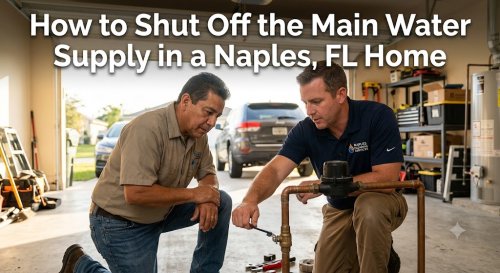
Inspect the Main Shutoff Valve: Locate your main gate or ball valve (usually in the garage or outside tap) and verify the lever is turned fully parallel to the pipe.
-
Check the Water Meter: Turn off all taps, locate your meter box near the curb, and check if the leak indicator dial is moving.
-
Check with Neighbors: Ask nearby property owners if they are experiencing low flow to rule out city water main work.
Professional Step-by-Step Repair Process
If basic troubleshooting points to an internal system failure, a licensed plumber follows a structured diagnostic and repair protocol:
Step 1: System Static and Dynamic Pressure Testing
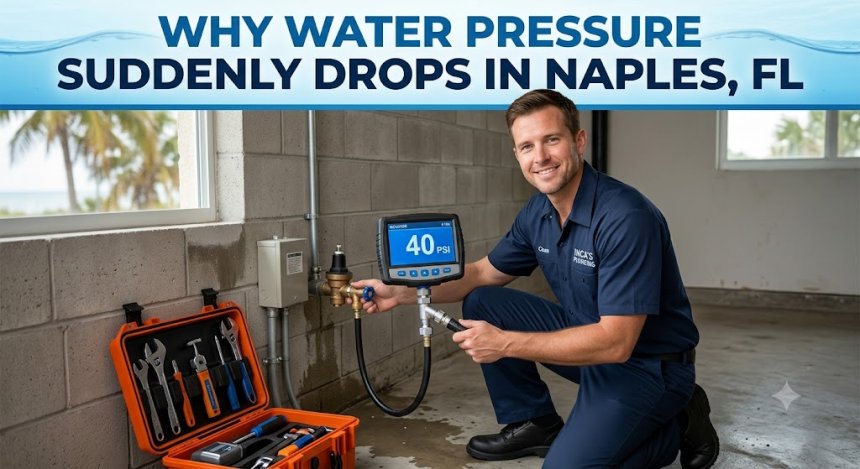
The plumber attaches calibrated digital pressure gauges to outdoor hose bibs to measure static incoming municipal pressure and dynamic operating pressure.
Step 2: Advanced Non-Invasive Leak Detection
If pressure drops continuously during isolated testing, technicians use ultrasonic ground microphones, thermal imaging cameras, and trace gas detectors to pinpoint underground slab leaks or wall pipe cracks.
Step 3: Diagnostic Findings & Upfront Estimate
The technician outlines the exact cause—such as a failed PRV, corroded valve, or broken slab pipe—and provides a clear estimate.
Step 4: Expert Repair or Component Replacement
-
PRV Replacement: Removing corroded regulators and installing a lead-free brass valve set to ideal household pressure (50–65 PSI).
-
Slab Leak Reroute: Running a new, high-durability PEX supply line through attic or wall spaces to bypass damaged under-slab copper lines.
-
Whole-House Repipe: Replacing severely scaled galvanized or polybutylene piping with modern PEX or Type L copper.
Step 5: System Flushing and Pressure Re-Verification
The supply network is thoroughly flushed to remove discolored sediment, and pressure gauges verify stable flow across every home fixture.
Step 6: Site Cleanup and Routine Advice
Work areas are wiped clean, removed parts are cleared out, and the plumber provides tips to maintain healthy system flow.
Can You Fix Low Water Pressure Yourself? (DIY vs. Professional Needs)
Knowing when to perform simple maintenance versus when to call a professional protects your plumbing system from further damage.
+------------------------------------+------------------------------------+
| SAFE DIY MAINTENANCE ACTIONS       | DANGEROUS DIY RISKS                |
+------------------------------------+------------------------------------+
| • Unscrewing & soaking aerators    | • Adjusting PRV without gauges     |
| • Opening fully closed shutoffs    | • Cutting into slab concrete blindly |
| • Rinsing showerhead filter screens| • Replacing main water shutoffs    |
| • Flushing water heater sediment   | • Soldering lines under pressure   |
+------------------------------------+------------------------------------+
Safe DIY Maintenance
Unscrewing clogged sink aerators and soaking them in white vinegar overnight to dissolve hard water scale is a safe DIY task. You can also safely check that shutoff valves under sinks and behind toilets are fully open.
When DIY Becomes Dangerous
Never attempt to adjust a Pressure Reducing Valve using guesswork without a master pressure gauge attached; over-tightening can spike household pressure over 100 PSI, bursting fixture supply lines. Digging up slabs or cutting main supply lines without proper equipment can lead to structural flooding. Always hire a licensed plumber for main line repairs.
Tools Professionals Use
Professional plumbing companies rely on modern equipment to resolve pressure problems quickly:
-
Digital Pressure Manometers: High-precision instruments used to measure subtle pressure drops and check valve performance.
-
Ultrasonic Acoustic Leak Locators: Ground microphones that detect sound frequencies created by water escaping under concrete slabs.
-
Thermal Imaging Scopes: Infrared cameras that highlight temperature anomalies behind walls and beneath tile floors caused by hot water leaks.
-
Pipe Inspection Cameras: Waterproof cameras used to check internal line condition for scale, rust, or root intrusion.
How Long Does a Water Pressure Repair Take?
Repair timelines depend on whether the issue is a simple valve swap or a complex line reroute.
| Repair Complexity | Real-World Examples | Average Timeline | Key Impact Factors |
| Simple Repair | Aerator cleaning, single valve swap, simple shutoff turn | 1 to 2 hours | Easy fixture access, basic tool needs |
| Moderate Repair | Pressure Reducing Valve (PRV) replacement, water heater flush | 2 to 4 hours | Pipe location, main shutoff accessibility |
| Major Repair | Under-slab pipe leak reroute, whole-house repipe | 1 to 3 days | Drywall access, attic routing, city permits |
| Emergency Fix | Isolating main supply line burst, emergency bypass | 1 to 3 hours | Rapid response time, shutoff accessibility |
Cost Factors for Water Pressure Repairs
Plumbing repair costs vary depending on the severity of the problem, accessibility, materials required, emergency service, property type, and local labor rates.
Key variables that determine total repair costs include:
Diagnostic Fees
Utilizing advanced leak locators and thermal scopes to find hidden slab leaks involves specialized diagnostic labor.
Emergency Dispatch Charges
After-hours, weekend, or holiday service calls require dedicated standby technicians.
Repair Location and Access
Replacing an accessible outdoor PRV takes less labor than rerouting a supply line through second-story attic spaces or around concrete beams.
Parts and Pipe Materials
High-grade brass regulators, commercial ball valves, and Type L copper or PEX tubing vary in price based on size and specification.
Municipal Permits
Major water line replacements or main supply alterations across Naples and Collier County may require local municipal building permits.
Hidden Truths Homeowners Should Know
Understanding these practical realities helps you manage your home's plumbing system effectively:
-
Small Pinhole Leaks Cause Huge Drops: A tiny pinhole leak in an underground copper line can discharge hundreds of gallons daily, causing low indoor pressure and severe structural damage.
-
Ignoring Low Pressure Wears Out Appliances: Low flow causes tankless water heaters to shut down unexpectedly and forces dishwashers and ice makers to run longer cycles, shortening their service life.
-
Over-Adjusting Your PRV Can Burst Pipes: Cranking a failing PRV adjustment screw higher will not fix a clogged or broken valve; it risks sending high pressure surges that rupture washing machine hoses.
-
Hard Water Scale Accelerates Metal Decay: Mineral deposits lock onto copper solder joints and iron threads, causing micro-cracks that restrict flow long before visible leaks appear.
-
Insurance May Reject Neglected Water Claims: Insurers often deny coverage for water damage restoration if low pressure and dampness resulted from months of unaddressed leaks.
15 Common Mistakes Homeowners Make
-
Cranking the PRV Screw to Fix Low Flow: Forcing high pressure through damaged or scaled lines instead of replacing the failed regulator.
-
Ignoring Mild Pressure Drops: Letting slow flow slide until a hidden leak causes structural subfloor damage.
-
Using Caustic Chemicals to Clear Mineral Scale: Pouring harsh acid cleaners down supply lines, corroding valve seals.
-
Hiring Unlicensed Handymen for PRV Installation: Installing non-code valves improperly, risking main line flooding.
-
Not Checking Aerators First: Calling for major repairs when a simple 5-minute aerator vinegar soak would solve low sink flow.
-
Leaving Main Shutoff Valves Partially Turned: Restricting full household water flow after basic maintenance work.
-
Skipping Water Heater Flushing: Allowing thick sediment beds to block hot water outlet pipes.
-
Replacing Fixtures Without Testing System Pressure: Installing high-end showerheads on failing, scale-clogged piping.
-
Ignoring Water Meter Movement: Failing to perform regular checks for hidden underground slab leaks.
-
Over-Tightening Valve Handles: Snapping old gate valve stems while trying to open stuck shutoffs.
-
Mixing Incompatible Metals: Joining copper and galvanized iron directly without dielectric unions, accelerating corrosion.
-
Forgetting Summer Shutoff Protocols: Leaving main pressure live when leaving Naples homes vacant for seasonal periods.
-
Neglecting Outdoor Hose Bib Regulators: Allowing unpressurized backflow to contaminate main line valves.
-
Waiting Until Total Loss of Water: Ignoring warning signs until supply lines split entirely.
-
Choosing Plumbers Based Solely on Bargain Estimates: Accepting low bids that leave out static pressure testing, quality parts, or warranties.
15 Practical Maintenance Tips to Prevent Pressure Drops
-
Test your home's static water pressure annually using an inexpensive hose-bib pressure gauge.
-
Replace your Pressure Reducing Valve (PRV) every 7 to 10 years as preventative maintenance.
-
Clean sink aerators and showerheads twice a year in a white vinegar solution to remove mineral scale.
-
Operate main house shutoff valves twice a year to prevent valve stems from seizing.
-
Flush your traditional tank water heater once a year to clear mineral sediment.
-
Consider installing a whole-house water softener to reduce aggressive scale accumulation across Naples supply lines.
-
Check toilet fill valves and angle stop shutoffs regularly for signs of mineral scaling or corrosion.
-
Schedule a professional plumbing inspection every two years to verify valve health.
-
Replace rubber washing machine hoses with braided stainless steel lines every 5 years.
-
Monitor your monthly Collier County water bill for sudden, unexplained consumption spikes.
-
Check your exterior water meter quarterly to ensure the leak indicator dial is completely still when taps are closed.
-
Keep foliage cleared around outdoor main shutoff valves and PRV boxes for easy access.
-
Insulate any exposed outdoor supply piping to protect against temperature shifts and UV exposure.
-
Turn off your main water valve whenever you leave your Naples home vacant for more than a weekend.
-
Contact a licensed plumber at the very first sign of unexplainable whole-house pressure loss.
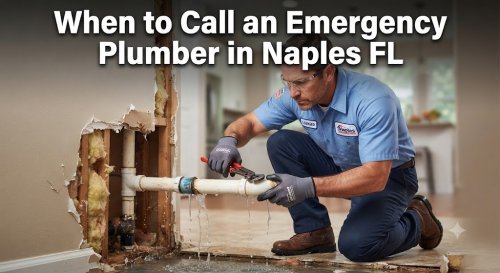
When Should You Call an Emergency Plumber?
Call an emergency plumbing specialist immediately if you experience any of these situations:
+-------------------------------------------------------------------------+
|                    EMERGENCY CALL OUT CHECKLIST                         |
+-------------------------------------------------------------------------+
| [ ] Sudden total loss of water pressure accompanied by running water sounds|
| [ ] Warm spots on concrete slab floors alongside low hot water pressure  |
| [ ] Water pooling around lower baseboards, drywalls, or garage floors   |
| [ ] Water meter dial spinning rapidly while all house fixtures are off   |
| [ ] Discolored, muddy, or foul-smelling water coming from low-pressure taps|
+-------------------------------------------------------------------------+
Taking rapid action stops active flooding, minimizes structural restoration costs, and protects your property investment.
Frequently Asked Questions
Why is my water pressure suddenly low across the whole house?
A sudden whole-house pressure drop is usually caused by a failed Pressure Reducing Valve (PRV), a partially closed main shutoff valve, an underground slab leak, or municipal main maintenance.
How much does leak detection cost in Naples, FL?
Professional leak detection using thermal scopes and acoustic locators typically ranges between $200 and $450 depending on structural access and system size.
Can a clogged drain cause low water pressure?
No. Clogged drains affect waste removal and cause backups, whereas water pressure drops relate strictly to incoming clean water supply lines and valves.
Is hydro jetting safe for old pipes?
Hydro jetting is used on drain and sewer pipes, not incoming pressurized water supply lines. Plumbers perform video checks to ensure drain pipe integrity before jetting.
How do I know if my sewer line is broken underground?
Signs include recurring drain backups, gurgling toilets, foul odors, and soggy turf, whereas supply line breaks cause water pressure drops and high utility bills.
How long do water heaters last in Southwest Florida?
Tank water heaters last 8 to 11 years on average due to hard water scale, while tankless units last 15 to 20 years with annual maintenance.
Why does my faucet drip continuously?
Continuous faucet drips stem from worn internal rubber seals, degraded O-rings, or mineral scale buildup inside the faucet cartridge.
What causes pipes to burst if it doesn't freeze in Naples?
Pipes rupture primarily due to high municipal water pressure spikes, severe internal metal corrosion, physical tree root pressure, and hard water scale buildup.
Can plumbing leaks increase my water bill?
Yes. Hidden supply line or slab leaks running continuously can waste thousands of gallons of water per month, causing sharp spikes in utility bills.
When should I replace my plumbing instead of repairing it?
Consider repiping if your home has recurring supply leaks, chronic widespread low pressure, heavy internal iron rust flaking, or original polybutylene piping.
Why Choose Incas Plumbing?
When your water pressure drops unexpectedly, you need an experienced local plumbing contractor who can diagnose the root cause quickly and accurately. Incas Plumbing provides property owners across Naples, Marco Island, Bonita Springs, and Collier County with dependable, high-quality plumbing service.
-
Experienced Licensed Plumbers: Highly trained technicians specializing in pressure diagnostics, PRV replacements, and slab leak detection.
-
Upfront Estimates & Honest Advice: Transparent pricing and clear explanations before any work begins.
-
Fast Response & Emergency Service: Rapid dispatch teams ready to resolve sudden supply emergencies.
-
Modern Diagnostic Equipment: High-precision digital pressure gauges, ultrasonic leak locators, and thermal imaging cameras.
-
Local Southwest Florida Expertise: In-depth knowledge of Collier County water quality, local code standards, and coastal plumbing challenges.
Don't let low water pressure disrupt your day or hide a serious leak. Call Incas Plumbing today at (844) 973-0400 or visit our local office at Dale Ave, Naples for immediate assistance!