Is Your Naples FL Sewer Line Clogged or Broken?
Learn how to tell if your Naples, FL sewer line is clogged or broken. Discover key signs, causes, repair options, costs, and prevention tips.

How to Tell If Your Naples, FL Sewer Line Is Clogged or Broken
Few home disasters match the stress of an underground sewer line failure. When your main drain line stops functioning correctly, raw wastewater loses its path to the municipal main or septic tank. Instead, it backs up into your ground-floor fixtures, threatens your living space, and risks severe property damage.
For homeowners and commercial property managers across Naples, FL—from historic homes near Old Naples to newer developments in East Naples, North Naples, and coastal areas along Collier County—distinguishing between a simple blockage and a structurally compromised pipe is critical. A clogged pipe can often be cleared in a matter of hours, whereas a broken, offset, or collapsed pipe requires structural repair or complete replacement.
Understanding the subtle differences between a blockage and structural breakage empowers you to make informed decisions before calling a licensed plumber.
What Is a Clogged vs. Broken Sewer Line?
Your main sewer line is the central pipe that collects wastewater from every drain in your property—including toilets, sinks, showers, and laundry units—and carries it off your property.
-
Clogged Sewer Line: A physical obstruction restricts or stops the flow of water through the pipe. The pipe itself remains intact, but debris like grease, roots, or non-flushable items block the channel.
-
Broken Sewer Line: The physical pipe structure has cracked, offset, bellied (sagged), corroded, or collapsed. Wastewater escapes into the surrounding soil, or soil enters the line, stopping drainage altogether.
Common Symptoms and Real-World Examples
-
Scenario A (Clog): Running your kitchen sink causes your bathtub to gurgle, but water eventually drains away slowly overnight.
-
Scenario B (Break): Wastewater consistently backs up into your lowest shower stall whenever a toilet flushes, and a soft, unusually lush green patch forms in your yard directly over the sewer line route.
Why Does This Plumbing Problem Happen in Naples?
Underground plumbing systems in coastal Florida endure unique environmental stress factors:
-
Aggressive Tropical Tree Roots: Fast-growing roots from Ficus, Banyan, and Palm trees actively seek underground moisture. They slip into micro-cracks or pipe joints, expanding until they choke the line or crack the pipe walls.
-
Sandy Coastal Soil & Soil Settlement: Naples features sandy soil and shifting coastal water tables. Over time, ground movement causes underground pipes to drop, forming low spots (bellies) where solids settle and cause repeated blockages.
-
Corrosion in Older Cast Iron Lines: Many Naples homes built prior to the late 1980s have original cast iron sewer pipes. Salt air, coastal humidity, and internal water chemistry corrode cast iron, causing rust flakes to catch waste and thin out pipe bottoms until they collapse.
-
Fats, Oils, and Grease (FOG): Kitchen grease poured down sinks cools and hardens inside lines, trapping hair and paper debris.
-
Flushing Wipes and Hygiene Products: So-called "flushable" wipes do not disintegrate quickly like toilet paper. They snag on pipe scale and form solid obstructions.
-
Hard Water Mineral Build-up: Mineral deposits create rough textures on internal pipe walls, catching debris and restricting pipe diameter over time.
Signs You Should Never Ignore
Recognizing warning signs early helps prevent costly indoor flooding and structural damage.
-
Multiple Slow Drains: When several fixtures drain slowly at the same time, the blockage is in your main sewer line, not an individual sink trap.
-
Gurgling Toilets & Fixtures: Air trapped behind an underground clog bubbles back up through standing water in toilets or tub drains.
-
Foul Sewer Odors: Smelling sewer gas around outdoor cleanouts, bathroom drains, or yard areas indicates a broken pipe wall letting trapped gas escape.
-
Soggy, Sunken Patches on the Lawn: Raw sewage leaking underground acts as a powerful fertilizer, creating unnaturally bright green, damp patches on your grass.
-
Water Backups in Unexpected Places: Flushing a toilet forces water up into the nearest bathtub, or running the washing machine causes water to overflow from floor drains.
-
Unexplained High Water Utility Bills: Hidden leaks on supply lines or continuous main line issues cause system imbalances that raise monthly utility bills.
-
Mold and Mildew Growth: Persistent dampness behind walls or along concrete baseboards near main line pathways creates ideal breeding grounds for toxic mold.
-
Rodent or Pest Infestation: Flies, roaches, and rodents enter homes through cracked or collapsed underground sewer lines.
Common Plumbing Problems Related to Sewer Line Damage
A main sewer issue quickly impacts your entire building network:
[Underground Sewer Line Issue]
             │
             ├──► Sump Pump & Drain Overflows
             ├──► Foundation Slab Leaks & Erosion
             ├──► Toxic Mold & Bacterial Contamination
             └──► Persistent Fixture Backups & Damage
-
Slab Leaks: Corroded sub-slab pipes leak raw sewage under foundation slabs, washing away supporting soil and cracking floor tiles.
-
Recurrent Fixture Clogs: Unresolved main blockages put pressure on secondary branch lines, weakening joint seals throughout your home.
-
Systemic Health Hazards: Backed-up sewage introduces hazardous bacteria, biohazards, and airborne pathogens into indoor spaces.
Step-by-Step Professional Diagnostic & Repair Process
When you call a professional plumber to evaluate a suspected sewer line issue, here is the standard diagnostic and repair path:
Can You Fix It Yourself?
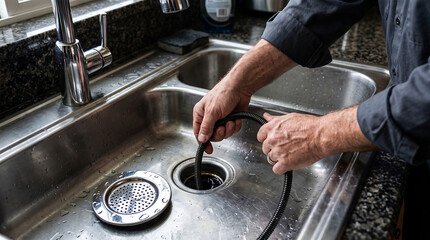
Short Answer: Clearing an isolated sink drain is a reasonable DIY task, but main sewer line repairs require licensed expertise.
Chemical drain cleaners should never be used on suspected sewer line blockages. These caustic acids generate extreme heat inside pipes, melting PVC connections or causing aged, corroded cast iron to rupture completely.
Safe Homeowner Actions
-
Turn off your main water supply immediately if sewage is backing up inside your home.
-
Remove the exterior cleanout cap in your yard to relieve backpressure inside house drains.
-
Do not attempt to dig up buried sewer lines without utility location clearance (call 811 before digging).
Tools Professionals Use
Modern sewer diagnostics rely on non-invasive technology to pinpoint issues accurately:
-
Fiber-Optic Camera Lines: Waterproof HD camera heads capture precise interior pipe footage.
-
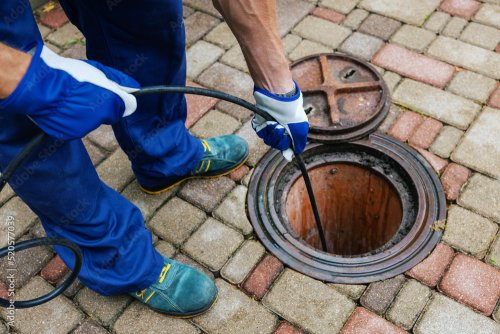
Hydro-Jetters: High-pressure water systems operating up to 4,000 PSI scour grease, scale, and root mats from pipe walls without chemicals.
-
Pipe Locators: Ground-penetrating locators map exact pipe paths and depths from above ground.
-
Trenchless Pipe Lining Equipment: Resin-impregnated felt liners create a seamless structural pipe inside damaged host pipes without tearing up driveways or lawns.
How Long Does the Repair Usually Take?
Repair timelines depend on pipe accessibility, location, and the repair method used:
| Repair Type | Work Included | Average Timeframe |
| Sewer Hydro Jetting / Clearing | Video inspection + high-pressure water jetting | 2 to 4 Hours |
| Spot Repair (Localized Dig) | Excavating a single broken joint section (1-5 feet) | 1 Day |
| Trenchless Pipe Relining | Continuous liner insertion via existing cleanout access | 1 to 2 Days |
| Full Main Line Excavation | Deep trenching, pipe replacement, backfilling | 2 to 4 Days |
Cost Factors for Naples Sewer Repairs
Plumbing repair costs vary depending on the severity of the problem, accessibility, materials required, emergency service, property type, and local labor rates.
Key variables include:
-
Diagnostic Camera Inspection Fees: Detailed video mapping identifies exact breaks before digging starts.
-
Line Depth and Surface Cover: Lines buried under dirt yards cost less to access than pipes running beneath concrete slabs, pavers, or asphalt driveways.
-
Repair Method Chosen: Trenchless lining has a higher material cost but eliminates the high labor and landscape restoration expenses associated with open trenching.
-
Emergency Dispatch Rates: Calling for immediate assistance after business hours or on weekends incurs standard emergency labor premiums.
-
Local Permitting: Required City of Naples or Collier County permits and municipal compliance inspections add administrative costs.
Hidden Truths Homeowners Should Know
-
Small Leaks Create Large Sinkholes: Water escaping a broken pipe washes away sandy soil under driveways and slab foundations.
-
Chemical Cleaners Do Not Remove Tree Roots: Chemicals burn small pathways through roots, but the roots return larger and stronger within months.
-
Standard Home Insurance Doesn't Automatically Cover Sewer Lines: Wear, tear, corrosion, and root intrusion are excluded from standard policies unless you add dedicated line coverage.
-
Hard Water Accelerates Rusting: High mineral content in coastal water speeds up internal scaling on older cast iron pipes.
-
Mold Begins Growing in 24 Hours: Wastewater leaks inside floor cavities create toxic mold rapidly if not dried professional within two days.
15 Common Mistakes Homeowners Make
-
Flushing "Flushable" Wipes: Wipes bind with oils and grease to form massive pipe blockages.
-
Pouring Cooking Oil Down the Sink: Liquid oil thickens inside cool underground pipes.
-
Ignoring Gurgling Toilets: Treating air bubbles as minor quirks instead of early main line warnings.
-
Using Chemical Drain Cleaners: Caustic cleaners weaken pipe walls and destroy rubber joint gaskets.
-
Skipping Regular Camera Inspections: Failing to inspect sewer lines before buying older properties in Naples neighborhoods.
-
Hiring Unlicensed Plumbers: Uninsured labor risks un-permitted work and accidental utility line strikes.
-
Planting Trees Over Sewer Lines: Landscaping with deep-root trees near cleanout paths.
-
Delaying Repairs to Save Money: Allowing minor joint leaks to undermine concrete slabs.
-
Over-Tightening Cleanout Caps: Stripping PVC threads or cracking cast iron cleanouts.
-
Using Incorrect Pipe Materials: Mixing incompatible pipe materials without approved adapter couplings.
-
Plunging Fixtures Too Aggressively: Blowing out wax bowl rings underneath toilets during heavy plunging.
-
Covering Access Cleanouts: Burying exterior access points under mulch or pavers.
-
Waiting for Complete Backups: Ignoring slow drains until sewage backs up into showers.
-
Overlooking Soil Settlement Signs: Ignoring uneven paver blocks or sunken lawn spots.
-
Failing to Track Property Line Boundaries: Not knowing where private service lines connect to municipal city mains.
Preventative Sewer Maintenance Tips
-
Perform Annual Hydro Jetting: Keep main drain lines free of grease, soap scum, and scale.
-
Schedule Bi-Annual Camera Checks: Run an inspection camera through aging cast iron lines every two years.
-
Install Mesh Drain Covers: Catch hair and food particles before they enter secondary lines.
-
Trash Non-Flushable Products: Dispose of paper towels, wipes, and dental floss in trash bins.
-
Keep Cleanouts Visible: Ensure exterior cleanouts remain clear of landscaping debris.
-
Install a Backwater Prevention Valve: Stop municipal storm surcharges from backing into ground-floor drains during hurricanes or heavy tropical rain.
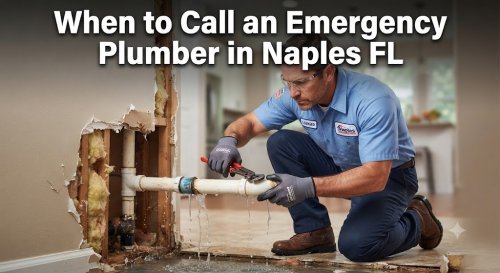
When Should You Call an Emergency Plumber?
Call for emergency plumbing assistance immediately if you notice:
-
Sewage bubbling up into ground-floor bathtubs, showers, or floor drains.
-
Total drainage stoppage across all household fixtures simultaneously.
-
Visible sinkholes or soft spots forming near your home's foundation.
-
Strong sewer gas odors inside living areas.
Frequently Asked Questions
Why is my water pressure suddenly low?
A sudden pressure drop across all fixtures can indicate a main supply leak or a severe main drain stoppage affecting overall fixture pressure balance.
How much does sewer leak detection cost?
Professional camera inspections and leak detection generally range from $150 to $500 depending on line length and accessibility.
Can a clogged drain damage pipes?
Yes. Sustained pressure from heavy blockages can force water past pipe joint seals or expand existing cracks in older host pipes.
Is hydro jetting safe for old pipes?
Hydro jetting is safe when preceded by a video camera inspection. Technicians calibrate water pressure to clean out scale and roots without damaging fragile pipe walls.
How do I know if my sewer line is broken?
Key indicators include recurring backups, sewer odors indoors or outdoors, soggy green lawn spots, and gurgling noises across multiple fixtures.
How long do sewer lines last in Florida?
Cast iron pipes generally last 40 to 50 years in coastal Florida soil, while modern PVC lines can last up to 100 years.
Why does my toilet gurgle when I run the shower?
Gurgling indicates trapped air bubbles escaping past water seals, caused by an obstruction in your main drain pipe.
What causes sewer pipes to break underground?
Common causes include root intrusion, soil movement from high water tables, ground settling, and long-term internal corrosion.
Can plumbing leaks increase my water bill?
Yes. Unresolved leaks or continuous backpressure issues lead to higher monthly utility costs.
When should I replace a sewer line instead of repairing it?
If over 50% of the pipe is corroded, offset, or structurally cracked, replacing the line is more reliable and cost-effective than continuous spot repairs.
Why Choose Incas Plumbing Inc.?
When dealing with a suspected main sewer line blockage or pipe break, you need quick answers and dependable solutions. Incas Plumbing Inc. provides professional sewer line diagnostic and repair services across Naples, FL, and nearby Collier County communities.
-
Local Naples Experience: Located right on Dale Ave in Naples (34112), our team understands coastal soil dynamics, high water tables, and common cast iron pipe challenges in local homes.
-
Licensed & Insured Technicians: Full state licensing guarantees compliant repairs that meet Florida building codes.
-
Modern Equipment: We utilize high-definition fiber-optic cameras, hydro-jetters, and trenchless repair tools to deliver accurate, non-destructive solutions.
-
Upfront Pricing: Clear estimates before any work begins—no surprise fees or high-pressure tactics.
-
Customer-Centric Care: Respectful service that keeps your property clean and ensures long-term plumbing performance.
Don't wait for a sewer issue to flood your property. Contact Incas Plumbing Inc. today for reliable diagnostic checks and expert repairs!