Hard Water Plumbing Problems and Solutions
Learn how hard water affects plumbing systems, common problems it causes, warning signs, solutions, prevention tips, and when to call a plumber.
Hard Water: Plumbing Problems and Solutions
Hard water is a common issue affecting homes across the United States. While hard water is generally safe to use, the high concentration of minerals such as calcium and magnesium can create serious plumbing challenges over time.
Many homeowners do not realize that hard water is slowly damaging their plumbing system until they notice white mineral deposits, reduced water pressure, clogged fixtures, or declining water heater performance.
Understanding hard water plumbing problems and solutions can help homeowners protect their pipes, appliances, fixtures, and water systems.
Incas Plumbing helps homeowners identify plumbing issues caused by hard water and provides professional solutions to improve system performance and reduce future damage.
What Is Hard Water?
Hard water is water that contains high levels of dissolved minerals, mainly calcium and magnesium.
As water moves through underground rock formations, it collects minerals that remain in the water supply.
Hard water is not usually harmful for drinking, but it can affect plumbing systems by leaving behind mineral deposits.
Common signs of hard water include:
- White buildup around faucets
- Soap that does not lather easily
- Spots on dishes and glassware
- Dry skin after bathing
- Reduced water flow
- Frequent plumbing maintenance needs
Why Does Hard Water Cause Plumbing Problems?
Hard water creates problems because minerals gradually accumulate inside plumbing components.
Over time, mineral deposits can restrict water flow, damage fixtures, and reduce the efficiency of appliances.
Common affected areas include:
- Pipes
- Faucets
- Showerheads
- Water heaters
- Washing machines
- Dishwashers
- Plumbing valves
Common Hard Water Plumbing Problems
Mineral Buildup Inside Pipes
One of the biggest concerns with hard water is mineral accumulation inside pipes.
As minerals collect along pipe walls, they reduce the available space for water flow.
This can cause:
- Lower water pressure
- Slow drainage
- Reduced plumbing efficiency
- Increased stress on pipes
Older plumbing systems are especially vulnerable because years of buildup can significantly restrict flow.
Low Water Pressure
Hard water deposits can block small openings in plumbing fixtures and narrow pipe passages.
Homeowners may notice:
- Weak shower pressure
- Slow faucet flow
- Uneven water distribution
A plumber can determine whether the issue is caused by mineral buildup or another plumbing problem.
Faucet and Fixture Damage
Hard water often leaves white crusty deposits around faucets, showerheads, and valves.
These deposits can:
- Block water flow
- Damage seals
- Cause leaks
- Shorten fixture lifespan
Regular cleaning may help, but severe buildup may require professional repair or replacement.
Water Heater Problems
Water heaters are especially affected by hard water because minerals settle at the bottom of the tank.
Sediment buildup can cause:
- Reduced heating efficiency
- Longer heating times
- Higher energy costs
- Popping or rumbling noises
- Shorter equipment lifespan
Regular water heater maintenance can help reduce these problems.
Clogged Showerheads and Faucets
Mineral deposits can block small openings in showerheads and faucet aerators.
Signs include:
- Uneven water spray
- Reduced water flow
- Weak faucet performance
Cleaning or replacing affected components may restore normal operation.
Soap Scum and Cleaning Problems
Hard water reacts with soap and creates a sticky residue known as soap scum.
This buildup can affect:
- Bathroom fixtures
- Shower walls
- Bathtubs
- Drains
Signs Hard Water Is Affecting Your Plumbing
White Mineral Deposits
White spots or crust around fixtures are common signs of mineral buildup.
Frequent Fixture Repairs
If faucets and showerheads require repeated repairs, hard water may be contributing.
Reduced Water Pressure
Mineral deposits inside pipes can restrict water flow.
Noisy Water Heater
Popping and cracking sounds may indicate sediment buildup inside the tank.
Higher Energy Bills
A water heater covered with mineral deposits must work harder to heat water.
Shorter Appliance Lifespan
Hard water can reduce the efficiency and lifespan of water-connected appliances.
Common Plumbing Problems Related to Hard Water
Hard water can contribute to several plumbing issues, including:
Pipe Restrictions
Mineral deposits reduce internal pipe space and affect water flow.
Water Heater Failure
Sediment buildup increases wear on heating components.
Fixture Leaks
Minerals damage seals and moving parts.
Drain Problems
Buildup can contribute to reduced drainage performance.
Appliance Damage
Dishwashers and washing machines may experience reduced efficiency.
Step-by-Step Professional Hard Water Plumbing Assessment
A plumber typically follows these steps when evaluating hard water problems.
Step 1: Plumbing Inspection
The plumber checks:
- Fixtures
- Pipes
- Water heater condition
- Water pressure
Step 2: Water Quality Testing
Testing helps determine mineral levels and water hardness.
Step 3: Identify Affected Plumbing Areas
The plumber evaluates whether problems involve:
- Pipes
- Appliances
- Fixtures
- Water heating systems
Step 4: Recommend Solutions
Possible recommendations include:
- Plumbing repairs
- Fixture replacement
- Water treatment systems
- Maintenance improvements
Step 5: Complete Repairs or Installation
Solutions are installed based on the home's needs.
Step 6: Test the System
The plumber confirms proper operation after service.
Can You Fix Hard Water Problems Yourself?
Homeowners can manage minor hard water issues with regular cleaning.
Helpful steps include:
- Cleaning faucet aerators
- Removing mineral deposits from showerheads
- Using appropriate cleaning products
- Flushing water heaters when recommended
However, DIY methods cannot remove severe mineral buildup inside pipes or repair damaged plumbing components.
Professional help may be needed for:
- Low water pressure problems
- Water heater issues
- Pipe restrictions
- Repeated fixture failures
Tools Professionals Use for Hard Water Plumbing Problems
Water Testing Equipment
Used to measure mineral content and water hardness.
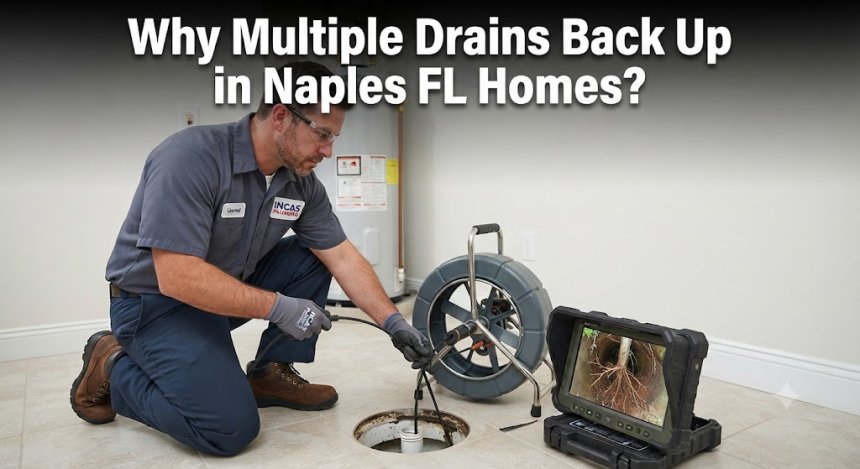
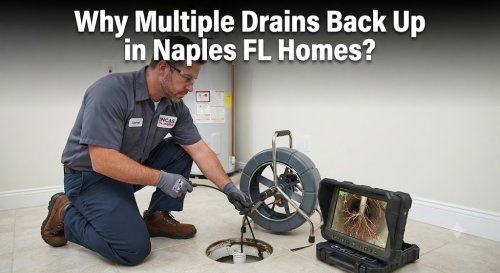
Pipe Inspection Cameras
Help identify buildup and pipe condition.
Pressure Testing Equipment
Checks whether mineral deposits are affecting water flow.
Water Heater Flushing Equipment
Removes sediment buildup from tanks.
Specialized Cleaning Tools
Used for removing mineral deposits from plumbing components.
How Long Does Hard Water Plumbing Repair Take?
Repair time depends on the severity of the issue.
Minor Fixture Cleaning
Simple mineral buildup removal may take a short time.
Fixture Replacement
Replacing damaged faucets or shower components may require additional work.
Water Heater Maintenance
Flushing and servicing a water heater depends on system condition.
Pipe Problems
Severe mineral buildup inside pipes may require more extensive repairs.
Factors affecting repair time include:
- Location of buildup
- Plumbing condition
- Accessibility
- Required replacement parts
Cost Factors for Hard Water Plumbing Solutions
Hard water repair costs vary depending on the problem and solution required.
Factors include:
Type of Repair
Fixture cleaning, replacement, or pipe repairs have different costs.
Plumbing Damage
Severe buildup may require more extensive work.
Equipment Required
Specialized tools and water treatment systems affect overall costs.
Property Size
Larger homes may require additional plumbing evaluation.
Replacement vs Repair
In some cases, replacing damaged components may be more practical.
Plumbing costs vary depending on the severity of the problem, accessibility, materials required, property type, and local labor rates.
A professional plumber can evaluate your system and recommend the right solution.
Hidden Truths Homeowners Should Know About Hard Water
- Hard water damage happens slowly over time.
- Mineral buildup can reduce water flow.
- Water heaters often suffer from hard water effects.
- Ignoring buildup increases repair needs.
- Cheap cleaning methods may only provide temporary results.
- Hard water can shorten fixture lifespan.
- Older pipes are more affected by mineral deposits.
- Regular maintenance improves plumbing performance.
- Water treatment solutions should match your home's needs.
- Preventing buildup is easier than repairing damage.
15 Common Mistakes Homeowners Make With Hard Water
1. Ignoring Mineral Deposits
Visible buildup often indicates a larger issue.
2. Skipping Water Heater Maintenance
Sediment buildup reduces efficiency.
3. Using Incorrect Cleaning Products
Some products can damage fixtures.
4. Ignoring Low Water Pressure
Reduced flow may indicate pipe buildup.
5. Delaying Fixture Repairs
Mineral damage worsens over time.
6. Not Testing Water Quality
Understanding water hardness helps choose solutions.
7. Overlooking Water Heater Noises
Sounds may indicate sediment problems.
8. Avoiding Professional Inspections
Hidden buildup may go unnoticed.
9. Choosing the Wrong Water Treatment System
Solutions should match household needs.
10. Ignoring Aging Pipes
Older systems need more attention.
11. Cleaning Only Visible Areas
Internal buildup can still exist.
12. Using Harsh Chemicals
Incorrect products may damage plumbing.
13. Waiting Until Appliances Fail
Maintenance prevents costly replacements.
14. Ignoring Frequent Faucet Problems
Minerals may be the cause.
15. Skipping Regular Plumbing Maintenance
Routine service protects your system.
Maintenance Tips to Reduce Hard Water Damage
- Clean faucet aerators regularly
- Remove mineral buildup from fixtures
- Flush water heaters when recommended
- Monitor water pressure
- Schedule plumbing inspections
- Check for leaks around fixtures
- Maintain appliances connected to water
- Test water hardness levels
- Clean showerheads periodically
- Replace damaged fixtures early
- Avoid excessive chemical cleaners
- Inspect older plumbing systems
- Consider professional water treatment advice
- Monitor energy bills
- Address reduced water flow quickly
When Should You Call a Plumber?
Contact a professional plumber if you notice:
- Persistent low water pressure
- Water heater problems
- Frequent fixture failures
- Pipe restrictions
- Repeated mineral buildup
- Leaks caused by damaged components
Professional evaluation can prevent minor hard water issues from becoming expensive plumbing repairs.
People Also Ask
Is hard water bad for plumbing?
Hard water can damage plumbing fixtures, reduce water flow, and shorten appliance lifespan over time.
Can hard water clog pipes?
Yes. Mineral deposits can build inside pipes and restrict water flow.
How does hard water affect water heaters?
Hard water creates sediment buildup that reduces efficiency and increases wear.
Can a water softener help plumbing problems?
A properly selected water treatment system may reduce mineral buildup.
How do I remove hard water buildup from faucets?
Cleaning may remove surface buildup, but severe deposits may require professional service.
Why does my shower pressure decrease over time?
Mineral deposits may block showerheads and plumbing passages.
Does hard water cause leaks?
Hard water can damage seals and fixtures, contributing to leaks.
How often should water heaters be flushed?
Maintenance frequency depends on water quality, usage, and manufacturer recommendations.
Is hard water safe to drink?
Hard water is generally considered safe, although it can affect taste and plumbing.
Should I replace pipes affected by hard water?
Replacement depends on pipe condition, age, and severity of mineral buildup.
Why Choose Incas Plumbing?
Hard water problems require accurate diagnosis and practical solutions. Incas Plumbing helps homeowners understand how water quality affects their plumbing system and provides professional recommendations.
Customers can expect:
- Experienced plumbing professionals
- Detailed inspections
- Honest solutions
- Quality repair services
- Modern plumbing equipment
- Customer-focused support
Whether you need water heater service, fixture repair, or plumbing maintenance, Incas Plumbing can help protect your home's plumbing system.