Why Multiple Drains Back Up in Naples FL Homes
Discover why multiple drains back up in your Naples FL home. Learn main sewer causes, warning signs, and expert solutions from Incas Plumbing.
Why Are Multiple Drains Backing Up in My Naples, FL Home?
Standing in your kitchen and watching dirty water bubble up through the shower drain while the guest bathroom toilet refuses to flush is an alarming experience. When a single sink clogs, the issue is usually localized to that specific fixture trap or branch line. However, when multiple plumbing fixtures throughout your home back up simultaneously, it signals a major systemic blockage deep within your main sewer line. For homeowners and business owners across Naples, Florida, and surrounding Collier County neighborhoods, this stressful plumbing failure demands immediate, professional attention.
Understanding what causes multiple drains to fail at once helps you take correct action and protect your property from hazardous wastewater overflows. At Incas Plumbing, situated right on Dale Ave in Naples, we specialize in diagnosing and resolving complex main line blockages with speed and precision. This comprehensive guide breaks down warning signs, root causes, professional repair procedures, and proactive prevention strategies.
What Is a Multiple Drain Backup Issue?
A multiple drain backup issue occurs when wastewater and debris from across your entire household become trapped in the main sanitary sewer line, forcing water backward out of the lowest fixtures in the building.
Definition and Common Situations
Every plumbing fixture in your home—from kitchen sinks and washing machines to showers and toilets—routes waste into a single central pipe known as the main sewer line, which exits the property toward the municipal main or septic tank. When this central conduit is completely blocked, incoming water has nowhere to flow forward, causing it to erupt through floor drains, bathtubs, and lowest-level toilets.
Symptoms and Examples
For example, flushing your upstairs toilet and noticing water bubbling up into your downstairs shower stall or running your kitchen dishwasher and seeing gray water back up into the utility sink are classic indicators of a main sewer line failure.
Why Does This Plumbing Problem Happen?
Main sewer blockages are triggered by structural damage, environmental intrusions, and daily misuse of household plumbing infrastructure.
Common Causes of Main Line Backups
-
Tree Root Infiltration: Aggressive roots from tropical landscaping seek out tiny cracks in underground sewer pipes, entering the line and creating dense blockages.
-
Grease and Fat Buildup: Pouring cooking oils and grease down kitchen drains causes fats to solidify inside cold underground pipes, trapping paper and food debris.
-
Flushing Non-Flushable Wipes: Modern "flushable" wipes, paper towels, and hygiene products do not disintegrate properly, snagging on pipe imperfections and forming dense clogs.
-
Pipe Corrosion and Bellies: Aging metal or cast-iron lines degrade over time, creating structural sags ("bellies") where wastewater and solids pool.
-
Severe Mineral Scaling: Hard water mineral deposits narrow the internal diameter of older pipes over decades of continuous service.
-
Heavy Seasonal Rainfall: Severe Southwest Florida storms can surcharge municipal stormwater or sewer networks, forcing water back toward residential connections.
Signs You Should Never Ignore
Your plumbing system will typically provide critical warning signs before a main sewer line completely shuts down:
-
Simultaneously Slow Draining Fixtures: When your kitchen sink, shower, and bathroom vanity all drain sluggishly at the exact same time.
-
Gurgling Sounds in Toilets: Hearing bubbling or gurgling noises coming from toilet bowls when you run the washing machine or shower.
-
Wastewater Pooling in Floor Drains: Finding unexplained water or sewage around floor drains in your garage, laundry room, or utility closet.
-
Foul Sewage Odors: Persistent, unpleasant sulfur smells lingering around plumbing fixtures or near outdoor cleanout ports.
-
Unstable Toilet Water Levels: Water levels in toilet bowls fluctuating unpredictably when other water sources are used.
Common Plumbing Problems Related to This Issue
Multiple drain backups frequently point to broader structural challenges and secondary property complications:
-
Sanitary Sewage Overflows: Contaminated blackwater flooding tile floors, carpets, and baseboards, creating serious health hazards.
-
Broken or Collapsed Sewer Lines: Structural pipe failures requiring trenchless pipe lining or complete excavation.
-
Slab and Foundation Leaks: Subterranean line fractures undermining concrete foundations and landscaping.
-
Severe Mold and Mildew Proliferation: Organic moisture combined with Florida humidity fosters aggressive mold growth within hours.
Step-by-Step Professional Repair Process
When you contact Incas Plumbing for a multiple drain backup in the Naples area, our licensed technicians follow a structured, transparent diagnostic and repair workflow:
Our Professional Service Workflow
Initial Assessment & Safety Check: We evaluate the affected fixtures and locate external cleanout ports to ensure safe working conditions.
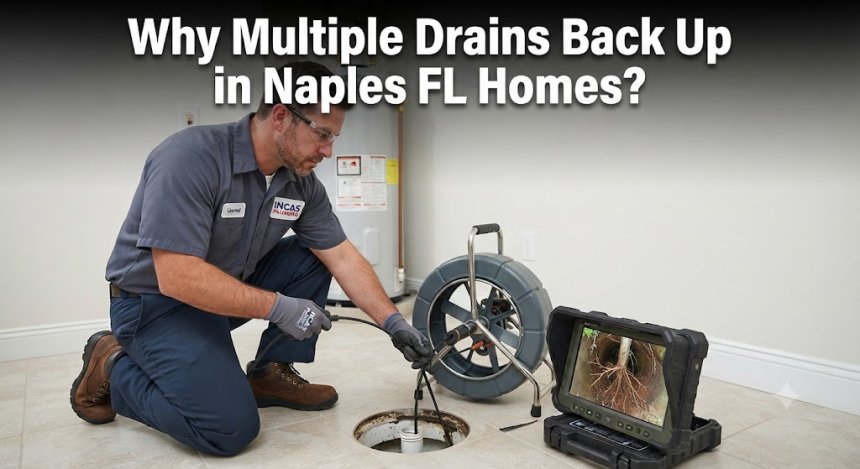
Advanced Video Camera Inspection: We thread a specialized high-definition camera down the main sewer line to locate the exact cause and location of the blockage.
Transparent Upfront Estimate: We present clear, honest repair and cleaning options before beginning any physical work.
Targeted Clearing & Hydro Jetting: We clear the blockage using professional mechanical augers or high-pressure hydro jetting equipment to scrub pipe walls clean.
Post-Cleaning Verification Check: We run a second camera inspection to verify that the pipe interior is completely clear and structurally intact.
Workspace Cleanup & Sanitization: We clean up our work area thoroughly and advise on proper sanitation if wastewater overflow occurred.
Preventative Maintenance Advice: We offer actionable steps to prevent future root intrusions and grease buildups.
Can You Fix It Yourself?
When multiple drains back up simultaneously, homeowners naturally look for quick do-it-yourself solutions.
What Homeowners Can Safely Do
You can safely stop using all water fixtures immediately to prevent further wastewater overflows, refrain from running washing machines or dishwashers, and call a licensed professional plumber right away.
Why DIY Main Line Clearing is Dangerous
-
Chemical Damage to Pipes: Pouring harsh chemical drain cleaners down multiple fixtures into a main clog creates standing toxic pools that can eat through old pipes or splash back dangerously.
-
Inadequate Equipment Reach: Consumer hand-held drain snakes lack the length, torque, and cutting head power required to break through dense tree roots or heavy main-line grease plugs.
-
Worsening Structural Damage: Forcing rigid manual cables blindly into a broken or separated cast-iron pipe can puncture the line completely, turning a simple blockage into a major excavation project.
Tools Professionals Use
Professional plumbers utilize specialized diagnostic and trenchless equipment to resolve main sewer line backups rapidly and accurately:
-
High-Definition Sewer Cameras: Miniature waterproof cameras pushed through lines to visually inspect root intrusion, cracks, and scale.
-
Hydro Jetting Systems: High-pressure water blasters operating at thousands of psi to scour grease, roots, and mineral deposits completely from pipe walls.
-
Heavy-Duty Sectional Drain Augers: Commercial-grade motorized snakes equipped with specialized cutting blades to slice through stubborn root masses.
-
Electronic Pipe Locators: Surface sensors used to pinpoint the exact depth and geographic location of underground pipe breaks without guesswork.
-
Trenchless Pipe Lining Equipment: Advanced machinery used to rehabilitate damaged sewer lines from the inside without digging up landscaping.
How Long Does the Repair Usually Take?
Repair timelines vary depending on the severity and nature of the underlying obstruction:
-
Diagnostic Camera Inspection: Tracing and evaluating the main line typically takes 30 to 45 minutes.
-
Standard Hydro Jetting or Snaking: Clearing routine grease or paper clogs takes 1 to 2 hours.
-
Heavy Tree Root Removal: Milling out dense root masses or clearing heavy scale takes 2 to 3 hours.
-
Major Structural Repairs: Excavating or trenchless lining of collapsed lines can take 1 to 2 days.
Cost Factors
Plumbing repair costs vary depending on the severity of the problem, accessibility, materials required, emergency service, property type, and local labor rates. Reputable plumbing companies avoid giving blind phone estimates because every sewer backup incident involves distinct variables.
What Determines Total Pricing?
-
Diagnostic and Camera Fees: The specialized technician time required to locate hidden sewer obstructions.
-
Emergency Dispatch Fees: Priority after-hours, holiday, or weekend response rates for urgent sanitation backups.
-
Nature of the Blockage: Clearing soft paper clogs is faster and less intensive than milling out concrete-hard mineral scale or heavy tree roots.
-
Accessibility of Cleanouts: Lines with accessible exterior cleanouts are faster to service than lines requiring indoor fixture removal.
-
Pipe Condition and Repair Scope: Minor clogs require simple clearing, whereas collapsed pipes demand structural lining or replacement.
Hidden Truths Homeowners Should Know
Expert Insight: Pouring chemical drain openers into multiple backed-up drains is dangerous. The chemicals sit in stagnant water and can splash back severely when a plumber opens the line or mechanical equipment is introduced.
-
Insurance Policy Limitations: Homeowner insurance policies rarely cover sewer backups unless you have added a specific sewer and drain backup endorsement to your policy.
-
Tree Root Persistence: Tree roots will continually return to sewer lines through micro-cracks unless the damaged pipe section is repaired or lined.
-
Hidden Structural Deterioration: Frequent main line clogs are often the primary warning sign that your underground sewer pipe is structurally compromised or sagging.
15 Common Mistakes Homeowners Make
-
Using Chemical Drain Cleaners: Pouring caustic chemicals into backed-up lines, risking severe skin burns and pipe corrosion.
-
Continuing to Use Fixtures: Running water or flushing toilets while multiple drains are already backing up.
-
Flushing Wipes Labeled Flushable: Disposing of cleansing wipes down toilets, creating massive sewer clogs.
-
Pouring Grease Down Kitchen Drains: Dumping hot cooking fats into sinks where they solidify and trap debris.
-
Ignoring Slow Drainage: Waiting until a complete main-line shutdown occurs before calling a plumber.
-
Hiring Unlicensed Handymen: Allowing uninsured operators to clear main sewer lines with improper equipment.
-
Skipping Camera Inspections: Clearing a clog mechanically without checking why the blockage formed in the first place.
-
Over-Tightening Cleanout Plugs: Applying excessive torque to plastic sewer cleanout caps, cracking the fittings.
-
Planting Trees Near Sewer Lines: Installing large shade trees or palms directly above underground lateral sewer pipes.
-
Neglecting Routine Maintenance: Failing to have main sewer lines jetted or inspected periodically.
-
Ignoring Gurgling Sounds: Disregarding bubbling toilet bowls until wastewater erupts into living areas.
-
Forcing Wrong DIY Tools: Pushing undersized store-bought snakes into main lines where they become tangled and stuck.
-
Disposing of Coffee Grounds: Washing coffee grounds and eggshells down kitchen sinks, cementing main lines.
-
Failing to Locate Cleanouts: Not knowing where outdoor sewer cleanouts are located on your property.
-
Delaying Professional Repairs: Waiting days to inspect recurring backups, causing permanent wall and flooring damage.
Maintenance Tips
Protect your property against unexpected main line backups and everyday plumbing stresses by following these practical maintenance habits:
-
Watch What You Flush: Only flush human waste and toilet paper down your toilets.
-
Keep Grease Out of Sinks: Collect cooking oils in containers and discard them in the trash.
-
Use Drain Strainers: Install mesh catchers in kitchen sinks and showers to trap hair and food particles.
-
Schedule Annual Hydro Jetting: Have a licensed plumber scour your main sewer lines periodically to prevent buildup.
-
Mind Your Landscaping: Avoid planting deep-rooting trees near underground sewer lateral lines.
-
Install a Backwater Valve: Protect your home from municipal backup surges by installing a professional backwater prevention valve.
-
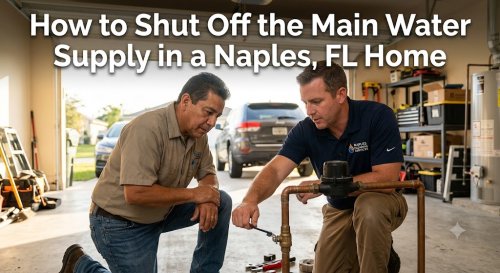
Test Your Main Shut-Off: Ensure your primary water valve turns smoothly so you can stop water flow during an emergency.
-
Inspect Outdoor Cleanouts: Keep sewer cleanout caps securely closed and visible above ground level.
-
Avoid Chemical Cleaners: Use mechanical snakes or biological enzyme treatments instead of harsh chemical openers.
-
Monitor Slow Fixtures: Address single sluggish drains promptly before they turn into whole-house main line clogs.
-
Keep Emergency Numbers Handy: Save trusted local plumber contacts for rapid response.
-
Run Enzyme Treatments: Use monthly bio-enzymatic drain cleaners to digest organic grease and soap buildup naturally.
-
Educate Family Members: Ensure everyone in the household understands what cannot be flushed down toilets.
-
Check Washing Machine Lint Traps: Prevent lint buildup from entering drain lines by maintaining washing machine discharge filters.
-
Schedule Professional Inspections: Have a licensed Naples plumber evaluate your main sewer line biennially.
When Should You Call an Emergency Plumber?
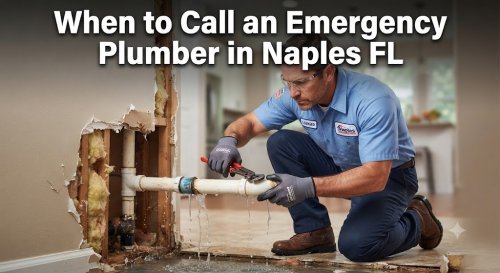
Certain drainage scenarios require immediate, round-the-clock emergency intervention:
-
Whole-House Backup: When multiple drains across your home back up simultaneously with wastewater.
-
Sewage Overflow: When raw sewage begins spilling out of floor drains, tubs, or toilets into living spaces.
-
Total Loss of Drainage: When no water in the entire house will drain out.
-
Foul Sewage Odors Indoors: When persistent, strong sulfur smells permeate living areas without a clear source.
-
Commercial Property Backups: When business facilities experience multiple drain failures threatening customers and operations.
Frequently Asked Questions
Why is my water pressure suddenly low?
Sudden low pressure is typically caused by a failing pressure-reducing valve, a major hidden leak, or mineral scale buildup clogging fixture aerators.
How much does leak detection cost?
Leak detection costs vary based on the diagnostic technology required, property size, and the accessibility of the hidden pipe or leak location.
Can a clogged drain damage pipes?
Yes. Severe clogs create excessive internal hydrostatic pressure, strain pipe joints, and can cause older pipes to crack or separate over time.
Is hydro jetting safe for old pipes?
Hydro jetting is highly effective, but an experienced plumber must first inspect your pipes with a camera to ensure the material is structurally sound enough to withstand high-pressure water streams.
How do I know if my sewer line is broken?
Signs of a broken sewer line include multiple slow drains throughout the house, gurgling toilet bowls, foul sewage odors in the yard, and unexplained lush patches of grass.
How long do water heaters last?
Traditional tank water heaters typically last between 8 to 12 years, while tankless units can last 20 years or more with proper annual maintenance.
Why does my faucet drip?
Faucets usually drip because internal rubber washers, O-rings, or ceramic cartridges have worn out due to normal friction and hard water exposure.
What causes pipes to burst?
Pipes most commonly burst due to freezing temperatures, excessive internal water pressure, severe corrosion, or physical impact.
Can plumbing leaks increase my water bill?
Absolutely. Even a small pinhole leak running continuously can waste thousands of gallons of water per month, driving up your utility bills significantly.
When should I replace plumbing instead of repairing it?
If your home features outdated piping materials, experiences recurring pinhole leaks in multiple locations, or has severely corroded lines, a complete repipe is far more cost-effective than endless spot repairs.
Why Choose Incas Plumbing
When you need dependable plumbing diagnostics and emergency repair services in Naples, Florida, partnering with the right team makes all the difference. At Incas Plumbing, we are committed to excellence:
-
Experienced Licensed Plumbers: Highly trained professionals equipped to handle complex residential and commercial plumbing challenges.
-
Honest Recommendations: We provide straightforward, transparent advice tailored to what your property genuinely needs.
-
Upfront Estimates: No hidden fees, surprise charges, or confusing pricing structures.
-
Fast Response Times: Prompt dispatch to secure your property and minimize water damage.
-
Emergency Availability: Ready to assist when urgent plumbing failures strike your home or business.
-
Quality Workmanship: Precision repairs executed using top-tier materials and industry best practices.
-
Modern Equipment: Utilizing state-of-the-art diagnostic, testing, and repair systems.
-
Local Expertise: Deep familiarity with Naples building codes, climate conditions, and regional plumbing infrastructure.
Contact Incas Plumbing Today
Don't let multiple drain backups or main sewer line failures disrupt your home or business. Reach out to our local team at Incas Plumbing, located on Dale Ave, Naples, FL, or call us anytime at (844) 973-0400 to schedule your professional plumbing inspection and repair service.