High Water Bill: Could You Have a Plumbing Leak?
A high water bill may indicate a hidden plumbing leak. Learn causes, warning signs, leak detection methods, repair options, and prevention tips.
High Water Bill: Could You Have a Plumbing Leak?
A sudden increase in your water bill can be frustrating, especially when your daily water usage has not changed. Many homeowners assume higher charges are caused by rate increases or seasonal usage, but an unexplained spike in your bill may be a sign of a hidden plumbing leak.
A small leak inside your plumbing system can waste hundreds or even thousands of gallons of water without creating an obvious puddle. Leaks behind walls, under floors, inside ceilings, or underground can continue unnoticed until they cause serious damage.
If you are searching for answers to “Why is my water bill suddenly so high?”, a plumbing inspection may help identify whether a hidden leak is responsible.
Incas Plumbing helps homeowners detect plumbing issues, understand repair options, and prevent costly water damage through professional leak detection and plumbing services.
What Does a High Water Bill Mean?
A high water bill means your property is using more water than normal or water is being lost somewhere in your plumbing system.
Unexpected water usage can happen because of:
- Hidden pipe leaks
- Running toilets
- Leaking faucets
- Water heater leaks
- Damaged supply lines
- Irrigation system problems
- Sewer or underground water line issues
For example, a toilet with a worn-out flapper valve may continuously run without making a loud noise. Over time, this small issue can significantly increase your monthly water usage.
Why Does a Plumbing Leak Cause a High Water Bill?
A plumbing leak allows water to escape continuously, even when you are not actively using water fixtures.
Common examples include:
Hidden Pipe Leaks
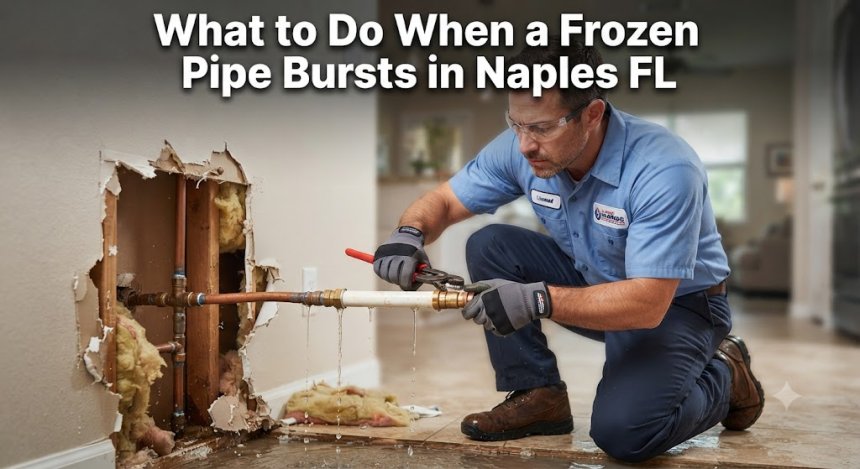
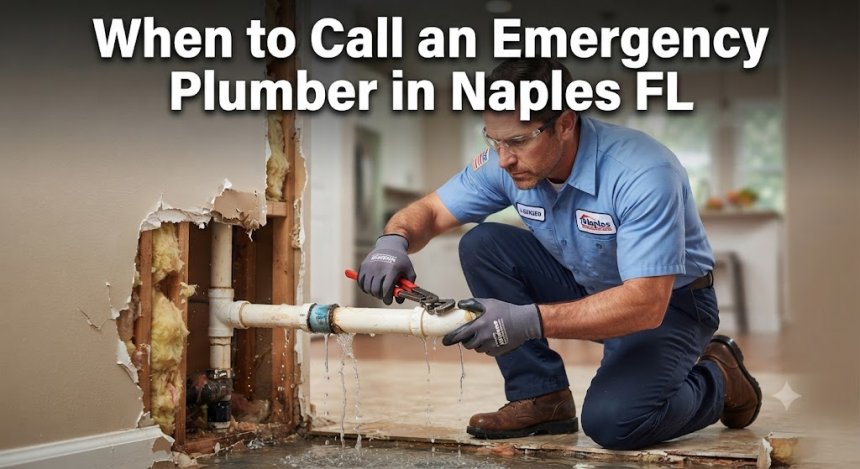
Pipes located behind walls, under floors, or inside ceilings can develop small cracks or loose connections.
These leaks may:
- Increase water usage
- Damage building materials
- Create mold problems
- Reduce plumbing efficiency
Running Toilets
A running toilet is one of the most common causes of wasted water.
Possible causes include:
- Damaged flapper valve
- Faulty fill valve
- Incorrect water level
- Worn internal components
Dripping Faucets
A faucet that constantly drips may seem minor, but continuous dripping can waste a surprising amount of water over time.
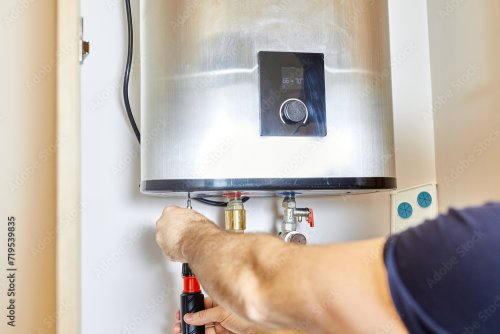
Leaking Water Heaters
Water heater leaks can occur around:
- Connections
- Valves
- Tanks
- Supply lines
A leaking tank may require replacement if internal corrosion has occurred.
Underground Water Line Leaks
The main water supply line between your home and the municipal connection can develop leaks underground.
Warning signs include:
- Wet areas in the yard
- Reduced water pressure
- Unexplained water usage
- Foundation moisture
Why Does This Plumbing Problem Happen?
Several factors can contribute to plumbing leaks and higher water bills.
Aging Pipes
Older pipes become weaker due to:
- Corrosion
- Mineral buildup
- Wear and tear
- Repeated pressure changes
Aging plumbing systems are more likely to develop leaks.
Hard Water Damage
Hard water contains minerals that can build up inside plumbing systems.
Over time, mineral deposits may:
- Restrict water flow
- Damage fixtures
- Increase pipe deterioration
High Water Pressure
Excessive pressure places stress on pipes, joints, and fixtures.
High pressure can lead to:
- Leaking connections
- Burst pipes
- Fixture failures
Poor Installation
Incorrectly installed pipes or fixtures may fail prematurely.
Common problems include:
- Loose fittings
- Improper sealing
- Incorrect materials
Lack of Plumbing Maintenance
Small problems often become expensive repairs when ignored.
Regular inspections can identify leaks before major damage occurs.
Signs You May Have a Hidden Plumbing Leak
A high water bill is often only one warning sign.
Unexpected Increase in Water Costs
If your usage habits have not changed but your bill increases, investigate possible leaks.
Water Meter Changes
Turn off all water fixtures and check your meter. If it continues moving, water may be escaping somewhere.
Damp Walls or Ceilings
Moist spots, stains, bubbling paint, or peeling surfaces may indicate hidden leaks.
Musty Odors
Persistent damp smells often suggest moisture buildup behind walls or under flooring.
Mold Growth
Mold and mildew may develop where leaks create ongoing moisture.
Low Water Pressure
A leaking pipe can reduce available water pressure.
Sounds of Running Water
Hearing water movement when all fixtures are turned off may indicate a leak.
Warm Spots on Floors
Warm areas may indicate a hot water line leak beneath a slab foundation.
Common Plumbing Problems Related to High Water Bills
A high water bill may be connected to several plumbing issues.
Toilet Leaks
Toilets can waste large amounts of water due to internal component failures.
Faucet and Fixture Leaks
Damaged seals and worn parts allow continuous water loss.
Pipe Leaks
Cracked or damaged pipes increase water consumption and may cause property damage.
Water Heater Problems
Leaks and inefficient operation can increase water usage.
Sewer and Underground Line Issues
Damaged underground pipes may waste water and require professional repair.
Step-by-Step Professional Leak Detection and Repair Process
A professional plumber uses a systematic approach to identify and fix leaks.
Step 1: Plumbing Inspection
The plumber evaluates:
- Water usage patterns
- Visible plumbing fixtures
- Pipe conditions
- Previous repair history
Step 2: Leak Detection Testing
Professional equipment may include:
- Moisture detection tools
- Thermal imaging cameras
- Acoustic listening devices
- Pressure testing equipment
Step 3: Identify the Leak Source
The plumber determines whether the problem involves:
- Fixtures
- Pipes
- Water heaters
- Underground lines
Step 4: Explain Repair Options
The plumber discusses the best repair approach based on the severity of the issue.
Step 5: Complete Repairs
Possible solutions include:
- Fixture repair
- Pipe replacement
- Valve repair
- Water line repair
Step 6: Test the System
The plumbing system is checked to confirm the leak has been resolved.
Step 7: Provide Prevention Advice
Maintenance recommendations help prevent future leaks.
Can You Find a Plumbing Leak Yourself?
Homeowners can perform basic checks, including:
- Checking faucets and toilets
- Monitoring the water meter
- Looking under sinks
- Inspecting visible pipes
- Checking for damp areas
However, hidden leaks often require professional equipment.
Avoid opening walls, floors, or ceilings without proper diagnosis because unnecessary damage may increase repair costs.
Tools Professionals Use for Leak Detection
Thermal Imaging Cameras
Detect temperature changes caused by hidden water leaks.
Acoustic Leak Detection Equipment
Identifies the sound of water escaping from pipes.
Moisture Meters
Measure moisture levels behind surfaces.
Pressure Testing Equipment
Helps determine whether pipes are losing pressure.
Pipe Inspection Cameras
Allow plumbers to inspect difficult-to-access plumbing areas.
How Long Does Leak Detection and Repair Take?
The timeline depends on the location and severity of the leak.
Simple Fixture Repairs
A leaking faucet or toilet component may be repaired quickly.
Hidden Pipe Leaks
Leaks behind walls or ceilings may require additional work.
Underground Water Line Repairs
These may take longer due to excavation or specialized repair methods.
Factors affecting repair time include:
- Leak location
- Accessibility
- Required materials
- Damage level
Cost Factors for Plumbing Leak Repair
Plumbing leak repair costs vary depending on several factors.
Important considerations include:
Leak Location
Visible leaks are usually easier to access than hidden leaks.
Repair Complexity
Replacing a small fixture component differs from repairing underground pipes.
Materials Required
Pipe type and replacement parts affect overall costs.
Labor Requirements
Complex repairs require more time and expertise.
Water Damage Restoration
Additional repairs may be needed if leaks have damaged walls, flooring, or insulation.
Plumbing repair costs vary depending on the severity of the problem, accessibility, materials required, emergency service, property type, and local labor rates.
A professional plumber can provide a more accurate estimate after inspection.
Hidden Truths Homeowners Should Know About High Water Bills
- A high water bill is often the first sign of a hidden leak.
- Small leaks can waste large amounts of water.
- Ignoring leaks can lead to structural damage.
- Mold can develop in hidden damp areas.
- Running toilets are common water wasters.
- Cheap temporary fixes may not solve the real problem.
- Old pipes are more likely to leak.
- Regular inspections can prevent expensive repairs.
- Water damage repairs may cost more than plumbing repairs.
- Early leak detection saves water and money.
15 Common Mistakes Homeowners Make
1. Ignoring Higher Water Bills
Unexpected increases should be investigated.
2. Delaying Leak Repairs
Small leaks often become larger problems.
3. Ignoring Running Toilets
Toilet leaks can waste significant water.
4. Overlooking Dripping Faucets
Small drips add up over time.
5. Using Temporary Fixes Only
Temporary solutions may hide larger issues.
6. Skipping Plumbing Inspections
Hidden leaks remain unnoticed.
7. Ignoring Water Pressure Problems
Pressure issues can damage pipes.
8. Attempting Complex DIY Repairs
Incorrect repairs can increase costs.
9. Ignoring Mold Signs
Mold may indicate hidden moisture.
10. Not Checking Outdoor Plumbing
Irrigation leaks can increase bills.
11. Avoiding Professional Leak Detection
Hidden problems require proper equipment.
12. Ignoring Aging Pipes
Older plumbing needs monitoring.
13. Using Incorrect Replacement Parts
Wrong parts may fail quickly.
14. Covering Water Damage Without Repairs
The underlying leak may continue.
15. Waiting Until Emergency Failure
Early action prevents major damage.
Maintenance Tips to Prevent Plumbing Leaks
- Check water bills monthly
- Inspect visible pipes regularly
- Repair dripping faucets
- Replace worn toilet components
- Monitor water pressure
- Insulate pipes during cold weather
- Schedule plumbing inspections
- Check water heater connections
- Inspect outdoor plumbing systems
- Watch for mold growth
- Maintain appliances connected to water
- Avoid excessive chemical drain cleaners
- Know your main shutoff valve location
- Replace old plumbing fixtures
- Address small leaks immediately
When Should You Call an Emergency Plumber?
Contact an emergency plumber if you notice:
- Major water leaks
- Burst pipes
- Flooding
- Water leaking near electrical systems
- Broken water heaters
- Underground water line failures
- Severe property damage
Quick professional assistance can help reduce damage and repair costs.
People Also Ask
Why is my water bill suddenly so high?
A sudden increase may be caused by hidden leaks, running toilets, leaking fixtures, or irrigation problems.
Can a small leak increase my water bill?
Yes. Even small leaks can waste significant amounts of water over time.
How do plumbers find hidden leaks?
Professionals use tools such as thermal cameras, acoustic equipment, and pressure testing.
How do I check if my home has a water leak?
Monitor your water meter, inspect fixtures, and look for moisture signs.
Can a running toilet cause a high water bill?
Yes. A constantly running toilet can waste hundreds of gallons of water.
Are hidden leaks dangerous?
Yes. They can cause mold growth, structural damage, and higher utility costs.
How much does leak detection cost?
Costs vary depending on the location, equipment required, and complexity of the problem.
Can I repair a hidden leak myself?
Minor visible repairs may be possible, but hidden leaks usually require professional service.
Why do pipes leak inside walls?
Common causes include corrosion, aging, pressure issues, and damaged connections.
When should plumbing pipes be replaced?
Replacement may be needed when pipes are old, severely damaged, or repeatedly leaking.
Why Choose Incas Plumbing?
Finding the source of a high water bill requires accurate diagnosis and professional experience.
Incas Plumbing helps homeowners identify plumbing leaks and provides reliable solutions with:
- Professional leak detection
- Experienced plumbing service
- Honest recommendations
- Quality repair work
- Modern diagnostic equipment
- Customer-focused solutions
Whether you have a hidden leak, rising water costs, or plumbing concerns, professional inspection can help protect your property.