Hard Water Plumbing Problems and Solutions
Learn how hard water affects plumbing, causes mineral buildup, damages fixtures and water heaters, and discover effective plumbing solutions.
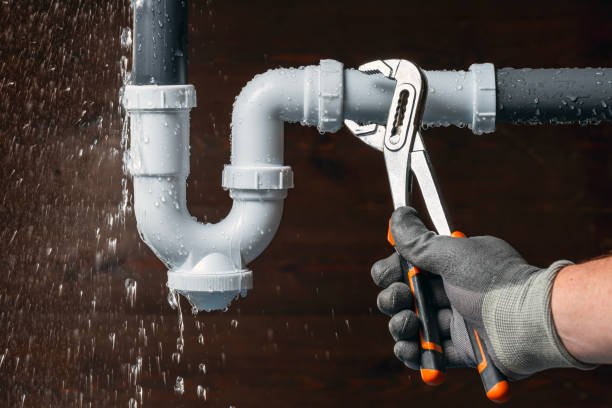
Hard Water: Plumbing Problems and Solutions
Hard water is one of the most common water quality issues affecting homes across the United States. While hard water is generally safe for drinking and daily use, the minerals inside it can create long-term plumbing problems if left untreated.
Many homeowners do not notice hard water damage immediately. Instead, problems develop slowly over time. White deposits appear around faucets, water pressure decreases, water heaters lose efficiency, and plumbing fixtures require frequent repairs.
The minerals responsible for hard water problems are mainly calcium and magnesium. As water travels through pipes and plumbing equipment, these minerals can collect on internal surfaces and create buildup.
Understanding hard water plumbing problems and solutions helps homeowners protect their plumbing systems, reduce repair costs, and improve the efficiency of their water appliances.
Incas Plumbing provides professional plumbing inspections, repairs, and solutions to help homeowners identify water-related plumbing issues and maintain reliable plumbing systems.
What Is Hard Water?
Hard water is water that contains a high concentration of dissolved minerals, mainly calcium and magnesium.
When groundwater passes through rocks and soil, it naturally collects minerals. These minerals remain in the water supply and enter homes through plumbing systems.
Hard water is not usually dangerous, but it can affect:
- Pipes
- Faucets
- Showerheads
- Water heaters
- Washing machines
- Dishwashers
- Plumbing valves
Common Signs of Hard Water
Homeowners may notice:
- White spots on dishes and glassware
- Soap that does not create enough foam
- Dry skin after bathing
- Mineral deposits around fixtures
- Stains on sinks and tubs
- Reduced water flow
These signs indicate that minerals are accumulating and may eventually affect plumbing performance.
Why Does Hard Water Cause Plumbing Problems?
Hard water creates plumbing problems because minerals slowly build up inside plumbing components.
Over time, mineral deposits can:
- Restrict water flow
- Reduce fixture performance
- Damage plumbing parts
- Lower appliance efficiency
- Increase maintenance requirements
The longer hard water affects a plumbing system, the greater the chance of costly repairs.
Common Plumbing Problems Caused by Hard Water
Mineral Buildup Inside Pipes
One of the biggest problems caused by hard water is mineral accumulation inside pipes.
As calcium and magnesium deposits collect along pipe walls, the inside diameter of the pipe becomes smaller.
This restriction can cause:
- Reduced water pressure
- Slower water flow
- Increased strain on plumbing components
Older homes with aging pipes are often more vulnerable because years of buildup can significantly affect water movement.
Low Water Pressure
Hard water minerals can block small openings inside:
- Faucets
- Showerheads
- Valves
- Pipes
Homeowners may notice:
- Weak showers
- Slow faucets
- Poor appliance performance
A plumber can determine whether mineral buildup or another plumbing issue is responsible for reduced pressure.
Faucet and Fixture Damage
Hard water often leaves white, chalky deposits around fixtures.
Over time, mineral buildup can damage:
- Faucet aerators
- Valve components
- Seals
- Shower fixtures
This can lead to:
- Leaks
- Reduced water flow
- Frequent repairs
Water Heater Problems
Water heaters are especially affected by hard water because minerals settle at the bottom of the tank.
Sediment buildup can create:
- Reduced heating efficiency
- Longer heating times
- Higher energy usage
- Popping or rumbling noises
- Shorter equipment lifespan
Regular water heater maintenance can help reduce mineral-related problems.
Appliance Damage
Hard water affects appliances that use water, including:
- Dishwashers
- Washing machines
- Coffee makers
- Water filtration systems
Mineral deposits can reduce efficiency and shorten appliance life.
Soap Scum and Cleaning Problems
Hard water reacts with soap and creates a sticky residue called soap scum.
This buildup can affect:
- Bathroom surfaces
- Shower doors
- Bathtubs
- Drains
Homeowners often spend more time cleaning because minerals continue to accumulate.
Signs Hard Water Is Affecting Your Plumbing
Recognizing warning signs early can help prevent expensive repairs.
White Mineral Deposits Around Fixtures
White crust around faucets, showerheads, and sinks is a common sign of hard water.
These deposits indicate minerals are collecting on plumbing surfaces.
Reduced Water Pressure
If water pressure gradually decreases, mineral buildup may be restricting water flow.
Frequent Faucet Repairs
Repeated fixture problems may indicate mineral damage affecting internal components.
Strange Water Heater Noises
Popping, cracking, or rumbling sounds may indicate sediment buildup inside the tank.
Higher Energy Bills
A water heater affected by mineral buildup must work harder to heat water, increasing energy consumption.
Shorter Fixture Lifespan
Hard water can cause plumbing fixtures to wear out faster than expected.
Step-by-Step Professional Hard Water Plumbing Inspection
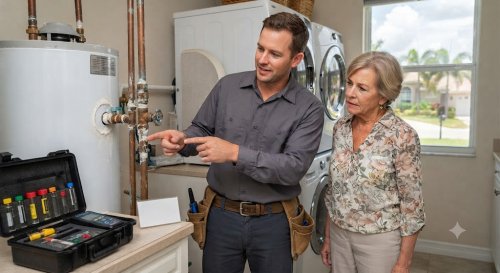
A professional plumber evaluates the entire plumbing system to determine the effects of hard water.
Step 1: Plumbing System Inspection
The plumber examines:
- Faucets
- Pipes
- Water heaters
- Fixtures
- Water pressure levels
The goal is to identify areas affected by mineral buildup.
Step 2: Water Quality Testing
Water testing helps determine:
- Mineral levels
- Water hardness
- Potential treatment options
Understanding water quality helps homeowners choose appropriate solutions.
Step 3: Identify Plumbing Damage
The plumber checks for:
- Pipe restrictions
- Fixture damage
- Water heater sediment
- Corrosion issues
Step 4: Recommend Solutions
Depending on the condition of the plumbing system, solutions may include:
- Fixture cleaning
- Component replacement
- Water heater maintenance
- Plumbing repairs
- Water treatment options
Step 5: Complete Repairs
Professional repairs may include:
- Faucet replacement
- Valve repair
- Pipe repairs
- Water heater flushing
Step 6: Test the Plumbing System
After service, the plumber checks:
- Water pressure
- Fixture performance
- Water heater operation
- Overall system function
Can You Fix Hard Water Plumbing Problems Yourself?
Homeowners can handle some basic maintenance tasks.
Safe DIY Solutions
You can:
- Clean faucet aerators
- Remove mineral deposits from showerheads
- Clean visible fixture buildup
- Monitor water heater performance
These steps may help with minor surface issues.
When Professional Plumbing Help Is Needed
Professional service is recommended when you experience:
- Persistent low water pressure
- Water heater problems
- Frequent fixture failures
- Pipe restrictions
- Repeated mineral buildup
Severe buildup inside pipes or plumbing equipment usually requires professional tools and experience.
Tools Professionals Use for Hard Water Problems
Water Testing Equipment
Used to measure mineral levels and determine water hardness.
Pipe Inspection Cameras
Allow plumbers to inspect pipe conditions and identify internal buildup.
Pressure Testing Equipment
Helps determine whether mineral deposits are affecting water flow.
Water Heater Flushing Equipment
Used to remove sediment buildup and improve water heater performance.
Specialized Cleaning Tools
Professional tools help remove mineral deposits safely without damaging plumbing components.
How Long Does Hard Water Plumbing Repair Take?
Repair time depends on the severity of the problem.
Minor Fixture Repairs
Examples:
- Cleaning faucet aerators
- Replacing showerheads
- Removing visible buildup
These repairs are usually completed quickly.
Water Heater Maintenance
Water heater flushing and servicing depend on:
- Tank condition
- Sediment level
- System age
Pipe Repair and Replacement
Severe mineral buildup may require:
- Pipe cleaning
- Partial replacement
- Complete plumbing updates
The timeline depends on accessibility and the extent of damage.
Cost Factors for Hard Water Plumbing Solutions
Hard water repair costs vary depending on the specific problem and solution required.
Important cost factors include:
Type of Plumbing Problem
A faucet repair costs differently than pipe replacement.
Damage Severity
Minor buildup requires less work than major plumbing damage.
Materials Required
Pipe type, fixtures, and replacement parts affect costs.
Accessibility
Hard-to-reach plumbing areas may require additional labor.
Repair vs Replacement
Some damaged components may be repaired, while older systems may require replacement.
Plumbing repair costs vary depending on the severity of the problem, accessibility, materials required, emergency service, property type, and local labor rates.
A professional plumber can provide a more accurate estimate after inspection.
Hidden Truths Homeowners Should Know About Hard Water
- Hard water damage develops slowly over time.
- Mineral buildup can reduce plumbing efficiency.
- Water heaters are highly affected by hard water.
- Ignoring buildup increases repair costs.
- Cleaning visible deposits does not always solve internal problems.
- Older pipes are more vulnerable to mineral damage.
- Hard water can shorten fixture lifespan.
- Preventive maintenance is less expensive than emergency repairs.
- Water treatment solutions should match your home's needs.
- Professional inspections help identify hidden problems.
15 Common Mistakes Homeowners Make With Hard Water
1. Ignoring Mineral Deposits
Visible buildup may indicate larger plumbing issues.
2. Skipping Water Heater Maintenance
Sediment buildup reduces efficiency.
3. Ignoring Low Water Pressure
Pressure loss may indicate pipe restrictions.
4. Using Incorrect Cleaning Products
Some chemicals can damage fixtures.
5. Delaying Fixture Repairs
Mineral damage worsens over time.
6. Avoiding Water Testing
Knowing water hardness helps select solutions.
7. Ignoring Water Heater Noises
Sounds may indicate sediment buildup.
8. Skipping Plumbing Inspections
Hidden problems may remain unnoticed.
9. Choosing the Wrong Water Treatment System
Solutions should match household requirements.
10. Ignoring Aging Pipes
Older plumbing requires regular evaluation.
11. Cleaning Only Visible Areas
Internal buildup may continue.
12. Using Harsh Chemicals
Incorrect products may damage plumbing components.
13. Waiting Until Appliances Fail
Maintenance prevents unnecessary replacements.
14. Ignoring Frequent Faucet Problems
Minerals may be damaging internal parts.
15. Avoiding Professional Advice
Expert evaluation prevents incorrect repairs.
Maintenance Tips to Reduce Hard Water Damage
- Clean faucet aerators regularly
- Remove showerhead mineral buildup
- Flush water heaters when recommended
- Monitor water pressure
- Schedule plumbing inspections
- Check fixtures for leaks
- Maintain appliances connected to water
- Test water hardness levels
- Replace damaged fixtures
- Monitor water heater performance
- Address low pressure quickly
- Inspect older plumbing systems
- Avoid harsh cleaning chemicals
- Consider water treatment options
- Repair plumbing issues early
When Should You Call an Emergency Plumber?
Hard water itself is usually not an emergency, but related plumbing problems may require immediate attention.
Call a plumber if you experience:
- Burst pipes
- Major water leaks
- Flooding
- Broken water heaters
- Severe loss of water pressure
- Significant plumbing damage
Quick professional assistance can help prevent further property damage.
People Also Ask
Is hard water bad for plumbing?
Yes. Hard water can cause mineral buildup, reduce water flow, and damage fixtures over time.
Can hard water clog pipes?
Yes. Mineral deposits can collect inside pipes and restrict water movement.
How does hard water affect water heaters?
Hard water creates sediment buildup that reduces efficiency and increases wear.
Can a water softener help prevent plumbing damage?
A properly selected water treatment system may help reduce mineral buildup.
Why do faucets get white buildup?
Calcium and magnesium deposits from hard water create white mineral residue.
Can hard water cause low water pressure?
Yes. Mineral buildup can restrict pipes and fixtures.
How often should I maintain my water heater?
Maintenance frequency depends on water quality, usage, and manufacturer recommendations.
Does hard water damage appliances?
Yes. Mineral buildup can reduce appliance efficiency and lifespan.
Should I replace pipes affected by hard water?
Replacement depends on pipe condition, age, and level of damage.
How can I reduce hard water problems?
Regular maintenance, water testing, and appropriate treatment solutions can help.
Why Choose Incas Plumbing?
Hard water problems require accurate evaluation and practical solutions.
Incas Plumbing helps homeowners protect their plumbing systems with:
- Professional plumbing inspections
- Experienced plumbing solutions
- Honest recommendations
- Quality repair services
- Modern diagnostic equipment
- Customer-focused support
Whether you need fixture repair, water heater maintenance, or help understanding hard water damage, professional plumbing assistance can protect your home.
Contact Incas Plumbing Today
Hard water problems can slowly damage your plumbing system if ignored. If you notice mineral buildup, low water pressure, water heater issues, or frequent fixture problems, contact Incas Plumbing for professional assistance.