How to Avoid Expensive Plumbing Emergencies During Winter
Learn how to prevent winter plumbing emergencies, protect pipes from freezing, reduce water damage risks, and keep your home plumbing safe.
Why Winter Plumbing Prevention Matters
Winter weather can create serious challenges for your home’s plumbing system. Freezing temperatures, ice buildup, and sudden temperature changes can put extra stress on pipes, fixtures, and water supply lines.
Many homeowners do not think about plumbing problems until a pipe bursts, a water heater stops working, or a frozen line causes flooding. Unfortunately, winter plumbing emergencies can result in expensive repairs, structural damage, and major inconvenience.
A small amount of preparation before cold weather arrives can help protect your home.
Understanding how to avoid expensive plumbing emergencies during winter allows homeowners to prevent common issues such as:
- Frozen pipes
- Burst water lines
- Water heater failures
- Sewer backups
- Leaking fixtures
- Flooding
At Incas Plumbing, we help homeowners maintain reliable plumbing systems throughout the year with professional inspections, repairs, and preventive maintenance.
What Are Winter Plumbing Emergencies?
Winter plumbing emergencies are problems caused or worsened by freezing temperatures and cold weather conditions.
Common winter plumbing issues include:
- Frozen pipes
- Burst pipes
- Frozen outdoor faucets
- Water heater problems
- Sewer line backups
- Drain blockages
These problems often happen because water expands when it freezes. This expansion creates pressure inside pipes, which can eventually cause cracks or complete pipe failure.
Why Do Plumbing Problems Increase During Winter?
Several factors contribute to winter plumbing emergencies.
1. Freezing Temperatures
When temperatures drop below freezing, water inside pipes can freeze and expand.
Pipes located in:
- Exterior walls
- Garages
- Crawl spaces
- Basements
- Attics
are more vulnerable.
2. Poor Pipe Insulation
Uninsulated pipes lose heat quickly during cold weather.
Without protection, pipes may freeze overnight when temperatures drop significantly.
3. Aging Plumbing Systems
Older pipes may already have:
- Corrosion
- Weak joints
- Small cracks
Cold temperatures can make these problems worse.
4. Outdoor Plumbing Exposure
Outdoor faucets, irrigation lines, and hose connections are common areas where freezing damage occurs.
5. Sudden Temperature Changes
Rapid changes from warm to freezing weather can stress plumbing materials and connections.
Signs Your Plumbing System May Have Winter Damage
Recognizing early warning signs can help prevent major repairs.
1. No Water Coming From Faucets
If a faucet suddenly has little or no water flow, a frozen pipe may be blocking the line.
2. Strange Pipe Sounds
Listen for:
- Banging
- Cracking sounds
- Whistling noises
These may indicate pressure problems or damaged pipes.
3. Water Leaks After a Freeze
A frozen pipe may not leak immediately.
When the ice melts, cracks can release water and cause flooding.
4. Low Water Pressure
Reduced pressure may indicate:
- Frozen sections
- Pipe damage
- Plumbing restrictions
5. Damp Areas or Water Stains
Moisture around walls, ceilings, or floors may indicate a hidden leak.
How to Prevent Frozen Pipes During Winter
1. Insulate Exposed Pipes
Pipe insulation helps maintain warmer temperatures around plumbing lines.
Focus on:
- Basement pipes
- Garage plumbing
- Crawl spaces
- Exterior walls
2. Disconnect Outdoor Hoses
Remove garden hoses before freezing weather arrives.
Leaving hoses connected can trap water inside outdoor plumbing lines.
3. Protect Outdoor Faucets
Use insulated covers or shut off exterior water supplies when possible.
4. Keep Interior Temperatures Consistent
Avoid allowing your home temperature to drop too low during winter.
Maintain steady indoor temperatures, especially during extreme cold.
5. Open Cabinet Doors
During freezing conditions, open cabinets under sinks to allow warm air around pipes.
This is especially helpful for plumbing located against exterior walls.
6. Let Faucets Drip During Extreme Cold
A small amount of running water can reduce freezing risk in vulnerable pipes.
How to Protect Your Water Heater During Winter
Cold weather can increase demand on water heaters.
Follow these tips:
- Check for leaks around the tank
- Insulate exposed hot water pipes
- Schedule maintenance before winter
- Check temperature settings
- Flush sediment when recommended
A struggling water heater may have difficulty keeping up during colder months.
Common Winter Plumbing Problems Homeowners Face
Frozen Pipes
Frozen pipes can block water flow and may burst when pressure increases.
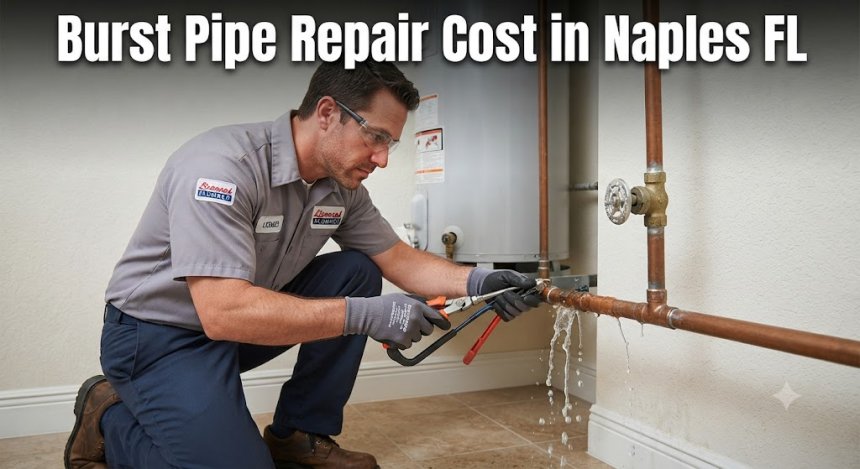
Burst Pipes
A burst pipe can quickly cause:
- Flooding
- Wall damage
- Mold growth
Sewer Backups
Winter conditions may worsen sewer issues caused by:
- Blockages
- Tree roots
- Damaged lines
Clogged Drains
Holiday cooking, grease buildup, and increased household activity can contribute to drain problems.
Water Heater Failure
Cold weather increases hot water demand, making water heater issues more noticeable.
What Should You Do If a Pipe Freezes?
If you suspect a frozen pipe:
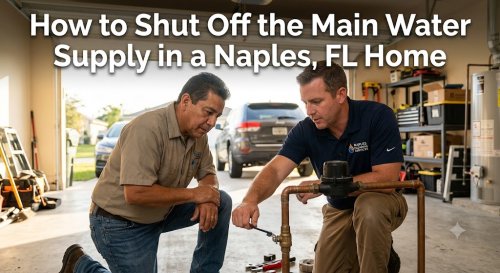
Step 1: Turn Off the Water Supply
Shutting off water can reduce damage if the pipe bursts.
Step 2: Open the Faucet
Opening the faucet can relieve pressure inside the pipe.
Step 3: Warm the Pipe Safely
Use safe heat sources such as:
- Warm towels
- A hair dryer
Avoid open flames.
Step 4: Call a Professional Plumber
If the pipe does not thaw or leaks appear, professional assistance is recommended.
Can You Prevent Winter Plumbing Problems Yourself?
Many preventive steps are safe for homeowners.
You can:
- Insulate exposed pipes
- Disconnect outdoor hoses
- Check for leaks
- Maintain indoor temperatures
- Locate your shutoff valve
However, professional help is recommended for:
- Repeated freezing problems
- Burst pipes
- Hidden leaks
- Damaged water lines
- Sewer problems
Tools Professionals Use for Winter Plumbing Repairs
Professional plumbers use specialized equipment, including:
Leak Detection Equipment
Helps locate hidden water leaks.
Pipe Inspection Cameras
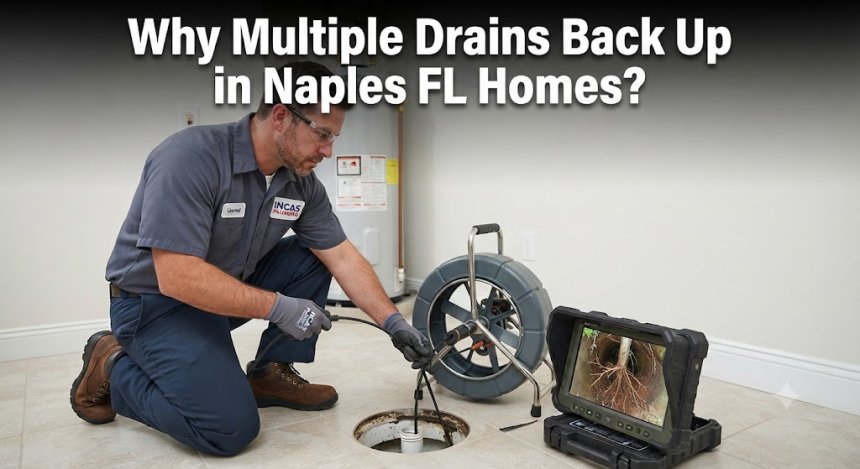
Allows inspection inside plumbing lines.
Pressure Testing Tools
Checks system performance.
Thermal Imaging Cameras
Helps identify temperature differences caused by frozen areas.
Pipe Repair Equipment
Used for safe restoration of damaged plumbing.
How Long Do Winter Plumbing Repairs Take?
Repair time depends on:
- Location of damage
- Severity of freezing
- Pipe accessibility
- Required repairs
Minor Repairs
Examples:
- Frozen faucet issues
- Small leaks
May require less time.
Moderate Repairs
Examples:
- Pipe section replacement
- Fixture repairs
Require additional labor.
Major Repairs
Examples:
- Burst pipes
- Extensive water damage
May take longer due to restoration needs.
Winter Plumbing Repair Cost Factors
The cost of winter plumbing repairs depends on:
- Damage severity
- Pipe location
- Materials needed
- Labor requirements
- Emergency service timing
- Water damage restoration needs
Plumbing repair costs vary depending on the severity of the problem, accessibility, materials required, emergency service, property type, and local labor rates.
Preventive maintenance is often much less expensive than emergency repairs.
Hidden Truths Homeowners Should Know About Winter Plumbing
- A frozen pipe can burst after temperatures rise.
- Small cracks can create major water damage.
- Emergency repairs during freezing weather may be more complicated.
- Ignoring minor leaks increases repair costs.
- Older plumbing systems require extra winter protection.
- Insurance may not cover all types of water damage.
- Proper insulation can prevent expensive repairs.
- Annual plumbing inspections help identify weak points.
15 Common Winter Plumbing Mistakes Homeowners Make
- Leaving garden hoses connected
- Ignoring pipe insulation
- Turning off heat during vacations
- Ignoring dripping faucets
- Forgetting outdoor faucet protection
- Using unsafe heating methods on frozen pipes
- Ignoring small leaks
- Not knowing the water shutoff location
- Skipping winter inspections
- Overloading drains during holidays
- Pouring grease into drains
- Ignoring water heater maintenance
- Delaying repairs after freezing weather
- Blocking airflow around plumbing areas
- Assuming new homes cannot have frozen pipes
Winter Plumbing Maintenance Checklist
- Inspect exposed pipes before winter.
- Add insulation where needed.
- Disconnect outdoor hoses.
- Protect exterior faucets.
- Check water heater operation.
- Locate your main shutoff valve.
- Repair leaks before freezing weather.
- Keep indoor temperatures stable.
- Open cabinet doors during cold snaps.
- Monitor water pressure.
- Check basement plumbing.
- Clean drains before winter.
- Schedule professional inspections.
- Protect pipes during vacations.
- Watch weather forecasts for extreme cold.
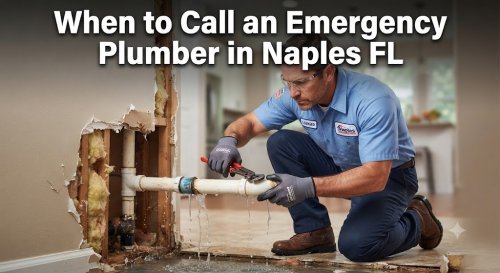
When Should You Call an Emergency Plumber During Winter?
Contact an emergency plumber if you experience:
- Burst pipes
- Major water leaks
- Flooding
- No water supply
- Frozen pipes that will not thaw
- Sewer backups
- Water heater failure during extreme cold
Quick professional response can reduce damage and protect your home.