How to Find a Hidden Water Leak in Naples, FL
Suspect a hidden water leak in your Naples, FL home? Discover warning signs, professional detection tools, and expert solutions from Incas Plumbing. Call (844) 973-0400.

How to Find a Hidden Water Leak in a Naples, FL Home: Expert Guide
Introduction
Discovering an unexpected surge in your monthly water bill without any change in your household habits is an unsettling experience. Even more alarming is hearing the faint sound of running water behind a wall when all faucets are completely closed. In Naples, FL, homeowners across neighborhoods from downtown near Dale Ave out toward Golden Gate and Marco Island frequently face hidden water leaks.
Subtropical humidity and unique soil conditions put extra stress on domestic plumbing networks. People search for guidance on locating hidden leaks because untreated moisture causes rapid structural decay and soaring utility expenses. Understanding how hidden leaks manifest, why they occur, and when to bring in professional help protects your property and saves you thousands of dollars.
What Is a Hidden Water Leak?
A hidden water leak is an undetected discharge of water from supply lines, drain pipes, or fixtures that occurs behind walls, beneath concrete slabs, or underground outside the home.
Common situations include pinhole leaks in copper supply lines running through drywall, cracked PVC drain branches under bathroom floors, or slab leaks beneath foundations. Symptoms include unexplained increases in water bills, warm spots on tile flooring, damp drywall, and the sound of running water when no taps are open. For instance, if you notice your water meter spinning continuously even though every faucet, shower, and appliance is turned off, you are dealing with a hidden water leak.
Why Does This Plumbing Problem Happen?
Hidden water leaks rarely occur without an underlying cause. They are typically driven by environmental wear, material aging, or mechanical stress:
-
Aging Pipes and Corrosion: Older copper and galvanized steel pipes develop internal or external corrosion over decades, leading to pinhole leaks.
-
Aggressive Tree Roots: In Naples, subtropical landscaping features aggressive root systems that can crack underground water lines, causing unseen subterranean leaks.
-
Hard Water Mineral Deposits: High mineral content in local water supplies leaves scale deposits inside pipes, accelerating chemical breakdown and wear.
-
High Water Pressure: Municipal water pressure exceeding safe thresholds strains pipe joints and fittings until they slowly begin to weep or rupture.
-
Improper Installation: Mismatched pipe fittings or poorly soldered joints installed during past renovations can fail years later under normal thermal expansion.
Signs You Should Never Ignore
When a water leak is hidden from plain view, your home still exhibits subtle symptoms that signal trouble. Watch out for these warning signs:
-
Unexplained High Water Bills: A sudden jump in your utility statement without increased water usage is the classic sign of a hidden leak.
-
Warm Spots on Floors: Hot water line leaks beneath concrete slabs make specific floor tiles noticeably warm to the touch.
-
Water Stains and Discoloration: Brown rings or yellow patches on walls or ceilings indicate water traveling from an overhead or interior pipe leak.
-
Damp or Peeling Walls: Moisture causing wallpaper to bubble or paint to peel points directly to a leaking pipe behind the drywall.
-
Mold and Mildew Growth: Persistent musty odors and fuzzy mold colonies flourish where hidden moisture continuously feeds them.
Common Plumbing Problems Related to This Issue
Ignoring a hidden water leak triggers a cascade of severe property damage and secondary plumbing failures:
-
Structural Wood Rot: Water soaking into framing studs and subflooring compromises the structural integrity of your home.
-
Foundation and Slab Damage: Constant water saturation beneath concrete foundations erodes soil support and causes shifting.
-
Electrical Hazards: Water migrating into electrical boxes or wall outlets creates severe short-circuit and fire hazards.
-
Fixture and Cabinet Destruction: Vanities and baseboards disintegrate when exposed to prolonged dampness.
Step-by-Step Professional Repair Process
When you hire a licensed plumbing expert from Incas Plumbing to locate and fix a hidden leak, you can expect a systematic, non-invasive approach:
-
Step 1: Inspection: The plumber reviews your water meter data and inspects all visible plumbing connection points.
-
Step 2: Diagnosis: Using advanced acoustic listening devices and thermal imaging cameras, the technician pinpoints the exact location of the leak behind walls or beneath floors.
-
Step 3: Estimate: You receive a clear, upfront explanation of the leak location and a transparent cost estimate before any repair work begins.
-
Step 4: Repair: The technician accesses the damaged pipe section with minimal disruption, replacing or repairing the faulty fitting or pipe segment.
-
Step 5: Testing: Pressure testing and meter checks are performed to ensure the system is completely watertight.
-
Step 6: Cleanup: The work area is meticulously cleaned, leaving your living space tidy.
-
Step 7: Maintenance Advice: The plumber provides tailored recommendations to prevent future plumbing failures.
Can You Fix It Yourself?
Homeowners can perform basic checks, but locating and repairing hidden leaks requires professional expertise.
-
Safe DIY Solutions: Performing the meter test—turning off all water and checking if the low-flow indicator dial is spinning—is a safe way to confirm a leak exists.
-
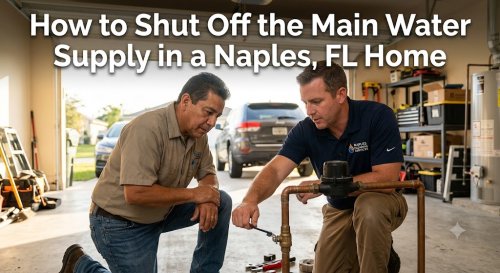
Temporary Fixes: Shutting off the main water supply valve during an active major leak prevents further flooding until help arrives.
-
When DIY Becomes Dangerous: Attempting to break through concrete slabs or cut into main drywall cavities without knowing where electrical lines or supply pipes run can cause electrocution or major structural flooding.
-
When Professional Help is Necessary: Any leak hidden behind walls, under concrete, or underground demands professional electronic detection equipment.
Tools Professionals Use
Professional plumbers rely on sophisticated technology to locate hidden leaks with absolute precision without tearing up your home:
-
Electronic Leak Detection Equipment: Acoustic listening devices amplify the sound of water hissing or escaping through tiny pipe fractures.
-
Thermal Imaging Cameras: Infrared cameras detect temperature variations behind walls caused by hidden hot or cold water leaks.
-
Pressure Testing Gauges: These tools isolate specific plumbing zones to verify where pressure loss occurs.
-
Drain Inspection Cameras: High-resolution waterproof cameras inspect the interior condition of hidden drainage lines.
-
Pipe Locators: Electromagnetic transmitters map the exact subterranean path of buried water lines.
How Long Does the Repair Usually Take?
The duration of a hidden leak detection and repair service depends on the complexity and location of the issue:
-
Leak Detection Phase: Locating a hidden leak using acoustic or thermal equipment typically takes 1 to 2 hours.
-
Simple Pipe Repairs: Fixing an accessible pinhole leak behind a vanity wall takes 1 to 2 hours.
-
Major Slab Leak Repairs: Rerouting a damaged water line or repairing a pipe beneath a concrete foundation takes 3 to 6 hours.
-
Emergency Interventions: Emergency responses follow a similar timeframe once the technician arrives on-site.
Cost Factors for Hidden Leak Repair in Naples, FL
While exact flat-rate pricing varies based on individual circumstances, several key factors influence the total cost of professional service:
-
Location of the Leak: Pinpointing and repairing a leak in an accessible wall is less intensive than addressing a slab leak beneath a concrete foundation.
-
Accessibility: Pipes buried deep underground or encased in thick concrete require specialized excavation or trenchless repair methods.
-
Diagnostic Complexity: Advanced electronic acoustic and thermal imaging require specialized technician training and equipment time.
-
Extent of Damage: Extensive pipe corrosion requiring whole-home repiping costs more than a localized pipe patch.
-
Emergency Service Calls: After-hours or holiday dispatches often include standard emergency dispatch fees.
-
Property Type: Commercial buildings feature complex multi-story supply networks that require specialized detection time compared to residential homes.
Note: Plumbing repair costs vary depending on the severity of the problem, accessibility, materials required, emergency service, property type, and local labor rates.
Hidden Truths Homeowners Should Know
Navigating hidden plumbing leaks involves understanding several practical realities that protect your property and finances:
-
Small Leaks Become Expensive Repairs: A pinhole leak leaking a few drops a minute will eventually rot framing and cost thousands.
-
Cheap Temporary Fixes Often Fail: Wrapping tape or rubber around a pressurized pipe leak only provides a temporary band-aid.
-
Insurance Realities: Homeowners insurance may cover sudden pipe bursts, but it frequently denies claims resulting from long-term neglected leaks.
-
Hard Water Toll: Minerals continuously wear down pipe walls from the inside out throughout your home.
-
DIY Escalation: Incorrectly attempting to patch a pressurized pipe can cause a catastrophic burst.
-
Hidden Utility Impact: Unresolved hidden leaks waste thousands of gallons and drastically inflate utility bills.
-
Rapid Mold Growth: Moisture from hidden leaks encourages harmful mold colonies within 24 to 48 hours.
-
Value of Prevention: Annual pressure testing and plumbing inspections save homeowners from devastating water damage.
15 Common Mistakes Homeowners Make
-
Ignoring High Water Bills: Dismissing a rising utility bill as a rate hike instead of investigating potential leaks.
-
Using Chemical Drain Cleaners: Pouring harsh acids down pipes that can degrade seals and gaskets.
-
Skipping Regular Water Meter Checks: Failing to periodically monitor the meter dial when water is not in use.
-
Ignoring Warm Floor Spots: Overlooking localized warm tiles that indicate a hot water slab leak.
-
Hiring Unlicensed Handymen: Choosing unverified contractors who lack proper leak detection training and insurance.
-
Skipping Routine Maintenance: Failing to schedule periodic professional plumbing inspections.
-
Waiting Until Emergencies Strike: Calling for help only when water begins pooling across flooring.
-
Using Wrong Pipe Materials: Mismatching PVC and metal pipes incorrectly during DIY repairs.
-
Over-Tightening Fittings: Cracking supply adapters by applying excessive wrench pressure.
-
Ignoring Minor Dampness: Overlooking small patches of moisture under sinks.
-
Flushing Prohibited Items: Disposing of items that create pressure surges in drainage networks.
-
Neglecting Outdoor Main Lines: Failing to check irrigation and main supply lines for subterranean leaks.
-
Overlooking Sound Cues: Ignoring the faint sound of running water behind walls.
-
Delaying Professional Diagnosis: Waiting weeks to investigate damp drywall or musty odors.
-
Masking Wall Stains: Painting over water stains without fixing the underlying pipe leak.
15–20 Practical Maintenance Tips
Keep your plumbing system secure and leak-free with these expert-backed maintenance guidelines:
-
Monitor Your Water Meter: Check your meter monthly when all taps are off to catch hidden leaks early.
-
Install a Pressure Reducing Valve: Keep household water pressure below 80 psi to prevent strain on pipe fittings.
-
Schedule Annual Inspections: Have a professional plumber pressure-test your supply lines every year.
-
Insulate Exposed Pipes: Protect vulnerable supply lines from extreme temperature fluctuations.
-
Know Your Shut-Off Valve: Ensure every adult in your home knows how to shut off the main water supply instantly.
-
Inspect Appliances Regularly: Check washing machine hoses and water heater connections for signs of weeping.
-
Use Professional Installers: Always hire licensed plumbers for water heater and fixture installations.
-
Watch for Yard Sinks: Investigate unexpected soggy patches or depressions in your lawn immediately.
-
Test Sump Pumps: Ensure basement or ground-level drainage systems operate correctly before storm season.
-
Avoid Chemical Cleaners: Opt for mechanical snaking or enzymatic cleaners instead of harsh acids.
-
Clear Drains Gently: Prevent backpressure that stresses pipe joints.
-
Check Toilet Flappers: Replace worn flappers annually to prevent silent toilet tank leaks.
-
Maintain Water Heaters: Flush sediment annually to prevent tank corrosion and premature leaks.
-
Inspect Under Sinks: Look for moisture or mineral deposits around shut-off valves twice a year.
-
Keep Cleanouts Accessible: Ensure outdoor sewer and water cleanouts remain unobstructed by landscaping.
When Should You Call an Emergency Plumber?
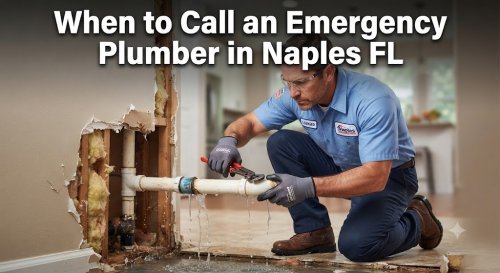
Certain hidden leak scenarios demand immediate professional intervention to prevent catastrophic property damage:
-
Sudden Major Pressure Drop: A drastic loss of water pressure accompanied by the sound of gushing water behind walls requires an immediate main shut-off.
-
Active Ceiling Collapse: Water pooling in sagging drywall ceilings indicates an imminent rupture of overhead supply lines.
-
Flooding from Unidentified Sources: Water bubbling up through flooring or slab joints calls for emergency dispatch.
-
Electrical Contact Risks: If leaking water comes into contact with light fixtures or breaker panels, shut off power and call a professional immediately.
Frequently Asked Questions
Why is my water pressure suddenly low?
Sudden low water pressure is often caused by a partially closed main shut-off valve, a clogged aerator on a specific faucet, a hidden water leak, or scale buildup in aging pipes.
How much does leak detection cost?
Leak detection costs vary based on whether the leak is visible or hidden behind walls or beneath concrete slabs, requiring specialized electronic acoustic and thermal imaging equipment.
Can a clogged drain damage pipes?
Yes. Severe clogs increase internal hydrostatic pressure and trap corrosive organic waste against pipe walls, leading to cracks, leaks, and joint failures.
Is hydro jetting safe for old pipes?
An experienced professional will perform a camera inspection first. If pipes are structurally sound, hydro jetting is safe and remarkably effective; however, severely damaged or collapsed pipes require repair before jetting.
How do I know if my sewer line is broken?
Frequent backups across multiple fixtures, foul sewage odors in the yard, soggy patches of lawn during dry weather, and sinkholes in your yard strongly indicate a broken sewer line.
How long do water heaters last?
Standard tank water heaters typically last between 8 to 12 years, while tankless water heaters can last 15 to 20 years with proper annual flushing.
Why does my faucet drip?
A dripping faucet is usually caused by a worn-out rubber washer, O-ring, or corroded valve seat inside the fixture handle.
What causes pipes to burst?
Pipes most commonly burst due to freezing temperatures expanding trapped water, extreme internal water pressure, or severe corrosion and material fatigue.
Can plumbing leaks increase my water bill?
Absolutely. Even a small hidden leak running continuously can waste thousands of gallons of water per month, drastically inflating your utility bills.
When should I replace plumbing instead of repairing it?
If your home features outdated polybutylene pipes, chronic corrosion, frequent pinhole leaks, or extensive root damage, replacement is far more cost-effective than endless spot repairs.
Why Choose Incas Plumbing
When hidden leaks threaten your property or plumbing emergencies arise, you need a partner you can trust. At Incas Plumbing, we are proud to serve Naples, FL, and surrounding communities with dedication and expertise.
-
Experienced Licensed Plumbers: Our skilled technicians bring years of hands-on experience to every job.
-
Honest Recommendations: We provide straightforward advice tailored to your home's actual needs without unnecessary upsells.
-
Upfront Estimates: Know the exact cost before work begins with our transparent pricing policy.
-
Fast Response Times: We arrive promptly to locate leaks and prevent major property damage.
-
Emergency Availability: Our team is ready to assist you when urgent plumbing failures occur.
-
Quality Workmanship: We stand behind our repairs, ensuring lasting results and peace of mind.
-
Modern Equipment: We utilize cutting-edge acoustic listening devices and thermal imaging tools for superior accuracy.
-
Local Expertise: Serving Dale Ave, Naples, and neighboring communities throughout Collier County, we understand local soil, water, and plumbing infrastructure inside and out.