Coastal Hard Water & Plumbing Corrosion in Naples, FL
Discover how Naples hard water and coastal air accelerate plumbing corrosion in copper and fixtures. Learn diagnostic steps and prevention strategies.


The Chemistry of Coastal Hard Water and Metal Degradation
In Southwest Florida, residential and commercial plumbing systems face an aggressive double threat: municipal and well water heavily saturated with dissolved calcium carbonate, combined with an ambient atmosphere laden with marine-derived sodium chloride. Understanding how these elements interact with your pipes is critical for preventing catastrophic failures.
Naples draws its water primarily from the surficial aquifer and shallow wells, which produce exceptionally hard water characterized by high levels of Total Dissolved Solids (TDS) and mineral hardness often exceeding 15 to 20 grains per gallon. When this mineral-rich water is heated inside a water heater or flows through pressurized distribution lines, calcium and magnesium precipitate out of the solution. This process forms a hard, crystalline scale inside pipes, water heater tanks, and valve assemblies.
Simultaneously, the exterior of exposed plumbing fixtures, lanai supply lines, and outdoor hose bibbs contend with airborne saline mist driven inland from the Gulf of Mexico. Salt acts as an electrolyte, drastically accelerating electrochemical oxidation on copper, brass, and unprotected steel components. The combination of internal mineral scaling and external marine corrosion creates a hostile environment that severely diminishes the service life of standard plumbing infrastructure.
The Mechanism of Accelerated Corrosion
Corrosion inside a Naples plumbing system is rarely a single chemical reaction; it is typically driven by galvanic activity, concentration cells, and water chemistry imbalances.
- Galvanic Action: When dissimilar metals are joined—such as copper pipes connected to steel water heater nipples or brass fittings without dielectric unions—an electrical current is established in the presence of conductive, mineralized water. The more reactive metal sacrifices itself rapidly, pitting and failing prematurely.
- Concentration Cells: Mineral scale deposits create localized disparities in oxygen concentration along the interior walls of copper pipes. Underneath dense scale deposits, oxygen levels drop compared to surrounding areas, forming differential aeration cells that trigger localized pitting corrosion and eventual pinhole leaks.
- Chloramine Aggression: Many regional municipal water systems utilize chloramines instead of free chlorine for disinfection. Chloramines can react aggressively with certain elastomer gaskets and accelerate dezincification in yellow-brass fittings, causing them to become brittle and porous.
| Corrosion Factor | Primary Source | Primary Target | Observable Failure Symptom |
|---|---|---|---|
| Mineral Scaling | Aquifer Calcium/Magnesium | Water heater elements, P-traps, fixture aerators | Reduced flow rate, element burnout, crusty white buildup |
| Galvanic Pitting | Dissimilar metal junctions | Water heater connections, valve inlets | Green verdigris buildup, weeping joints, sudden joint leaks |
| Saline Atmosphere | Gulf marine air & humidity | Outdoor fixtures, hose bibbs, attic pipe hangers | Flaking metal, powdery white or green surface oxidation |
Practical Diagnostic Steps for Property Owners
Identifying corrosion before it breaches a pipe wall requires systematic visual and mechanical inspections. Property managers and homeowners can execute several diagnostic checks:
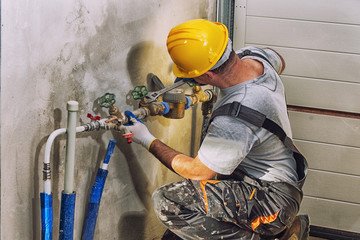
- Visual Fixture Inspection: Inspect angle stops beneath sinks, toilet supply lines, and water heater connections. Look for powdery white deposits (calcium) or blue-green crust (verdigris copper carbonate), which indicate active weeping or micro-seepage.
- Water Pressure Drop Evaluation: If flow rates diminish gradually across multiple fixtures simultaneously, mineral scale is likely constricting the internal diameter of supply lines or clogging aerators and cartridge mixing valves.
- Acoustic and Thermal Checks: In slab-on-grade homes, listen for the faint sound of running water when all fixtures are closed. Warm spots on tile floors can indicate a hot water line corroding and leaking beneath the concrete.
- Water Meter Dial Observation: Turn off all appliances and fixtures, then check the low-flow indicator triangle on your municipal water meter. Continuous movement confirms water is escaping the pressurized system due to a compromised line.
Note: If you suspect a pressurized leak beneath a concrete slab or behind finished drywall, stop DIY troubleshooting immediately and engage a professional equipped with electronic acoustic listening gear and thermal imaging cameras to prevent unnecessary structural damage.
Trade Insights and Common Misdiagnoses
Experienced field technicians in Southwest Florida frequently encounter systemic misdiagnoses regarding hard water and corrosion:
- The Patch Fallacy: Repairing an individual pinhole leak on an aging, scale-choked copper water line under a concrete slab often proves futile. High mineral content and aggressive water chemistry mean the entire pipe run has likely thinned uniformly; fixing one spot frequently shifts pressure and triggers a secondary leak inches away.
- Chemical Drain Cleaner Hazards: Homeowners often pour caustic chemical drain openers into slow-running, scale-restricted traps. In Florida's humid climate and tight bathrooms, these chemicals generate toxic fumes and can warp or melt PVC assemblies, while doing nothing to dissolve hard water mineral bridges.
- Neglected Softener Maintenance: Water softeners loaded with salt can still fail if resin beds foul due to high iron or sulfur levels, or if brine tanks bridge. An idle or malfunctioning softener exposes the entire home to untreated 20-grain hard water, accelerating interior appliance scale accumulation within days.
Repair, Replacement, and System Upgrades
When hard water corrosion compromises a plumbing system, evaluating repair versus full replacement requires analyzing structural accessibility, material compatibility, and future-proofing:
- Spot Repairs vs. Repiping: In homes constructed with aging under-slab copper, repeated pinholes usually warrant abandoning the sub-grade layout in favor of an overhead PEX-A distribution system routed through the attic. This eliminates future sub-slab risks and bypasses corrosive soil conditions.
- Water Treatment Integration: Any plumbing repair or repipe in Naples must include mitigating the root cause. Installing a high-capacity ion-exchange water softener paired with a whole-home carbon filtration system protects new pipes and fixtures from continuous mineral attack.
- Code-Compliant Upgrades: Modernizing supply lines under the Florida Building Code requires incorporating thermal expansion tanks on closed-loop water heating systems, installing accessible full-port ball valves, and utilizing proper dielectric unions to stop galvanic action at metal transitions.
Frequently Asked Questions
Can hard water alone cause copper pipes to burst without any other chemical factors?
Hard water alone creates mineral scale that generally narrows pipe interiors rather than instantly bursting them. However, when hard water combines with high velocity, low pH, or chloramines, it accelerates localized pitting and wall thinning. Over time, this mechanical weakening causes the pipe wall to fail under standard operating pressure, resulting in pinhole leaks.
How do I know if my water softener is actually stopping mineral corrosion?
You can verify your softener's efficacy by performing a hard water test strip analysis at a kitchen tap, ensuring total hardness reads below 1 grain per gallon. Additionally, inspect your water heater's anode rod annually; if the sacrificial anode is depleting normally while scale formation on heating elements ceases, the treatment system is functioning correctly.
Does exterior salt-air corrosion affect interior plumbing pipes?
Yes, particularly in coastal high-rises and beachfront single-family homes. Airborne marine salinity enters through exterior wall penetrations, attic vents, and open lanai areas. It settles on exposed copper pipe hangers, threaded fittings, and brass valves, causing severe external pitting and galvanic breakdown even if the water inside the pipe is treated.
Is it safe to use vinegar or acid flushes to clear scale from whole-home plumbing lines?
Circulating acidic solutions like inhibited vinegar or professional descaling chemicals is safe and effective for isolated tankless water heaters and heat exchangers when performed by a trained technician. However, attempting to chemically flush an entire home's internal supply network is impractical and risks dislodging large scale fragments that can permanently clog fixture cartridges and valves.
What is the typical lifespan of copper plumbing in Naples' coastal environment?
Standard copper supply lines in Naples typically last between 25 and 40 years, depending on water treatment habits, grounding integrity, and soil chemistry. In homes lacking water softeners or built directly over corrosive limestone fill without protective sleeving, localized pinhole leaks can manifest in as little as 10 to 15 years.