How Much Does Leak Detection Cost in Naples, FL?
Discover leak detection costs in Naples, FL. Learn what factors impact pricing, warning signs, and why professional detection saves money.
How Much Does Leak Detection Cost in Naples, FL?
Finding a damp patch on your drywall or watching your water bill mysteriously spike can trigger immediate anxiety for any property owner. Water damage is relentless, and when hidden leaks lurk behind walls, beneath concrete slabs, or underground in your yard, finding the exact source without tearing apart your home is a major priority. Homeowners and business owners in Naples, Florida frequently ask about leak detection pricing before calling a professional.
Understanding the financial investment involved helps you prepare for necessary repairs, protect your property from structural decay, and partner with qualified local experts. At Incas Plumbing, located right on Dale Ave in Naples, we believe in complete transparency. This comprehensive guide breaks down leak detection costs, warning signs, professional methods, and why acting quickly saves you thousands of dollars.
What Is Leak Detection?
Leak detection is the specialized process of locating hidden water, gas, or sewer leaks within a residential or commercial property without relying on destructive guesswork.
Definition and Common Situations
Unlike an obvious dripping faucet or a loose supply line under a sink, hidden leaks occur inside walls, beneath flooring, underground, or within commercial concrete foundations. Common scenarios include slab leaks beneath homes built on concrete foundations in Southwest Florida, pressurized supply line ruptures behind tiled bathroom walls, and underground irrigation or main water line failures.
Symptoms and Examples
You might notice warm spots on a tile floor, unexplained sounds of running water when all fixtures are turned off, sudden drops in water pressure, or warped baseboards. For example, if your water meter spins continuously even when every faucet, shower, and appliance in your Naples home is completely shut off, you almost certainly have a hidden leak requiring professional acoustic or thermal equipment to locate.
Why Does This Plumbing Problem Happen?
Water leaks do not happen by accident; they are usually the result of specific environmental factors, material fatigue, or installation issues over time.
Common Causes of Leaks in Naples
-
High Water Pressure: Excessive municipal water pressure stresses pipe joints, valves, and elbows, eventually causing pinhole leaks.
-
Aggressive Soil and Concrete Interaction: Homes built on concrete slabs in Naples face soil shifting and corrosive concrete conditions that wear down copper or galvanized pipes from the outside.
-
Hard Water Mineral Buildup: Hard water deposits scale inside pipes over years, creating localized chemical reactions and pinhole corrosion.
-
Aging Infrastructure: Older plumbing systems featuring outdated polybutylene or aging galvanized steel pipes naturally deteriorate.
-
Improper Installation: Rushed construction, poorly soldered copper joints, or incorrectly supported pipes often fail prematurely under daily thermal expansion and contraction.
-
Tree Root Intrusion: Aggressive tropical root systems in Florida frequently infiltrate underground water and sewer lines searching for moisture.
Signs You Should Never Ignore
Ignoring early indicators of a water leak transforms a minor, inexpensive repair into a massive structural emergency. Watch out for these critical warning signs:
-
Unexplained High Water Bills: If your utility bill spikes significantly with zero change in your household water consumption, water is escaping somewhere.
-
Warped Flooring or Soft Drywall: Buckling hardwood, bulging vinyl, peeling wallpaper, or soft, spongy drywall indicate trapped moisture.
-
Musty Odors and Mold Growth: Hidden moisture breeds mold within 24 to 48 hours, producing a persistent earth smell and potential health risks.
-
The Sound of Running Water: Hearing water flowing through pipes inside walls when nobody is using a fixture is a glaring red flag.
-
Warm Spots on Concrete Slabs: If a hot water line leaks beneath your floor, you will feel a distinct warm area on your tile or carpet.
-
Low Water Pressure: A compromised pipe loses pressure before water ever reaches your faucet.
Common Plumbing Problems Related to This Issue
Leak detection is often the first step in diagnosing a broader range of plumbing failures. Related issues include:
-
Slab Leaks: Water pipes running underneath concrete foundations that crack and erode the sub-base.
-
Burst Pipes: Sudden, catastrophic structural failures of frozen or severely corroded supply lines.
-
Sewer Line Cracks: Damaged sewer laterals causing slow drains, foul odors, and lawn sinkholes.
-
Water Heater Tank Failures: Corroded tanks leaking gallons of water into utility closets or garages.
-
Fixture and Valve Failures: Worn-out angle stops, toilet fill valves, and shower cartridges leaking behind finished walls.
Step-by-Step Professional Repair Process
When you contact Incas Plumbing for leak detection and subsequent repairs, our licensed technicians follow a rigorous, systematic workflow to ensure absolute precision.
Our Professional Service Workflow
Initial Consultation & History Review: We discuss your symptoms, utility bill history, and property layout.
Non-Invasive Inspection: We visually inspect fixtures, meter boxes, and accessible utility access points.
Advanced Electronic Detection: Using acoustic listening devices, thermal imaging cameras, and line locators, we pinpoint the exact leak location.
Detailed Diagnosis & Estimate: We present clear, upfront repair options and pricing before touching a wrench.
Precision Repair: We execute the repair using high-grade materials, whether it means spot-repairing a pipe or rerouting a compromised line.
System Testing: We re-pressurize the plumbing system and monitor meters to verify zero ongoing leakage.
Clean-Up & Maintenance Advice: We clean our work area completely and provide tailored prevention tips.
Can You Fix It Yourself?
While homeowners love DIY projects, leak detection and underlying pipe repairs are strictly matters for licensed professionals.
What Homeowners Can Safely Do
You can safely perform basic visual checks, monitor your water meter during periods of non-use, turn off your main property water shut-off valve in an emergency, and check visible sink connections or toilet flappers.
Why DIY Leak Location is Risky
Attempting to locate hidden leaks without professional tools usually results in unnecessary, destructive demolition. Tearing up expensive tile, cutting into drywall blindly, or guessing where a slab leak exists can cause thousands of dollars in property damage. Furthermore, improper pipe repairs made without understanding Florida building codes or pressure ratings frequently lead to secondary catastrophic failures.
Tools Professionals Use
Modern professional plumbing relies on sophisticated diagnostic technology to avoid guesswork. At Incas Plumbing, we utilize:
-
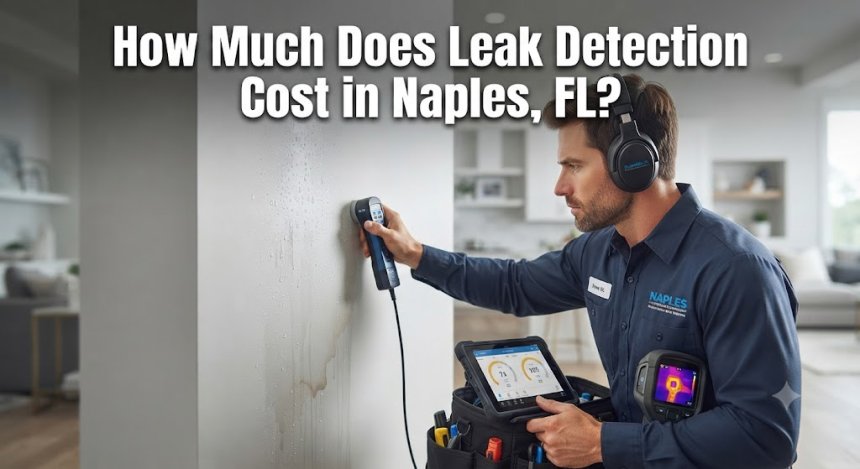
Electronic Acoustic Leak Detectors: Highly sensitive microphones that amplify the sound of water hissing or escaping through tiny pipe fractures under concrete or behind walls.
-
Thermal Imaging Infrared Cameras: High-tech cameras that detect temperature variations behind walls and beneath floors caused by leaking hot or cold water lines.
-
Line Locators and Transmitters: Sondes pushed through pipes to map exact underground pathways and burial depths from the surface.
-
Pressure Testing Gauges: Tools attached to plumbing manifolds to isolate specific zones and confirm whether a pressure drop exists.
-
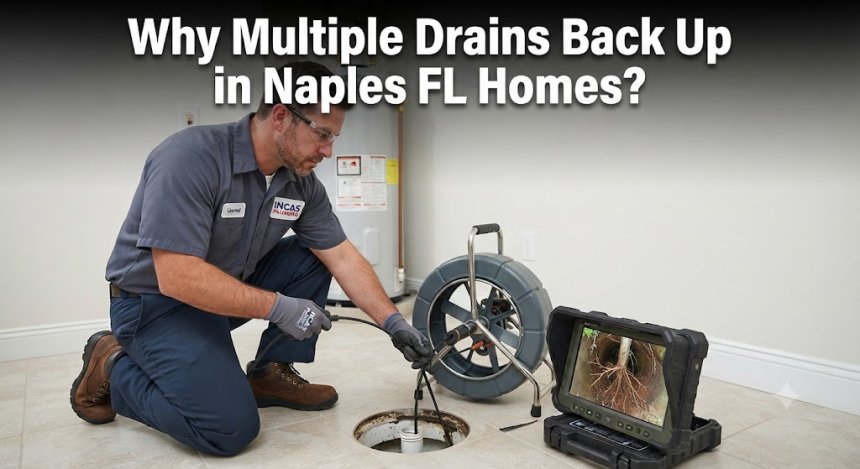
Drain Inspection Cameras: Waterproof fiber-optic cameras inserted into drain and sewer pipes to view internal cracks, roots, and blockages in real-time.
How Long Does the Repair Usually Take?
Repair timelines vary widely based on the nature of the issue:
-
Leak Detection Only: A standard residential leak detection diagnostic typically takes between 1 to 3 hours depending on property size and leak complexity.
-
Simple Pipe Repair: Fixing an accessible supply line leak under a sink or in an open utility room takes 1 to 2 hours.
-
Moderate Slab Leak Repair: Spot-repairing a concrete slab leak or rerouting an overhead water line takes 3 to 6 hours.
-
Major Main Line Replacement: Extensive underground repairs or trenchless sewer replacements can take 1 to 3 days.
Cost Factors
Professional plumbing costs vary depending on the severity of the problem, accessibility, materials required, emergency service, property type, and local labor rates. Because every property is unique, reputable plumbers provide diagnostic evaluations rather than generic flat rates over the phone.
What Determines Total Cost?
-
Diagnostic and Inspection Fees: The specialized time and technology required to locate hidden leaks accurately.
-
Location and Accessibility: Is the leak easily accessible in an open crawlspace, buried 4 feet deep in the yard, or buried deep beneath a post-tension concrete slab?
-
Materials and Pipe Type: Copper, PEX, cast iron, and PVC piping require different repair techniques and material costs.
-
Repair vs. Replacement: Spot repairs cost significantly less than complete repiping projects or major sewer line overhauls.
-
Emergency Scheduling: After-hours, weekend, or holiday emergency dispatch carries adjusted service rates.
-
Permits and Restorations: Municipal permits or surface restoration (such as drywall patching and tile replacement) may affect project scope.
Hidden Truths Homeowners Should Know
Expert Insight: Small, unnoticed water leaks rarely fix themselves. Left unattended, a pinhole leak wasting a few gallons an hour morphs into mold infestation, structural wood rot, foundation shifting, and thousands of dollars in property damage. Proactive detection is always cheaper than reactive restoration.
-
Insurance Nuances: Standard homeowner insurance policies in Florida typically cover sudden, accidental water damage from burst pipes, but they rarely cover gradual damage caused by neglected maintenance.
-
The High Cost of Delay: Waiting weeks to address high water bills or damp walls multiplies restoration expenses exponentially.
-
Hard Water Toll: Untreated hard water scales interior pipe walls, thinning metal over time until microscopic failures occur.
15 Common Mistakes Homeowners Make
-
Ignoring Minor Water Bill Increases: Assuming utility price hikes are just municipal rate changes without checking for leaks.
-
Using Chemical Drain Cleaners: Pouring harsh store-bought chemicals down slow drains, which corrodes metal pipes and destroys rubber seals.
-
Flushing Flushable Wipes: Believing marketing labels and flushing wet wipes that clump together and cause severe main sewer blockages.
-
Pouring Grease Down Kitchen Drains: Allowing cooking oils and fats to solidify inside piping networks.
-
Ignoring Water Pressure Surges: Failing to install or maintain a pressure-reducing valve (PRV) to protect home plumbing.
-
Hiring Unlicensed Handymen: Allowing uninsured, unqualified operators to perform structural plumbing work.
-
Skipping Annual Plumbing Inspections: Waiting for catastrophic failures instead of conducting routine checkups.
-
Waiting Until Emergencies Strike: Delaying obvious maintenance until a midnight pipe burst floods the home.
-
Using Mismatched Pipe Materials: Joining incompatible metals (like copper and galvanized steel) directly, which accelerates galvanic corrosion.
-
Over-Tightening Plumbing Fittings: Cracking porcelain fixtures or stripping threaded PVC connectors by using excessive torque.
-
Disregarding Musty Smells: Ignoring strange odors until extensive black mold colonies establish behind baseboards.
-
Blindly Breaking Concrete: Attempting DIY slab leak repairs without acoustic locating equipment.
-
Failing to Locate Main Shut-Offs: Not knowing where or how to shut off the home's primary water supply during an emergency.
-
Neglecting Outdoor Hose Bibs: Leaving garden hoses attached during freezing weather or failing to insulate outdoor spigots.
-
Ignoring Slow Drains: Letting minor hair and soap scum clogs develop into total pipe blockages.
Maintenance Tips
Protect your Naples home and minimize the risk of costly plumbing emergencies by following these essential maintenance practices:
-
Monitor Your Water Meter: Check your meter monthly when no water is running to catch silent leaks early.
-
Install a Water Pressure Regulator: Keep household water pressure between 50 and 60 PSI to protect joints and valves.
-
Flush Your Water Heater: Drain and flush sediment from your water heater tank annually to prevent tank corrosion.
-
Know Your Shut-Off Valve: Ensure every adult in your household knows the exact location of the main water shut-off valve.
-
Never Pour Grease Down Drains: Collect cooking oil in a container and dispose of it in the trash.
-
Use Strainers in Every Drain: Catch hair, food particles, and debris before they enter your plumbing traps.
-
Inspect Supply Lines Regularly: Check flexible stainless steel braided lines feeding toilets, sinks, and washing machines for fraying or bulging.
-
Schedule Professional Inspections: Have a licensed Naples plumber evaluate your plumbing system every few years.
-
Be Careful with Garbage Disposals: Never feed fibrous vegetables, coffee grounds, or bones down your disposal unit.
-
Protect Outdoor Spigots: Disconnect garden hoses during winter months to prevent back-pressure freezing.
-
Service Sump Pumps: Test your sump pump before heavy seasonal rainstorms hit Southwest Florida.
-
Clear Irrigation Roots: Keep trees and large shrubs planted safely away from underground water and sewer lines.
-
Address Running Toilets Immediately: Replace worn flappers and fill valves the moment you notice water trickling in the bowl.
-
Check Under Sinks Quarterly: Look for dampness, corrosion, or slow leaks around P-traps and angle stops.
-
Avoid Chemical Openers: Use mechanical snakes or enzymatic cleaners instead of caustic chemical drain openers.
When Should You Call an Emergency Plumber?
Certain plumbing situations demand immediate, round-the-clock professional intervention to prevent catastrophic property damage:
-
Burst Supply Pipes: When a major pipe breaks, flooding living areas within minutes.
-
Severe Sewage Backups: When raw sewage backs up into bathtubs, showers, or floor drains.
-
Total Loss of Water: When your home has zero running water and municipal lines are verified active.
-
Overflowing Toilets That Won't Stop: When shutting off the individual toilet valve fails and wastewater spills onto floors.
-
Major Water Heater Failures: When a tank ruptures and continuously pumps water into your garage or utility room.
Frequently Asked Questions
Why is my water pressure suddenly low?
Sudden low pressure is typically caused by a malfunctioning pressure-reducing valve, a major hidden leak, a partially closed main shut-off valve, or mineral scale buildup clogging a specific aerator or fixture.
How much does leak detection cost?
Leak detection costs vary based on the technology required, property size, and the accessibility of the suspected leak. Professional diagnostic services ensure accurate localization without destructive exploratory demolition.
Can a clogged drain damage pipes?
Yes. Severe clogs create excessive internal hydrostatic pressure, strain pipe joints, and can cause older cast iron or PVC pipes to crack or separate over time.
Is hydro jetting safe for old pipes?
Hydro jetting is highly effective, but an experienced plumber must first inspect your pipes with a camera to ensure the material is structurally sound enough to withstand high-pressure water streams.
How do I know if my sewer line is broken?
Signs of a broken sewer line include multiple slow drains throughout the house, gurgling toilet bowls, foul sewage odors in the yard, and unexplained patches of lush, green grass over the sewer trench.
How long do water heaters last?
Standard tank water heaters typically last between 8 to 12 years, while tankless water heaters can last 20 years or more with proper annual flushing and maintenance.
Why does my faucet drip?
Faucets usually drip because internal rubber washers, O-rings, or ceramic cartridges have worn out due to normal friction and hard water mineral exposure.
What causes pipes to burst?
Pipes most commonly burst due to excessive internal water pressure, severe corrosion, physical impact, or freezing temperatures in colder climates.
Can plumbing leaks increase my water bill?
Absolutely. Even a small pinhole leak running continuously can waste thousands of gallons of water per month, driving up your utility bills significantly.
When should I replace plumbing instead of repairing it?
If your home features outdated polybutylene piping, experiences recurring pinhole leaks in multiple locations, or has severely corroded galvanized steel lines, a complete repipe is far more cost-effective than endless spot repairs.
Why Choose Incas Plumbing
When you need reliable leak detection and expert plumbing services in Naples, Florida, partnering with the right team makes all the difference. At Incas Plumbing, we are committed to excellence:
-
Experienced Licensed Plumbers: Highly trained professionals equipped to handle complex residential and commercial plumbing challenges.
-
Honest Recommendations: We provide straightforward, transparent advice tailored to what your property genuinely needs.
-
Upfront Estimates: No hidden fees, surprise charges, or confusing pricing structures.
-
Fast Response Times: Prompt dispatch to secure your property and minimize water damage.
-
Emergency Availability: Ready to assist when urgent plumbing failures strike your home or business.
-
Quality Workmanship: Precision repairs executed using top-tier materials and industry best practices.
-
Modern Equipment: Utilizing state-of-the-art acoustic, thermal, and video diagnostic tools.
-
Local Expertise: Deep familiarity with Naples building codes, soil conditions, and regional plumbing infrastructure.