Signs Your Water Heater Needs Replacement
A failing water heater can cause cold showers, higher energy bills, leaks, and costly water damage. Learn the major signs your water heater needs replacement, how plumbers evaluate water heater condition, repair vs replacement factors, maintenance tips, and when to install a new unit.
Signs Your Water Heater Needs Replacement
A reliable water heater is one of the most important appliances in any home. It provides hot water for bathing, cleaning, laundry, cooking, and everyday comfort. However, like all plumbing equipment, water heaters eventually wear out and may no longer operate efficiently.
Many homeowners continue repairing an aging water heater without realizing that replacement may be the better long-term solution. An old or failing unit can lead to inconsistent hot water, higher utility bills, leaks, and even serious water damage.
Knowing the signs your water heater needs replacement helps you make an informed decision before an unexpected failure occurs.
Incas Plumbing provides professional water heater inspections, repair, and replacement services to help homeowners choose the right solution for their property.
What Does It Mean When a Water Heater Needs Replacement?
A water heater replacement means removing an old or damaged unit and installing a new system designed to provide reliable hot water.
Replacement may become necessary when:
- The tank is leaking
- Repairs are becoming frequent
- The unit is reaching the end of its lifespan
- Energy costs continue increasing
- The system cannot meet household hot water needs
A professional plumber evaluates the condition of the unit before recommending replacement.
How Long Does a Water Heater Usually Last?
The lifespan of a water heater depends on:
- Type of water heater
- Water quality
- Maintenance schedule
- Installation quality
- Household usage
Traditional tank water heaters commonly require replacement as they age, while properly maintained systems may last longer.
Regular maintenance can extend equipment life, but no water heater lasts forever.
Signs Your Water Heater Needs Replacement
Several warning signs indicate your water heater may be reaching the end of its service life.
Your Water Heater Is Old
Age is one of the biggest factors when considering replacement.
Older water heaters are more likely to experience:
- Internal corrosion
- Reduced efficiency
- Frequent repairs
- Component failure
If your unit is approaching the end of its expected lifespan, planning replacement before failure can prevent emergencies.
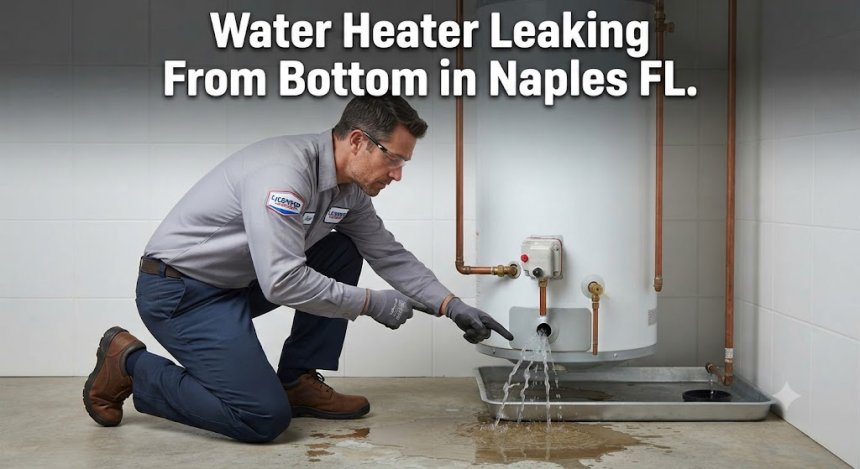
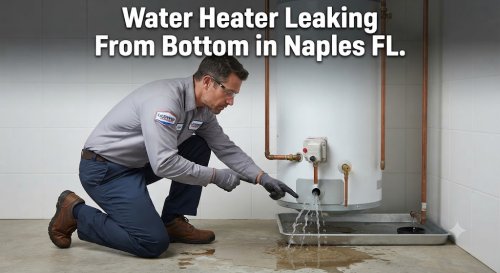
Your Water Heater Is Leaking
A leaking water heater is one of the most serious warning signs.
Leaks may occur because of:
- Tank corrosion
- Loose connections
- Faulty valves
- Internal damage
If the storage tank itself is leaking, repair is often not practical because the damage cannot usually be reversed.
You Run Out of Hot Water Quickly
A water heater that cannot provide enough hot water may indicate:
- Aging heating components
- Sediment buildup
- A failing system
- Incorrect unit size
If your household needs more hot water than the unit can provide, replacement with a properly sized system may be necessary.
Water Is Not Heating Properly
Common problems include:
- Lukewarm water
- Uneven temperatures
- Slow heating
- Frequent temperature changes
While some issues can be repaired, repeated heating problems may indicate the unit is wearing out.
Rising Energy Bills
An inefficient water heater may consume more energy to maintain water temperature.
Reasons include:
- Sediment buildup
- Aging components
- Poor insulation
- Reduced heating efficiency
Replacing an outdated unit may improve energy performance.
Strange Noises From the Tank
Popping, cracking, or rumbling sounds often indicate sediment buildup inside the tank.
Over time, sediment can:
- Reduce efficiency
- Cause overheating
- Increase wear on components
Persistent noises may indicate the unit is nearing failure.
Rusty or Discolored Hot Water
Brown or rusty hot water may indicate corrosion inside the water heater.
Corrosion can lead to:
- Tank failure
- Leaks
- Poor water quality
A professional inspection can determine the source of discoloration.
Frequent Repairs
Repeated repairs may become more expensive than replacement.
Consider replacement if you frequently need:
- Heating element repairs
- Valve replacements
- Thermostat repairs
- Leak fixes
A newer unit may provide better reliability.
Water Heater Tank Damage
The storage tank is the main component of traditional water heaters.
If the tank develops:
- Cracks
- Severe corrosion
- Structural damage
Replacement is usually required.
Why Do Water Heaters Fail?
Several factors contribute to water heater failure.
Sediment Buildup
Minerals in water settle at the bottom of the tank.
This buildup reduces efficiency and increases stress on the system.
Hard Water Damage
Hard water minerals can damage:
- Heating elements
- Valves
- Tank components
Homes with hard water may require more frequent maintenance.
Corrosion
Metal components naturally deteriorate over time.
Corrosion is a major reason older water heaters fail.
Lack of Maintenance
Skipping maintenance can shorten water heater lifespan.
Important maintenance includes:
- Tank flushing
- Component inspection
- Checking connections
Incorrect Installation
Poor installation may cause:
- Performance issues
- Safety concerns
- Premature failure
Common Plumbing Problems Related to Failing Water Heaters
A failing water heater may create additional plumbing problems.
Water Damage
Leaks can damage:
- Floors
- Walls
- Cabinets
- Stored belongings
Low Hot Water Pressure
Mineral buildup or damaged components may affect water delivery.
Higher Utility Costs
An inefficient unit increases energy consumption.
Plumbing Leaks
Damaged connections can cause water loss.
Step-by-Step Water Heater Replacement Process
A professional plumber typically follows these steps.
Step 1: Inspect the Existing Water Heater
The plumber evaluates:
- Age
- Condition
- Damage level
- Repair history
Step 2: Determine Replacement Needs
The plumber considers:
- Household size
- Hot water demand
- Energy preferences
- Available installation space
Step 3: Recommend the Right Water Heater
Options may include:
- Traditional tank water heaters
- Tankless systems
- Energy-efficient models
Step 4: Remove the Old Unit
The old water heater is safely disconnected and removed.
Step 5: Install the New Water Heater
Installation includes:
- Connecting water lines
- Setting up power or gas connections
- Testing safety components
Step 6: Test System Performance
The plumber checks:
- Water temperature
- Operation
- Connections
- Safety features
Step 7: Provide Maintenance Advice
Proper maintenance helps protect your investment.
Can You Replace a Water Heater Yourself?
Water heater replacement is not usually a recommended DIY project.
It involves:
- Electrical connections
- Gas components
- Water lines
- Safety controls
- Proper installation requirements
Incorrect installation can create serious risks, including leaks, electrical hazards, or gas-related problems.
A licensed plumbing professional should handle water heater replacement.
Tools Professionals Use for Water Heater Replacement
Pipe and Connection Tools
Used for safe installation of plumbing connections.
Electrical Testing Equipment
Ensures electrical components operate correctly.
Gas Testing Equipment
Used for gas water heater safety checks.
Pressure Testing Tools
Verify system performance.
Temperature Testing Equipment
Confirms proper hot water operation.
How Long Does Water Heater Replacement Take?
Replacement time depends on:
- Type of water heater
- Installation complexity
- Location of the unit
- Required modifications
Standard Replacement
A similar replacement unit may require less installation time.
Complex Replacement
Changes to plumbing, electrical, or gas connections may require additional work.
Cost Factors for Water Heater Replacement
Water heater replacement costs vary depending on:
Type of Water Heater
Tank and tankless systems have different installation requirements.
Unit Size
Larger systems may cost more.
Installation Requirements
Changes to plumbing, electrical, or gas connections affect costs.
Labor Requirements
Accessibility and complexity influence installation time.
Disposal of Old Equipment
Removing and disposing of the old unit may affect total cost.
Plumbing repair and replacement costs vary depending on the severity of the problem, accessibility, materials required, emergency service, property type, and local labor rates.
A professional plumber can provide an accurate estimate after evaluating your current system.
Hidden Truths Homeowners Should Know About Water Heater Replacement
- A leaking tank usually cannot be repaired permanently.
- Frequent repairs may cost more than replacement.
- Older units become less efficient over time.
- Waiting until complete failure can cause water damage.
- Maintenance extends equipment life but does not stop aging.
- Hard water can shorten water heater lifespan.
- Proper sizing improves performance.
- Professional installation protects safety.
- Energy efficiency varies between models.
- Planning replacement prevents emergency situations.
15 Common Mistakes Homeowners Make With Water Heaters
1. Waiting Until the Water Heater Fails Completely
Planning ahead prevents emergencies.
2. Ignoring Small Leaks
Small leaks can become major damage.
3. Skipping Maintenance
Maintenance improves reliability.
4. Choosing the Wrong Size Unit
Incorrect sizing affects performance.
5. Installing Without Professional Help
Improper installation creates risks.
6. Ignoring Strange Noises
Noise may indicate internal problems.
7. Delaying Replacement Decisions
Older units often become unreliable.
8. Choosing Based Only on Price
Quality and efficiency matter.
9. Ignoring Water Quality
Hard water affects equipment.
10. Not Checking Energy Efficiency
Older models may cost more to operate.
11. Overlooking Installation Requirements
Proper setup is essential.
12. Ignoring Manufacturer Recommendations
Maintenance guidelines protect performance.
13. Replacing Parts Without Diagnosis
Wrong repairs waste money.
14. Blocking Access Around the Unit
Safe access is important.
15. Avoiding Professional Inspections
Expert evaluation prevents mistakes.
Maintenance Tips to Extend Water Heater Life
- Flush the tank regularly
- Inspect for leaks
- Check temperature settings
- Schedule professional inspections
- Monitor water quality
- Address unusual noises
- Maintain proper clearance
- Check connections
- Test safety components
- Replace aging parts when needed
- Install water treatment if necessary
- Monitor energy usage
- Follow manufacturer guidelines
- Keep records of repairs
- Plan replacement before failure
When Should You Call an Emergency Plumber?
Call a plumber immediately if you notice:
- Water heater flooding
- Large tank leaks
- Gas smell near a gas unit
- Electrical problems
- Burst connections
- Water damage around the heater
Fast action can reduce damage and improve safety.
People Also Ask
How do I know if my water heater needs replacement?
Signs include age, leaks, frequent repairs, poor heating, and rising energy bills.
How many years should a water heater last?
Lifespan depends on maintenance, water quality, usage, and installation.
Should I repair or replace my old water heater?
Replacement may be better if repairs are frequent or the unit is near the end of its lifespan.
Is a leaking water heater repairable?
Some leaks can be repaired, but tank leaks usually require replacement.
Why is my water heater making noises?
Sediment buildup is a common cause of popping or rumbling sounds.
Why does my water heater run out of hot water?
Possible causes include aging components, sediment buildup, or incorrect sizing.
Are tankless water heaters better?
Tankless systems may provide energy benefits depending on household needs.
How much does water heater replacement cost?
Costs vary based on equipment, installation requirements, and local labor rates.
How often should a water heater be maintained?
Maintenance frequency depends on manufacturer recommendations and water conditions.
When should I replace instead of repair?
Replacement is often considered when repairs become frequent or the unit is old.
Why Choose Incas Plumbing?
Replacing a water heater requires proper evaluation, professional installation, and attention to safety.
Incas Plumbing provides:
- Professional water heater inspections
- Repair and replacement solutions
- Experienced plumbing service
- Honest recommendations
- Quality workmanship
- Customer-focused assistance
Whether your water heater is leaking, aging, or no longer meeting your hot water needs, professional guidance can help you choose the right solution.
Contact Incas Plumbing Today
Do not wait for your water heater to fail completely.
Contact Incas Plumbing for professional water heater inspection, repair, and replacement services.