Low Water Pressure: Causes and Solutions
Low Water Pressure Causes & Solutions | Plumbing Guide
Low Water Pressure: Causes and Solutions
Introduction
Low water pressure is one of the most common plumbing problems homeowners experience. A weak stream from faucets, slow-filling toilets, poor shower pressure, or appliances taking longer than normal to operate can make everyday tasks frustrating.
While low water pressure may seem like a minor inconvenience, it can sometimes indicate a larger plumbing issue such as hidden leaks, clogged pipes, damaged water lines, faulty pressure regulators, or problems with the municipal water supply.
Many homeowners search for “why is my water pressure low?” because they want to understand whether the problem is something simple they can fix or a sign that they need professional plumbing help.
At Incas Plumbing, we help homeowners identify the real cause of plumbing problems and choose the right repair solution. Understanding the warning signs, possible causes, and professional repair process can help prevent expensive damage and restore proper water flow.
What Is Low Water Pressure?
Low water pressure occurs when the force pushing water through your plumbing system is weaker than normal. It can affect one fixture, one area of your home, or the entire property.
Water pressure problems can appear in different ways:
- Weak shower water flow
- Slow-running faucets
- Washing machines taking longer to fill
- Toilets refilling slowly
- Reduced water pressure throughout the house
For example, if only your kitchen faucet has weak pressure, the issue may be a clogged aerator. However, if every fixture in your home suddenly has low pressure, the problem could involve your main water line, plumbing pipes, or pressure regulator.
Why Does Low Water Pressure Happen?
There are several reasons why homeowners experience water pressure problems.
Clogged Pipes
Over time, minerals, rust, and debris can build up inside pipes and restrict water flow.
This is especially common in older homes with aging plumbing systems. Reduced pipe diameter means less water can travel through the system.
Mineral Buildup From Hard Water
Hard water contains minerals such as calcium and magnesium. These minerals can collect inside plumbing fixtures and pipes.
Common results include:
- Reduced water flow
- Clogged faucet screens
- Shorter fixture lifespan
- Poor shower performance
Leaking Pipes
A hidden plumbing leak can reduce the amount of water reaching your fixtures.
Signs of a possible leak include:
- Higher water bills
- Damp walls
- Wet spots
- Mold growth
- Sound of running water
Undetected leaks can also cause structural damage over time.
Faulty Pressure Regulator
Many homes have a pressure regulator that controls incoming water pressure.
If this component fails, you may notice:
- Sudden pressure drops
- Water pressure that changes throughout the day
- Excessively low or high pressure
A damaged pressure regulator usually requires professional replacement.
Main Water Line Problems
The main water line supplies water from the street to your property.
Problems such as:
- Pipe cracks
- Corrosion
- Tree root damage
- Underground leaks
can reduce water pressure throughout the entire home.
Municipal Water Supply Issues
Sometimes the problem is not inside your home. Local water system maintenance, nearby construction, or changes in city water pressure can temporarily affect your supply.
Partially Closed Water Valves
A water shutoff valve that is not fully open can restrict water flow.
Homeowners should check that:
- The main shutoff valve is completely open
- Fixture valves are not partially closed
Old Plumbing Pipes
Older pipes may become damaged, corroded, or narrowed internally.
Common older pipe materials may develop:
- Rust buildup
- Leaks
- Reduced flow capacity
Signs You Should Never Ignore
Low water pressure can be a warning sign of bigger plumbing issues.
Sudden Drop in Water Pressure
A sudden change often indicates a leak, damaged pipe, or valve problem.
If the pressure changes quickly, professional inspection is recommended.
Low Pressure Throughout the Entire Home
When all faucets and fixtures are affected, the problem may involve the main water supply.
Water Stains on Walls or Ceilings
Water stains may indicate hidden pipe leaks behind walls.
Ignoring these signs can lead to:
- Mold growth
- Structural damage
- Expensive repairs
Unusually High Water Bills
A leaking pipe can waste significant amounts of water and increase monthly expenses.
Strange Plumbing Sounds
Hissing, banging, or vibrating pipes may indicate pressure problems or damaged plumbing components.
Discolored Water
Rusty or cloudy water may suggest pipe corrosion or internal plumbing issues.
Slow Draining Fixtures
While slow drains do not always cause low pressure, they may indicate buildup affecting your plumbing system.
Common Plumbing Problems Related to Low Water Pressure
Low water pressure may be connected with other plumbing issues, including:
- Pipe leaks
- Clogged drains
- Sewer problems
- Water heater issues
- Burst pipes
- Main water line damage
- Slab leaks
- Fixture damage
- Corroded plumbing systems
Addressing the underlying cause is more important than temporarily increasing pressure.
Step-by-Step Professional Low Water Pressure Diagnosis and Repair Process
A licensed plumber typically follows a detailed process.
Step 1: Inspection
The plumber checks:
- Fixtures
- Water pressure readings
- Plumbing connections
- Visible signs of leaks
Step 2: Pressure Testing
Professional pressure testing helps determine whether the issue is caused by:
- Supply problems
- Pipe restrictions
- Pressure regulator failure
Step 3: Leak Detection
If a hidden leak is suspected, plumbers use specialized equipment to locate the source without unnecessary damage.
Step 4: Identify the Cause
The plumber determines whether the issue involves:
- Clogged pipes
- Damaged valves
- Pipe deterioration
- Main water line problems
Step 5: Repair Recommendation
Possible solutions may include:
- Cleaning clogged fixtures
- Repairing leaks
- Replacing damaged components
- Repairing or replacing pipes
- Installing a new pressure regulator
Step 6: Testing the System
After repairs, the plumbing system is tested to confirm proper water flow and performance.
Step 7: Maintenance Advice
A professional plumber may recommend steps to prevent future pressure problems.
Can You Fix Low Water Pressure Yourself?
Some basic troubleshooting steps are safe for homeowners.
You can:
- Check if faucet aerators are clogged
- Confirm shutoff valves are fully open
- Clean showerheads
- Check whether the issue affects one fixture or the entire home
However, avoid attempting major plumbing repairs without experience.
DIY repairs can become risky when dealing with:
- Hidden leaks
- Main water lines
- Pipe replacement
- Pressure regulators
Incorrect repairs may create additional damage and increase costs.
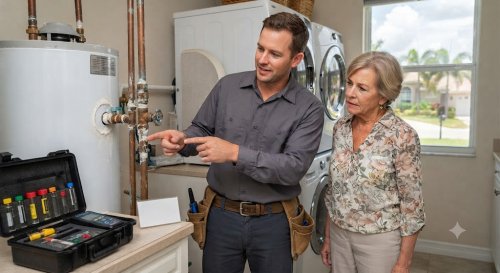
Tools Professionals Use to Diagnose Water Pressure Problems
Professional plumbers use specialized equipment for accurate diagnosis.
Pressure Testing Equipment
Measures actual water pressure levels throughout the plumbing system.
Leak Detection Equipment
Helps locate hidden leaks behind walls, under floors, or underground.
Pipe Inspection Cameras
Allow plumbers to view the inside condition of pipes.
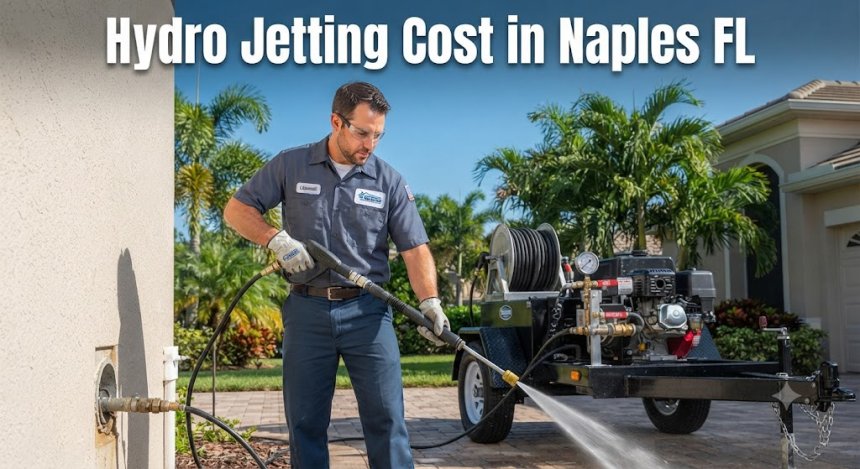
Hydro Jetting Equipment
Used in some situations to remove severe buildup inside plumbing lines.
Pipe Locating Equipment
Helps identify underground pipe locations before repairs.
These tools help plumbers avoid unnecessary work and provide accurate solutions.
How Long Does Low Water Pressure Repair Take?
Repair time depends on the cause of the problem.
Simple Repairs
Examples:
- Cleaning a clogged faucet aerator
- Replacing a fixture component
These may take less than an hour.
Moderate Repairs
Examples:
- Pressure regulator replacement
- Local pipe repairs
These may require several hours.
Major Repairs
Examples:
- Main water line repair
- Extensive pipe replacement
These projects may take longer depending on access, materials, and damage severity.
Cost Factors for Low Water Pressure Repair
Plumbing repair costs vary depending on several factors.
Important considerations include:
- Cause of the pressure problem
- Required parts
- Labor involved
- Accessibility of plumbing lines
- Equipment needed
- Emergency service requirements
- Repair versus replacement
Plumbing repair costs vary depending on the severity of the problem, accessibility, materials required, emergency service, property type, and local labor rates.
A professional inspection is the best way to determine the appropriate solution.
Hidden Truths Homeowners Should Know
- Small plumbing issues can become expensive repairs.
- Temporary fixes often hide bigger problems.
- Ignored leaks can damage your home.
- Insurance may not cover damage caused by poor maintenance.
- Hard water can shorten plumbing fixture life.
- DIY mistakes often increase repair expenses.
- Low pressure can indicate hidden leaks.
- Delayed repairs may cause structural damage.
- Mold can develop after water leaks.
- Regular maintenance saves money over time.
15 Common Mistakes Homeowners Make
- Ignoring sudden pressure changes
- Delaying plumbing inspections
- Using harsh chemical cleaners frequently
- Ignoring leaking faucets
- Flushing inappropriate materials
- Pouring grease into drains
- Hiring unlicensed contractors
- Skipping plumbing maintenance
- Waiting until complete failure occurs
- Using incorrect replacement parts
- Over-tightening plumbing fittings
- Ignoring unusual pipe noises
- Attempting complex DIY repairs
- Avoiding professional leak detection
- Ignoring high water bills
Maintenance Tips to Prevent Low Water Pressure
- Schedule annual plumbing inspections
- Monitor water pressure changes
- Repair leaks quickly
- Clean faucet aerators regularly
- Clean showerheads
- Check water valves
- Maintain water heaters
- Test pressure regulators
- Monitor monthly water bills
- Protect pipes during freezing weather
- Avoid planting large trees near underground pipes
- Replace old plumbing when necessary
- Install water filtration if needed
- Avoid flushing harmful materials
- Keep drains properly maintained
- Check outdoor plumbing connections
- Address mineral buildup early
When Should You Call an Emergency Plumber?
Contact an emergency plumber when low water pressure is caused by:
- Burst pipes
- Major water leaks
- No water supply
- Flooding
- Water near electrical systems
- Main water line damage
- Sewage backup concerns
Fast action can help reduce property damage and prevent expensive repairs.
People Also Ask
Why is my water pressure suddenly low?
Sudden low pressure may be caused by leaks, damaged pipes, valve problems, or water supply issues.
How do I increase water pressure in my home?
The correct solution depends on the cause. A plumber can diagnose whether the issue is a clog, leak, or system problem.
Can clogged pipes cause low water pressure?
Yes. Mineral buildup and debris can restrict water flow.
Can a water leak cause low pressure?
Yes. Leaking pipes reduce the amount of water reaching fixtures.
When should I call a plumber for low water pressure?
Call a professional when the problem affects the entire home, appears suddenly, or is linked to leaks.
Voice Search Questions
- Why is my shower pressure suddenly weak?
- What causes low water pressure in my house?
- How do plumbers fix low water pressure?
- Who repairs water pressure problems near me?
- Is low water pressure a sign of a leak?
Frequently Asked Questions
Can low water pressure damage appliances?
Yes. Poor water supply can affect appliances that require proper water flow.
How do I know if my pipes are clogged?
Signs include weak pressure, slow drainage, and inconsistent water flow.
Can hard water reduce water pressure?
Yes. Mineral buildup can restrict pipes and fixtures.