Plumbing Problems You Should Never Ignore
Small plumbing problems can quickly become expensive repairs when ignored. Learn the warning signs homeowners should watch for, common causes, risks of delaying repairs, maintenance tips, and when to call a professional plumber.
Plumbing Problems You Should Never Ignore
Most homeowners deal with plumbing problems at some point. A dripping faucet, slow drain, running toilet, or small leak may not seem urgent, especially when the plumbing system continues to work.
But plumbing problems rarely improve simply because they are ignored.
A small leak can damage cabinets or flooring. A slow drain can develop into a major blockage. A water heater that shows signs of failure can eventually leak or stop producing hot water. In more serious situations, a damaged sewer line or burst pipe can cause extensive water damage in a matter of hours.
Knowing which plumbing problems you should never ignore can help you protect your home, reduce water waste, and avoid unnecessary repair costs.
Incas Plumbing provides professional plumbing services for homeowners who need help diagnosing leaks, drainage problems, water heater issues, sewer concerns, and other plumbing failures.
Why Should You Never Ignore Plumbing Problems?
Your plumbing system works as a connected network. A problem in one part can eventually affect other components.
For example, a slow drain may be caused by buildup close to the fixture, but if several drains become slow at the same time, the issue may be deeper in the main drainage system.
Likewise, a small pipe leak can eventually damage surrounding materials and create conditions favorable to mold growth.
Ignoring plumbing problems can lead to:
- Water damage
- Higher water bills
- Structural damage
- Mold and moisture problems
- Sewer backups
- Equipment failure
- More expensive repairs
- Emergency plumbing situations
Early diagnosis is usually safer and more practical than waiting for complete failure.
What Plumbing Problems Should You Never Ignore?
Some plumbing problems deserve immediate attention, while others should be scheduled for repair before they become emergencies.
Water Leaks
Even a small plumbing leak should not be ignored.
Leaks may occur around:
- Faucets
- Toilets
- Sinks
- Water heaters
- Supply lines
- Exposed pipes
- Appliances
A hidden leak inside a wall or beneath flooring can continue for weeks without being noticed.
Why It Matters
A leak can:
- Waste water
- Increase utility bills
- Damage building materials
- Encourage mold growth
- Weaken cabinets or flooring
If you cannot identify the source of a leak, professional leak detection may be necessary.
Burst Pipes
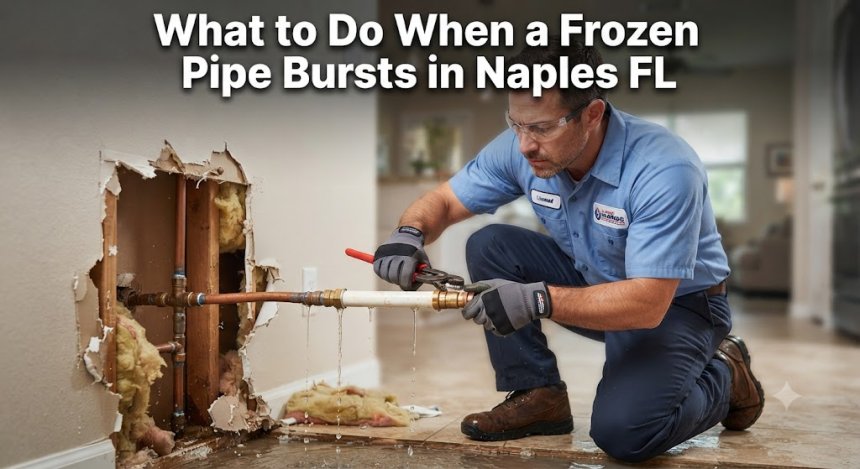
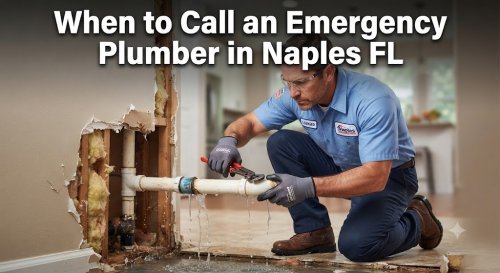
A burst pipe is an emergency plumbing problem.
A damaged pipe can release a large volume of water into your home, potentially affecting walls, floors, ceilings, electrical components, and personal belongings.
What to Do
If a pipe bursts:
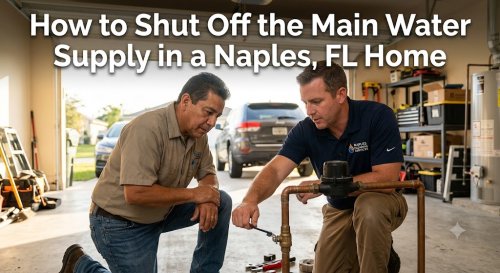
- Shut off the main water supply if it is safe to do so.
- Turn off nearby electrical equipment if water has reached electrical areas, without touching wet electrical components.
- Move valuables away from the affected area if possible.
- Contact a professional plumber immediately.
Do not wait for the leak to stop on its own.
Sewer Backups
Sewer backups are among the most serious plumbing problems.
Warning signs include:
- Wastewater backing up into a tub
- Multiple clogged drains
- Sewage odors
- Gurgling toilets
- Water appearing around floor drains
Sewage can contain harmful contaminants, so cleanup and repair should be handled carefully.
Multiple Clogged Drains
One slow drain may be a localized problem.
However, if your:
- Kitchen sink
- Bathroom sink
- Shower
- Bathtub
- Toilet
begin draining slowly around the same time, there may be a blockage in a larger branch or main sewer line.
Repeatedly treating individual fixtures may not solve the underlying problem.
A Toilet That Keeps Running
A constantly running toilet may seem minor, but it can waste substantial amounts of water over time.
Common causes include:
- Worn flapper
- Faulty fill valve
- Incorrect float setting
- Damaged flush mechanism
- Mineral buildup
A relatively simple repair can often prevent ongoing water waste.
Low Water Pressure
A sudden drop in water pressure should not automatically be dismissed as a normal plumbing issue.
Possible causes include:
- Pipe corrosion
- Leaks
- Mineral buildup
- Pressure regulator problems
- Partially closed valves
- Municipal supply problems
If low pressure affects the entire property, professional diagnosis is worthwhile.
High Water Bills
An unexplained increase in your water bill can be a warning sign.
Possible causes include:
- Hidden leaks
- Running toilets
- Dripping faucets
- Irrigation leaks
- Water heater problems
- Underground pipe leaks
If your water usage has not changed but your bill has increased significantly, investigate the plumbing system.
Water Heater Problems
A water heater should not be ignored when it begins showing unusual behavior.
Warning signs include:
- No hot water
- Lukewarm water
- Water heater leaks
- Rust-colored water
- Strange noises
- Frequent repairs
- Hot water running out quickly
Some problems are repairable, while an aging or severely damaged unit may need replacement.
Discolored Water
Brown, yellow, or rusty water can have several causes.
It may be related to:
- Corroded pipes
- Sediment
- Water heater corrosion
- Temporary water supply disturbances
If discoloration persists or appears repeatedly, a plumbing professional can help determine the source.
Strange Plumbing Noises
Unusual sounds should not be ignored when they occur repeatedly.
Examples include:
- Banging
- Popping
- Whistling
- Gurgling
- Hissing
- Knocking
The cause may be water pressure, trapped air, pipe movement, sediment, or another plumbing problem.
Damp Walls or Ceilings
A damp wall or ceiling can indicate a hidden plumbing leak.
Look for:
- Water stains
- Bubbling paint
- Peeling drywall
- Soft surfaces
- Musty odors
Finding the source early can help prevent more extensive structural damage.
Slow Drains
Slow drainage is one of the earliest signs of a plumbing blockage.
Common causes include:
- Hair
- Soap residue
- Grease
- Food debris
- Mineral buildup
If a drain repeatedly becomes slow after cleaning, the underlying pipe may need professional inspection.
Bad Sewer or Drain Odors
Persistent sewage or foul drain odors may indicate:
- Sewer problems
- Drain buildup
- Dry traps
- Damaged sewer pipes
- Ventilation problems
Do not simply cover the odor with air fresheners. Identify the source.
Standing Water
Standing water around plumbing fixtures, water heaters, or floor drains should be investigated.
It may indicate:
- Active leaks
- Drainage problems
- Sewer backups
- Poor drainage
Standing water can damage materials and create moisture-related problems.
Common Causes of Serious Plumbing Problems
Plumbing failures can result from many factors.
Aging Pipes
Older pipes may corrode, crack, or develop leaks.
Hard Water
Mineral deposits can restrict flow and damage fixtures and water heaters.
High Water Pressure
Excessive pressure can put additional stress on plumbing components.
Poor Installation
Incorrect fittings, materials, or pipe slopes can create long-term problems.
Lack of Maintenance
Small issues become harder to manage when inspections and maintenance are repeatedly skipped.
Tree Roots
Roots can enter underground sewer pipes through cracks and joints.
Freezing Weather
Freezing temperatures can cause water inside pipes to expand and damage plumbing.
Improper Disposal
Grease, wipes, paper towels, and other inappropriate materials can create blockages.
Signs You Need a Plumber Immediately
Some plumbing situations should be treated as emergencies.
Call a professional promptly when you experience:
- Burst pipes
- Major water leaks
- Sewage backup
- Significant flooding
- An overflowing toilet that cannot be stopped
- No water throughout the property
- Suspected gas line problems
- A leaking water heater causing flooding
Quick action can reduce property damage and safety risks.
What Should You Do Before the Plumber Arrives?
There are several safe steps homeowners can take.
Shut Off the Water
If there is an active water leak, locate the appropriate shutoff valve.
For a major leak, shutting off the home's main water supply may be necessary.
Stop Using Affected Fixtures
If you suspect a sewer blockage, avoid using sinks, toilets, showers, washing machines, and other fixtures until the problem is assessed.
Protect Belongings
Move furniture and valuables away from water when it is safe to do so.
Document the Damage
Photographs can help document the situation for property records or insurance discussions.
Do not attempt repairs involving gas, electricity, or major underground plumbing unless you are properly qualified.
Step-by-Step Professional Plumbing Repair Process
A professional plumber generally follows a structured process.
Step 1: Inspection
The plumber evaluates visible plumbing components and asks about the symptoms.
Step 2: Diagnosis
The underlying cause is identified rather than simply treating the visible symptom.
Step 3: Repair Recommendation
The plumber explains available repair or replacement options.
Step 4: Estimate
The expected labor, parts, equipment, and other relevant costs are discussed.
Step 5: Repair
The appropriate plumbing work is completed.
Step 6: Testing
The system is tested to confirm proper operation and check for leaks.
Step 7: Maintenance Advice
The plumber may recommend practical steps to reduce the chance of recurrence.
Can You Fix Plumbing Problems Yourself?
Some basic plumbing maintenance is appropriate for homeowners.
You may safely:
- Clean faucet aerators
- Remove visible drain debris
- Replace some simple fixture components
- Check accessible shutoff valves
- Monitor water usage
- Inspect exposed pipes for visible leaks
However, professional assistance is recommended for:
- Hidden leaks
- Sewer backups
- Burst pipes
- Gas-related plumbing
- Major water heater problems
- Underground pipe damage
- Repeated drain blockages
A temporary DIY fix should never be used to postpone a problem that is getting worse.
Tools Professional Plumbers May Use
Modern plumbing diagnosis often involves specialized equipment.
Drain Cameras
Cameras allow plumbers to inspect the inside of drain and sewer pipes.
Electronic Leak Detection
Specialized equipment can help locate hidden leaks without unnecessary demolition.
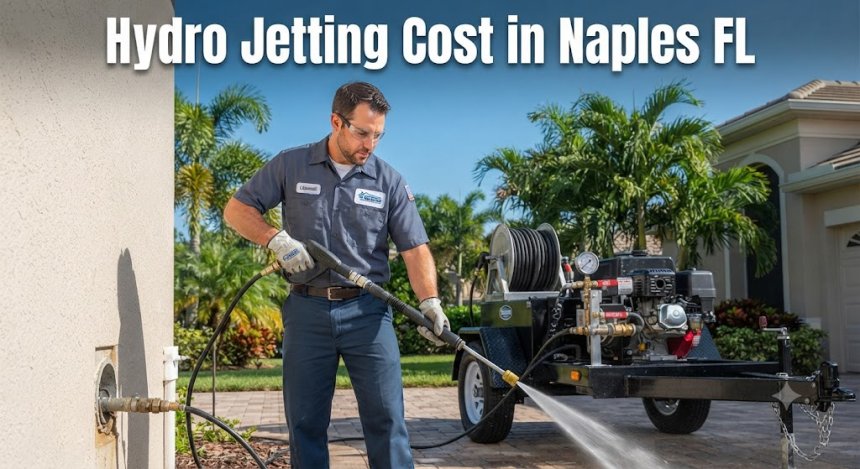
Hydro Jetting
High-pressure water can remove certain types of buildup from suitable pipes.
Pipe Locators
These tools help identify underground pipe locations.
Pressure Testing Equipment
Pressure tests can help identify certain leaks and plumbing system problems.
Using the correct diagnostic equipment can make repairs more targeted and reduce unnecessary work.
How Long Do Plumbing Repairs Take?
Repair time depends heavily on the problem.
Simple Repairs
Examples include:
- Faucet repairs
- Toilet component replacement
- Minor drain cleaning
These may be completed relatively quickly.
Moderate Repairs
Examples include:
- Water heater component replacement
- Deeper drain blockages
- Accessible pipe repairs
These may require additional labor and testing.
Major Repairs
Examples include:
- Sewer line repair
- Burst pipe restoration
- Extensive water damage
- Whole-system plumbing replacement
These projects can take significantly longer.
Accessibility, damage severity, materials, permits, equipment, and property layout all affect repair time.
Plumbing Repair Cost Factors
There is no single price for plumbing repairs because every property and problem is different.
Important cost factors include:
- Severity of the problem
- Location of the plumbing
- Accessibility
- Parts and materials
- Labor requirements
- Diagnostic equipment
- Emergency service
- Permits, where applicable
- Repair versus replacement
- Property type
Plumbing repair costs vary depending on the severity of the problem, accessibility, materials required, emergency service, property type, and local labor rates.
A professional inspection is the best way to determine what repair is actually needed.
Hidden Truths Homeowners Should Know
Small Leaks Can Become Major Repairs
A small leak behind a wall can cause extensive moisture damage over time.
Temporary Fixes Do Not Always Solve the Cause
Taping a leaking pipe or repeatedly using drain cleaner may only delay the real repair.
Insurance Does Not Automatically Cover Every Plumbing Problem
Coverage depends on the policy, circumstances, and cause of the damage.
Tree Roots Can Cause Repeated Sewer Problems
Removing a blockage does not necessarily eliminate the underlying root intrusion.
Hard Water Can Shorten Component Life
Mineral deposits can affect faucets, fixtures, pipes, and water heaters.
Hidden Leaks Waste Money
A leak can increase water consumption even when the homeowner cannot see it.
Mold Can Develop in Persistently Damp Areas
Moisture problems should be addressed rather than concealed.
Maintenance Is Less Disruptive Than Emergency Repairs
Routine inspections can identify developing problems before they become urgent.
15 Common Plumbing Mistakes Homeowners Make
1. Ignoring Small Leaks
Fix leaks before they damage surrounding materials.
2. Pouring Grease Down Drains
Dispose of cooking grease properly instead.
3. Flushing Wipes
Even some products marketed as flushable can contribute to blockages.
4. Using Chemical Drain Cleaners Repeatedly
Frequent chemical use may damage certain plumbing materials and does not address every type of blockage.
5. Ignoring Low Water Pressure
A sudden pressure change deserves investigation.
6. Waiting for a Plumbing Emergency
Schedule repairs when warning signs first appear.
7. Hiring Based Only on the Lowest Price
Consider licensing, experience, reviews, scope of work, and written estimates.
8. Skipping Maintenance
Regular maintenance can extend the useful life of plumbing equipment.
9. Over-Tightening Fittings
Excessive force can damage threads and components.
10. Using the Wrong Replacement Parts
Components should be compatible with the plumbing system.
11. Ignoring Water Heater Warning Signs
Noise, leaks, and inconsistent heating should be investigated.
12. Flushing Improper Materials
Keep non-flushable items out of toilets.
13. Ignoring Repeated Drain Clogs
Recurring clogs may indicate a deeper problem.
14. Attempting Major Plumbing Repairs Without Experience
Incorrect repairs can make the final repair more expensive.
15. Not Knowing Where the Main Shutoff Is
Every homeowner should know how to quickly stop the home's main water supply.
Plumbing Maintenance Tips for Homeowners
- Check exposed pipes regularly.
- Inspect under sinks for moisture.
- Watch for unexplained water stains.
- Monitor your monthly water bill.
- Clean faucet aerators periodically.
- Use drain strainers.
- Never pour grease into drains.
- Flush only appropriate materials.
- Address slow drains promptly.
- Check toilets for silent leaks.
- Inspect water heater connections.
- Follow water heater maintenance recommendations.
- Monitor household water pressure.
- Protect exposed pipes during freezing weather.
- Know the location of the main water shutoff.
- Schedule professional plumbing inspections when appropriate.
- Address recurring plumbing problems instead of repeatedly treating symptoms.
- Keep records of major plumbing repairs and replacements.
When Should You Call an Emergency Plumber?
You should seek emergency plumbing assistance when a problem presents an immediate risk of flooding, property damage, contamination, or safety concerns.
Examples include:
- Burst pipe
- Major water leak
- Sewage backup
- Severe flooding
- Overflowing toilet
- Failed water heater causing significant leakage
- No running water when it indicates a serious system failure
- Suspected gas line issue
When in doubt, stopping water use and obtaining professional advice is safer than allowing the problem to continue.
People Also Ask
What plumbing problems should I never ignore?
Leaks, sewer backups, burst pipes, multiple clogged drains, low water pressure, water heater problems, and unexplained high water bills should all receive attention.
How do I know if I have a hidden plumbing leak?
Unexplained water bills, damp walls, musty odors, water stains, and unexplained moisture can indicate a hidden leak.
Is a small plumbing leak an emergency?
Not every small leak is an emergency, but it should be repaired promptly because even minor leaks can cause damage over time.
Why are multiple drains clogged at once?
Multiple clogged drains may indicate a blockage in a shared branch drain or main sewer line.
Why is my water pressure suddenly low?
Possible causes include leaks, mineral buildup, valve problems, pressure regulator issues, or a supply problem.
Can a running toilet increase my water bill?
Yes. A toilet that continually refills can waste significant amounts of water.
Why does my water heater keep making noises?
Sediment buildup is one possible cause of popping or rumbling sounds, although other problems can also create unusual noises.
How can I tell if my sewer line is blocked?
Warning signs include multiple slow drains, gurgling toilets, sewage odors, and wastewater backing up into tubs or floor drains.
Can hard water damage plumbing?
Yes. Mineral deposits can build up in fixtures, pipes, and water-using appliances and may reduce efficiency over time.
When should I replace plumbing instead of repairing it?
Replacement may make more sense when pipes or equipment are severely damaged, repeatedly failing, outdated, or no longer suitable for the property's needs.
Why Choose Incas Plumbing?
Plumbing problems require more than simply treating the visible symptom. The right solution starts with identifying what caused the problem and determining the appropriate repair.
Incas Plumbing focuses on practical plumbing solutions and professional service for homeowners who need help with:
- Plumbing leaks
- Drain problems
- Sewer issues
- Water heater problems
- Toilet repairs
- Pipe problems
- Emergency plumbing situations
When choosing a plumber, homeowners should look for appropriate licensing, clear communication, transparent estimates, relevant experience, and quality workmanship.
Incas Plumbing can evaluate your plumbing problem and explain the available repair or replacement options based on the condition of your system.
Contact Incas Plumbing
Do not wait for a minor plumbing problem to become a major repair.
If you notice a leak, recurring clog, sewer backup, water heater problem, unexplained water bill increase, or another plumbing warning sign, contact Incas Plumbing for professional assistance.