Sewer Line Replacement Cost Naples FL
Wondering about sewer line replacement costs in Naples, FL? Discover key pricing factors, replacement methods, signs of pipe failure, and local tips.
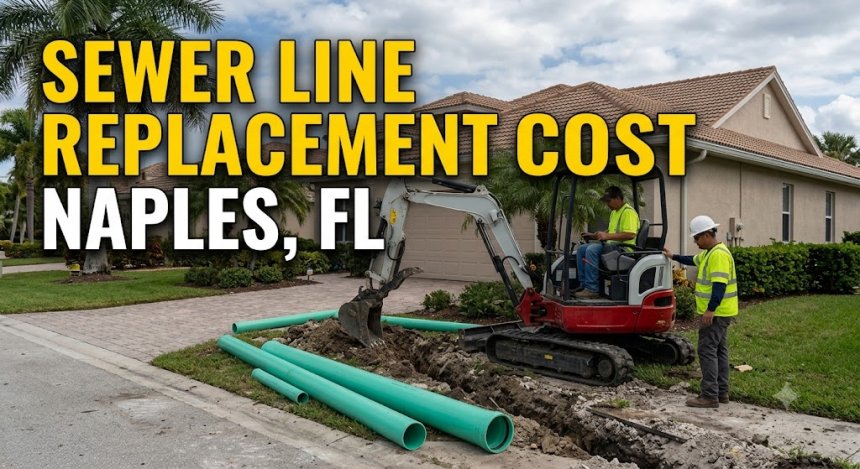
How Much Does Sewer Line Replacement Cost in Naples, FL?
Replacing a main sewer line is one of the most significant plumbing projects a property owner will ever encounter. When your underground sewer pipe collapses, splits, or becomes overrun with aggressive tree roots, simple drain cleaning is no longer enough. The entire line must be structurally replaced to keep your home or business safe and sanitary.
In Naples, Florida, main sewer line replacement costs depend heavily on the depth of the line, the pipe material selected, the installation method (traditional open trenching vs. trenchless pipe replacement), and the physical accessibility of the line across your property.
Whether you own a historic single-family home in Old Naples, a suburban property in East Naples or Golden Gate, or a commercial space near Pelican Bay, understanding the factors that shape replacement pricing helps you make confident, budget-smart decisions before calling a licensed plumbing team.
What Is Sewer Line Replacement?
Sewer line replacement involves completely removing or structural rehabilitating the underground pipe that conveys wastewater from your building's plumbing fixtures directly to the municipal main sewer system or private septic tank.
Unlike a spot repair—which fixes a small section of broken pipe—a complete replacement creates a seamless, brand-new wastewater conduit along your entire property path.
Common Situations Requiring Complete Line Replacement
-
Vintage Cast Iron Failure: Decades-old cast iron lines beneath pre-1990s Naples properties suffer bottom-channel corrosion, cracking, and structural collapse.
-
Persistent Root Invasion: Severe root networks repeatedly shatter PVC or clay joints, making routine hydro-jetting a temporary band-aid rather than a permanent solution.
-
Severe Pipe Bellies: Ground settlement in low-lying coastal soil creates permanent sags in the pipe, causing solid waste to collect and back up continuously.
Why Does This Plumbing Problem Happen in Naples?
Sewer line degradation in South Florida is driven by local environmental and structural conditions:
-
Aggressive Tropical Root Systems: Vegetation like Ficus, Banyan, and Palm trees extend long root networks in search of water sources, squeezing through pipe fittings and bursting pipe walls from the outside.
-
Coastal Soil Shifting & High Water Tables: Naples features sandy subsoil and fluctuating coastal water tables. Hydrostatic pressure shifts soil beneath pipes, causing lines to drop out of alignment or crack under heavy ground load.
-
Internal Corrosion in Older Cast Iron: Salt air exposure and hard water minerals corrode internal pipe walls, creating rough scale that snags solid waste and eventually causes total wall blowout.
-
Hard Water Mineral Deposits: Dense mineral content coats internal pipe surfaces over time, reducing internal line diameter and increasing flow resistance.
-
Improper Original Pitch or Material Selection: Inadequate pipe pitch during initial construction prevents solids from flushing efficiently, accelerating line breakdown.
Signs You Should Never Ignore
Spotting sewer line failure early prevents raw sewage from backing up into your living areas or weakening your building foundation.
-
Persistent Multi-Fixture Backups: Toilet flushes cause wastewater to rise in shower stalls or floor drains throughout the property.
-
Sewer Gas Odors Outdoors or Indoors: Smelling rotten egg gas (hydrogen sulfide) near outdoor garden beds, patio areas, or bathroom vents indicates broken pipe walls.
-
Lush, Soggy Lawn Spots: Unusually bright green, wet patches of grass along your sewer line path point to underground wastewater leaks feeding the turf above.
-
Foundation Tile Cracks or Potholes: Water leaking beneath concrete slabs washes away supporting sub-grade soil, causing paver driveways to drop or indoor tiles to crack.
-
Gurgling Drain Fixtures: Hearing persistent air bubbles gurgle up through toilets or sink traps when running water appliances.
-
Unexplained Increases in Water Bills: Sub-surface supply line or irrigation leaks operating alongside damaged drainage lines distort property water metrics.
-
Pest and Insect Surges: Sewer flies, cockroaches, or rodents entering the building through ruptured underground drainage lines.
Common Plumbing Problems Related to Sewer Line Failure
A compromised sewer line creates chain-reaction plumbing issues across your property:
[Underground Sewer Line Failure]
            │
            ├──► Recurrent Main Line Blockages & Backups
            ├──► Sub-Slab Moisture & Structural Foundation Leaks
            ├──► Sewage Overflow into Showers & Floor Drains
            └──► Toxic Mold Outbreaks in Wall Cavities
-
Slab Leaks: Corroded sub-slab lines dump raw wastewater underneath your concrete foundation, eroding structural sub-soil support.
-
Secondary Fixture Backups: High backpressure in main lines forces wastewater back up through low-lying branch drains like guest showers and utility sinks.
-
Indoor Air Quality Hazards: Escaping sewer gases and damp conditions foster toxic mold growth behind baseboards within 24 to 48 hours.
Step-by-Step Professional Replacement Process
Replacing a main drain line requires specialized heavy machinery, line-locating technology, and strict adherence to Florida plumbing codes. Here is how licensed professionals manage a replacement:
Can You Fix It Yourself?
Short Answer: No. Main sewer line replacement is not a safe or legal DIY home improvement project.
Replacing an underground sewer pipe requires heavy machinery, permits from municipal agencies, utility locators, and technical knowledge of pitch angles and flow rates:
-
Trenching Hazards: Shifting sandy soil in South Florida poses serious risks of cave-ins if trenches are not properly shored.
-
Utility Line Strikes: Digging without professional line locators risks severing buried electric lines, gas mains, or fiber-optic cables.
-
Permit & Building Code Violations: Improperly installed main lines violate local plumbing codes, resulting in failed municipal inspections and costly redo work.
Safe DIY Steps to Take While Waiting for Help
-
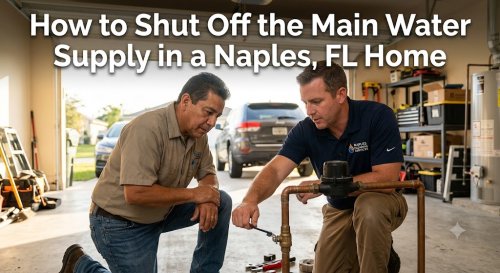
Turn off your main water shutoff valve immediately to prevent additional wastewater from entering drains.
-
Keep children and pets far away from areas where raw sewage has surfaced.
-
Unscrew your exterior sewer cleanout cap to relieve pressure from inside household drains.
Tools Professionals Use
Modern sewer line replacement relies on non-destructive technology to protect your property during construction:
-
Fiber-Optic Camera Inspection Systems: HD waterproof cameras provide real-time visual assessment of internal pipe degradation.
-
Electromagnetic Line Locators: Transmitters pinpoint exact pipe depths and trajectories from above ground.
-
Hydraulic Pipe-Bursting Rigs: High-powered pulling units break apart existing broken pipes while pulling a continuous HDPE pipe through the same space.
-
Pneumatic Trenchless Moles: Horizontal underground boring tools install pipes beneath driveways, sidewalks, and pool decks without digging long surface trenches.
How Long Does the Replacement Usually Take?
Project timelines vary depending on pipe depth, ground accessibility, and the installation technique used:
| Replacement Method | Typical Project Scope | Estimated Timeframe |
| Trenchless Pipe Bursting | Pulling seamless HDPE pipe through existing line path | 1 to 2 Days |
| Partial Excavation (Spot Replacement) | Replacing short damaged sections (up to 10 feet) | 1 Day |
| Full Open Trench Excavation | Digging up dirt yards, laying new PVC, backfilling | 2 to 3 Days |
| Under-Slab Tunneling | Excavating beneath concrete foundation slabs | 3 to 5 Days |
Cost Factors in Naples, FL
Plumbing repair costs vary depending on the severity of the problem, accessibility, materials required, emergency service, property type, and local labor rates.
Key variables affecting your replacement project estimate include:
-
Diagnostic Inspection & Mapping Fees: High-definition video camera inspections pinpoint exact pipe breaks and soil depths before digging begins.
-
Depth & Surface Obstructions: Sewer lines buried 3 feet under soft dirt cost significantly less to replace than pipes running 8 feet deep under paver driveways, pool cages, or concrete slabs.
-
Replacement Method Selected: Trenchless pipe replacement carries higher equipment overhead up front but saves thousands of dollars in paver, driveway, and landscape restoration.
-
Pipe Material (SCH 40 PVC vs. HDPE): High-density polyethylene (HDPE) used in trenchless applications offers flexible, seam-free durability, while Schedule 40 PVC is standard for open-trench applications.
-
Permitting & Municipal Fees: Collier County and City of Naples utility permits and local inspection fees add minor regulatory costs.
-
Emergency Dispatch Rates: Off-hours, weekend, or holiday service calls involve standard off-hours labor adjustments.
Hidden Truths Homeowners Should Know
-
Small Leaks Turn into Expensive Structural Damage: Unaddressed underground leaks wash away soil sub-base, causing driveways and concrete slabs to drop.
-
Cheap Band-Aid Fixes Fail Over Time: Chemical root treatments temporarily open tiny drainage paths but leave broken pipe walls exposed to future collapse.
-
Standard Homeowners Insurance Excludes Pipe Wear and Aging: Insurance policies typically exclude routine pipe wear, rust, or root intrusion unless you purchase a dedicated service line endorsement.
-
Tree Roots Return Unless Pipes Are Sealed: Tree roots will continually re-enter old pipe joints until a seamless line or full replacement is completed.
-
Hard Water Accelerates Cast Iron Scale: High mineral content in coastal Florida water speeds up internal scaling on vintage metal lines.
-
DIY Digging Risks Utility Interruption: Stripping utility cables or striking underground gas mains leads to severe fines and restoration expenses.
-
Postponing Repairs Leads to Indoor Flooding: Delaying line replacement risks severe sewage backflow into ground-floor living areas.
-
Hidden Underground Leaks Raise Utility Bills: Unmanaged supply or main line issues cause system imbalances that drive up monthly municipal utility bills.
-
Mold Develops Within 24 to 48 Hours: Sewage leaks inside walls or under sub-flooring quickly create biohazardous indoor conditions.
-
Annual Maintenance Saves Thousands Long Term: Routine video camera checks catch root intrusion and pipe scale before total line collapse occurs.
15 Common Mistakes Homeowners Make
-
Flushing "Flushable" Wipes: Disposable wipes accumulate inside pipes, creating solid blockages that strain weak pipe joints.
-
Pouring Fats, Oils, and Grease (FOG) Down Sinks: Liquid grease hardens inside cool underground pipes, trapping paper debris.
-
Ignoring Slow Fixture Drains: Treating multi-fixture slow drains as simple sink clogs instead of main line warnings.
-
Using Caustic Chemical Cleaners: Harsh chemical openers corrode old cast iron pipes and melt PVC joint glue.
-
Skipping Pre-Purchase Sewer Inspections: Failing to inspect main drain lines before buying older properties in established Naples neighborhoods.
-
Hiring Unlicensed Plumbing Contractors: Hiring uninsured handymen who lack line-locating equipment and municipal permitting credentials.
-
Planting Deep-Rooted Trees Over Sewer Paths: Placing aggressive trees like Ficus or Banyan directly over underground main lines.
-
Delaying Line Replacement: Waiting for full main line collapse before replacing worn, corroded pipes.
-
Using Incompatible Pipe Materials: Joining mismatched pipes without proper flexible transition couplings.
-
Over-Tightening Cleanout Caps: Stripping plastic threads or cracking vintage cast iron cleanout fittings.
-
Aggressive DIY Plunging: Blowing out wax toilet seals during heavy plunging, leaking sewage under floorboards.
-
Burying Exterior Cleanout Caps: Covering yard cleanout access points under thick mulch, dirt, or brick pavers.
-
Ignoring Sudden Pressure Drops: Overlooking water pressure drops that signal underground line breaches.
-
Failing to Verify Property Line Boundaries: Not knowing where your private sewer lateral meets the municipal main connection.
-
Waiting Until Nighttime Emergencies: Delaying repairs during business hours until after-hours dispatch fees apply.
Preventative Sewer Maintenance Tips
-
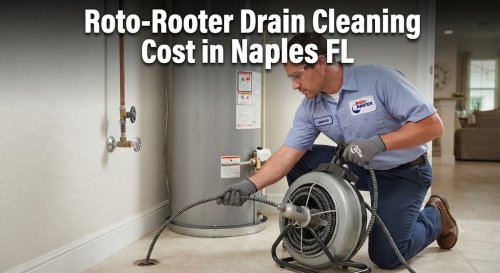
Perform Annual Hydro-Jetting: Flush scale, grease, and soft buildup out of your main drain line every 12 to 18 months.
-
Schedule Bi-Annual Video Inspections: Have a plumber run a camera through vintage cast iron lines every two years.
-
Install Fine Strainers on Sinks: Prevent food scraps, soap scum, and hair from entering branch lines.
-
Trash Disposable Products: Toss wipes, paper towels, and dental floss into waste bins—never down the toilet.
-
Keep Cleanouts Visible: Maintain clear access to your exterior yard cleanout caps.
-
Install a Backwater Prevention Valve: Prevent city sewer main surcharges from backing into ground-floor drains during tropical storms.
When Should You Call an Emergency Plumber?
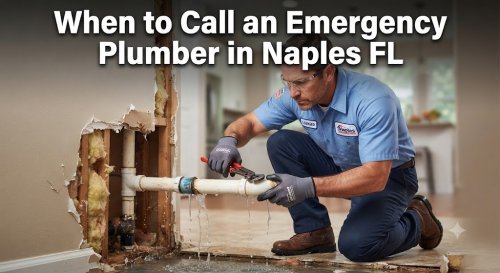
Contact an emergency plumbing provider immediately if you experience:
-
Raw sewage backing up into bathtubs, showers, or floor drains.
-
Complete drainage blockage across all property fixtures simultaneously.
-
Visible sinkholes or soft ground forming near your foundation.
-
Strong sewer gas smells inside your home or commercial building.
Frequently Asked Questions
Why is my water pressure suddenly low?
A sudden drop in water pressure can signal a main supply line breach or a severe main sewer stoppage affecting overall fixture drainage balance.
How much does sewer leak detection cost?
Professional video camera inspections and line-locating services generally cost between $150 and $500 depending on pipe length and site access.
Can a clogged drain damage pipes?
Yes. Severe blockages trap heavy water pressure inside lines, blowing out weak joint seals or cracking corroded cast iron walls.
Is hydro jetting safe for old pipes?
Hydro jetting is safe when preceded by a camera inspection. Technicians adjust water pressure to clear scale without damaging fragile pipe walls.
How do I know if my sewer line is broken?
Key indicators include persistent backups, indoor sewer gas smells, wet green lawn patches, and gurgling noises across multiple drains.
How long do sewer lines last in Florida?
Cast iron pipes typically last 40 to 50 years in coastal Florida soil, while modern PVC lines can last up to 100 years.
Why does my toilet gurgle when I run the shower?
Gurgling indicates trapped air pockets escaping past water traps, caused by a restriction in your underground main drain line.
What causes sewer pipes to break underground?
Tree root intrusion, soil settlement from high water tables, ground movement, and internal cast iron corrosion are primary causes.
Can plumbing leaks increase my water bill?
Yes. Undetected supply leaks or constant backpressure issues increase overall municipal utility usage.
When should I replace a sewer line instead of repairing it?
If over 50% of the pipe is corroded, offset, or cracked, a full replacement is more reliable and cost-effective than continuous spot repairs.
Why Choose Incas Plumbing Inc.?
When your property needs main sewer line replacement, you want an experienced, trustworthy local team to handle the job safely and efficiently. Incas Plumbing Inc. provides professional sewer line diagnostic and replacement services across Naples, FL, and surrounding Collier County communities.
-
Local Naples Footprint: Located on Dale Ave in Naples (34112), our team knows coastal soil conditions, high water tables, and cast iron pipe challenges common to area homes.
-
Licensed & Insured Plumbing Experts: Fully licensed technicians who complete every replacement to strict Florida building code standards.
-
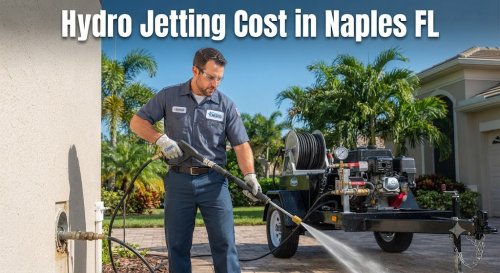
Advanced Equipment: We utilize high-definition video inspection cameras, hydro-jetters, and modern trenchless replacement tools to protect your property.
-
Upfront Transparent Estimates: Detailed line-item quotes before work starts—no hidden fees or high-pressure upselling.
-
Dedicated Customer Care: We treat your lawn and building with respect, ensuring clean work areas and reliable long-term plumbing performance.
Don't let a failing sewer line endanger your property. Contact Incas Plumbing Inc. today for fast, honest, and expert sewer line replacement!