What Causes Low Water Pressure in Your Home? Causes & Fixes
Discover what causes low water pressure in your home, warning signs, repair solutions, and when to call Incas Plumbing for professional help.
Understanding Low Water Pressure Problems in Your Home
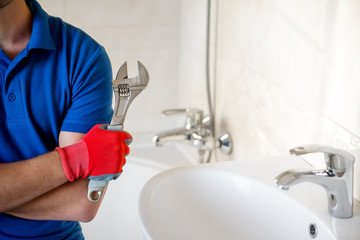
Low water pressure is one of the most frustrating plumbing problems homeowners experience. A weak shower stream, slow-filling washing machine, or faucet that barely produces water can affect everyday activities and reduce comfort inside your home.
Many homeowners notice low water pressure suddenly and wonder why it happened. Sometimes the issue is simple, such as a clogged faucet aerator or showerhead. In other cases, low pressure can indicate a hidden plumbing problem, damaged pipes, leaks, or issues with the main water supply.
Understanding what causes low water pressure in your home helps you identify the problem early and decide when professional plumbing assistance is necessary.
At Incas Plumbing, we help homeowners diagnose water pressure issues, identify the real cause, and recommend reliable repair solutions based on the condition of their plumbing system.
What Is Low Water Pressure?
Low water pressure occurs when water does not flow through your plumbing system with enough force.
A healthy plumbing system should provide consistent water flow throughout the home. When pressure drops, homeowners may notice:
- Weak shower pressure
- Slow faucets
- Appliances taking longer to fill
- Reduced water flow from multiple fixtures
Low water pressure may affect:
- One fixture
- One area of the home
- The entire property
The location of the problem often provides clues about the cause.
Why Does Low Water Pressure Happen?
Several plumbing issues can reduce water pressure in your home. Some problems are easy to fix, while others require professional diagnosis.
1. Clogged Faucet Aerators or Showerheads
One of the simplest causes of low water pressure is mineral buildup inside fixtures.
Over time, minerals from hard water can collect in:
- Faucet aerators
- Showerheads
- Spray nozzles
This restricts water flow and creates the feeling of low pressure.
Signs This Is the Problem:
- Only one faucet has low pressure
- Shower pressure suddenly decreases
- Removing buildup improves water flow
Solution:
Cleaning or replacing the fixture may restore normal water flow.
2. Mineral Buildup Inside Pipes
Hard water contains minerals such as calcium and magnesium. Over time, these minerals can accumulate inside plumbing pipes.
This buildup reduces the available space for water to travel.
Warning Signs:
- Gradually decreasing water pressure
- Older plumbing system
- White deposits around fixtures
- Reduced flow throughout the home
Professional inspection may be needed to determine whether pipe cleaning or replacement is required.
3. Hidden Water Leaks
A hidden leak can significantly reduce water pressure because water escapes before reaching your fixtures.
Leaks may occur in:
- Walls
- Ceilings
- Underground pipes
- Plumbing connections
Signs of a Hidden Leak:
- Sudden pressure drop
- Higher water bills
- Damp spots
- Mold growth
- Sound of running water when fixtures are off
A professional plumber can use leak detection equipment to locate hidden problems.
4. Corroded or Aging Pipes
Older pipes can become damaged internally over time.
Common materials affected by corrosion include older:
- Steel pipes
- Iron pipes
- Certain galvanized plumbing systems
Corrosion narrows the inside of pipes and restricts water movement.
Symptoms:
- Low pressure throughout the home
- Rust-colored water
- Frequent leaks
- Aging plumbing system
In some cases, repiping may be a better long-term solution than repeated repairs.
5. Clogged Plumbing Pipes
Debris, sediment, and mineral deposits can block water flow.
Pipe blockages may develop due to:
- Hard water buildup
- Rust
- Foreign materials
- Aging plumbing components
A plumber may use inspection tools to locate restrictions inside the system.
6. Problems With the Main Water Supply
Sometimes the issue is not inside your home.
Low pressure may occur because of:
- Municipal water supply problems
- Neighborhood maintenance work
- Damaged supply lines
If neighbors are experiencing similar issues, the problem may be outside your property.
7. Faulty Pressure Regulator
Many homes have a pressure regulator that controls incoming water pressure.
When this device fails, it may cause:
- Low pressure
- Fluctuating pressure
- Excessive pressure
A plumber can test and adjust or replace the regulator if needed.
8. Partially Closed Water Shutoff Valve
A water valve that is not fully open can restrict water flow.
Check:
- Main shutoff valve
- Meter valve
- Recently serviced plumbing connections
If you are unsure about valve operation, professional assistance is recommended.
9. Water Heater Problems
If low pressure only affects hot water fixtures, the water heater may be involved.
Possible causes include:
- Sediment buildup
- Blocked connections
- Faulty components
A plumber can inspect the water heater and related plumbing lines.
10. Multiple Plumbing Fixtures Running at Once
Sometimes the issue is temporary.
Using several water sources simultaneously can reduce pressure.
Examples:
- Shower running while washing machine operates
- Sprinkler system operating during indoor water use
If pressure returns when usage decreases, the plumbing system may simply be experiencing demand-related limitations.
Signs You Should Never Ignore Low Water Pressure
Low water pressure may seem inconvenient, but certain warning signs require attention.
Sudden Pressure Drop
A sudden decrease may indicate:
- Pipe leaks
- Valve problems
- Supply issues
Water Stains or Damp Walls
Moisture around walls or ceilings may indicate hidden leaks.
High Water Bills
A leaking pipe can waste water and increase monthly costs.
Strange Plumbing Noises
Banging, whistling, or rattling sounds may indicate pressure-related problems.
Discolored Water
Rust-colored or cloudy water may suggest pipe corrosion.
Multiple Fixtures With Low Pressure
When several areas are affected, the problem is likely deeper within the plumbing system.
Common Plumbing Problems Related to Low Water Pressure
Low water pressure may be connected to:
Pipe Leaks
Damaged pipes reduce available water flow.
Drainage Problems
Although drains and supply lines work differently, overall plumbing issues may affect system performance.
Water Heater Issues
Hot water pressure problems may indicate heater-related restrictions.
Sewer or Main Line Problems
Severe plumbing damage can affect overall system operation.
Fixture Damage
Old faucets and showerheads can restrict water flow.
Professional Low Water Pressure Repair Process
A licensed plumber usually follows these steps:
Step 1: Inspection
The plumber evaluates:
- Fixtures
- Pipes
- Valves
- Water supply connections
Step 2: Pressure Testing
Professional equipment measures actual water pressure levels.
Step 3: Diagnosis
The plumber determines whether the problem is caused by:
- Leaks
- Blockages
- Pipe damage
- Equipment failure
Step 4: Repair Recommendation
Possible solutions may include:
- Cleaning fixtures
- Repairing leaks
- Replacing valves
- Repairing pipes
- Repiping sections
Step 5: Testing
The plumbing system is checked to confirm improved performance.
Step 6: Maintenance Advice
Homeowners receive recommendations to prevent future pressure problems.
Can You Fix Low Water Pressure Yourself?
Some simple solutions are safe for homeowners.
You can:
- Clean faucet aerators
- Remove showerhead buildup
- Check that valves are fully open
- Confirm the issue is not caused by one fixture
However, professional help is recommended for:
- Hidden leaks
- Pipe corrosion
- Main line problems
- Pressure regulator failure
- Whole-house pressure issues
Attempting major repairs without proper knowledge can create additional damage.
Tools Professionals Use to Diagnose Water Pressure Problems
Pressure Testing Equipment
Measures actual water pressure levels.
Leak Detection Equipment
Finds hidden leaks behind walls or underground.
Pipe Inspection Cameras
Allow plumbers to inspect pipe interiors.
Water Line Locators
Help identify underground plumbing locations.
Hydro Jetting Equipment
Can remove certain buildup from appropriate pipes.
How Long Does Low Water Pressure Repair Take?
Repair time depends on the cause.
Simple Repairs
Examples:
- Cleaning fixtures
- Adjusting valves
May take a short service visit.
Moderate Repairs
Examples:
- Replacing pressure regulators
- Repairing accessible leaks
Require more diagnosis and labor.
Major Repairs
Examples:
- Pipe replacement
- Whole-home repiping
May require more extensive work.
Low Water Pressure Repair Cost Factors
The cost of fixing low water pressure varies depending on:
- Cause of the problem
- Pipe accessibility
- Required equipment
- Parts needed
- Labor involved
- Emergency service requirements
- Property size
Plumbing repair costs vary depending on the severity of the problem, accessibility, materials required, emergency service, property type, and local labor rates.
A professional inspection provides the most accurate repair recommendation.
Hidden Truths Homeowners Should Know About Low Water Pressure
- Low pressure is sometimes a symptom of a larger plumbing issue.
- Small leaks can waste significant amounts of water.
- Old pipes may continue restricting water flow.
- Chemical cleaners will not fix pipe restrictions.
- Repeated repairs may indicate aging plumbing.
- Ignoring pressure problems can lead to bigger repairs.
- Regular inspections help identify problems early.
15 Common Mistakes Homeowners Make With Water Pressure Problems
- Ignoring sudden pressure changes
- Using chemical cleaners for pipe problems
- Delaying leak repairs
- Ignoring high water bills
- Adjusting pressure regulators incorrectly
- Attempting complex plumbing repairs
- Ignoring old plumbing systems
- Forgetting regular maintenance
- Replacing fixtures without checking the cause
- Ignoring rust-colored water
- Blocking access to plumbing areas
- Hiring unqualified contractors
- Overlooking outdoor plumbing issues
- Ignoring recurring pressure problems
- Waiting until complete failure occurs
Water Pressure Maintenance Tips
- Check faucets for buildup regularly.
- Clean showerheads periodically.
- Monitor monthly water bills.
- Inspect visible pipes for leaks.
- Know your main shutoff valve location.
- Schedule plumbing inspections.
- Address slow leaks quickly.
- Maintain water heaters.
- Avoid damaging plumbing chemicals.
- Check outdoor water connections.
- Protect pipes during freezing weather.
- Monitor changes in water flow.
- Replace aging fixtures.
- Maintain proper water pressure levels.
- Contact a plumber for repeated issues.
When Should You Call an Emergency Plumber?
Call a professional plumber immediately if you experience:
- Sudden complete loss of water pressure
- Major pipe leaks
- Flooding
- Burst pipes
- Water damage
- Sewage-related plumbing problems
Quick action can reduce property damage and prevent costly repairs.