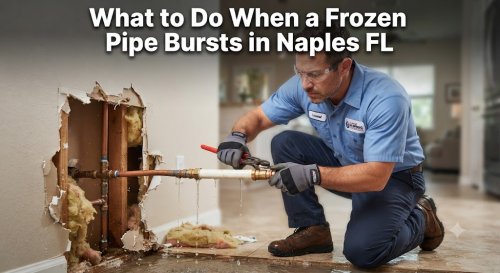
What to Do When a Pipe Bursts in Your Naples Home
Learn immediate steps to take when a pipe bursts in Naples, FL. Discover emergency fixes, repair processes, costs, and prevention tips.
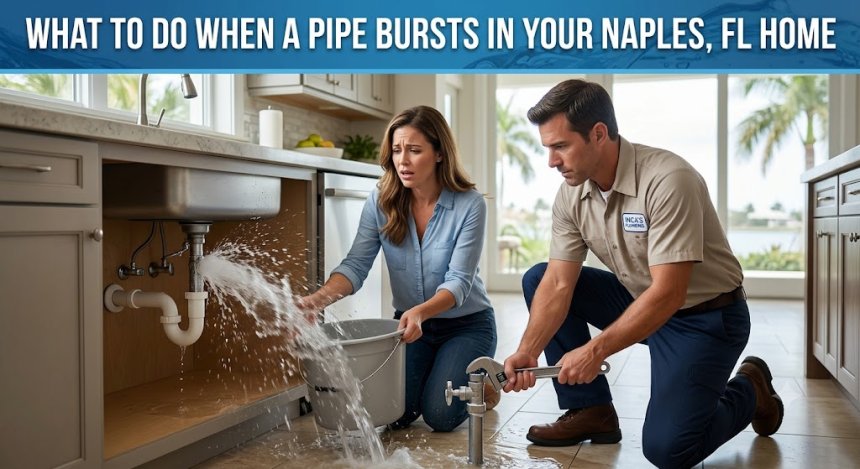
What to Do When a Pipe Bursts in Your Naples, FL Home
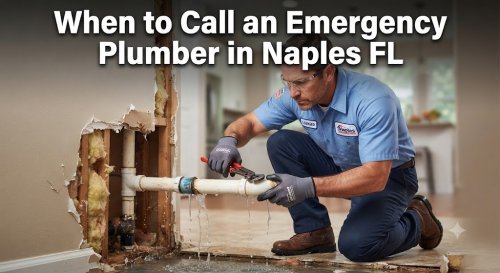
Imagine coming home after spending the afternoon at Vanderbilt Beach, only to open your front door and step into two inches of standing water. Or waking up at 3 AM to the sound of spraying water behind your bathroom wall. A burst pipe is one of the most stressful, destructive emergencies a property owner can face.
This crisis affects homeowners, seasonal residents, and business owners throughout Naples, FL—from historic homes in Old Naples to condos along Park Shore and residential developments in North Naples. While northern homeowners worry about freezing temperatures, Southwest Florida plumbing faces a different set of intense stresses: aggressive mineral scaling from hard water, high municipal water pressure, coastal air corrosion, and ground movement.
When a pipe splits open, immediate action isn't just helpful—it is vital. Hundreds of gallons of water can pour into your living room in less than an hour, ruining drywall, destroying flooring, and creating a breeding ground for toxic mold in our warm, humid climate. Homeowners search frantically for clear guidance during these exact high-stress moments.
This guide gives you practical, step-by-step instructions on what to do when a pipe bursts in your Naples home, how licensed plumbers fix the issue, what impacts repair costs, and how to protect your property long before an emergency occurs.
What Is a Burst Pipe Emergency?
A burst pipe occurs when structural stress, internal pressure, or material degradation causes a water supply or drain pipe to crack, split, or rupture entirely. Unlike a slow under-sink drip, a burst pipe releases pressurized water continuously into your floors, ceiling cavities, or foundation.
Common Situations and Examples
-
Washing Machine Hose Ruptures: Braided or rubber supply lines behind your laundry unit split under high municipal pressure while you are away.
-
Foundation Slab Leaks: Copper lines running beneath your home’s concrete slab corrode over time, spraying pressurized water upward into subflooring.
-
Angle Stop Valve Failures: The shutoff valve behind a toilet or bathroom sink breaks off at the wall connection, sending a steady stream of water into cabinet bases.
-
Attic Water Heater Supply Splits: Supply connections on water heaters installed in attics fail, causing ceiling collapse in rooms below.
Key Symptoms of a Burst Pipe
-
The sound of rushing or spraying water inside walls when no faucets are open.
-
Rapidly pooling water on tile, wood, or carpet floors.
-
Sudden, drastic drops in home water pressure.
-
Water staining rapidly expanding across ceilings or drywall.
-
The water meter dial spinning continuously even when all fixtures are turned off.
Why Does a Pipe Burst Happen in Naples, FL?
Many people assume pipes only burst when water freezes inside them. While late-season cold snaps occasionally hit inland Collier County, freezing is far from the primary cause in Southwest Florida.
+-------------------------------------------------------------------------+
|                    PRIMARY CAUSES OF BURST PIPES                        |
+-------------------------------------------------------------------------+
| 1. Hard Water Deposits --> Constricts pipes & accelerates wear        |
| 2. High Water Pressure --> Strains solder joints & thin pipe walls      |
| 3. Internal Corrosion  --> Coastal salt air & age weaken metal pipes    |
| 4. Tree Root Intrusion --> Destroys buried supply & main drain lines    |
| 5. Poor Installation   --> Incorrect fittings or over-torqued valves   |
+-------------------------------------------------------------------------+
Hard Water Scale Buildup
Collier County's municipal water supply contains high levels of minerals like calcium and magnesium. Over years of daily use, this mineral scale adheres to internal pipe walls. As the inner diameter narrows, water flow becomes restricted, building uneven internal friction and localized pressure points that eventually fracture vulnerable sections.
High Municipal Water Pressure
To push water effectively through large residential developments across Naples, Bonita Springs, and Estero, public utilities maintain strong water pressure. If your home's pressure-reducing valve (PRV) wears out, incoming pressure can spike above 80 PSI. This excessive force constantly stresses solder joints, flexible connectors, and aging metal lines.
Chemical and Coastal Corrosion
Naples' proximity to the Gulf of Mexico exposes plumbing systems to salty, humid air. In older homes built with galvanized steel or thin-walled copper, internal water chemistry combined with external coastal atmospheric conditions causes galvanic corrosion. Pipe walls thin until they can no longer hold pressure.
Tree Root Encroachment
Deep-rooting tropical plants like ficus, banyan trees, and large palms search aggressively for moisture. Underground supply lines and sewer main laterals develop microscopic hairline cracks over time. Roots enter these cracks, swell as they drink the water, and expand until the line ruptures.
Improper Installation and Aging Materials
Using incompatible pipe metals without dielectric unions, over-tightening plastic fittings, or installing cheap unbranded supply lines creates stress points. Coupled with standard age-related wear, these installation errors make pipes prone to sudden failures.
Signs You Should Never Ignore
Plumbing lines rarely explode without sending warning signals first. Recognizing early red flags keeps a simple leak from becoming an emergency disaster.
-
Water Stains on Ceilings or Walls: Brownish or yellowish rings on drywall mean moisture is accumulating within structural cavities.
-
Unexplained Drops in Water Pressure: If shower pressure drops suddenly across the house, water is likely escaping through a breach upstream.
-
Spikes in Your Water Bill: A sudden, unaccounted-for jump in monthly water consumption often means an underground or under-slab pipe is actively leaking.
-
Damp Walls or Warm Spots on Floors: Warm areas on tile or concrete floors usually indicate a hot water line burst under the foundation slab.
-
Rapid Mold and Mildew Growth: Mold thrives in dark, damp spaces within 24 to 48 hours. Dark spots on baseboards or lower drywall warrant immediate investigation.
-
Strange Noises: Hissing, banging (water hammer), or constant running water noises behind walls signal active structural pressure or leaks.
-
Discolored or Rusty Water: Water coming out reddish-brown indicates internal pipe wall breakdown, structural flaking, and impending pipe failure.
Common Plumbing Problems Related to Burst Pipes
A burst pipe often triggers—or is caused by—other major home plumbing issues:
                  +-----------------------------------+
                  |      RELATED PLUMBING ISSUES      |
                  +-----------------------------------+
                                    |
       +----------------------------+----------------------------+
       |                            |                            |
+--------------+             +--------------+             +--------------+
| Supply Side  |             |  Drain Side  |             |  Equipment   |
+--------------+             +--------------+             +--------------+
| • Slab Leaks |             | • Sewer Line |             | • Water      |
| • PRV Failure|             |   Backups    |             |   Heater     |
| • Broken     |             | • Main Drain |             |   Splits     |
|   Angle Stops|             |   Clogs      |             | • Fixture    |
+--------------+             +--------------+             +--------------+
What to Do Immediately When a Pipe Bursts (Step-by-Step DIY Mitigation)
Before the plumber arrives, taking immediate action minimizes water damage to your home and personal property.
+-------------------------------------------------------------------------+
|                  IMMEDIATE ACTION STEPS FOR BURST PIPES                 |
+-------------------------------------------------------------------------+
| Step 1: Shut off main water valve immediately                           |
| Step 2: Turn off electricity to affected areas (if safe)                |
| Step 3: Open faucets to drain remaining water from system               |
| Step 4: Shut off power/gas to water heater                              |
| Step 5: Document damage with photos & video for insurance               |
| Step 6: Call a licensed emergency plumber                               |
+-------------------------------------------------------------------------+
-
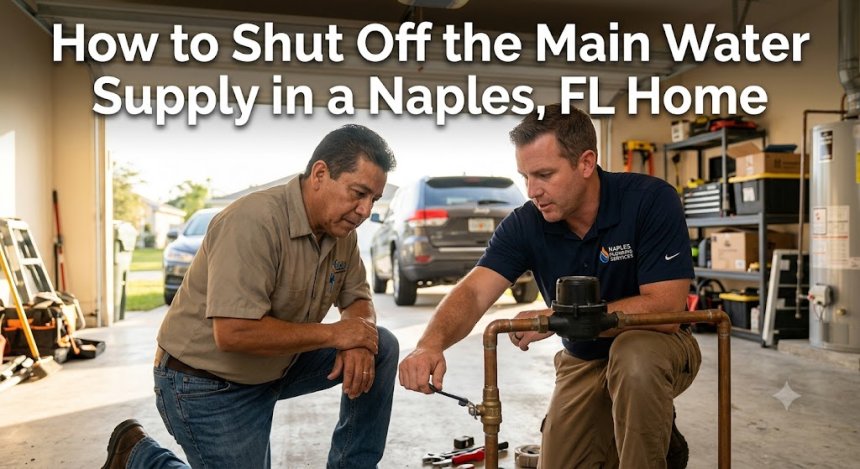
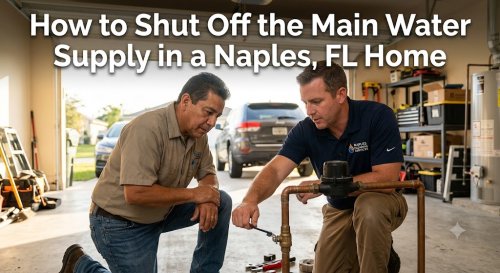
Shut Off the Main Water Supply: Locate your main shutoff valve (usually near your water meter by the curb, or where the main line enters the garage/house). Turn the valve clockwise until it closes completely.
-
Turn Off Electrical Power (If Safe): If water is pooling near electrical outlets, appliances, or breaker boxes, shut off power to those zones at the main panel. Never stand in water to flip electrical switches.
-
Drain Remaining Water Lines: Open sink faucets and outdoor hose spigots at the lowest points of your home to drain residual water standing in the lines.
-
Turn Off Water Heater Power: Switch off the circuit breaker for electric water heaters (or turn gas valves to "Pilot") to prevent the heating elements from burning out when water drains from the tank.
-
Document Everything: Take detailed photos and videos of pooled water, damaged ceilings, flooring, and affected belongings for your homeowners insurance claim.
-
Call an Emergency Plumber: Contact a local, licensed plumbing contractor immediately to dispatch a service technician.
Professional Step-by-Step Repair Process
Once an emergency plumber arrives at your Naples home, they follow a systematic process to resolve the crisis safely:
Step 1: Arrival and Site Safety Inspection
The plumber verifies the water supply is isolated, checks for structural or electrical hazards around standing water, and stabilizes the work area.
Step 2: Advanced Diagnostic Identification
Using non-invasive equipment like acoustic leak detectors, thermal imaging cameras, or moisture meters, the plumber pinpoints the exact break location—especially if the pipe is hidden inside a wall cavity or under a concrete slab.
Step 3: Upfront Repair Estimate
After diagnosing the failure, the technician outlines your options (e.g., localized pipe repair versus a section repipe), explains the steps, and gives you an upfront cost estimate.
Step 4: Professional Repair Execution
The technician removes damaged pipe sections and installs high-grade replacement piping (such as Type L copper or PEX supply lines) using code-approved fittings and commercial joining techniques.
Step 5: Pressure Testing and System Verification
The plumber re-pressurizes the plumbing network, monitors gauges for pressure drops, and verifies that all joints are watertight under full city pressure.
Step 6: Site Cleanup and Debris Removal
The work area is cleared of worn materials, water residue is wiped down, and tools are packed away cleanly.
Step 7: Preventative Recommendations
Before leaving, the plumber offers guidance on preventative steps—such as replacing PRV valves or scheduling maintenance—to keep other aging pipes from failing.
Can You Fix a Burst Pipe Yourself? (Safe DIY vs. Professional Needs)
During a stressful leak, trying a quick DIY repair can be tempting. However, knowing what is safe to tackle yourself versus what demands a licensed professional protects your home from far worse structural damage.
+------------------------------------+------------------------------------+
| SAFE EMERGENCY DIY ACTIONS         | DANGEROUS DIY RISKS                |
+------------------------------------+------------------------------------+
| • Closing main shutoff valve       | • Soldering wet supply lines       |
| • Applying temporary pipe clamps   | • Cutting into walls blindly       |
| • Catching drips with buckets      | • Patching slab leaks with epoxy   |
| • Soaking up standing floor water  | • Modifying gas water heater lines |
+------------------------------------+------------------------------------+
Safe Temporary Fixes
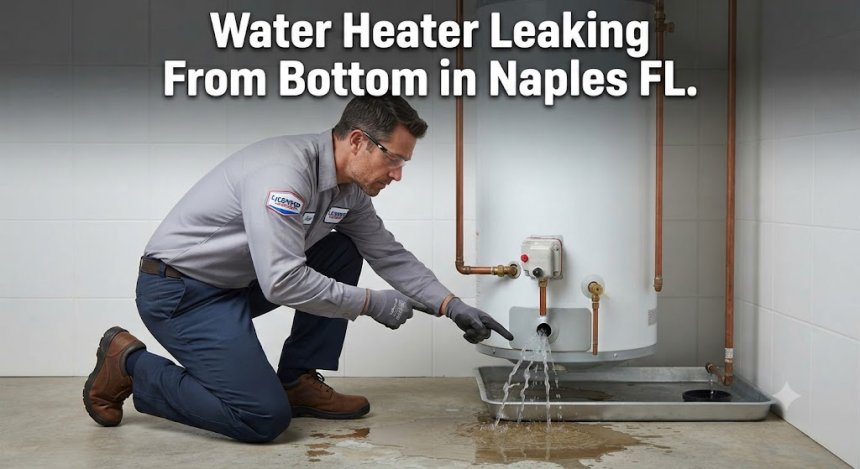
If water is completely shut off, applying a rubber pipe repair sleeve or emergency pipe clamp over a small pinhole leak can act as a temporary stopgap while you wait for a plumber. However, this is strictly temporary—never leave a clamped pipe under continuous pressure long-term.
When DIY Becomes Dangerous
Never attempt to solder copper lines near damp insulation, cut into concrete slabs without locator equipment, or bypass pressure regulators. DIY patches applied over structural pipe cracks routinely fail under full municipal pressure, flooding homes when residents are asleep or away. Always hire a licensed plumber for permanent structural pipe repairs.
Specialized Tools Professionals Use
Professional plumbing companies rely on modern equipment to find and fix burst pipes cleanly:
-
Acoustic & Ultrasonic Leak Detectors: Sensitive ground microphones that isolate the sound of pressurized water escaping underneath concrete slabs or behind tile walls.
-
Thermal Imaging Cameras: Infrared scopes that detect temperature shifts behind drywall, revealing hidden moisture paths without tearing down walls unnecessarily.
-
Pipe Inspection Cameras: High-definition video probes guided through sewer and drain lines to inspect internal pipe conditions.
-
Digital Pressure Gauges: High-precision instruments used to measure static pressure spikes and verify whole-house system integrity post-repair.
How Long Does a Burst Pipe Repair Take?
Repair timelines depend on pipe accessibility, structural location, and damage extent.
| Repair Complexity | Real-World Examples | Average Timeline | Key Impact Factors |
| Simple Repair | Exposed pipe leak in garage, failed shutoff valve | 1 to 3 hours | Easy access, simple fitting replacement |
| Moderate Repair | Wall cavity leak, water heater line replacement | 3 to 6 hours | Drywall removal, working in tight spaces |
| Major Repair | Foundation slab leak, main sewer pipe split | 1 to 3 days | Concrete cutting, pipe rerouting, permits |
| Emergency Mitigation | Water isolation, temporary bypass, safety shutoff | 30 to 90 min | Distance to main valve, initial damage |
Cost Factors for Burst Pipe Repairs
Plumbing repair costs vary depending on the severity of the problem, accessibility, materials required, emergency service, property type, and local labor rates.
Understanding the main variables that shape your bill prevents surprises:
Diagnostic and Call Out Fees
Dispatching an emergency crew outside regular business hours involves after-hours travel fees and preliminary diagnostic charges to pinpoint the break.
Emergency Labor Rates
After-hours, weekend, or holiday service calls require higher hourly labor rates or flat-rate emergency fees to cover 24/7 staff availability.
Pipe Location and Accessibility
A pipe bursting in an exposed, accessible area like a garage wall is much simpler to repair than a pipe buried under a reinforced concrete slab, which requires slab cutting or wall rerouting.
Replacement Parts and Materials
High-grade PEX tubing, copper pipe fittings, main shutoff valves, and commercial pressure regulators vary in cost based on material grade and manufacturer.
Structural Permits and Code Compliance
Major plumbing overhauls, slab reroutes, or main sewer line repairs across Naples and Collier County may require local municipal building permits to verify safety compliance.
Hidden Truths Homeowners Should Know
Knowing these practical realities helps you manage plumbing issues wisely and protect your finances:
-
Small Pinhole Leaks Cause Massive Damage: A tiny hairline leak releasing just 10 gallons a day inside a wall will rot structural studs and fuel mold outbreaks long before water reaches your floorboards.
-
Temporary Fixes Are Not Permanent Solutions: Rubber patches, epoxy putty, and pipe tape will inevitably fail under daily water pressure fluctuations.
-
Homeowners Insurance Doesn't Cover Neglect: Insurance policies usually cover sudden water damage, but insurers frequently reject claims if the damage resulted from long-unaddressed leaks or skipped maintenance.
-
Tree Roots Damage Sewer Lines repeatedly: Hydro jetting clears roots temporarily, but unless the cracked line is lined or replaced, roots will grow back into the pipe.
-
Hard Water Shortens Fixture Lifespans: Unconditioned hard water degrades internal seals in faucets, toilets, and water heaters long before their expected service lifespan ends.
-
Delaying Repairs Increases Costs exponentially: Waiting to report a leak to avoid emergency fees often results in thousands of dollars in added floor restoration, drywall repair, and mold remediation costs.
15 Common Mistakes Homeowners Make
-
Ignoring Subtle Drips: Letting small fixture drops slide until internal seals explode under pressure.
-
Using Caustic Chemical Drain Cleaners: Eating away at metal and plastic pipe walls from the inside out.
-
Flushing "Flushable" Wipes: Creating dense clogs that back up main drain lines and burst weak pipe joints.
-
Pouring Cooking Oils Down Kitchen Drains: Allowing hot fats to harden inside underground drain pipes.
-
Ignoring High Water Pressure: Operating over 75 PSI without a functional Pressure Reducing Valve.
-
Hiring Unlicensed Handymen: Risking improper repairs, lack of insurance coverage, and building code violations.
-
Skipping Water Heater Flushes: Letting sediment build up into an insulating layer that overheats tank bottoms.
-
Waiting for After-Hours Emergencies to Act: Ignoring clear warning signs during normal business hours.
-
Over-Tightening Threaded Plumbing Joints: Cracking plastic valve bodies and supply line nuts during DIY attempts.
-
Not Knowing Where the Main Water Shutoff Is: Wasting critical minutes searching for valves while water floods your home.
-
Using Incompatible Metals: Joining copper and steel directly without dielectric unions, leading to rapid corrosion.
-
Leaving Garden Hoses Attached: Causing backed-up static pressure against outdoor bib valves during brief cold spells.
-
Hanging Heavy Items from Exposed Pipes: Placing structural stress on copper or PEX lines in utility spaces.
-
Skipping Sump Pump Tests: Failing to verify relief pumps before seasonal storms strike.
-
Hiring Plumbers Based Solely on the Lowest Estimate: Choosing bargain quotes that leave out diagnostic, permits, or high-grade materials.
15 Practical Maintenance Tips to Prevent Pipe Bursts
-
Test your main water shutoff valve twice a year to ensure it turns easily without binding.
-
Install braided stainless steel supply lines on all toilets, sinks, and washing machines.
-
Have a plumber test your incoming water pressure annually; install a PRV if it exceeds 70 PSI.
-
Flush your traditional tank water heater once a year to flush out abrasive mineral sediment.
-
Fit drain strainers over all tub and shower drains to catch hair before it forms main-line clogs.
-
Never pour fats, oils, or grease down any drain in your home.
-
Avoid using chemical drain openers; use a plunger or mechanical drain snake instead.
-
Insulate any exposed outdoor pipes or hose bibs near your home's exterior walls.
-
Schedule an annual plumbing inspection to check exposed pipe joints for early corrosion signs.
-
Have a licensed plumber inspect aging cast iron or galvanized pipes in older homes.
-
Keep large trees and deep-rooting shrubs planted far away from buried sewer lines.
-
Replace washing machine supply hoses every 5 years, even if they show no outer wear.
-
Install automatic leak detection shutoff valves on main supply lines or water heaters.
-
Keep cabinets under sinks organized so stored items don't knock against water lines.
-
If leaving your Naples home vacant for the summer, turn off the main water valve and drain lines.
When Should You Call an Emergency Plumber?
Call an emergency plumber immediately when you face any of these situations:
+-------------------------------------------------------------------------+
|                    EMERGENCY CALL OUT CHECKLIST                         |
+-------------------------------------------------------------------------+
| [ ] Active pipe burst flooding interior living spaces                   |
| [ ] Sewage backing up through bathtubs, floor drains, or toilets        |
| [ ] Complete, unexplained loss of water service across the home         |
| [ ] Ruptured water heater tank spilling water continuously              |
| [ ] Water leaking near main electrical panels, outlets, or appliances   |
+-------------------------------------------------------------------------+
Taking immediate action stops active flooding, minimizes structural restoration expenses, and eliminates safety hazards.
Frequently Asked Questions
Why is my water pressure suddenly low?
A sudden drop in home water pressure typically signals a major active leak in your supply plumbing, a damaged pressure-reducing valve, or a burst pipe under your foundation slab.
How much does leak detection cost in Naples, FL?
Professional leak detection using thermal imaging and ultrasonic acoustic tools generally costs between $200 and $450, depending on the structure size and access requirements.
Can a clogged drain cause a pipe to burst?
Yes. Complete drain blockages cause standing water to build high static pressure inside waste lines. Severe pressure combined with old, corroded pipes can cause joint splits.
Is hydro jetting safe for older pipes?
Hydro jetting is safe when conducted by a professional plumber who first performs a video camera camera inspection to confirm the pipe wall integrity and set appropriate PSI levels.
How do I know if my sewer line is broken underground?
Signs include recurring multi-drain backups, unexplained gurgling in toilets, foul sewer gas smells outdoors or near drains, and unusually lush or sunken patches in your lawn.
How long do water heaters last in Southwest Florida?
Due to local hard water, standard tank water heaters typically last 8 to 11 years, while tankless water heaters last 15 to 20 years with regular maintenance.
Why does my faucet drip continuously?
Continuous faucet drips are usually caused by deteriorated internal rubber O-rings, worn ceramic cartridges, or mineral scale buildup that prevents the valve from closing tight.
What causes pipes to burst if it doesn't freeze in Naples?
Pipes burst in Naples primarily due to high municipal water pressure, heavy hard water mineral scale, internal metal corrosion, physical strain from tree roots, and improper installation.
Can plumbing leaks increase my water bill?
Yes. Even a small, continuous pinhole leak can waste hundreds of gallons of water per week, resulting in a sudden, expensive spike in your monthly utility bill.
When should I replace my plumbing instead of repairing it?
Consider a full or partial repipe if your home has recurring pipe leaks, discolored water, visible advanced corrosion across multiple joints, or original polybutylene piping.
Why Choose Incas Plumbing?
When a pipe bursts in your Naples home, you need a dependable, local plumbing contractor who responds fast and delivers long-lasting repairs. Incas Plumbing serves homeowners and business owners across Naples, Marco Island, Bonita Springs, and Collier County.
-
Experienced Licensed Plumbers: Qualified technicians who troubleshoot and fix complex pipe failures safely and efficiently.
-
Upfront Estimates & Honest Advice: Clear explanations of your repair options without hidden fees or high-pressure upsells.
-
Fast Response & Emergency Service: Dedicated emergency dispatch ready to protect your home when crisis strikes.
-
Modern Diagnostic Equipment: High-resolution cameras, ultrasonic leak detectors, and high-pressure jetting technology for accurate work.
-
Customer Satisfaction Focused: Dependable workmanship, clean job sites, and reliable service built on local trust.
Don't let a burst pipe ruin your home. Call Incas Plumbing today at (844) 973-0400 or visit our local office at Dale Ave, Naples for immediate assistance!