Clogged Drain: Why It Keeps Happening
Learn why clogged drains keep happening, common causes, warning signs, prevention tips, repair methods, costs, and when to call a professional plumber.
Clogged Drain: Why It Keeps Happening
A clogged drain is one of the most common plumbing problems homeowners experience. While a single slow drain may seem like a minor inconvenience, a drain that keeps clogging is usually a sign of a deeper plumbing issue.
Many homeowners try quick fixes such as chemical drain cleaners or plungers, only to find the problem returns again after a short time. Recurring drain clogs often happen because the actual cause has not been identified.
Understanding why your clogged drain keeps happening can help you prevent repeated problems, avoid costly damage, and know when professional drain cleaning is necessary.
Incas Plumbing helps homeowners diagnose recurring drainage problems and provides reliable plumbing solutions designed to restore proper water flow.
What Is a Clogged Drain?
A clogged drain occurs when something blocks the normal flow of water through your plumbing pipes.
A blockage may develop in:
- Kitchen sinks
- Bathroom sinks
- Bathtubs
- Shower drains
- Toilets
- Laundry drains
- Main sewer lines
Small clogs usually affect one fixture, while larger plumbing problems may impact multiple drains throughout your home.
For example, a bathroom sink may become clogged because of hair and soap buildup, while several slow drains at the same time may indicate a problem deeper inside your plumbing system.
Why Does a Clogged Drain Keep Happening?
Recurring drain clogs usually happen because something continues building up inside the pipes or because there is an underlying plumbing problem.
1. Hair Buildup
Hair is one of the most common causes of bathroom drain clogs.
Over time, hair combines with:
- Soap residue
- Shampoo products
- Body oils
- Mineral deposits
This creates a sticky blockage that restricts water flow.
2. Grease and Food Waste in Kitchen Drains
Kitchen sinks frequently clog because homeowners pour grease, oil, and food particles down the drain.
Although grease may seem harmless when warm, it cools inside pipes and sticks to the walls. Over time, layers of grease collect and reduce the pipe opening.
3. Soap Scum and Mineral Deposits
Hard water contains minerals that can accumulate inside pipes.
Mineral buildup can:
- Narrow pipe openings
- Slow drainage
- Trap debris
- Increase clog frequency
Homes with hard water often experience recurring drain issues.
4. Flushing Incorrect Items
Toilets are designed for human waste and toilet paper only.
Items that commonly cause clogs include:
- Baby wipes
- Paper towels
- Cotton products
- Cleaning wipes
- Hygiene products
Even products labeled "flushable" may contribute to blockages.
5. Tree Root Intrusion
Tree roots can enter underground sewer pipes through small cracks.
As roots grow inside the pipe, they can:
- Block wastewater flow
- Cause repeated backups
- Damage sewer lines
Tree root problems often require professional inspection.
6. Damaged or Old Pipes
Aging pipes may develop:
- Cracks
- Corrosion
- Pipe collapse
- Rough interior surfaces
Damaged pipes collect debris more easily and may cause frequent clogs.
7. Improper Drain Installation
Poor pipe slope, incorrect connections, or improper installation can prevent water from flowing correctly.
These issues often cause repeated drainage problems.
Signs You Should Never Ignore
Recurring clogs often come with warning signs that indicate a larger plumbing problem.
Slow Drainage
Water that takes longer than normal to drain may indicate buildup inside pipes.
Multiple Clogged Fixtures
If your toilet, sink, and shower drains are affected at the same time, the problem may involve your main sewer line.
Gurgling Sounds
Bubbling or gurgling noises usually mean trapped air caused by restricted water flow.
Bad Odors
A foul smell coming from drains may indicate trapped waste, bacteria buildup, or sewer issues.
Water Backups
Water coming back through drains is a serious warning sign that requires professional attention.
Frequent Need for Drain Cleaners
If you constantly use drain cleaners but the problem returns, the blockage may not be fully removed.
Common Plumbing Problems Related to Clogged Drains
Recurring clogs may be connected with other plumbing issues.
Sewer Line Blockages
A blockage in the main sewer line can affect multiple drains.
Pipe Damage
Cracked or damaged pipes collect debris and create repeated problems.
Slow Sewer Flow
Restricted sewer pipes may cause backups and unpleasant odors.
Water Damage
Overflowing drains can damage floors, walls, and cabinets.
Mold Growth
Standing water creates conditions where mold can develop.
Step-by-Step Professional Drain Cleaning Process
A professional plumber typically follows a detailed process.
Step 1: Inspection
The plumber checks:
- Drain symptoms
- Pipe condition
- Fixture performance
- Previous repairs
Step 2: Identify the Cause
The plumber determines whether the issue is caused by:
- Buildup
- Foreign objects
- Pipe damage
- Sewer problems
Step 3: Choose the Right Cleaning Method
Depending on the blockage, solutions may include:
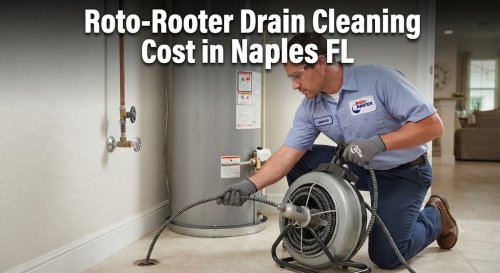
- Drain snaking
- Hydro jetting
- Pipe repair
- Sewer cleaning
Step 4: Remove the Blockage
Professional tools are used to clear debris and restore proper flow.
Step 5: Test the Drain
The plumber checks drainage speed and confirms the blockage has been removed.
Step 6: Provide Maintenance Advice
Recommendations may include prevention tips and inspection schedules.
Can You Fix a Clogged Drain Yourself?
Homeowners can try basic solutions for minor clogs, including:
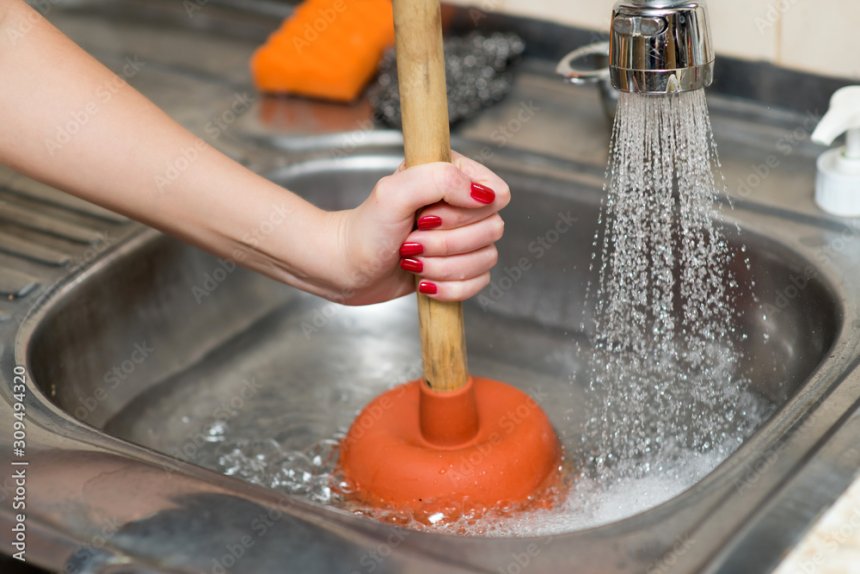
- Using a plunger
- Removing visible debris
- Cleaning drain screens
- Running hot water after grease exposure
However, repeated clogs usually require professional evaluation.
DIY methods may become risky when:
- The clog is deep inside pipes
- Multiple drains are affected
- Sewage is backing up
- Pipes are damaged
Chemical drain cleaners should be used carefully because they can damage certain plumbing materials and create safety concerns.
Tools Professionals Use for Drain Problems
Drain Snakes
Used to remove common blockages inside pipes.
Hydro Jetting Equipment
Uses high-pressure water to clean buildup from pipe walls.
Drain Cameras
Allow plumbers to inspect pipe interiors.
Pipe Locators
Help identify underground pipe locations.
Pressure Testing Equipment
Helps identify certain plumbing issues.
How Long Does Drain Cleaning Usually Take?
The repair time depends on the severity and location of the clog.
Minor Drain Clogs
Simple blockages may be cleared quickly.
Deep Drain Blockages
More complicated clogs may require additional equipment.
Sewer Line Problems
Major blockages or damaged pipes may require longer repairs.
Factors affecting repair time include:
- Location of clog
- Pipe condition
- Required equipment
- Accessibility
Cost Factors for Clogged Drain Repair
Drain cleaning costs vary depending on several factors.
Important cost considerations include:
- Type of blockage
- Drain location
- Inspection requirements
- Cleaning method
- Labor time
- Emergency service needs
- Pipe repairs
Plumbing repair costs vary depending on the severity of the problem, accessibility, materials required, emergency service, property type, and local labor rates.
A professional plumber can provide an accurate estimate after evaluating the issue.
Hidden Truths Homeowners Should Know About Clogged Drains
- A recurring clog usually indicates an underlying problem.
- Chemical cleaners often provide only temporary relief.
- Small blockages can become major backups.
- Older pipes clog more frequently.
- Tree roots can repeatedly damage sewer lines.
- Ignoring slow drains can lead to water damage.
- Professional inspections identify hidden problems.
- Regular maintenance saves money over time.
- Preventing clogs is easier than repairing damage.
- Proper disposal habits protect your plumbing system.
15 Common Mistakes Homeowners Make
1. Pouring Grease Down Drains
Grease creates stubborn pipe buildup.
2. Flushing Wipes
Wipes can create serious blockages.
3. Ignoring Slow Drains
Slow drainage often indicates developing problems.
4. Overusing Chemical Cleaners
Chemicals may damage pipes.
5. Skipping Drain Maintenance
Regular cleaning prevents buildup.
6. Using Incorrect Tools
Wrong tools can damage fixtures.
7. Ignoring Multiple Clogs
Multiple affected drains may indicate sewer problems.
8. Delaying Professional Help
Small issues can become emergencies.
9. Putting Food Scraps Into Garbage Disposals Incorrectly
Certain foods cause blockages.
10. Allowing Hair Into Shower Drains
Hair buildup creates frequent clogs.
11. Ignoring Sewer Odors
Bad smells may indicate deeper issues.
12. Attempting Major Pipe Repairs
Incorrect repairs increase costs.
13. Not Protecting Outdoor Drains
Debris can enter plumbing systems.
14. Skipping Plumbing Inspections
Hidden issues remain unnoticed.
15. Waiting Until Complete Blockage
Emergency repairs are often more expensive.
Maintenance Tips to Prevent Clogged Drains
- Install drain screens
- Remove hair regularly
- Avoid pouring grease down drains
- Dispose of food waste properly
- Flush only toilet paper
- Clean drains periodically
- Use hot water after kitchen use
- Schedule professional drain cleaning
- Monitor slow drainage
- Inspect older pipes
- Avoid harsh chemicals
- Maintain garbage disposals
- Check outdoor drainage areas
- Fix leaks quickly
- Schedule annual plumbing inspections
When Should You Call an Emergency Plumber?
Call a professional plumber immediately if you experience:
- Sewage backups
- Multiple blocked drains
- Overflowing toilets
- Standing wastewater
- Strong sewage odors
- Water damage
Quick action can prevent contamination and expensive repairs.
People Also Ask
Why does my drain keep clogging?
Recurring clogs are usually caused by buildup, damaged pipes, tree roots, or improper disposal habits.
How do plumbers clear stubborn drains?
Professionals use tools such as drain snakes, cameras, and hydro jetting equipment.
Are chemical drain cleaners safe?
Frequent use may damage some plumbing systems and does not always remove the actual blockage.
How can I prevent clogged drains?
Proper disposal habits, drain screens, and regular maintenance help prevent clogs.
Can a clogged drain damage pipes?
Yes. Severe blockages can increase pressure and contribute to pipe damage.
Why are multiple drains clogged at once?
Multiple clogged fixtures may indicate a main sewer line problem.