Drain Cleaning Cost Naples FL: Pricing & Guide | Incas Plumbing
Discover drain cleaning costs in Naples, FL. Learn causes, warning signs, DIY limits, and professional solutions from Incas Plumbing. Call (844) 973-0400.
How Much Does Drain Cleaning Cost in Naples, FL? Comprehensive Pricing Guide
Introduction
Dealing with a sluggish sink, a gurgling shower, or a completely backed-up toilet is one of the most frustrating experiences a homeowner or business owner can face. In Naples, FL, stubborn clogs and slow drains are common issues caused by a combination of mineral-heavy local water, stubborn hair and soap scum buildup, and aggressive subtropical tree roots searching for moisture. When drains fail, daily routines come to a grinding halt, and property owners instantly search for reliable solutions and transparent pricing.
Understanding what goes into drain cleaning costs in Naples helps you make informed decisions, avoid unexpected expenses, and choose the right professionals for the job. Read on to discover what influences drain cleaning pricing, what to expect during a service call, and why prompt action saves you money in the long run.
What Is Drain Cleaning?
Drain cleaning is the specialized process of removing obstructions, buildup, and debris from residential or commercial plumbing systems to restore proper water flow.
Common situations requiring drain cleaning include kitchen sinks choked with grease and food waste, bathroom tubs and showers clogged with hair and soap scum, and main sewer lines invaded by tree roots. Symptoms of a clogged drain range from slow-draining water and unpleasant odors rising from the pipes to gurgling sounds in the plumbing and standing water around floor drains. For instance, if your kitchen sink fills up and drains at a snail's pace every time you run the dishwasher, you are dealing with a localized or main line blockage that requires professional intervention.
Why Does This Plumbing Problem Happen?
Drain clogs and blockages do not happen overnight. They are typically the result of gradual accumulation or external environmental factors acting upon your plumbing system.
-
Aging Pipes and Corrosion: Older cast iron or galvanized steel pipes develop internal rust scaling and rough patches that easily catch grease, hair, and debris.
-
Aggressive Tree Roots: In Naples, lush landscaping means tree roots constantly seek out moisture. Tiny cracks or joints in underground sewer lines invite roots in, leading to massive clogs.
-
Hard Water Buildup: High mineral content in local water supplies leaves scale deposits inside pipes over time, slowly narrowing the interior diameter of the drainage system.
-
Improper Disposal Habits: Flushing "flushable" wipes, paper towels, hygiene products, or pouring cooking grease, coffee grounds, and starchy food waste down drains creates stubborn blockages.
-
Poor Maintenance: Neglecting regular preventative cleaning allows minor buildup to mature into solid, impenetrable blockages.
Signs You Should Never Ignore
Recognizing early warning signs can mean the difference between a simple, inexpensive snaking and a costly sewer line excavation. Watch out for these red flags:
-
Slow Drains: Water taking longer than usual to empty from sinks, tubs, or showers indicates narrowing pipes.
-
Foul Odors: Persistent rotting food or sewage smells around drains point to trapped debris or venting issues.
-
Gurgling Sounds: Bubbling noises when water drains mean trapped air is struggling to escape past a blockage.
-
Multiple Fixtures Clogging: When a toilet backs up every time you run the washing machine, the issue lies deep in the main sewer line.
-
Standing Water: Puddles forming near basement floor drains or in the yard above the sewer line signal a severe backup.
Common Plumbing Problems Related to This Issue
Drain blockages rarely exist in a vacuum. If left unaddressed, they trigger a cascade of related plumbing emergencies:
-
Pipe Leaks and Bursts: Increased internal pressure from a severe clog can cause weak pipe joints to crack or burst.
-
Sewer Backups: Raw sewage overflowing into bathtubs and showers creates severe health hazards and property damage.
-
Fixture Damage: Constant standing water ruins cabinetry, subflooring, and bathroom fixtures.
-
Slab Leaks: Corroded or stressed pipes running beneath concrete foundations can begin leaking, threatening the structural integrity of your home.
Step-by-Step Professional Repair Process
When you hire a licensed plumbing expert from Incas Plumbing to clear your drains, you can expect a systematic, thorough approach:
-
Step 1: Inspection: The plumber assesses the affected fixtures and listens to your description of the problem.
-
Step 2: Diagnosis: Using advanced waterproof sewer cameras, the technician peers inside the pipes to locate the exact clog, crack, or root intrusion.
-
Step 3: Estimate: You receive a clear, upfront explanation of the findings and a transparent cost estimate before any work begins.
-
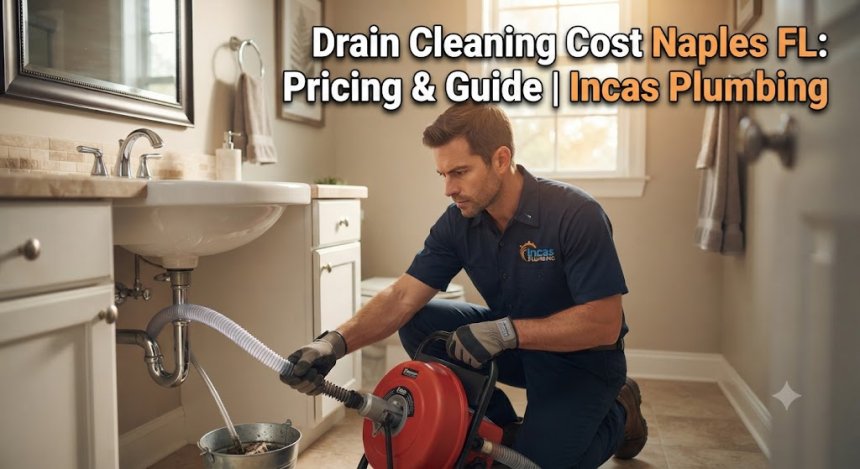
Step 4: Repair: The technician employs the appropriate method—such as motorized augering, snaking, or hydro jetting—to completely clear the obstruction.
-
Step 5: Testing: Water is run through the system to ensure smooth, rapid drainage and confirm the blockage is entirely gone.
-
Step 6: Cleanup: The work area is meticulously cleaned, leaving your home as tidy as it was found.
-
Step 7: Maintenance Advice: The plumber provides tailored tips to prevent future clogs and protect your plumbing investment.
Can You Fix It Yourself?
Many homeowners attempt DIY solutions before calling a professional. Understanding the limits of DIY keeps you and your plumbing safe.
-
Safe DIY Solutions: Pouring a kettle of boiling water down a grease-clogged kitchen sink or using a standard plunger on a minor toilet clog can sometimes work.
-
Temporary Fixes: Manual hand snakes (augers) can clear shallow hair clogs in bathroom sink traps.
-
When DIY Becomes Dangerous: Chemical liquid drain cleaners should be avoided. They contain harsh acids that eat away at older pipe walls, release toxic fumes, and pose severe burn hazards if they splash back. Furthermore, aggressive plunging or improper use of heavy-duty rental snakes can crack PVC pipes or punch holes through corroded metal lines.
-
When Professional Help is Necessary: If clogs return frequently, affect multiple fixtures, or involve the main sewer line, professional tools and expertise are required.
Tools Professionals Use
Professional plumbers rely on sophisticated technology to diagnose and resolve drain issues quickly and accurately:
-
Drain Inspection Cameras: High-resolution waterproof cameras mounted on flexible push rods let plumbers see the exact interior condition of pipes.
-
Hydro Jetting Equipment: High-pressure water streams scour pipe walls clean, removing grease, scale, and tree roots completely.
-
Motorized Drain Augers (Snakes): Heavy-duty commercial snakes cut through tough blockages that manual tools cannot touch.
-
Electronic Pipe Locators: Transmitters pinpoint the exact depth and location of underground pipe damage without unnecessary digging.
How Long Does Relief Usually Take?
The duration of a drain cleaning service depends entirely on the complexity of the issue:
-
Simple Clogs: Clearing a single sink or shower trap typically takes 30 to 45 minutes.
-
Moderate Branch Line Clogs: Clearing a stubborn blockage further down the secondary drain line usually takes 1 to 2 hours.
-
Major Main Sewer Line Cleanings: Dealing with extensive root intrusion or heavy grease buildup using hydro jetting takes 2 to 4 hours.
-
Emergency Clearances: Emergency responses follow a similar timeframe once the technician arrives on-site and assesses the situation.
Cost Factors for Drain Cleaning in Naples, FL
While exact flat-rate pricing varies based on individual circumstances, several key factors influence the total cost of professional drain cleaning:
-
Severity and Type of Clog: Simple hair clogs cost less to clear than solid grease blocks or thick tree root invasions.
-
Location of the Blockage: Clearing an accessible P-trap is faster and less expensive than clearing a main sewer line buried underground or beneath a concrete slab.
-
Method Required: Standard mechanical snaking is generally less expensive than specialized high-pressure hydro jetting or camera inspection services.
-
Accessibility: Cleanouts that are buried, blocked by landscaping, or hard to reach require extra labor time.
-
Emergency Service Calls: After-hours, weekend, or holiday emergency dispatches often include standard emergency dispatch fees.
-
Property Type: Commercial properties often feature larger, more complex drainage systems requiring heavy-duty equipment compared to standard residential homes.
Note: Professional plumbing repair costs vary depending on the severity of the problem, accessibility, materials required, emergency service, property type, and local labor rates.
Hidden Truths Homeowners Should Know
Navigating plumbing maintenance involves understanding a few realities that protect your property and wallet:
-
Small Leaks Become Expensive Repairs: Ignoring a slow drain today invites a pipe rupture tomorrow.
-
Cheap Temporary Fixes Often Fail: Store-bought chemical liquids only punch a tiny hole through a clog, leaving residue that quickly traps new debris.
-
Insurance Gaps: Homeowners insurance rarely covers damage resulting from neglected plumbing maintenance.
-
Tree Root Persistence: Roots cut once without chemical root inhibitors or structural repair will grow back stronger.
-
Hard Water Toll: Minerals continuously wear down fixtures and appliance valves throughout your home.
-
DIY Escalation: Using the wrong tools can turn a simple $150 clog into a $2,500 pipe replacement.
-
Hidden Utility Impact: Unresolved drainage issues often coincide with hidden leaks that inflate water bills.
-
Rapid Mold Growth: Moisture from slow leaks encourages harmful mold colonies within 24 to 48 hours.
-
Value of Prevention: Annual preventative drain maintenance significantly extends the lifespan of your plumbing network.
15 Common Mistakes Homeowners Make
-
Ignoring Early Warning Signs: Waiting until a complete backup occurs instead of addressing slow drains promptly.
-
Using Chemical Drain Cleaners: Relying on harsh acids that corrode pipes and endanger family members.
-
Flushing "Flushable" Wipes: Treating wipes like toilet paper despite their inability to break down in sewer lines.
-
Pouring Grease Down Sinks: Letting liquid cooking fats solidify inside cold pipe walls.
-
Overlooking Water Pressure Issues: Ignoring abnormal pressure fluctuations that stress pipe joints.
-
Hiring Unlicensed Handymen: Choosing unverified contractors who lack proper insurance and training.
-
Skipping Routine Maintenance: Failing to schedule periodic professional inspections and cleanings.
-
Waiting Until Emergencies Strike: Calling for help only when water is flooding floors.
-
Using Wrong Pipe Materials During DIY: Mismatching PVC and older metal pipes incorrectly.
-
Over-tightening Plumbing Fittings: Cracking porcelain fixtures or PVC adapters by applying excessive wrench pressure.
-
Disposing of Coffee Grounds: Washing coffee grounds down kitchen sinks where they pack tightly together.
-
Neglecting Outdoor Cleanouts: Letting landscaping overgrow and block access to main sewer cleanout ports.
-
Overloading Garbage Disposals: Forcing fibrous vegetables like celery or potato peels down disposal units.
-
Ignoring Gurgling Toilets: Failing to investigate bubbling sounds when sinks empty.
-
Forcing Mismatched Snakes: Pushing rigid drain augers around tight pipe bends incorrectly.
15–20 Practical Maintenance Tips
Keep your plumbing system flowing smoothly with these expert-backed maintenance guidelines:
-
Use Drain Strainers: Catch hair and food particles in all sinks, tubs, and showers.
-
Scrape Plates Before Washing: Wipe excess grease and food scraps into the trash before washing dishes.
-
Run Cold Water with Disposals: Always run cold water for 15 seconds after operating your garbage disposal to flush debris completely.
-
Flush with Hot Water Weekly: Pour a kettle of boiling water down kitchen drains to melt minor soap and grease buildup.
-
Avoid Chemical Cleaners: Opt for mechanical removal or enzymatic drain cleaners instead.
-
Educate Family Members: Ensure everyone in the household knows what can and cannot be flushed or poured down drains.
-
Schedule Annual Inspections: Have a professional plumber inspect your main sewer line every year.
-
Install Backwater Valves: Protect ground-floor fixtures from municipal sewer surges.
-
Maintain Landscape Roots: Keep large trees and shrubs planted at a safe distance from underground sewer lines.
-
Use Enzyme Treatments: Apply monthly bio-enzymatic drain cleaners to naturally digest organic buildup.
-
Check Water Pressure: Install a pressure reducing valve if your home water pressure exceeds 80 psi.
-
Inspect Outdoor Cleanouts: Keep sewer cleanout caps securely tightened and free of dirt and debris.
-
Address Drips Immediately: Fix dripping faucets and running toilets before they strain your drainage network.
-
Winterize Outdoor Spigots: Disconnect garden hoses and protect outdoor fixtures from rare freezing temperatures.
-
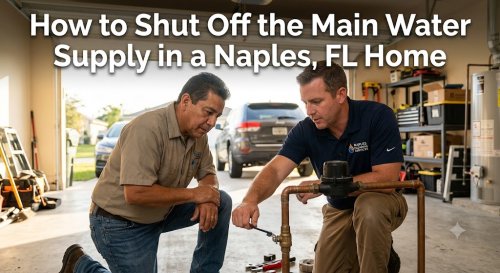
Know Your Shut-Off Valve: Ensure every adult in your home knows how to shut off the main water supply in an emergency.
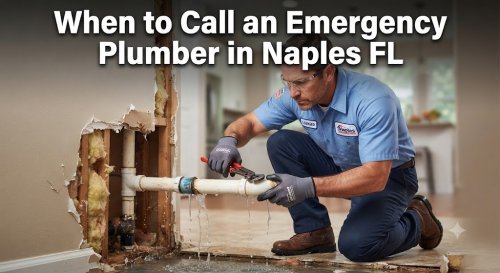
When Should You Call an Emergency Plumber?
Certain plumbing situations demand immediate professional intervention to prevent catastrophic property damage:
-
Severe Sewage Backups: Raw sewage bubbling up through floor drains or bathtubs poses immediate health risks.
-
Burst or Collapsed Pipes: Uncontrolled water gushing from broken supply or drain lines requires instant shut-off and repair.
-
Total Loss of Drainage: When multiple toilets and sinks fail simultaneously, your main sewer line is completely blocked.
-
Active Indoor Flooding: Water pooling rapidly across flooring threatens drywall, cabinetry, and structural foundations.
Frequently Asked Questions
Why is my water pressure suddenly low?
Sudden low water pressure is often caused by a partially closed main shut-off valve, a clogged aerator on a specific faucet, a hidden water leak, or scale buildup in aging pipes.
How much does leak detection cost?
Leak detection costs vary based on whether the leak is visible or hidden behind walls or beneath concrete slabs, requiring specialized electronic acoustic and thermal imaging equipment.
Can a clogged drain damage pipes?
Yes. Severe clogs increase internal hydrostatic pressure and trap corrosive organic waste against pipe walls, leading to cracks, leaks, and joint failures.
Is hydro jetting safe for old pipes?
An experienced professional will perform a camera inspection first. If pipes are structurally sound, hydro jetting is safe and remarkably effective; however, severely damaged or collapsed pipes require repair before jetting.
How do I know if my sewer line is broken?
Frequent backups across multiple fixtures, foul sewage odors in the yard, soggy patches of lawn during dry weather, and sinkholes in your yard strongly indicate a broken sewer line.
How long do water heaters last?
Standard tank water heaters typically last between 8 to 12 years, while tankless water heaters can last 15 to 20 years with proper annual flushing.
Why does my faucet drip?
A dripping faucet is usually caused by a worn-out rubber washer, O-ring, or corroded valve seat inside the fixture handle.
What causes pipes to burst?
Pipes most commonly burst due to freezing temperatures expanding trapped water, extreme internal water pressure, or severe corrosion and material fatigue.
Can plumbing leaks increase my water bill?
Absolutely. Even a small hidden leak running continuously can waste thousands of gallons of water per month, drastically inflating your utility bills.
When should I replace plumbing instead of repairing it?
If your home features outdated polybutylene pipes, chronic corrosion, frequent pinhole leaks, or extensive root damage, replacement is far more cost-effective than endless spot repairs.
Why Choose Incas Plumbing
When plumbing emergencies strike or maintenance is overdue, you need a partner you can trust. At Incas Plumbing, we are proud to serve Naples, FL, and surrounding communities with dedication and expertise.
-
Experienced Licensed Plumbers: Our skilled technicians bring years of hands-on experience to every job.
-
Honest Recommendations: We provide straightforward advice tailored to your home's actual needs without unnecessary upsells.
-
Upfront Estimates: Know the exact cost before work begins with our transparent pricing policy.
-
Fast Response Times: We arrive promptly to resolve your plumbing issues and minimize disruption.
-
Emergency Availability: Our team is ready to assist you when urgent plumbing failures occur.
-
Quality Workmanship: We stand behind our repairs, ensuring lasting results and peace of mind.
-
Modern Equipment: We utilize cutting-edge drain cameras and hydro jetting tools for superior accuracy.
-
Local Expertise: Serving Dale Ave, Naples, and neighboring communities throughout Collier County, we understand local soil, water, and plumbing infrastructure inside and out.