Main Water Line Break: What To Do?
Learn what to do during a main water line break, signs, causes, repair steps, costs, and when to call Incas Plumbing for professional help.
Main Water Line Break: What Should You Do? Complete Emergency Repair Guide
Introduction
A main water line break is one of the most serious plumbing problems a homeowner or business owner can experience. The main water line is responsible for bringing clean water from the city supply or private water source into your property. When this underground pipe breaks, it can create major water loss, property damage, low water pressure, and expensive utility bills.
Unlike a dripping faucet or a small fixture leak, a broken main water line is often hidden beneath the ground. Many homeowners do not realize there is a problem until they notice wet areas in their yard, a sudden drop in water pressure, strange sounds from their plumbing system, or an unexpected increase in their water bill.
A damaged main water line should be addressed quickly because continuous water leakage can affect landscaping, foundations, flooring, walls, and other parts of your property.
Homeowners searching for “what should I do if my main water line breaks?” are usually looking for immediate steps, repair options, expected costs, and guidance on choosing the right plumber.
Incas Plumbing helps homeowners and businesses understand plumbing problems and make informed decisions before starting repairs. If you suspect a damaged main water line, professional inspection is the safest way to identify the issue and prevent further damage.
What Is a Main Water Line Break?
A main water line break happens when the primary pipe that supplies water to your home or business becomes cracked, damaged, or completely broken.
This pipe usually runs underground from the municipal water supply connection to your property. Because it carries water continuously, even a small crack can waste a significant amount of water.
Common situations where a main water line break occurs include:
- A pipe cracking due to age
- Underground corrosion weakening the pipe
- Tree roots damaging the line
- High water pressure causing stress
- Freezing temperatures causing pipe expansion
- Poor installation or outdated materials
For example, a homeowner may notice that every faucet in the house has weak water flow. While many people assume the problem is with individual fixtures, the actual cause may be a damaged main water supply line.
Why Does a Main Water Line Break Happen?
Several factors can cause a main water line to fail.
Aging Pipes
Older plumbing systems naturally experience wear and deterioration. Over time, pipes may develop:
- Corrosion
- Small cracks
- Weak joints
- Reduced water flow
Homes with older plumbing systems are more likely to experience underground pipe problems.
Corrosion
Certain pipe materials can corrode after years of exposure to water and soil conditions.
Corrosion weakens pipe walls and increases the risk of leaks or sudden failure.
Tree Root Damage
Tree roots are naturally attracted to moisture. Underground water lines can become damaged when roots grow around pipes and create pressure.
Roots may:
- Crack pipes
- Separate pipe connections
- Block water flow
Hard Water Damage
Hard water contains minerals that build up inside plumbing systems. Over time, mineral deposits can affect pipe performance and contribute to deterioration.
High Water Pressure
Excessive water pressure puts additional stress on pipes, valves, and plumbing connections.
High pressure can lead to:
- Pipe cracks
- Joint failures
- Premature plumbing damage
Improper Installation
Poor installation practices can shorten the lifespan of a water line.
Examples include:
- Incorrect pipe sizing
- Poor connections
- Improper underground placement
Seasonal Weather Conditions
Extreme weather can damage plumbing systems.
Cold temperatures may freeze water inside pipes, causing expansion and cracking.
Signs You Should Never Ignore
Recognizing early warning signs can help prevent expensive repairs.
Sudden Low Water Pressure
If water pressure drops throughout your entire home, there may be a problem with your main water supply line.
A damaged pipe may not deliver enough water to your fixtures.
High Water Bills
A sudden increase in water usage without any lifestyle changes may indicate a hidden leak.
A broken underground water line can waste large amounts of water.
Standing Water in the Yard
Unexpected puddles or unusually wet areas may indicate underground water leakage.
Damp Walls or Floors
Water escaping from plumbing lines can damage walls, flooring, and building materials.
Mold Growth
Continuous moisture creates conditions where mold can develop.
Strange Plumbing Noises
Hissing, bubbling, or running water sounds when no fixtures are operating may indicate a hidden leak.
Discolored Water
Brown, rusty, or cloudy water may indicate pipe damage or contamination.
Bad Smells
Unusual odors may indicate plumbing damage or water-related issues.
Common Plumbing Problems Related to Main Water Line Breaks
A damaged main water line can create several additional problems, including:
- Pipe leaks
- Burst pipes
- Low water pressure
- Water damage
- Foundation moisture
- Plumbing fixture damage
- Sewer problems
- Drainage issues
- Increased water bills
Ignoring the issue can allow minor damage to become a major plumbing emergency.
What Should You Do During a Main Water Line Break?
If you believe your main water line has broken, take these steps:
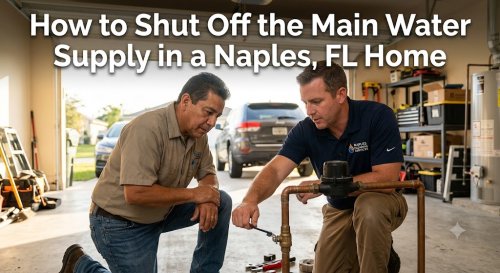
Shut Off the Main Water Valve
Turn off your main water supply immediately.
This reduces water loss and helps prevent additional property damage.
Protect Your Property
Move furniture, electronics, and valuable items away from affected areas.
Avoid Electrical Hazards
Do not touch electrical equipment in areas affected by water.
Call a Professional Plumber
A licensed plumber can inspect the system, locate the damage, and recommend the correct repair solution.
Step-by-Step Professional Main Water Line Repair Process
A professional plumber usually follows a detailed repair process.
Step 1: Inspection
The plumber evaluates:
- Water pressure
- Visible leaks
- Plumbing symptoms
- Property conditions
Step 2: Diagnosis
Professional equipment is used to locate the exact problem.
Step 3: Estimate and Repair Plan
The plumber explains repair options and recommends the best solution.
Step 4: Water Line Repair
Depending on damage, repairs may include:
- Pipe section replacement
- Underground repair
- Complete water line replacement
- Trenchless repair methods
Step 5: Testing
The repaired system is tested for:
- Proper pressure
- Leak prevention
- Correct operation
Step 6: Cleanup
The work area is restored, and maintenance recommendations are provided.
Can You Fix a Main Water Line Break Yourself?
Some emergency steps are safe for homeowners:
- Shut off the water supply
- Remove standing water safely
- Check visible damage
- Contact a plumber
However, repairing a main water line is not usually a DIY project.
Professional repair requires:
- Specialized equipment
- Underground plumbing experience
- Proper materials
- Safety procedures
Incorrect repairs can increase damage and create additional expenses.
Tools Professionals Use for Water Line Repair
Professional plumbers use specialized equipment to improve accuracy.
Leak Detection Equipment
Helps locate hidden leaks without unnecessary excavation.
Pipe Inspection Cameras
Allows plumbers to inspect pipe conditions internally.
Pipe Locators
Identify underground pipe locations before repair.
Pressure Testing Equipment
Checks whether the plumbing system maintains proper pressure.
Trenchless Equipment
Allows certain repairs with less digging and property disruption.
How Long Does Main Water Line Repair Take?
Repair time depends on the severity of the damage.
Simple Repairs
Minor leaks may be repaired within several hours.
Moderate Repairs
Partial pipe replacement may require one day or more.
Major Repairs
Complete water line replacement may take several days depending on:
- Pipe location
- Access conditions
- Weather
- Permits
- Materials
Emergency repairs are usually prioritized to reduce damage.
Cost Factors for Main Water Line Repair
Main water line repair costs vary based on several factors.
Important cost considerations include:
- Severity of damage
- Pipe material
- Labor requirements
- Accessibility of underground pipes
- Equipment needed
- Emergency service charges
- Permit requirements
- Repair versus replacement
Plumbing repair costs vary depending on the severity of the problem, accessibility, materials required, emergency service, property type, and local labor rates.
A professional inspection is necessary to determine the correct repair approach.
Hidden Truths Homeowners Should Know
- Small leaks can become expensive plumbing emergencies.
- Temporary fixes often fail when the underlying problem remains.
- Ignoring leaks can damage foundations and structures.
- Insurance may not cover damage caused by poor maintenance.
- Tree roots can repeatedly damage underground plumbing.
- Hard water can shorten fixture lifespan.
- DIY mistakes often increase repair costs.
- Hidden leaks increase monthly water bills.
- Mold can develop quickly after water damage.
- Regular maintenance helps prevent major plumbing failures.
15 Common Mistakes Homeowners Make
- Ignoring small leaks
- Delaying plumbing repairs
- Using chemical drain cleaners incorrectly
- Flushing non-flushable wipes
- Pouring grease into drains
- Ignoring water pressure changes
- Hiring unlicensed plumbers
- Skipping plumbing inspections
- Waiting until emergencies occur
- Using incorrect pipe materials
- Over-tightening plumbing fittings
- Ignoring unusual plumbing sounds
- Not knowing the main shutoff location
- Attempting complex DIY repairs
- Avoiding professional maintenance
Maintenance Tips to Prevent Main Water Line Problems
- Schedule regular plumbing inspections
- Monitor water bills
- Check outdoor areas for moisture
- Maintain proper water pressure
- Protect pipes during freezing weather
- Avoid planting large trees near water lines
- Repair leaks immediately
- Inspect older plumbing systems
- Keep shutoff valves accessible
- Avoid harsh chemical cleaners
- Check water quality changes
- Maintain drainage systems
- Replace damaged fixtures
- Monitor unusual plumbing noises
- Address small problems early
- Schedule professional leak detection when needed
When Should You Call an Emergency Plumber?
Call a professional plumber immediately if you experience:
- Burst water pipes
- Major water leaks
- Flooding
- No running water
- Sewage backup concerns
- Water near electrical systems
- Severe pressure loss
Quick action can help limit damage and protect your property.
People Also Ask
What should I do if my main water line breaks?
Turn off the main water valve, protect your property, and contact a professional plumber.
How do I know if my underground water line is leaking?
Signs include wet spots, high water bills, low pressure, and unusual water sounds.
Can a broken water line increase my water bill?
Yes. Hidden leaks can waste large amounts of water.
How long does main water line repair take?
Repair time depends on damage severity, accessibility, and repair method.
Can tree roots damage water lines?
Yes. Tree roots can crack underground pipes and damage connections.
Voice Search Questions
- What do I do when my main water line breaks?
- How can I find a broken water pipe underground?
- Who repairs main water lines near me?
- Is a water line break an emergency?
- Why did my home's water pressure suddenly drop?