Why Are My Pipes Making Banging or Whistling Sounds?
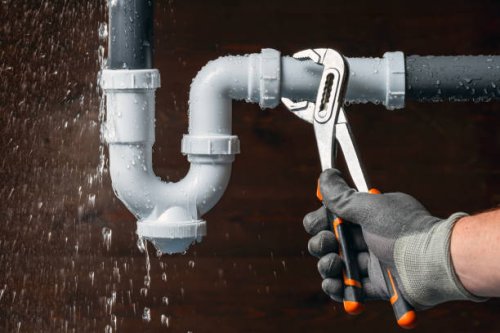
Noisy pipes may indicate loose fittings, high water pressure, trapped air, or plumbing damage. Learn what causes banging, knocking, and whistling pipes and how to fix them.
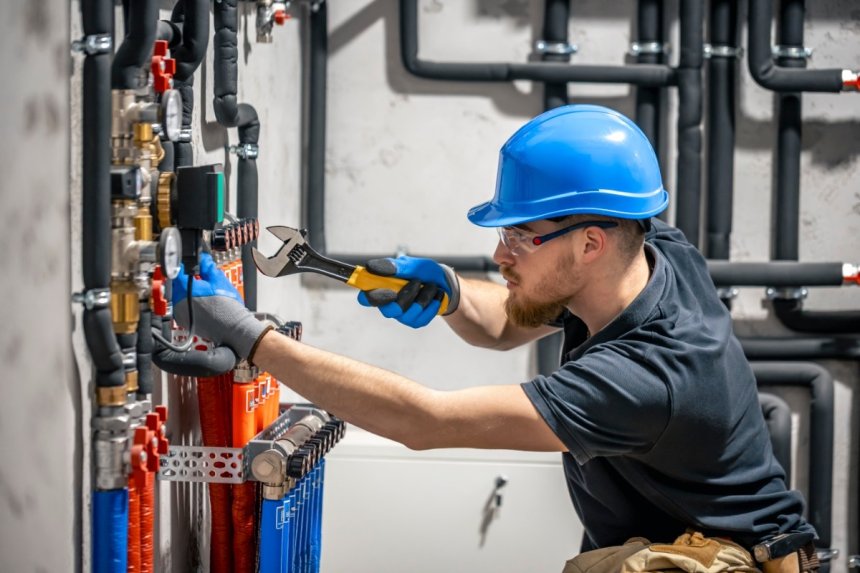
Why Are My Pipes Making Banging, Knocking or Whistling Sounds?
Hearing strange sounds coming from your plumbing system can be concerning. While some pipe noises are harmless, others may indicate a developing plumbing problem that should not be ignored.
Banging, knocking, whistling, or rattling sounds can happen for several reasons, including water pressure issues, loose pipes, trapped air, mineral buildup, or aging plumbing components.
Many homeowners notice these sounds when:
- Turning faucets on or off
- Flushing toilets
- Running appliances
- Using hot water
- Starting or stopping water flow
Understanding why your pipes are making banging, knocking, or whistling sounds can help you determine whether it is a minor issue or a sign that professional plumbing service is needed.
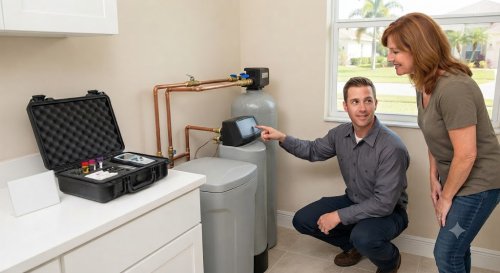
Incas Plumbing provides plumbing inspections, repairs, and maintenance solutions to help homeowners identify and correct noisy plumbing problems.
Are Noisy Pipes Normal?
Some plumbing sounds are normal.
Examples include:
- Water moving through pipes
- Pipes expanding when hot water flows
- Minor clicking sounds
However, loud or repeated noises may indicate a problem.
Persistent pipe noises should be inspected because they may lead to:
- Damaged connections
- Pipe leaks
- Fixture problems
- Increased plumbing wear
Common Types of Pipe Noises
Different sounds often point to different plumbing issues.
Banging Pipes
A loud banging sound usually occurs when water flow suddenly stops or changes direction.
This is often called water hammer.
Common causes include:
- Fast-closing valves
- High water pressure
- Loose pipes
- Missing air chambers
Knocking Pipes
Knocking sounds may happen when pipes move or vibrate.
Possible causes include:
- Pipes rubbing against framing
- Loose pipe supports
- Temperature changes
- Water pressure problems
Whistling Pipes
Whistling sounds are often caused by restricted water flow.
Common causes include:
- Mineral buildup
- Partially closed valves
- Faucet cartridge problems
- High pressure
Hissing Pipes
A hissing sound may indicate water escaping through a small opening.
Possible causes include:
- Pipe leaks
- Faulty valves
- Pressure issues
Gurgling Pipes
Gurgling usually indicates air or drainage problems.
Possible causes include:
- Drain blockages
- Sewer line issues
- Vent problems
What Causes Banging Pipes?
Several plumbing issues can create loud banging sounds.
Water Hammer
Water hammer occurs when moving water suddenly stops.
The force creates pressure inside the pipes, causing them to shake or bang.
Common triggers include:
- Washing machines stopping
- Dishwashers shutting valves
- Quickly closing faucets
High Water Pressure
Excessive water pressure puts stress on your plumbing system.
High pressure can cause:
- Loud pipe noises
- Leaking fixtures
- Damaged connections
- Shortened pipe lifespan
Loose Pipe Supports
Pipes are normally secured with brackets and supports.
If these become loose, pipes may move when water flows through them.
Air Trapped in Pipes
Air pockets can create:
- Banging
- Sputtering faucets
- Uneven water flow
What Causes Knocking Pipes?
Knocking sounds may develop due to movement inside your plumbing system.
Thermal Expansion
Hot water causes pipes to expand.
When pipes expand against surrounding materials, they may create knocking sounds.
Pipe Movement
Pipes that are not properly secured can move when water pressure changes.
Aging Plumbing Materials
Older pipes may become noisier due to:
- Corrosion
- Wear
- Loose connections
What Causes Whistling Pipes?
Whistling sounds usually indicate restricted water flow.
Mineral Deposits
Hard water minerals can build up inside:
- Pipes
- Faucets
- Showerheads
- Valves
This reduces the opening available for water flow.
Faulty Faucet Components
A worn faucet cartridge or valve can create high-pitched sounds.
Partially Closed Valves
A valve that is not fully open can create turbulence and noise.
Warning Signs You Should Not Ignore
Some pipe noises require professional attention.
Sudden New Sounds
If your plumbing suddenly becomes noisy, there may be a developing problem.
Water Pressure Changes
Noises combined with pressure changes may indicate:
- Valve problems
- Pipe restrictions
- Leaks
Water Leaks
Look for:
- Wet spots
- Water stains
- Damp walls
- Ceiling damage
Higher Water Bills
Unexpected increases may indicate hidden plumbing issues.
Reduced Water Flow
A noisy system combined with reduced flow may require inspection.
Can Noisy Pipes Cause Damage?
Yes. Certain plumbing noises may indicate conditions that can damage your system.
Potential problems include:
- Pipe stress
- Loose connections
- Leaking joints
- Fixture damage
- Premature pipe failure
Ignoring repeated noises may allow a small issue to become a major repair.
How Plumbers Diagnose Noisy Pipes
A professional plumber usually follows a detailed inspection process.
Step 1: Identify the Sound
The plumber determines:
- Type of noise
- Location
- Timing
- When it occurs
Step 2: Check Water Pressure
Pressure testing helps identify whether excessive pressure is causing the noise.
Step 3: Inspect Pipes and Fixtures
The plumber checks:
- Pipe supports
- Valves
- Connections
- Fixtures
Step 4: Check for Water Hammer
The plumbing system is evaluated for sudden pressure changes.
Step 5: Recommend Repairs
Solutions depend on the actual cause.
Common Repairs for Noisy Pipes
The correct repair depends on the source of the problem.
Adjust Water Pressure
If pressure is too high, a plumber may recommend pressure adjustments.
Secure Loose Pipes
Additional supports may reduce movement and noise.
Replace Damaged Valves
Faulty valves can create vibration and whistling sounds.
Install Water Hammer Protection
Special devices may help absorb pressure changes.
Clean Mineral Buildup
Removing restrictions can improve water flow.
Can You Fix Noisy Pipes Yourself?
Some basic checks are safe.
Homeowners can:
- Check if valves are fully open
- Secure easily accessible loose items
- Clean faucet aerators
- Monitor when noises occur
However, avoid complex plumbing repairs without proper experience.
Professional help is recommended for:
- Water pressure issues
- Hidden pipe problems
- Repeated banging
- Leaking pipes
- Valve replacement
Tools Plumbers Use
Professional plumbers may use:
Pressure Testing Equipment
Measures water pressure levels.
Leak Detection Tools
Helps locate hidden leaks.
Pipe Inspection Cameras
Allows inspection of certain plumbing lines.
Specialized Plumbing Tools
Used for:
- Valve repairs
- Pipe adjustments
- Fixture servicing
How Long Does Pipe Noise Repair Take?
Repair time depends on the cause.
Simple Repairs
Examples:
- Tightening fittings
- Adjusting valves
- Cleaning fixtures
may require less time.
Moderate Repairs
Examples:
- Installing pressure regulators
- Replacing valves
- Securing pipes
may require additional work.
Major Repairs
Examples:
- Damaged pipes
- Extensive plumbing replacement
- Hidden leaks
require more time.
Cost Factors
Plumbing repair costs vary depending on:
- Cause of the noise
- Accessibility of pipes
- Required parts
- Labor time
- Plumbing system condition
- Emergency service needs
Plumbing repair costs vary depending on the severity of the problem, accessibility, materials required, emergency service, property type, and local labor rates.
A professional inspection is the best way to determine the correct solution.
Hidden Truths Homeowners Should Know
- Noisy pipes are sometimes early warning signs.
- Water pressure problems can damage plumbing over time.
- Small noises may become larger problems.
- Hard water can contribute to restrictions.
- Loose pipes create unnecessary stress.
- Ignoring leaks increases repair costs.
- Older plumbing systems require more monitoring.
- DIY repairs may hide the actual problem.
- Professional diagnosis prevents unnecessary replacements.
- Regular maintenance helps prevent plumbing failures.
15 Common Mistakes Homeowners Make
1. Ignoring Loud Pipe Sounds
Noise can indicate developing problems.
2. Assuming All Noises Are Normal
Some sounds require inspection.
3. Ignoring Water Pressure Issues
High pressure damages plumbing.
4. Delaying Leak Repairs
Small leaks can worsen.
5. Using Incorrect Repair Methods
Improper repairs create future problems.
6. Ignoring Old Pipes
Aging systems need attention.
7. Skipping Maintenance
Preventive care reduces problems.
8. Closing Valves Incorrectly
Restricted flow creates noise.
9. Ignoring Mineral Buildup
Deposits affect performance.
10. Attempting Complex DIY Repairs
Mistakes can increase costs.
11. Ignoring Appliance-Related Sounds
Washing machines and dishwashers affect plumbing pressure.
12. Avoiding Professional Inspection
Some issues require specialized tools.
13. Ignoring Pressure Changes
Pressure changes may signal damage.
14. Waiting Until Pipes Leak
Early repairs are usually easier.
15. Not Monitoring Plumbing Performance
Regular checks prevent surprises.
Plumbing Maintenance Tips
Follow these tips to reduce noisy pipe problems:
- Maintain proper water pressure.
- Check visible pipes regularly.
- Repair leaks quickly.
- Clean faucet aerators.
- Inspect valves.
- Schedule plumbing inspections.
- Monitor unusual sounds.
- Protect pipes during freezing weather.
- Maintain water heaters.
- Check appliance connections.
- Address hard water buildup.
- Avoid unnecessary pressure stress.
- Know your main shutoff valve.
- Replace aging components when needed.
- Keep plumbing records.
When Should You Call a Plumber?
Contact a professional plumber if you notice:
- Loud repeated banging
- Whistling sounds with low pressure
- Water leaks
- Sudden pipe noises
- Reduced water flow
- High water bills
- Signs of pipe damage
Early inspection can prevent more expensive plumbing repairs.
People Also Ask
Why do my pipes bang when I turn on water?
Banging pipes are often caused by water hammer, loose pipes, or pressure changes.
Are noisy pipes dangerous?
Some noises are harmless, but repeated loud sounds may indicate plumbing issues.
How do I stop water hammer?
A plumber may adjust pressure, secure pipes, or install water hammer protection.
Why do my pipes whistle?
Whistling may result from mineral buildup, restricted flow, or faulty valves.
Can high water pressure cause noisy pipes?
Yes. Excess pressure can create vibration and stress.
Why do pipes knock at night?
Nighttime noises may become noticeable because the home is quieter, allowing plumbing sounds to stand out.
Can hard water cause pipe noises?
Yes. Mineral buildup can restrict water flow and contribute to noise.
Should I replace pipes that make noise?
Not always. The cause should be diagnosed first.
How much does it cost to fix noisy pipes?
Costs vary depending on the cause, repair method, and accessibility.
When should I call a plumber for pipe noises?
Call a plumber when noises are persistent, worsening, or combined with leaks or pressure changes.
Why Choose Incas Plumbing?
Noisy pipes require proper diagnosis to identify the real cause.
Incas Plumbing provides professional plumbing services including:
- Plumbing inspections
- Water pressure checks
- Pipe repairs
- Leak detection
- Maintenance solutions
Experienced evaluation helps homeowners choose the right repair instead of guessing.
Contact Incas Plumbing Today
If your pipes are making banging, knocking, or whistling sounds, do not ignore the warning signs.
Contact Incas Plumbing for professional plumbing inspection and repair services.
Call 844-833-2093 today to schedule an appointment or request an estimate.