How to Detect a Hidden Water Leak Before Major Damage
Learn how to detect hidden water leaks, warning signs, causes, repair methods, and when to call Incas Plumbing for professional leak detection.
Why Finding Hidden Water Leaks Early Matters
A hidden water leak is one of the most dangerous plumbing problems because it can continue causing damage long before homeowners realize there is an issue. Unlike a dripping faucet or visible pipe leak, hidden leaks often occur behind walls, under floors, inside ceilings, or beneath the foundation.
A small leak may not seem urgent at first, but over time it can lead to:
- Structural damage
- Mold growth
- Higher water bills
- Damaged flooring
- Ruined insulation
- Costly repairs
Many homeowners discover hidden leaks only after noticing water stains, unusual odors, or sudden increases in their utility bills.
Understanding how to detect a hidden water leak before it causes major damage allows you to take action early and protect your property.
At Incas Plumbing, we help homeowners identify hidden plumbing issues using professional inspection methods and accurate leak detection solutions.
What Is a Hidden Water Leak?
A hidden water leak is a plumbing leak that occurs in an area that is not immediately visible.
Unlike a leaking faucet or exposed pipe, hidden leaks may happen:
- Behind drywall
- Under flooring
- Inside ceilings
- Under concrete slabs
- Inside walls
- Underground water lines
Because these leaks remain unnoticed, they can continue damaging your home for weeks or even months.
Why Do Hidden Water Leaks Happen?
Several plumbing issues can cause hidden leaks.
Aging Pipes
Older pipes naturally weaken over time.
Common problems include:
- Corrosion
- Cracks
- Weak joints
- Pipe deterioration
Aging plumbing systems are more likely to develop leaks behind walls or under floors.
Corrosion
Metal pipes can corrode because of:
- Water chemistry
- Mineral buildup
- Age
- Poor installation
Corrosion creates weak areas where leaks can develop.
High Water Pressure
Excessive water pressure places stress on plumbing connections.
Over time, this pressure can damage:
- Pipe joints
- Valves
- Fixtures
Poor Installation
Improperly installed pipes may develop:
- Loose connections
- Weak seals
- Incorrect fittings
These issues can eventually result in hidden leaks.
Frozen Pipes
In colder climates, freezing temperatures can cause pipes to expand and crack.
When temperatures rise again, damaged areas may begin leaking.
Tree Root Damage
Underground water lines and sewer pipes may be damaged by growing tree roots.
Root intrusion can create cracks and leaks below ground.
Common Signs of a Hidden Water Leak
Recognizing early warning signs can help prevent expensive damage.
1. Unexplained Increase in Water Bills
A sudden increase in your water bill without changes in usage is one of the most common signs of a hidden leak.
Possible causes include:
- Leaking pipes
- Running toilets
- Underground leaks
2. Sounds of Running Water
If you hear water running when all faucets and appliances are turned off, there may be a hidden leak.
Listen for:
- Dripping sounds
- Hissing noises
- Water movement inside walls
3. Water Stains on Walls or Ceilings
Brown spots, discoloration, or peeling paint may indicate moisture behind surfaces.
Common locations include:
- Bathroom walls
- Ceilings below plumbing areas
- Around pipes
4. Mold or Mildew Growth
Persistent moisture creates the perfect environment for mold growth.
Warning signs include:
- Musty odors
- Dark spots
- Increased humidity
5. Damp or Warped Flooring
Hidden leaks beneath floors may cause:
- Warped wood
- Soft spots
- Buckling materials
6. Low Water Pressure
A hidden leak can reduce the amount of water reaching fixtures.
Signs include:
- Weak showers
- Slow faucets
- Pressure changes
7. Warm Spots on Floors
Warm areas on flooring may indicate a hot water line leak beneath the surface.
This is commonly associated with slab leaks.
8. Cracks in Walls or Foundations
Long-term water leaks can weaken building materials and contribute to structural problems.
How Homeowners Can Check for Hidden Water Leaks
Some basic checks can help identify possible leaks.
Check Your Water Meter
Turn off all water fixtures and appliances.
If the meter continues moving, water may be leaking somewhere.
Monitor Your Water Usage
Compare current water bills with previous months.
Unexpected increases may indicate a problem.
Inspect Visible Plumbing Areas
Check:
- Under sinks
- Around toilets
- Near water heaters
- Around washing machines
Look for moisture or corrosion.
Check Your Toilet
A leaking toilet can waste large amounts of water.
Add food coloring to the tank and wait.
If color appears in the bowl without flushing, the toilet may be leaking.
Professional Hidden Leak Detection Process
A professional plumber uses specialized methods to locate leaks accurately.
Step 1: Plumbing Inspection
The plumber reviews:
- Plumbing layout
- Visible signs
- Water usage patterns
Step 2: Pressure Testing
Pressure testing helps determine whether the plumbing system is losing water.
Step 3: Electronic Leak Detection
Special equipment can detect sound patterns created by leaking water.
This helps locate leaks behind walls or underground.
Step 4: Thermal Imaging
Thermal cameras may identify temperature differences caused by hidden moisture.
Step 5: Camera Inspection
Small inspection cameras allow plumbers to examine certain pipe conditions.
Step 6: Repair Recommendation
After identifying the source, the plumber explains available repair options.
Can You Fix a Hidden Water Leak Yourself?
Homeowners can perform basic checks, but hidden leak repairs usually require professional expertise.
Safe homeowner actions include:
- Monitoring water bills
- Checking visible pipes
- Turning off water during emergencies
- Inspecting cabinets and fixtures
Professional help is recommended for:
- Wall leaks
- Underground leaks
- Slab leaks
- Pipe replacement
- Major water damage
Attempting repairs without proper tools may increase damage.
Tools Professionals Use for Leak Detection
Electronic Leak Detection Equipment
Helps locate hidden leaks without unnecessary damage.
Thermal Imaging Cameras
Detect temperature changes caused by moisture.
Pipe Inspection Cameras
Allow internal pipe evaluation.
Pressure Testing Equipment
Identifies pressure loss within plumbing systems.
Moisture Detection Tools
Help locate areas affected by water intrusion.
How Long Does Hidden Leak Repair Take?
Repair time depends on:
- Leak location
- Damage severity
- Pipe accessibility
- Required repairs
Simple Repairs
Examples:
- Accessible pipe connections
- Fixture leaks
May be completed quickly.
Moderate Repairs
Examples:
- Wall pipe repairs
- Section replacement
Require more labor.
Major Repairs
Examples:
- Slab leaks
- Underground pipe replacement
May require extensive work.
Hidden Water Leak Repair Cost Factors
The cost of repairing a hidden leak varies depending on:
- Leak location
- Accessibility
- Pipe material
- Damage extent
- Required equipment
- Labor requirements
- Emergency service needs
Plumbing repair costs vary depending on the severity of the problem, accessibility, materials required, emergency service, property type, and local labor rates.
A professional inspection is the best way to determine repair requirements.
Hidden Truths Homeowners Should Know About Water Leaks
- Small leaks can create major damage over time.
- Hidden leaks often increase water bills.
- Mold can develop quickly in damp areas.
- Ignoring leaks can damage walls and flooring.
- Temporary fixes may not solve the real problem.
- Insurance coverage may depend on the cause of the leak.
- Older plumbing systems require more frequent inspections.
- Preventive maintenance can reduce repair costs.
15 Common Mistakes Homeowners Make With Water Leaks
- Ignoring small water stains
- Waiting for visible flooding
- Ignoring high water bills
- Using temporary fixes permanently
- Delaying professional inspections
- Covering damaged areas without repair
- Ignoring mold growth
- Not checking water meters
- Attempting complex pipe repairs
- Hiring inexperienced contractors
- Ignoring plumbing noises
- Skipping maintenance inspections
- Failing to protect pipes in winter
- Ignoring old plumbing systems
- Not knowing the main water shutoff location
Water Leak Prevention and Maintenance Tips
- Inspect exposed pipes regularly.
- Monitor monthly water bills.
- Check under sinks for moisture.
- Maintain water pressure levels.
- Repair dripping fixtures quickly.
- Insulate pipes during cold weather.
- Schedule plumbing inspections.
- Check water heater connections.
- Keep gutters and drainage systems clear.
- Monitor unusual plumbing sounds.
- Replace damaged hoses.
- Maintain appliances connected to water lines.
- Know your emergency shutoff valve.
- Address slow leaks immediately.
- Have older plumbing systems evaluated.
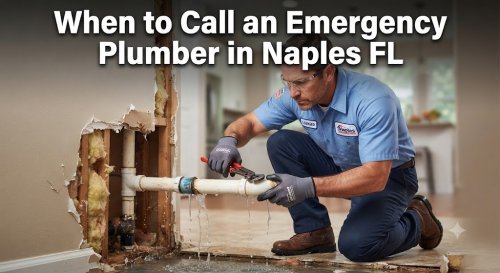
When Should You Call an Emergency Plumber?
Call an emergency plumber if you notice:
- Major water leaks
- Flooding
- Burst pipes
- Water damage spreading quickly
- Sewer-related leaks
- A sudden loss of water pressure
Fast action can help reduce property damage and repair expenses.